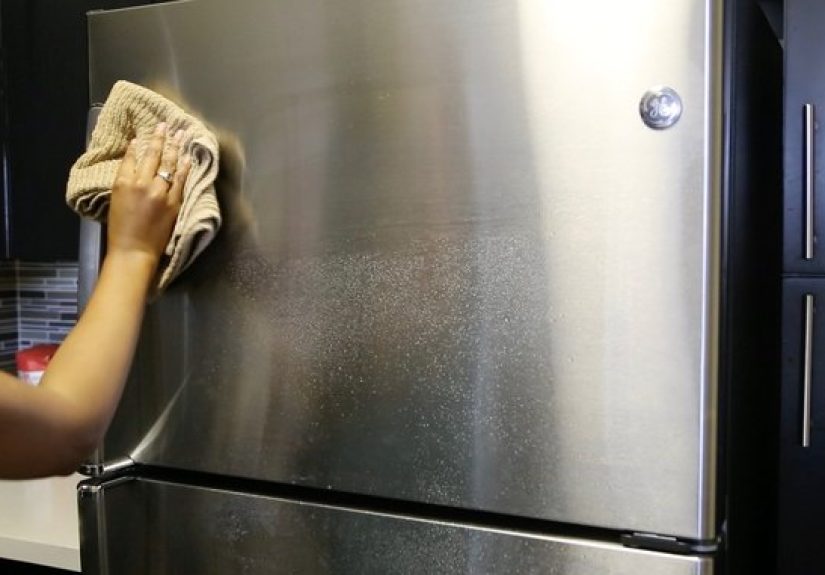
Table of Contents >> Show >> Hide
- Know Your Stainless Steel: Grain, Coatings, and Why Streaks Happen
- What You’ll Need for Natural Stainless Steel Cleaning
- The Golden Rule: Always Wipe With the Grain
- Everyday Natural Cleaning: Soap, Water, Dry (Yes, Dry)
- Natural Ways to Remove Fingerprints and Smudges (Fast)
- Deep Cleaning Naturally: Grease, Grime, and Mystery Marks
- Water Spots and Hard-Water Stains: Natural Fixes That Won’t Scratch
- How to Naturally Polish Stainless Steel (Without Making It Greasier)
- Special Cases: Sinks, Cookware, and “Uh-Oh” Moments
- What to Avoid on Stainless Steel (Even If the Label Says “Sparkly!”)
- Quick Troubleshooting Guide
- Conclusion: A Natural Routine That Actually Works
- Experiences and Real-Life Lessons From Naturally Cleaning Stainless Steel
Stainless steel is the friend who always looks put-together… until you touch it. Then it loudly displays
every fingerprint, water spot, and mysterious smear like it’s hosting an art exhibit called “Hands: A Memoir.”
The good news: you don’t need a cabinet full of harsh chemicals to get that sleek, streak-free shine back.
With a few pantry basics (and one very important habit: wiping with the grain), you can naturally clean and polish
stainless steel appliances, sinks, and cookware without turning your kitchen into a science lab.
This guide walks you through safe, natural methodsdish soap, water, microfiber cloths, baking soda, vinegar (with smart caveats),
and a tiny bit of oil for polishingplus exactly how to handle fingerprints, grease, hard-water spots, and that “why does my fridge look cloudy?” problem.
Know Your Stainless Steel: Grain, Coatings, and Why Streaks Happen
Stainless steel isn’t actually “stain-proof.” It’s “stain-resistant,” which is a polite way of saying:
it has a protective oxide layer that helps prevent rust and corrosion, but it can still show smudges and spots.
Many stainless surfaces also have a visible “grain” (tiny brushed lines). If you wipe across that grain,
you can push grime into the texture and create streaks that are harder to buff out.
One more wrinkle: some appliances are fingerprint-resistant or have special coatings.
Those finishes can be pickier about what they tolerate. A cleaner that works beautifully on a basic stainless sink
might not be ideal for a coated fridge door. When in doubt, use the gentlest approach first (soap + water),
and always spot-test in an inconspicuous area.
What You’ll Need for Natural Stainless Steel Cleaning
Tools (non-negotiable if you want a streak-free finish)
- Microfiber cloths (at least two: one for cleaning, one for drying/buffing)
- Soft sponge or non-scratch pad (nylon, not abrasive)
- Spray bottle (optional but helpful)
- Small bowl or cup for mixing
Natural cleaners (choose based on the mess)
- Warm water (the underrated hero)
- Mild dish soap (great for grease and everyday grime)
- Baking soda (gentle abrasive for stuck-on gunk and stains)
- Distilled white vinegar (use carefully; great for mineral spots on many surfaces, but not all finishes)
- Club soda (handy for fingerprints and quick shine)
- Mineral oil or baby oil (best for polishing; a little goes a long way)
- Olive oil (works in a pinch, but can leave residue if overused)
Safety note: Never mix vinegar with chlorine bleach (or use them back-to-back without rinsing thoroughly).
That combination can release toxic gas. Also avoid steel wool, gritty powders, and anything overly abrasivescratches are forever.
The Golden Rule: Always Wipe With the Grain
Before you clean, find the grain. Look closely at your stainless steel: you’ll see faint lines running horizontally or vertically.
Wipe in that direction. This single habit prevents “swirl marks,” reduces streaking, and makes polishing dramatically easier.
Everyday Natural Cleaning: Soap, Water, Dry (Yes, Dry)
For daily or weekly upkeep, you can get excellent results with a simple soap-and-water routine. This is also the safest option
for fingerprint-resistant stainless finishes.
Simple mix (large batch)
- 1 teaspoon mild dish soap
- 1 quart warm or hot tap water
Quick mix (small batch)
- A few drops of mild dish soap
- 1 cup warm water
Steps
- Dust first. Dry-wipe with a clean microfiber cloth to remove loose crumbs and grit (grit is what scratches).
- Wash. Dampen a microfiber cloth in the soapy water, wring well, and wipe with the grain. Work top to bottom.
- Rinse. Use a second cloth dampened with plain water to remove any soap residue (residue = streaks).
- Dry immediately. Buff dry with a clean, dry microfiber cloth, again following the grain.
If you stop here, most stainless steel will already look dramatically better. Drying is the difference between “pretty clean”
and “photo-ready.”
Natural Ways to Remove Fingerprints and Smudges (Fast)
Option 1: Club soda wipe-down
- Pour club soda onto a microfiber cloth (or lightly spray it on the cloth).
- Wipe with the grain to lift fingerprints.
- Dry-buff with a second microfiber cloth.
Club soda is a surprisingly handy “middle ground” cleaner: gentle, quick, and less likely than some DIY mixes
to leave a lingering smell.
Option 2: Soap-and-water reset
If fingerprints are mixed with cooking grease (hello, fridge handle), go with warm soapy water first. Grease laughs at plain water,
but it respects dish soap.
Deep Cleaning Naturally: Grease, Grime, and Mystery Marks
Baking soda paste for stuck-on residue
- 3 parts baking soda
- 1 part water (add slowly until it forms a spreadable paste)
- Apply the paste to the problem area with a damp microfiber cloth or soft sponge.
- Gently rub with the grain. Use light pressurelet the paste do the work.
- Wipe clean with a damp cloth.
- Rinse and dry thoroughly.
Baking soda is especially useful for dried drips, haze from old cleaning products, and the “how did ketchup get there?” spots
that appear overnight like kitchen gremlins are on payroll.
Water Spots and Hard-Water Stains: Natural Fixes That Won’t Scratch
Water spots happen when minerals dry on the surface. Your goal is to dissolve or lift those minerals without scraping the steel.
Method A: Vinegar (use smartly)
On many stainless surfaces, diluted distilled white vinegar can help dissolve mineral deposits and reduce streaks.
However, some manufacturers and cleaning pros caution that vinegar may not be ideal for certain coated or fingerprint-resistant finishes.
If you choose to use it, keep contact brief, don’t let it sit for long periods, and always rinse and dry afterward.
- Lightly dampen a microfiber cloth with vinegar (or a 1:1 vinegar-water mix).
- Wipe with the grain.
- Rinse with a cloth dampened in plain water.
- Dry and buff immediately.
Method B: Baking soda + rinse (gentle mineral lift)
- Sprinkle baking soda lightly on a damp cloth.
- Wipe with the grain (no aggressive scrubbing).
- Rinse and dry thoroughly.
For sinks, many people like the “fizz” approach (baking soda followed by a small amount of vinegar),
but keep it controlled: rinse thoroughly and avoid leaving acidic solutions sitting on the metal.
How to Naturally Polish Stainless Steel (Without Making It Greasier)
Polishing is not the same as cleaning. Cleaning removes grime; polishing adds a thin, even layer that boosts shine and helps repel fingerprints.
If you polish over grease, you’ll lock in the smudges and create a slippery museum exhibit called “Why Is This Still Dirty?”
Best natural polish: mineral oil or baby oil
- Make sure the surface is clean and completely dry.
- Put 2–3 drops of mineral oil (or baby oil) on a clean microfiber cloth.
- Buff with the grain in long strokes. You’re aiming for an invisible layer, not a shiny oil slick.
- Use a second dry cloth to remove excess oil and bring up the shine.
Tip: Avoid using vegetable or coconut oil for polishing sinks and appliancesthose can go rancid and leave odors.
Also, don’t oil surfaces that get hot (like areas near burners or ovens). Oils can be flammable, and nobody wants a “polish” that comes with drama.
Special Cases: Sinks, Cookware, and “Uh-Oh” Moments
Stainless steel sinks (natural clean + shine)
- Rinse the sink with hot water.
- Sprinkle baking soda around the basin.
- Scrub gently with a soft sponge, following the grain.
- Rinse well and dry completely.
- Polish with a tiny amount of mineral oil, buffing with the grain.
Stainless steel cookware (avoid common mistakes)
- Let pans cool before rinsing with cold water to avoid warping (temperature shock is real).
- For stuck-on food: soak with warm water + dish soap, then use baking soda paste if needed.
- For cloudy buildup: a gentle baking soda scrub often helps; rinse and dry thoroughly.
Rust spots: what you can try naturally
If you see small rust specks (often from iron particles or scratches), start gently:
apply a baking soda paste, rub lightly with the grain, rinse, and dry. If rust keeps returning or spreads,
the surface may be compromised and could require a specialty product or professional advice.
What to Avoid on Stainless Steel (Even If the Label Says “Sparkly!”)
- Steel wool and scouring pads (scratches + potential rust transfer)
- Gritty powders (can dull the finish)
- Bleach/chlorine cleaners (can damage protective layers and promote corrosion)
- Ammonia-heavy glass cleaners (can leave cloudiness and streaks on some finishes)
- Citrus or strong acidic cleaners on sensitive finishes (may etch or strip coatings)
- Spraying cleaner directly onto the surface (often causes drips and streaksspray on the cloth instead)
Quick Troubleshooting Guide
“My stainless steel looks streaky after cleaning.”
Usually it’s leftover soap or cleaner residue. Rinse with a cloth dampened in plain water, then dry and buff with a clean microfiber cloth.
“It looks shiny… but it attracts fingerprints instantly.”
You may have used too much oil. Buff again with a dry cloth to remove excess. Next time, use just a couple of drops and spread thinly.
“Vinegar made it look worse.”
Your appliance may have a coating or finish that doesn’t love acids. Reset with warm soapy water, rinse, dry, and stick to the mild method going forward.
Conclusion: A Natural Routine That Actually Works
If you remember three things, you’re set: use microfiber, wipe with the grain, and dry immediately.
For everyday cleaning, mild dish soap and warm water are the safest, most reliable natural optionespecially for modern coated finishes.
When you need extra help, baking soda paste tackles stubborn grime, and a tiny bit of mineral or baby oil brings back that polished,
“brand new appliance” glow. Keep it gentle, keep it simple, and your stainless steel can go back to looking expensive instead of… emotionally sticky.
Experiences and Real-Life Lessons From Naturally Cleaning Stainless Steel
If you’ve ever cleaned your stainless steel refrigerator, stepped back proudly, and then watched a fresh fingerprint appear in real time,
welcome to the club. One of the most common “first experiences” people have with stainless steel is realizing that cleaning it isn’t about
scrubbing harderit’s about using the right sequence. The moment you switch from a rough paper towel to microfiber, it feels like cheating.
Suddenly you’re not just smearing oil around; you’re actually lifting it.
Another classic experience: the “why is it cloudy?” moment. This usually happens after someone uses a multipurpose spray, wipes quickly,
and calls it done. On stainless steel, leftover product dries into a thin film that looks dull or streaky under kitchen lights. The fix tends
to feel almost too easy: a plain-water rinse wipe and a full dry buff. It’s a little like washing shampoo out of your hairif you don’t rinse,
you’re not actually finished. People are often surprised that the best “stainless steel cleaner” is sometimes just removing whatever cleaner
was already there.
Fingerprints around handles are their own genre of mess. Real kitchens don’t have “don’t touch the fridge” rules (and if they do, they don’t last).
A practical lesson many households learn is to keep a microfiber cloth in a nearby drawer and do quick touch-ups. A light pass with warm soapy water
or even club soda on the cloth can erase the daily smudge layer before it gets baked in by time and cooking splatter. When you do this consistently,
deep-clean days become shorter and less annoying.
Stainless steel sinks bring another common experience: hard-water spots that appear no matter how clean you keep the rest of the kitchen.
People often assume they need something stronger, but the best improvement usually comes from a boring habit: drying the sink after use.
When you start doing a quick towel-dry after dishes (even a fast one), you’ll notice fewer mineral rings and less “chalky” buildup. Pair that habit
with an occasional baking soda scrub, and your sink stays brighter without feeling like a part-time job.
A lot of folks also learn the “oil lesson” the hard way. The first time you polish with olive oil, the shine can be so satisfying that you’re tempted
to keep adding more. Then a day later, the surface looks like it collected dust on purpose. The real sweet spot is using just a few drops, spreading it
thinly, and buffing off the excess until it feels dry to the touch. Mineral oil or baby oil tends to behave more predictably, and it’s less likely to turn
into a sticky fingerprint magnet.
Finally, there’s the experience of realizing that not all stainless steel is the same. Some newer appliances are fingerprint-resistant or coated, and those
surfaces can react differently to vinegar or acidic cleaners. People who’ve had a “vinegar used to work, but now it doesn’t” moment aren’t imagining things.
The best approach is to treat vinegar like a spot tool, not a daily habit: quick wipe, rinse, dry. If your finish doesn’t like it, soap-and-water will still
get you cleanjust without the extra chemistry.
The overall takeaway from these real-life patterns is simple: stainless steel rewards gentle consistency. When you clean in the direction of the grain,
rinse away residue, dry immediately, and polish lightly (not lavishly), the surface stays calmer, shinier, and much less dramaticlike stainless steel finally
decided to stop auditioning for a reality show.