Table of Contents >> Show >> Hide
- Why Paint a Brick Fireplace in the First Place?
- Before You Start: The Big Truth About Painted Brick
- What You Need to Paint a Brick Fireplace
- How to Prep Brick Like a Pro
- Best Paint for a Brick Fireplace
- Best Colors for a Painted Brick Fireplace
- How to Paint a Brick Fireplace Step by Step
- Mistakes to Avoid When Painting Fireplace Brick
- How to Make a Painted Fireplace Look Expensive
- Is Painting a Brick Fireplace Worth It?
- Real-World Experience: What People Learn After Painting a Brick Fireplace
- Conclusion
- SEO Tags
A brick fireplace can be charming, timeless, and full of character. It can also look like it has been quietly judging your decorating choices since 1987. If your fireplace is dark, dated, orange-red, soot-stained, or simply too busy for the rest of the room, painting it can completely change the space without the cost of a full renovation.
The good news is that painting a brick fireplace is a very doable DIY project. The less-fun-but-important news is that success depends on preparation, patience, and using the right products. This is not the moment for random leftover wall paint and blind optimism. When done correctly, a painted brick fireplace can look clean, modern, cozy, and intentional. When done poorly, it can peel, trap grime, or look like the brick got dipped in marshmallow frosting.
This guide covers how to paint a brick fireplace step by step, what tools to use, how to choose the right finish, what mistakes to avoid, and how to create a result you will actually love living with. If you want a fireplace makeover that feels fresh and stays beautiful, you are in exactly the right place.
Why Paint a Brick Fireplace in the First Place?
Painting a brick fireplace is one of the fastest ways to update a living room, family room, or bedroom. Old brick often makes a room feel heavy or visually cluttered, especially when the brick color fights with the floors, furniture, or trim. A fresh painted finish can brighten the room, simplify the focal point, and make the entire design feel more intentional.
Homeowners often choose this project for a few simple reasons:
- To modernize an outdated red or orange brick fireplace
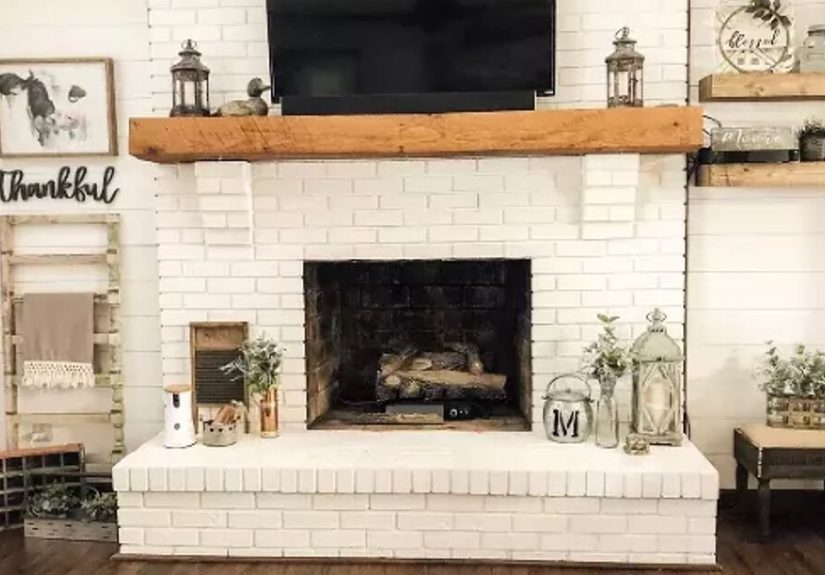
- To brighten a dark room with a white, cream, or soft greige finish
- To create contrast with a moody charcoal or black fireplace
- To hide soot stains, discoloration, and visual imperfections
- To make the fireplace blend better with trim, built-ins, or wall color
In other words, painted brick fireplaces work because they solve a design problem and create a stronger focal point. That is a lot of payoff for a few supplies, one weekend, and a tolerance for painter’s tape.
Before You Start: The Big Truth About Painted Brick
Let’s get one thing out of the way: painting brick is usually a long-term decision. Brick is porous, so paint sinks in and bonds with the surface. That means you should not treat this project like changing throw pillows. Yes, you can repaint it later, but returning it to raw original brick is difficult and messy.
So before you open the primer, ask yourself a few smart questions:
- Do I want a solid painted look or would I prefer limewash or whitewash?
- Am I painting only the outer surround, or also a non-flame-exposed interior area?
- Does this fireplace still work, and if so, which surfaces get hot?
- Will the new color work with my walls, mantel, floor, and furniture?
If you love the texture of brick but want it softer, whitewash or limewash may be a better fit. If you want a cleaner, more dramatic, more polished look, full paint is usually the winner.
What You Need to Paint a Brick Fireplace
Tools
- Drop cloths or rosin paper
- Painter’s tape
- Stiff-bristle brush or wire brush
- Shop vacuum or handheld vacuum
- Bucket, sponge, and clean rags
- Roller frame with a nap suited for textured masonry
- Angled brush for corners and mortar lines
- Paint tray and liners
- Safety gloves and a dust mask
Materials
- Mild cleaner or masonry-safe cleaner
- Masonry primer or stain-blocking primer suitable for brick
- Interior paint or masonry paint suited to the surface
- Caulk or filler if needed for small cosmetic touch-ups outside the firebox
- Heat-rated coating only for surfaces that truly require it
If your fireplace is wood-burning, always be careful about the firebox and any areas directly exposed to heat, soot, or flame. The exterior surround and face are typically treated differently from the inside of the firebox. Read product labels carefully and never assume all paints belong near heat just because they survived your hallway.
How to Prep Brick Like a Pro
If you remember only one thing from this entire article, make it this: the finished result depends on prep. Not color. Not trendy inspiration photos. Not your optimistic playlist. Prep is everything.
1. Inspect the Brick and Mortar
Look closely at the fireplace before cleaning. Check for crumbling mortar, loose brick, cracks, moisture issues, heavy soot buildup, and old peeling paint. If the mortar is failing or the fireplace has structural issues, fix those before painting. Paint is not a magical disguise for actual damage.
2. Remove Loose Debris
Use a stiff-bristle brush or wire brush to remove dust, cobwebs, soot, and flaky material from the brick and mortar lines. Then vacuum the area thoroughly. Mortar joints love to hoard dust like they are preparing for winter.
3. Clean the Surface Well
Wash the brick with a suitable cleaner, especially if it has soot, grease, or smoke residue. Use a sponge or scrub brush to get into crevices. Do not rush this step. Paint sticks best to clean, dry masonry, not to a layer of fireplace history.
4. Let the Brick Dry Completely
Brick is porous and holds moisture longer than it appears to. After washing, give the fireplace enough time to dry fully. Damp masonry under primer is an excellent way to create future regret.
5. Protect the Surrounding Area
Tape off the mantel, adjacent trim, floor, and wall edges. Lay down drop cloths. Painting textured brick is rarely a neat and elegant ballet. It is more of a controlled wrestling match with a roller.
Best Paint for a Brick Fireplace
The best paint for a brick fireplace depends on where you are painting and the look you want. For the visible outer surround, many homeowners use high-quality interior latex paint or masonry paint over the correct primer. For especially porous or stained surfaces, a primer designed for masonry is a smart move because it improves adhesion and helps with coverage.
Here are the most common options:
- Masonry paint: Great for brick because it is made for porous surfaces and textured coverage.
- Interior latex paint: A common choice for the outer brick surround in living spaces.
- Flat or matte finish: Helps the brick texture look more natural and less shiny.
- Eggshell or satin finish: Slightly easier to wipe clean, with a little more sheen.
If you want the brick to look soft and architectural, matte is often the sweet spot. If you want a little extra wipeability, satin can work. Super glossy finishes tend to make brick look artificial, like the fireplace is wearing lip gloss it never asked for.
Best Colors for a Painted Brick Fireplace
Choosing a color is where the fun begins. The right shade depends on your room, natural light, trim color, and style. Some of the most popular choices include:
- Soft white: Bright, clean, classic, and ideal for farmhouse, coastal, and transitional homes
- Warm white or cream: Better for rooms with warm floors and beige undertones
- Greige or taupe: Subtle and sophisticated, especially in modern traditional interiors
- Charcoal or black: Dramatic, contemporary, and especially striking with light walls
- Muted green or blue-gray: A more custom designer look without shouting for attention
If the fireplace is large and dominant, a softer neutral often feels safest. If the fireplace is a smaller feature and you want contrast, deeper tones can look incredible. A painted brick fireplace should support the room, not start a color argument with it.
How to Paint a Brick Fireplace Step by Step
Step 1: Prime the Brick
Apply primer with a brush first, working it into mortar lines, corners, and textured crevices. Then use a roller to cover the larger brick faces. Work in small sections and watch for drips collecting in low spots. Primer matters because brick is porous and uneven, and skipping it often means more paint coats and less durable results.
Step 2: Let the Primer Dry
Follow the manufacturer’s dry time. This is not the moment for impatience. Dry time is part of the project, not an optional suggestion from a boring label writer.
Step 3: Apply the First Coat of Paint
Cut in the edges and mortar lines with a brush, then roll the larger areas. Use enough paint to cover the texture without flooding the joints. The first coat may look patchy. That is normal. Brick texture loves to humble people on coat one.
Step 4: Check Coverage in Natural Light
As the paint dries, step back and inspect it in daylight. Missed pinholes and thin areas often appear once the surface starts evening out. Touch up where needed.
Step 5: Apply a Second Coat
Most painted brick fireplaces look best with two coats. Very dark brick, heavy staining, or dramatic color changes may need more attention. The goal is even coverage while still letting the texture of the brick do its thing.
Step 6: Remove Tape and Let It Cure
Once the surface is dry enough, remove painter’s tape carefully. Then allow the finish to cure according to product directions before heavy use, cleaning, or exposing nearby surfaces to heat.
Mistakes to Avoid When Painting Fireplace Brick
- Skipping the cleaning step: Soot and dust can wreck adhesion.
- Painting damp brick: Moisture leads to trouble later.
- Ignoring damaged mortar: Paint does not repair masonry.
- Using the wrong finish: Too much sheen can look fake on brick.
- Not testing color first: Whites can lean yellow, gray, pink, or blue.
- Confusing the outer surround with the firebox: Heat exposure changes what products are safe.
How to Make a Painted Fireplace Look Expensive
The difference between “nice DIY project” and “wow, that looks professionally designed” usually comes down to the details. Here is how to push the result into the second category:
- Paint the fireplace, surrounding trim, and mantel in coordinated tones
- Style the mantel with fewer, larger objects instead of many tiny accessories
- Use contrast thoughtfully, such as a black firebox opening with lighter painted brick
- Add warmth through wood, brass, ceramics, or textured textiles nearby
- Choose a color that works with the undertones of the room, not just a trendy sample chip
A fireplace makeover looks best when it feels integrated into the room. Painting the brick is the anchor, but styling around it completes the story.
Is Painting a Brick Fireplace Worth It?
For many homeowners, absolutely yes. Painting a brick fireplace is relatively affordable, visually dramatic, and achievable without a full remodel. It can brighten a room, modernize a dated feature, and make the fireplace feel intentional instead of inherited from a decade you did not vote for.
That said, it is worth doing only if you are ready to commit to the painted look and willing to prep the surface correctly. A rushed job can feel disappointing. A careful job can look like a major renovation for a fraction of the cost.
Real-World Experience: What People Learn After Painting a Brick Fireplace
Here is where the practical wisdom really shows up. People who paint their brick fireplaces almost always say the same thing afterward: “I should have done this sooner.” But they also tend to learn a few lessons the hard way, and those lessons are worth stealing before you begin.
First, nearly everyone underestimates how dirty old brick can be. A fireplace that looks “not too bad” from the couch often turns out to be hiding a surprising amount of dust, soot, and gritty residue once you start scrubbing. Many DIYers say the cleaning step took longer than expected, but it also made the biggest difference in how smooth and solid the final paint job looked.
Second, people are consistently shocked by how much paint brick drinks on the first coat. Flat wall surfaces are one thing. Brick is a completely different personality. It has texture, crevices, mortar grooves, and tiny pores that seem to absorb product out of pure spite. The first coat often looks streaky, thin, and slightly alarming. Then the second coat goes on and suddenly the fireplace starts looking polished and intentional instead of like a half-finished experiment.
Another common experience is color surprise. A white paint that looked clean and crisp on a sample card can read creamy, icy, or even faintly gray once it is spread across a large masonry surface. Homeowners who test colors on the actual brick usually end up happier than those who pick a shade based on a fan deck and a dream. The brick texture changes how color reads, especially in rooms with warm wood floors or limited daylight.
People also learn that painting the fireplace often sets off a chain reaction in the room. Once the brick looks fresh, the old mantel, dated hardware, or tired wall color suddenly becomes much more obvious. This is not a bad thing. It just means the fireplace makeover can become the spark that pulls the whole room together. A new mirror, a cleaner mantel arrangement, or a fresh wall color often follows right behind.
One of the best real-life takeaways is that subtle choices usually age better than extreme ones. Soft white, warm greige, charcoal, and muted earthy tones tend to remain lovable for longer than flashy trend colors. That does not mean bold choices are wrong. It just means homeowners are happiest when the fireplace feels connected to the architecture of the home rather than copied from a passing social-media mood board.
And finally, people who love the finished look usually say the same final sentence with a mix of relief and pride: the room feels lighter, calmer, and more like them. That is really the whole point. A painted brick fireplace is not just about covering brick. It is about changing the way the room feels every day. Done well, it turns visual clutter into a focal point, design indecision into confidence, and an old fireplace into something that finally earns its place in the room.
Conclusion
If your brick fireplace feels heavy, dated, or disconnected from the rest of your home, painting it can be one of the smartest upgrades you make. The key is to treat it like a real surface-prep project, not a shortcut. Clean thoroughly, repair what needs repairing, use the right primer and paint, respect heat-related safety, and choose a color that belongs in the room. Get those pieces right, and you really may paint that brick fireplace and never look back.