Table of Contents >> Show >> Hide
- What Is Horsetail, Exactly? (And Which One Are You Growing?)
- Before You Plant: The 5-Question Horsetail Reality Check
- Best Conditions for Growing Horsetail
- How to Plant Horsetail (Step-by-Step)
- Horsetail Care: Watering, Feeding, and General Upkeep
- How to Propagate Horsetail (Without Making 1,000 of Them)
- Containment and Control: The Part That Saves Your Future Weekend
- Pests, Diseases, and Safety Notes
- Design Ideas: Where Horsetail Looks Incredible
- Troubleshooting: Quick Fixes for Common Horsetail Problems
- Real-World Growing Experiences (500+ Words)
Horsetail is the plant equivalent of showing up to brunch dressed like a minimalist sculpture.
It’s sleek. It’s architectural. It looks suspiciously like bamboo’s cool cousin who listens to vinyl.
And it’s also a prehistoric survivor that has been doing its thing since long before lawns were invented
which explains why horsetail is both ridiculously easy to grow and ridiculously hard to stop once it gets comfy.
This guide will walk you through how to plant and grow horsetail successfullywithout accidentally donating your yard
to a permanent horsetail colony. You’ll learn which “horsetail” people usually mean, the best planting methods (spoiler:
containers are your best friend), how to care for it, and how to keep it from spreading like it pays rent.
What Is Horsetail, Exactly? (And Which One Are You Growing?)
“Horsetail” is the common name for plants in the Equisetum genus. They’re not flowering plants; they reproduce with spores
and spread aggressively through underground rhizomes (think: fast, sneaky underground stems).
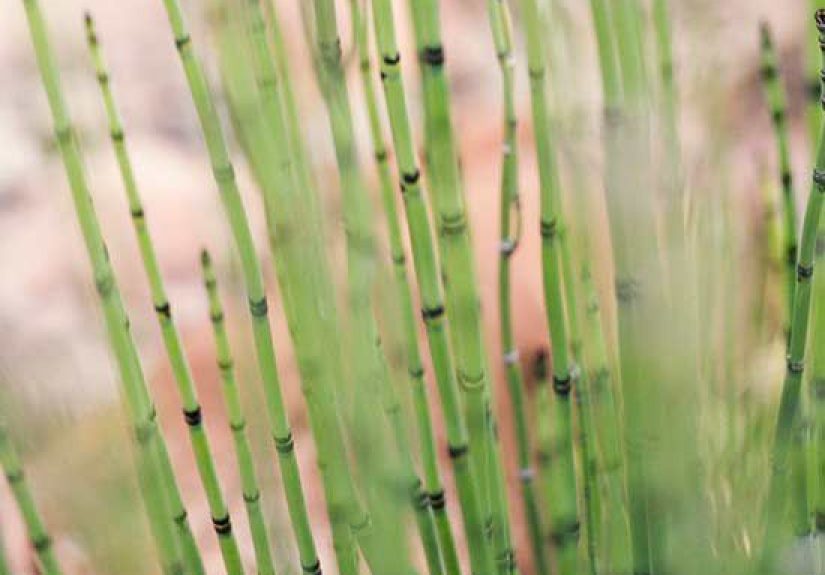
In gardens, horsetail is usually grown for its upright, segmented, hollow stems that bring bold vertical textureespecially in modern planters
and water features.
The two horsetails most gardeners confuse
-
Scouring horsetail / scouring rush (Equisetum hyemale):
the “ornamental” onetall, bamboo-like stems, evergreen in many climates, and commonly sold for contemporary containers and water gardens. -
Field horsetail / common horsetail (Equisetum arvense):
the “why is it in my lawn and why won’t it leave” oneoften treated as a persistent weed.
If you’re buying horsetail on purpose for design reasons, you’re probably looking at E. hyemale.
If you discovered it “for free” in a damp corner of your yard, you may have E. arvense.
Either way, the growth habits rhyme: they love moisture, they spread through rhizomes, and they can be stubborn once established.
Before You Plant: The 5-Question Horsetail Reality Check
Horsetail can be a fantastic plantif you set boundaries early. Ask yourself these five questions before you grab a shovel:
- Do I have a consistently moist spot? Horsetail shines in boggy soil, pond edges, and water gardens.
- Am I willing to grow it in a container? This is the single best way to enjoy horsetail without regret.
- Is this near a pasture or animals that might graze? Many horsetail species are considered toxic to horses (more on that later).
- Do I want “one plant” or “a colony”? Horsetail naturally thinks in colonies.
- Do local rules or ecosystems matter here? If you live near natural waterways, be extra cautiousescapees can become someone else’s problem fast.
If you answered “I prefer my garden to remain under my control,” you’re going to love the next section.
Best Conditions for Growing Horsetail
Light
Horsetail grows in full sun to partial shade. In hotter areas, a little afternoon shade can be helpfulespecially if you’re growing it in a container
that can heat up and dry out faster than in-ground bog soil.
Water
Moisture is the headline act. Horsetail is famously tolerant of wet conditions and can even grow with its pot sitting in shallow water.
The key is keeping the root zone consistently moist. If horsetail is planted somewhere that dries out regularly, it may survive,
but it won’t look nearly as lush (and you’ll spend your summer playing “hose whisperer”).
Soil
Horsetail tolerates many soil types, but it thrives in wet, sandy, or gravelly mixes. For containers, a practical blend is potting mix
amended with sand or fine gravel. Here’s a weird-but-useful note: richer, humus-heavy soil can slow horsetail’s growth, while sandy/gravelly mixes
often speed it up. So if you want a calmer plant, don’t spoil it too much.
Temperature and hardiness
Hardiness depends on the species, but garden horsetail (often E. hyemale) is commonly listed for a wide range of U.S. climates
and is frequently grown as a hardy perennial in many regions. If you’re in a cold-winter area, horsetail can still be a strong performer,
and its upright stems often provide winter interest.
How to Plant Horsetail (Step-by-Step)
You can plant horsetail directly in the ground, but that’s like adopting a “small puppy” that grows into a moose.
For most home gardens, the best practice is containment planting: a pot, tub, or sunken container that limits rhizome spread.
Option A: Plant horsetail in a container (recommended for sanity)
- Choose a sturdy pot. Go larger than you think: 12–20 inches wide is a nice start for a bold clump.
-
Use a pot with no drainage holes (or add a liner).
Horsetail likes constant moisture; a no-drain setup helps you maintain bog-like conditions.
If your pot has drainage, you can use a plastic liner or place the pot inside a watertight outer container. - Mix the soil. Combine potting mix with sand or fine gravel (think “bog garden in a pot,” not “fluffy houseplant spa”).
- Plant at the same depth the nursery plant was growing. Keep the crown slightly below the rim so you can top-dress with gravel.
- Water thoroughlythen keep it consistently moist. Many gardeners keep a shallow “water reservoir” in the bottom of the container.
- Top with gravel. This helps keep stems stable and reduces soil floating if the pot sits in water.
Option B: Sink a container into the ground (for a “natural” look with boundaries)
If you want horsetail to look like it’s growing “in the landscape” but you still want control, sink a container into the soil.
Use a sturdy pot/tub, ideally lined with fine mesh to discourage rhizomes from slipping out.
- Dig a hole the size of your container and set it in place.
- Line with fine mesh if you want extra containment insurance.
- Fill with sandy/gravelly soil mix and plant your horsetail.
- Keep the root ball slightly below the rim so you can mulch/top-dress and spot rogue rhizomes.
- Water deeply and monitor monthly for escapes.
Option C: Plant horsetail in a pond or water garden
Horsetail is a classic water-garden plant because it loves moisture and adds upright structure near the water’s edge.
The safest method is potting it and submerging (or partially submerging) the container.
- Pot it up using a heavier container so it won’t tip in water.
- Top with gravel to keep soil from clouding the water.
-
Place it in shallow water so the stems sit above the surface. Horsetail can grow in several inches of water,
but it’s not meant to be fully submerged like some oxygenator plants. - Secure the pot between rocks or in a planting shelf area if your pond has one.
Horsetail Care: Watering, Feeding, and General Upkeep
Watering
If horsetail is planted in a naturally wet area or sitting in water, you may not “water” much at all.
In containers on patios or decks, plan to check moisture often. In hot weather, container horsetail may need daily attention.
A simple trick: keep the pot sitting in a shallow tray of water (like a mini bog).
Fertilizer
Horsetail is not a heavy feeder. In decent soil, you can usually skip fertilizer.
If growth seems weak in a container, a light feeding in spring/summer with a diluted, water-soluble fertilizer can helpbut don’t overdo it.
Too much fertilizer tends to encourage lush growth you’ll later need to control.
Pruning and grooming
- Remove broken or browned stems at the base to keep the planting looking sharp.
- Thin crowded clumps if stems start leaning or airflow becomes poor.
-
Watch for fertile stems (spore-producing cones) and remove them if you’re trying to reduce spread.
Spores can travel, and horsetail is very good at finding new places to exist.
Repotting and dividing
Container-grown horsetail can become crowded over time. A common rhythm is to divide and refresh the planting every few years
(often around the 3–4 year mark, or sooner if the pot looks packed).
Think of it as routine maintenancelike changing the oil, except greener and with fewer receipts.
How to Propagate Horsetail (Without Making 1,000 of Them)
Horsetail propagates extremely well on its own, but when you want to intentionally make a new planting, division is the easiest method.
Propagation by division
- Best timing: early spring or fall is ideal.
- Remove the plant from its container (or dig a section if it’s contained in the ground).
- Cut the rhizome mass into smaller clumps with a sharp spade or knife.
- Replant immediately into new containers using the same moist, sandy/gravelly mix.
- Water thoroughly and keep evenly moist while the division re-establishes.
Can you grow horsetail from spores? Yestechnically. Practically, division is faster, simpler, and way more predictable for home gardeners.
Containment and Control: The Part That Saves Your Future Weekend
Here’s the big truth: horsetail’s underground rhizomes can spread wide and deep, and even small pieces left behind can resprout.
That’s why many horticulture sources strongly recommend pots, barriers, and ongoing monitoring.
Best containment strategies
- Grow in containers (above ground or sunken) instead of planting directly in soil.
- Use a pot with no drainage holes or a watertight liner, and inspect edges for creeping rhizomes.
- Line containers with fine mesh if you want extra protection.
- Check monthly in spring/summer for rhizomes trying to sneak over or under the rim.
- Dispose responsibly: don’t compost rhizomes or toss them where they could root again.
If horsetail escapes (or you inherited it)
Controlling established horsetail often takes multiple tactics and patience:
- Repeated cutting/pulling: removing top growth repeatedly over time can weaken the plant, but it’s rarely a one-and-done.
- Change conditions: horsetail favors wet, often acidic conditions; improving drainage and shifting soil conditions can discourage it.
- Competition helps: healthy, vigorous groundcovers or turf can reduce establishment in some settings.
- Don’t rely on fabric alone: heavy-duty landscape fabric may help block stems, but rhizomes can sometimes find edges or gaps.
Translation: horsetail is persistent. If you want it in your life, contain it early. If you don’t want it in your life, start a plan and stick with it.
(Horsetail is excellent at outlasting half-hearted efforts.)
Pests, Diseases, and Safety Notes
Pests and disease
Horsetail is generally pest- and disease-resistant. Its high silica content is one reason it’s historically been used for “scouring”
and why it tends to be unappealing to many herbivores. In other words, it’s low dramauntil it tries to expand its territory.
Is horsetail toxic?
Many Equisetum species are considered toxic to horses, primarily due to compounds that can interfere with thiamine (vitamin B1).
Most serious poisonings are associated with significant ingestion (for example, contaminated hay).
If you have horsesor neighbors’ horsesavoid planting horsetail near grazing areas and dispose of trimmings responsibly.
For households with pets and kids, treat horsetail like any “don’t snack on the landscaping” plant:
place it where accidental chewing is unlikely, and keep cut stems out of reach.
Design Ideas: Where Horsetail Looks Incredible
Horsetail is basically a living accent piece. Here are a few ways gardeners use it without letting it dominate the whole yard:
- Modern container feature: a tall, matte planter with a dense stand of horsetail makes a clean, architectural statement.
- Pond edge planting: potted horsetail on a shelf or shallow ledge gives vertical contrast to floating plants and lilies.
- Patio “privacy screen”: multiple large containers lined in a row can create a minimalist green wall.
- Problem wet spot solution: if you’ve got a boggy area where other plants sulk, contained horsetail can thrive there.
If you want companions in a bog or water-garden setting, consider other moisture lovers that won’t mind the same conditions
(and won’t get bullied if you keep horsetail contained).
Troubleshooting: Quick Fixes for Common Horsetail Problems
“My horsetail looks thin and sparse.”
Usually this is water-related. Increase moisture consistency, consider more sun, and refresh the soil if it’s compacted.
If it’s been in the same pot for years, it may need dividing and replanting.
“It’s turning brown at the base.”
Some browning is normal as stems age, especially in seasonal shifts. Remove older stems at the base and keep the crown moist.
If the container dries out repeatedly, base browning becomes more common.
“It’s creeping out of the pot.”
That’s horsetail being horsetail. Clip or remove rhizomes you can see, and consider upgrading to a deeper, sturdier container
or adding a mesh liner. Regular inspections are part of the deal.
“Can I grow it indoors?”
Indoors is possible if you can provide bright light and consistently wet conditions, but it’s usually happiest outside where it can get real sun
and steady moisture. Many indoor attempts fail because the plant dries out.
Real-World Growing Experiences (500+ Words)
Gardeners who love horsetail tend to fall into two camps: the ones who treat it like a contained design element, and the ones who treated it like a normal perennial…
and now speak of it in the same tone people use for glitter and certain group-text threads.
The most common “success story” looks like this: someone has a modern patio, a water feature, or a chronically damp corner where typical ornamentals rot,
and they want something upright and evergreen-looking. They plant scouring horsetail (Equisetum hyemale) in a large, watertight container,
top it with gravel, and keep the pot consistently moist. Within a season, the stems stand tall and tidy like living green pencils.
The container becomes a focal pointespecially in minimalist landscapesbecause it’s texture without fuss. In many climates, it holds structure when other plants collapse,
which makes it feel like you “cheated” winter by having something still standing.
A second, very relatable experience: someone buys a beautiful pot, plants horsetail, and then realizes the pot has drainage holes the size of snack tunnels.
Horsetail doesn’t mindbecause horsetail is a survivorbut it also means the container dries out faster. In summer, the gardener is suddenly watering daily.
The plant survives, but it may look thinner, and the lower stems may brown a bit from stress. The fix most people land on is simple:
nest the pot inside a larger watertight container, add a liner, or place it in a shallow tray so the root zone never fully dries.
Once moisture becomes consistent, the planting usually thickens back up and looks dramatically better.
Then there’s the “I planted it in the ground because I wanted it to look natural” chapter.
At first, it’s fantastic. Horsetail fills space quickly, looks neat, and laughs at wet soil. The following spring, however,
new shoots appear a few feet away. Then a few more. Then the gardener starts noticing it near the edge of a walkway, or popping up
where the soil stays damp after rain. This is usually the moment the gardener learns the word rhizome with the same intensity people learn the word mold.
The most effective “experience-based” takeaway is: if you want horsetail for beauty, you also want boundariespots, barriers, or a contained bed.
People also learn quickly that horsetail has a certain… stubborn personality. If it escapes, a single weekend of pulling rarely solves it.
Many gardeners report that repeated cutting (removing stems as they emerge) gradually weakens patches, but it takes consistency.
Some also notice horsetail thriving most in wet, compacted spots, and improving drainage or changing the growing conditions can reduce its vigor.
In other words, horsetail often isn’t just “a weed”it’s a signal that the site is moist and compacted enough for a prehistoric plant to throw a party.
Finally, experienced horsetail growers often talk about learning to “style it” rather than “manage it.” In a container,
horsetail’s maintenance becomes pleasantly predictable: remove an occasional damaged stem, divide every few years, keep it wet, and enjoy the sculptural vibe.
It’s the difference between keeping a tiger in a sturdy enclosure (cool and controlled) versus leaving your front door open and hoping the tiger respects your boundaries.
Horsetail, bless its ancient heart, does not respect your boundaries unless you build them first.