Table of Contents >> Show >> Hide
- What Makes the Bassoon Different?
- Getting Started: Know the Parts of the Instrument
- How to Assemble the Bassoon Safely
- Posture and Instrument Position
- Embouchure: The Foundation of Bassoon Tone
- Breathing and Air Support
- How to Start a Note Cleanly
- Your First Sounds: Long Tones and Crowing
- Learning Fingerings, Bass Clef, and Bassoon-Specific Technique
- How to Practice the Bassoon Efficiently
- Reeds: Your Best Friend, Tiny Enemy, and Necessary Reality
- Instrument Care and Maintenance
- Should You Take Lessons?
- What Beginners Usually Struggle With
- What Progress Looks Like
- of Real-World Experience With Learning the Bassoon
- Conclusion
If the flute is the cheerful bird and the trumpet is the loud cousin who never uses an indoor voice, the bassoon is the wise, slightly sarcastic storyteller of the orchestra. It can sound warm, lyrical, comic, noble, grumpy, and weirdly charming all at once. In other words, it has range. If you want to learn how to play the bassoon, you are not choosing the easiest instrument in the room, but you may be choosing one of the most rewarding.
The bassoon asks for patience, coordination, breath support, and a healthy respect for reeds, which are tiny pieces of cane with the emotional stability of a weather forecast. Still, once you understand the basics, the instrument becomes far less mysterious. This guide walks you through posture, assembly, embouchure, breathing, articulation, finger technique, practice habits, and the real-world experiences that make a beginner into a confident player.
What Makes the Bassoon Different?
The bassoon is a double-reed woodwind with a folded conical bore and several sections that fit together into one tall, elegant machine. It is known for a wide expressive range and a tone color that can shift from velvety low notes to bright, singing upper lines. Unlike single-reed instruments, the sound starts when two blades of cane vibrate against each other. That means your reed, air, lips, and instrument setup all matter from the very first note.
For beginners, the biggest surprise is usually this: the bassoon does not reward brute force. If you try to clamp down, bite the reed, or blast air at the instrument like you are trying to launch a paper airplane into orbit, your sound will fight back. The instrument responds better to control, balance, and a relaxed setup.
Getting Started: Know the Parts of the Instrument
Before you play, learn the main parts of the bassoon. You will usually work with the boot joint, wing joint, bass joint, bell, bocal, and reed. The bocal is the curved metal tube that connects the reed to the instrument. The reed is the small but mighty double reed that causes both inspiration and occasional dramatic sighing.
If you are renting or borrowing a bassoon, check that your case includes a seat strap or neck strap, swabs, reed case, cork grease if needed, and a few playable reeds. A beginner without backup reeds is basically one accident away from an unplanned day off.
How to Assemble the Bassoon Safely
1. Set up your space first
Put the case on a flat surface. Make sure the floor is clear. Do not assemble the instrument while balancing the case on a chair, a couch, or your own optimism.
2. Connect the body joints carefully
Start by joining the wing and bass joints with the boot joint, then add the bell. Move slowly and never force any section. If something resists, stop and check the alignment. The bassoon is expensive, and “I thought it would fit” is not a repair strategy.
3. Insert the bocal gently
Handle the bocal near the bend closest to the wing joint, not near the tip. That protects the seam and keeps you from bending a critical part. Align it carefully so you do not damage the whisper key pad.
4. Add the reed last
Only put the reed on once everything else is stable. Reeds are fragile, and beginner reeds seem to have a gift for breaking when looked at too confidently.
Posture and Instrument Position
Good posture is not about looking fancy. It is about making breathing, hand motion, and tone production easier. Sit tall with both feet flat on the floor. Keep your back straight but relaxed, and let your head face naturally forward. The instrument should come to you. You should not collapse toward it like a wilted houseplant.
Use a seat strap or appropriate support so the reed comes naturally to your mouth. Your wrists should stay relaxed and mostly straight. Both hands should curve comfortably around the instrument. Finger pads, not flattened fingertips, should cover the tone holes. When the hands stay balanced and relaxed, technical work becomes much easier later.
Embouchure: The Foundation of Bassoon Tone
The embouchure is how your lips, jaw, and mouth hold the reed. On bassoon, the embouchure is softer and more flexible than many beginners expect. Think less “vise grip” and more “supported cushion.”
How to form a bassoon embouchure
Place the tip of the reed on your lower lip, then gently roll the lower lip inward. Bring the upper lip down so the lips support the reed all the way around. The teeth should not touch the reed. The lower jaw pulls back slightly so the setup feels like a subtle overbite rather than a forward bite. Many teachers compare the shape to saying “ew” or forming a gentle whistle.
You should take enough reed into the mouth that the upper lip is near the first wire, but not so much that the sound becomes wild and unstable. Too little reed often creates a pinched tone. Too much can make the tone spread, wobble, or squawk in ways that will definitely get your band director’s attention.
Common beginner embouchure mistakes
- Biting the reed: This chokes the sound and makes the upper notes tense.
- Leaking air at the corners: The tone becomes airy and unstable.
- Too little reed in the mouth: The tone gets small, flat, and resistant.
- Puffed cheeks: Air support becomes less focused.
A good bassoon embouchure feels firm at the corners, relaxed in the center, and balanced by steady air. If that sounds tricky, welcome to bassoon. It gets easier with repetition.
Breathing and Air Support
Air is the fuel for bassoon playing. A weak airstream creates thin tone, flat pitch, and notes that feel like they are refusing to clock in for work. Breathe deeply and fully, then move the air with intention. Think of sending a fast, supported column of air through the reed rather than simply blowing harder.
When starting notes, use a full breath and keep the throat open. For many students, the biggest breakthrough comes from realizing that the bassoon wants more active air than its mellow sound suggests. Warm tone does not come from lazy air. It comes from focused air.
Try this beginner breathing routine
- Take a silent breath for four counts.
- Exhale steadily for eight counts.
- Repeat while keeping shoulders relaxed.
- Then play long tones, aiming for a steady sound from start to finish.
How to Start a Note Cleanly
On bassoon, articulation happens inside the mouth. The tongue touches the reed lightly and releases so the air can begin the note. Many teachers start with “dah” or “tah” as a helpful syllable. The motion should be small and clean, not aggressive. You are opening a valve, not trying to karate-chop a reed.
The tongue should touch the reed in a controlled spot, not smash into the tip recklessly. If your attacks sound explosive, the tongue is probably too forceful. If the notes sound mushy, you may be using too little tongue or too little air. The goal is crisp but relaxed.
Your First Sounds: Long Tones and Crowing
Many bassoon teachers use “crowing” as an early check. That means sounding the reed by itself. A healthy crow usually contains a buzzy, complex sound rather than one stiff, dead pitch. Crowing helps you learn what a balanced embouchure and reed feel like before the full instrument enters the conversation.
Once the bassoon is assembled, begin with long tones. Hold notes at a comfortable volume and focus on steady pitch, stable tone, and even air. Long tones are not glamorous, but neither is brushing your teeth, and both save you from future regret.
Learning Fingerings, Bass Clef, and Bassoon-Specific Technique
If you are switching from another instrument, some finger patterns may feel familiar, but bassoon has its own logic. You will read mostly bass clef at first, and learning that clef quickly will make everything easier. The good news is that bass clef is not scary. It is just new. The bad news is that the thumb keys will still keep life interesting.
Thumb technique matters early
The left thumb is especially busy on bassoon. Unlike many beginner instruments, the thumb does real work here, so slow practice is essential. Build accurate movement first, then speed. Fast wrong fingerings are still wrong; they are just more exciting.
Half-hole technique
For notes like G-flat, G, and G-sharp in the middle register, the left index finger often uses half-hole technique. Instead of lifting the finger completely, you roll it to partially uncover the hole. Think “roll,” not “hop.” This is one of those bassoon skills that feels awkward until suddenly it does not.
Flicking
Another uniquely bassoon thing is flicking. This technique helps certain slurred notes in the upper register speak clearly and stay in tune. The left thumb briefly depresses a flick key at the start of notes such as A, B-flat, B, C, and D. Beginners should learn it slowly and carefully. It is less dramatic than it sounds, but very important.
How to Practice the Bassoon Efficiently
Start with a simple routine
- Soak or properly moisten the reed.
- Assemble the bassoon carefully.
- Play a few reed crows or response checks.
- Warm up with long tones.
- Review finger patterns or scales.
- Practice short passages slowly.
- End with something musical, not just mechanical.
Use a tuner and metronome
The bassoon rewards players who check pitch and rhythm regularly. A tuner helps you notice tendencies. A metronome helps you stop guessing. Together, they are less glamorous than buying another reed, but often more useful.
Practice slowly enough to succeed
Slow practice is where clean finger motion, accurate reading, and stable tone are built. If you cannot play a passage slowly with control, speeding it up will not magically improve it. It will simply create faster confusion.
Reeds: Your Best Friend, Tiny Enemy, and Necessary Reality
No bassoon article is complete without talking about reeds. A good reed makes the instrument feel responsive, resonant, and cooperative. A bad reed makes you question your talent, your choices, and occasionally gravity. This is normal.
Beginners usually do best with reeds from a reliable source and guidance from a teacher. Softer beginner-friendly reeds are often easier to start on. Over time, you will learn how reed strength, tip opening, and cane balance affect response, pitch, and tone. Advanced players often adjust or even make their own reeds, but beginners do not need to become miniature cane scientists on day one.
What you do need is basic reed care: moisten the reed before playing, avoid soaking it forever, let it dry with ventilation afterward, and keep spare reeds in a case. If one reed is your whole plan, your whole plan is not great.
Instrument Care and Maintenance
Bassoons are sensitive to moisture, temperature swings, and careless handling. After every session, remove the reed, swab the wing and boot joints, dry the bocal, wipe the outside, and put everything away properly. Moisture left inside the instrument can damage pads and the bore over time.
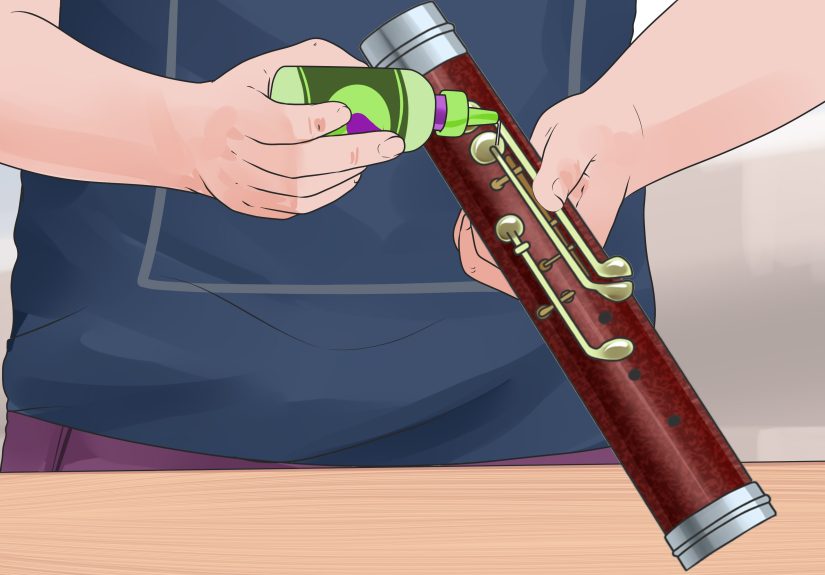
Handle joints gently. Use cork grease only where appropriate. Never twist the bocal carelessly. And if something feels wrong mechanically, do not try random heroics with a household screwdriver. Professional repair technicians exist for a reason.
Should You Take Lessons?
Yes, if you can. Bassoon is one of those instruments where a specialist teacher can save you months of frustration. Good instruction helps with embouchure, reeds, tone, posture, and technique before bad habits settle in and start paying rent.
That does not mean you cannot learn anything on your own. It does mean that feedback matters. Even a few targeted lessons can make a huge difference, especially early on when every habit forms fast.
What Beginners Usually Struggle With
- Response: Notes do not speak because the reed, embouchure, or air is off.
- Pitch: Flat low notes or sharp pinched notes often come from setup issues.
- Thumb confusion: Bassoon thumb technique takes time.
- Fatigue: Tension in the lips and hands builds quickly at first.
- Reed inconsistency: Two reeds can feel like two completely different instruments.
None of these problems mean you are bad at bassoon. They mostly mean you are playing bassoon.
What Progress Looks Like
At first, success might mean assembling the instrument without panic and producing a stable low note. Then it becomes reading bass clef more fluently, controlling articulation, learning half-hole and flicking, and shaping musical phrases instead of merely surviving them. Over time, the bassoon starts to feel less like a puzzle and more like a voice.
That is the point where the instrument becomes truly addictive. One day you realize you are not just “making it work.” You are making music.
of Real-World Experience With Learning the Bassoon
One of the most honest experiences of learning the bassoon is realizing how much of the journey is about problem-solving. On many beginner instruments, students can get a decent sound quickly and then spend time refining it. On bassoon, students often spend their early weeks asking larger questions: Is it me? Is it the reed? Is it the air? Is it the fingering? Is the instrument quietly judging me? The answer is usually a little bit of everything, minus the judgment, though the reed may disagree.
A common beginner experience is that the first good note feels almost accidental. You sit correctly, breathe deeply, set the reed just right, tongue cleanly, and suddenly the bassoon produces a warm, ringing note that sounds like an actual musician made it. That moment matters. It is proof that the instrument works, that you can work with it, and that the weird piece of folded wood in front of you is capable of making a beautiful sound.
Another common experience is learning how emotional reeds can feel. A reed that worked yesterday may feel stubborn today. Beginners often assume inconsistency means they are failing, but experienced players know that reeds are part art, part weather report, part mystery novel. Over time, students learn not to panic. They start testing, listening, adjusting, and switching reeds when necessary instead of blaming themselves for every rough attack or flat note.
Many bassoonists also talk about the strange pride that comes with choosing an instrument not everyone understands. In school ensembles, the bassoon is often the instrument classmates first notice because of its size, shape, and unusual sound. At first, that attention can feel awkward. Later, it becomes fun. There is something satisfying about playing the instrument everyone remembers, especially when you move from “the kid with the giant wooden thing” to “the person who nailed that low entrance.”
Students who switch from flute, clarinet, saxophone, or another instrument often experience a mix of familiarity and confusion. Reading music may already be comfortable, but the embouchure feels different, the air behaves differently, and the thumb keys seem designed by a committee that loved complexity. Even so, those students often progress quickly once they stop comparing the bassoon to their old instrument and start meeting it on its own terms.
One of the best experiences in bassoon study is discovering the instrument’s personality. It can be playful in one piece, lyrical in another, and thunderously rich in ensemble writing. Beginners may start because a band director suggested switching, but many stay because the sound becomes personal. The bassoon is not just an oddity in the back row. It becomes a musical identity.
Perhaps the most valuable experience is learning patience. Bassoon rarely rewards shortcuts, but it often rewards persistence. Students who stay curious, keep refining their setup, and show up consistently almost always improve. The progress may not be flashy every day, but it is real. And when a beginner eventually plays with beautiful tone, secure intonation, and confidence, the result feels earned in the best possible way.
Conclusion
Learning how to play the bassoon takes more than memorizing fingerings. It takes smart setup, careful assembly, balanced embouchure, strong but relaxed air support, steady practice, and a willingness to learn from the instrument instead of fighting it. The bassoon can be challenging, but that challenge is part of what makes it so satisfying. Once you begin to understand its mechanics and its personality, it stops feeling intimidating and starts feeling expressive.
If you stay patient, listen carefully, and build good habits early, the bassoon can become one of the most rewarding instruments you will ever play. It may even become your favorite conversation starter, which is a nice bonus for an instrument that already sounds this interesting.