Table of Contents >> Show >> Hide
- The Truth About Prevention: You Are Not Responsible for Someone Else’s Crime
- Learn the Early Warning Signs Before a Situation Escalates
- Build Everyday Safety Habits Without Shrinking Your Life
- Consent Is the Line, Not a Guessing Game
- Bystander Intervention Can Stop Harm Before It Starts
- Digital Safety Is Part of Sexual Assault Prevention Too
- Safer Campuses, Workplaces, and Communities Matter
- If Something Feels Wrong in the Moment
- If an Attempt or Assault Happens, Support Still Matters
- Experiences and Lessons People Often Share About This Topic
- Final Thoughts
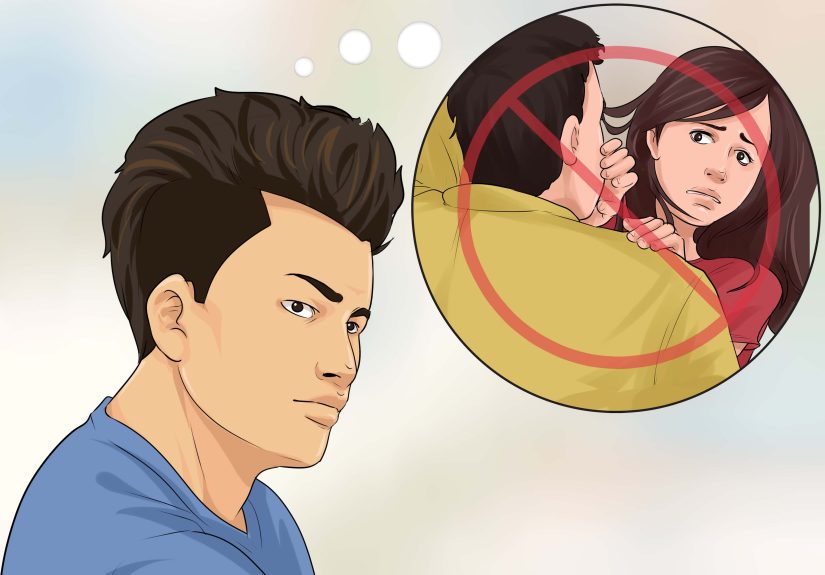
Let’s start with the most important sentence in this entire article: rape is never the victim’s fault. Ever. Not because of what someone wore, where they went, who they dated, or whether they were “too nice” to leave sooner. The only person responsible for sexual violence is the person who chooses to commit it.
So what does prevention really mean? It does not mean carrying the burden of someone else’s bad behavior on your shoulders like an overstuffed backpack. It means learning how to reduce risk, recognize warning signs early, build safer routines, strengthen boundaries, support friends, and create environments where abuse is harder to get away with. Real sexual assault prevention is personal, social, and structural all at once.
If you want the practical version, here it is: know what coercion looks like, trust discomfort sooner, use buddy systems when needed, make a plan for transportation, keep your phone available, practice clear consent language, intervene when something looks wrong, and ask for help without apologizing for it. Politeness is nice. Safety is nicer.
The Truth About Prevention: You Are Not Responsible for Someone Else’s Crime
The phrase “prevent a potential rape” can sound like safety depends entirely on the target. That framing is unfair. A better way to think about it is this: you can lower vulnerability and increase your options, but you cannot control another person’s choices.
That matters because a lot of dangerous situations begin with confusion, self-doubt, or social pressure. People often second-guess themselves with thoughts like, “Maybe I’m overreacting,” “I don’t want to be rude,” or “This is probably nothing.” But a strong safety mindset is not dramatic; it is practical. You do not need courtroom-level evidence to leave a room, refuse a drink, call a friend, or step closer to a group of people. Unease is enough.
Healthy prevention messaging does two things at once: it gives individuals tools, and it pushes communities to create safer cultures. That means better education about consent, stronger bystander habits, clear reporting options, safer campuses and workplaces, and accountability for abusive behavior.
Learn the Early Warning Signs Before a Situation Escalates
Most risky situations do not begin with a flashing sign that says danger ahead. They often begin with small, easy-to-explain-away behaviors that reveal entitlement, control, or disregard for boundaries.
Common red flags to take seriously
- Ignoring small boundaries, such as continuing to touch, pressure, or hover after you pull away.
- Moving too fast emotionally or physically and acting offended when you want to slow down.
- Using alcohol or drugs as a shortcut to access, compliance, or confusion.
- Isolating you from friends, your ride home, or other people nearby.
- Mocking, minimizing, or debating your “no,” “not now,” or “I’m uncomfortable.”
- Acting possessive, jealous, or entitled to your attention, body, or time.
- Pressuring you to go somewhere private when you already said you would rather not.
- Using guilt, pity, threats, or anger to push sexual activity.
- Checking your phone, location, or messages without permission.
- Insisting that your boundaries are “dramatic,” “mean,” or “not a big deal.”
One red flag may not tell the whole story, but patterns matter. If someone regularly treats your boundaries as obstacles instead of information, that is not chemistry. That is a warning.
Build Everyday Safety Habits Without Shrinking Your Life
Good safety habits are not about living in fear. They are about creating layers of protection so you have more choices if something feels off.
Practical habits that make a real difference
Make your own transportation plan. When possible, know how you are getting there and how you are getting home before you arrive. Relying on the person you just met for your ride back can create pressure you never signed up for.
Use check-ins with trusted people. A simple text like “Here,” “Leaving,” or “Home” can be surprisingly powerful. For dates, parties, concerts, work events, and late-night hangouts, let someone know where you are and when you expect to leave.
Stay connected to your essentials. Keep your phone charged, your route home clear, and your bag, keys, or payment method accessible. Safety gets harder when your basic tools are scattered across a room like confetti.
Watch for isolation. If someone keeps trying to separate you from your group, pushes you into a bedroom, car, stairwell, or empty area, or discourages you from texting friends, that is useful information. Treat it as such.
Be careful with intoxication environments. This is not about blame. It is about understanding that impaired judgment can reduce your options and make coercive people bolder. Keep an eye on your drink, avoid accepting open beverages from strangers, and stay with people you trust.
Practice leaving early. You do not need a perfect exit line. “I’m heading out,” “I’m not comfortable,” and “No, thanks” are full sentences. The goal is not to win a debate; it is to leave safely.
Consent Is the Line, Not a Guessing Game
One of the strongest forms of prevention is understanding consent clearly and expecting others to understand it too. Consent is active, specific, ongoing, and freely given. It is not silence, pressure, guilt, manipulation, or a failure to resist. It can be withdrawn at any time.
That means someone can say yes to kissing and no to anything else. Someone can change their mind. Someone who is asleep, severely impaired, scared, pressured, or too overwhelmed to respond is not giving meaningful consent.
It also means you do not owe anyone sexual access because they paid for dinner, drove you somewhere, complimented you, bought you gifts, or are already your partner. Relationships do not cancel boundaries. Dates do not cancel boundaries. Prior consent does not equal future consent.
Language that helps protect you
- “No.”
- “I’m not doing that.”
- “Stop.”
- “I want to leave.”
- “I said no.”
- “Back up.”
- “Call me a ride.”
If someone reacts to your boundary with anger, insults, guilt, or persistence, that reaction is not a misunderstanding. It is information.
Bystander Intervention Can Stop Harm Before It Starts
Prevention is not a solo sport. Friends, classmates, coworkers, teammates, bartenders, neighbors, and strangers all have a role in making unsafe behavior harder to continue. Bystander intervention works best when people stop focusing on whether they are “overreacting” and start focusing on whether someone might need support.
What bystanders can do
Interrupt. Walk up and start a normal conversation. Ask for the time. Spill some social awkwardness on purpose. Awkward is cheaper than harm.
Distract. Pull a friend into the bathroom, to the dance floor, outside for air, or to help with an imaginary errand. The goal is to create distance.
Delegate. Get a roommate, host, security staff member, manager, RA, teacher, coach, bartender, or friend. You do not have to handle everything alone.
Check in. Ask simple questions: “Are you okay?” “Do you want to stay?” “Want me to walk out with you?” “Need help leaving?”
Stay nearby. If a situation feels wrong, don’t disappear and hope the universe handles it. Remain visible, stay close, and keep the person connected to other people.
The best bystanders are not superheroes. They are ordinary people who decide not to ignore obvious discomfort.
Digital Safety Is Part of Sexual Assault Prevention Too
Today, risk does not only show up in person. It also shows up in DMs, disappearing messages, fake urgency, location sharing, pressure for images, and threats built on screenshots or embarrassment.
Ways to stay safer online
- Do not share live location casually with people you do not deeply trust.
- Be cautious about meeting someone from online alone, especially in a private place.
- Tell a trusted person if someone is pressuring you for sexual content or using threats.
- Use privacy settings, block features, and reporting tools quickly, not “later.”
- Be wary of adults or peers who push secrecy, urgency, or isolation.
- Save concerning messages if you may need support, documentation, or reporting later.
Online coercion is still coercion. “It’s just texting” is not a magic spell that makes manipulation harmless.
Safer Campuses, Workplaces, and Communities Matter
Individual habits help, but environments matter just as much. Schools, employers, sports programs, and community organizations should not treat sexual violence prevention as a poster on a wall and a once-a-year lecture nobody remembers.
What stronger prevention looks like
- Regular education about consent, coercion, and healthy relationships.
- Clear bystander training that gives people real scripts and actions.
- Confidential support services and easy-to-understand reporting options.
- Lighting, transportation, staffing, and event planning that reduce isolation risk.
- Trauma-informed responses from administrators, security, managers, and supervisors.
- Consequences for harassment, stalking, and coercive behavior before situations escalate.
Strong systems do not just react after harm. They create cultures where disrespect is challenged early and support is easy to find.
If Something Feels Wrong in the Moment
When your gut says, “Nope,” respond early. You do not need to gather more data like a detective in a crime show.
- Move toward other people.
- Call or text a trusted person.
- Ask staff, security, or a nearby adult for help.
- Leave the location, even if it feels abrupt.
- Make noise if you need attention.
- Call emergency services if you are in immediate danger.
Safety is allowed to be inconvenient. You are allowed to “make it a thing.” You are allowed to leave someone confused, annoyed, or offended if that is what keeps you safer.
If an Attempt or Assault Happens, Support Still Matters
If the worst happens, the first priority is getting to a safe place and contacting someone trustworthy. Medical care, advocacy services, campus support, local sexual assault centers, and crisis hotlines can help you understand your options. Reporting is your choice in many situations, and getting support does not require having every detail figured out immediately.
Whether someone seeks medical attention, tells a friend, contacts a hotline, talks to a counselor, or simply says, “Something happened and I need help,” the right response is belief, support, and respect. Not interrogation. Not blame. Not a courtroom speech from your cousin who watched two crime documentaries and suddenly feels qualified.
Experiences and Lessons People Often Share About This Topic
The experiences below are composite examples based on common situations discussed by advocates, educators, and support organizations. They are included to make the article more practical and relatable.
1. The party that looked normal until it didn’t. One college student said the biggest lesson she learned was that danger did not arrive with dramatic music in the background. It started when a guy kept steering her away from her friends and acting annoyed every time she stopped to talk to someone else. She noticed he wanted privacy far more than connection. When she finally texted her roommate and left with her group, she later said the most useful skill was not bravery. It was recognizing that repeated isolation was a warning sign, not a compliment.
2. The date that turned into a debate. Another person described a date where the problem was not loud aggression at first. It was constant negotiation. Every boundary became a discussion: one more drink, one more stop, one more minute, one more reason why “you can trust me.” She realized that respectful people do not treat boundaries like customer service complaints they can escalate. Her lesson was simple and powerful: the moment “no” becomes a debate, the date is over.
3. The friend who stepped in at exactly the right time. A young man shared that he once noticed his friend looked uncomfortable at a concert but kept smiling because she did not want to be rude. He walked over, said their ride was leaving, and stayed with her until they got outside. Later she told him she had been trying to think of how to exit without causing a scene. His takeaway was that bystander help does not need to be dramatic. Sometimes prevention looks like a calm interruption and a believable excuse.
4. The online pressure that felt “not serious” until it was. A teenager described someone she met online who quickly moved from flirting to pushing for secrecy, private photos, and location details. At first she told herself it was only awkward messaging. Then the pressure escalated. She finally showed the conversation to a trusted adult, blocked the account, and reported it. What stayed with her was this: digital pressure can feel less urgent than in-person pressure, but it can become dangerous fast. Telling someone early gave her options.
5. The workplace mentor who crossed lines slowly. One young employee said the unsettling part was how ordinary it all looked from the outside. The person started with “special treatment,” extra texts, and comments that were easy to dismiss one at a time. Over time, the pattern became clearer: isolation, pressure, and misuse of authority. She documented what was happening, spoke to someone she trusted, and asked for changes that reduced one-on-one contact. Her biggest lesson was that power imbalances matter. If someone has influence over your schedule, reputation, grades, or opportunities, boundaries should get stronger, not blurrier.
Across these stories, the pattern is consistent. People often stay safer not because they predicted everything perfectly, but because they responded earlier than they used to. They trusted discomfort, noticed coercion, involved other people, and stopped worrying so much about seeming impolite.
Final Thoughts
No article, app, checklist, or self-defense keychain can guarantee that another person will not do something wrong. But knowledge changes outcomes. The more clearly people understand consent, coercion, warning signs, and bystander action, the harder it becomes for predators to rely on confusion, silence, and isolation.
If you remember only a few things, remember these: your boundaries do not need a defense attorney, discomfort is enough reason to leave, respectful people do not pressure you, friends can interrupt and help, and communities have a responsibility to make safety real. Prevention works best when it is shared.