Table of Contents >> Show >> Hide
- Why Fire Extinguishers Need Special Recycling
- How to Recycle a Fire Extinguisher: 13 Steps
- 1. Check the Pressure Gauge
- 2. Read the Label Carefully
- 3. Decide Whether It Can Be Recharged
- 4. Do Not Puncture, Cut, Crush, or Drill the Cylinder
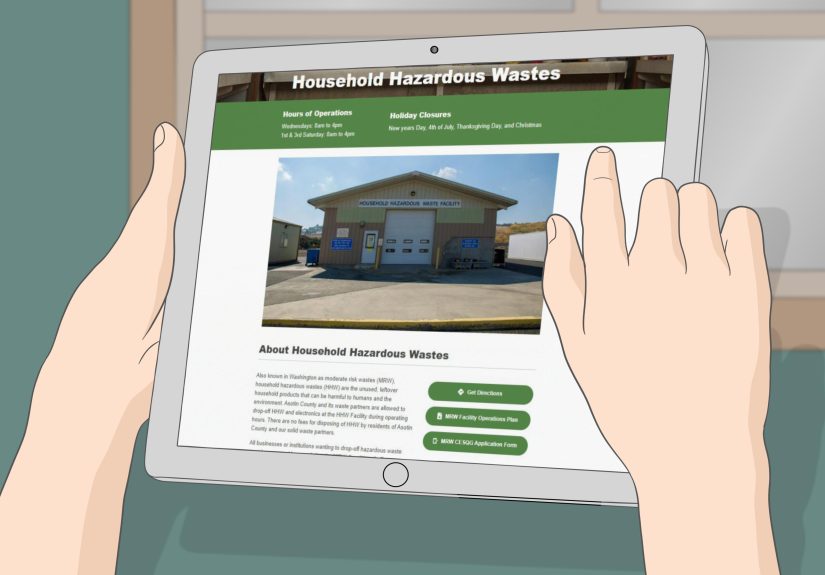
- 5. Call Your Local Household Hazardous Waste Program
- 6. Contact a Certified Fire Equipment Company
- 7. Ask Whether the Extinguisher Must Be Emptied First
- 8. Use the PASS Method Only When Appropriate
- 9. Let the Extinguisher Sit After Discharging
- 10. Remove the Head Only If Local Rules Allow It
- 11. Recycle the Metal Cylinder Where Accepted
- 12. Handle Halon and Older Specialty Extinguishers Separately
- 13. Replace It With the Right New Extinguisher
- Common Mistakes to Avoid
- Can You Throw Away an Empty Fire Extinguisher?
- When Should You Replace a Fire Extinguisher?
- Real-Life Experience: What Recycling a Fire Extinguisher Actually Feels Like
- Final Thoughts
That old fire extinguisher in your garage has been quietly judging your storage habits for years. Maybe the pressure gauge is in the red. Maybe it expired sometime around the era of flip phones. Or maybe you used it once, saved the day, and then shoved it under the sink like a tiny red hero who deserved better. Whatever the backstory, one thing is clear: learning how to recycle a fire extinguisher is not as simple as tossing it into the blue bin and hoping the recycling gods understand.
Fire extinguishers are pressurized containers, and many contain dry chemical powder, carbon dioxide, foam, water, or older specialty agents. Because of that pressure and the materials inside, disposal rules vary by location. Some cities tell residents to bring full units to household hazardous waste collection. Others recommend a certified fire equipment company. Empty units may be accepted as scrap metal in some areas, while other programs say they belong in the trash. Yes, the rules can feel like they were written by a committee of raccoons with clipboards.
This guide breaks the process into 13 practical steps so you can safely dispose of, recharge, or recycle an old fire extinguisher without creating a surprise rocket, a powdery garage blizzard, or a very annoyed sanitation worker.
Why Fire Extinguishers Need Special Recycling
A fire extinguisher is not just a metal bottle. It is a pressure vessel designed to release an extinguishing agent quickly during an emergency. That pressure is helpful during a fire, but it becomes a hazard during waste collection, compaction, transport, or metal recycling if the cylinder has not been handled properly.
Many common home extinguishers are ABC dry chemical models. These typically contain a fine powder used on ordinary combustibles, flammable liquids, and energized electrical equipment. Other extinguishers may contain carbon dioxide, water, wet chemical agents, foam, or older halon-type agents. Each type has different disposal concerns. The safest recycling path depends on whether the extinguisher is full, partially discharged, completely empty, rechargeable, disposable, damaged, or unusually old.
The short rule is this: never place a full or partly full fire extinguisher in regular curbside recycling. Call your local household hazardous waste program, fire equipment service company, or municipal waste department first. A few minutes of checking can prevent injury, contamination, and fines.
How to Recycle a Fire Extinguisher: 13 Steps
1. Check the Pressure Gauge
Start with the pressure gauge. Most home fire extinguishers have a dial with a green zone and red zones. If the needle is in the green, the unit may still be pressurized and potentially usable. If it is in the red, it may be undercharged or overcharged. Either way, do not assume it is safe to recycle yet.
A pressurized extinguisher should be treated with care, even if it looks old, dusty, or empty. Pressure can remain inside the cylinder after partial use. That hidden pressure is the main reason fire extinguishers are rejected from many recycling carts.
2. Read the Label Carefully
The label tells you what kind of extinguisher you have. Look for markings such as ABC, BC, CO2, water, wet chemical, clean agent, or halon. Also look for words such as “rechargeable,” “disposable,” “non-refillable,” or “single use.”
This step matters because a rechargeable extinguisher may be serviced and reused instead of recycled. A disposable extinguisher usually cannot be refilled. Older halon extinguishers should be handled by specialists because halon agents require proper recovery and should not be released into the atmosphere.
3. Decide Whether It Can Be Recharged
If your extinguisher is labeled rechargeable and the cylinder is not damaged, recycling may not be your best first move. A certified fire equipment company may be able to inspect, refill, and pressurize it again. That is often better for your wallet and the environment.
Rechargeable extinguishers should be refilled after any use, even if you only sprayed for a second. Think of it like taking one bite from a sandwich during a bear encounter. Technically, some sandwich remains, but would you trust it for the next emergency? Probably not.
4. Do Not Puncture, Cut, Crush, or Drill the Cylinder
Never attempt to puncture or cut open a fire extinguisher at home. Do not drill the cylinder to “prove” it is empty. Do not crush it with tools. Do not throw it in a fire. These choices belong in the Hall of Fame for Bad Ideas.
Even a small extinguisher can become dangerous if pressure is released suddenly. Scrap yards and recycling centers often require the head or valve to be removed before accepting the metal cylinder, but that should only happen after the unit is fully depressurized and handled according to local rules.
5. Call Your Local Household Hazardous Waste Program
For a full or partially full fire extinguisher, your local household hazardous waste program is usually the safest starting point. Search your city or county website for “fire extinguisher disposal,” “household hazardous waste,” or “special waste drop-off.”
Rules vary widely. Some programs accept full units at hazardous waste sites. Some accept only certain sizes. Some limit the number of cylinders per trip. Some require special events. Others direct residents to certified fire extinguisher retailers or service companies. Because local rules can differ even between neighboring counties, do not rely on a random national answer and hope it applies to your driveway.
6. Contact a Certified Fire Equipment Company
Fire extinguisher service companies are often the most practical solution. They inspect, recharge, maintain, and dispose of extinguishers for homes, businesses, schools, restaurants, warehouses, and apartment buildings. Many can tell you quickly whether your unit is refillable, obsolete, damaged, or recyclable.
This option is especially helpful for business owners. Commercial fire extinguisher disposal may involve additional rules, documentation, or waste limits. A service company can help prevent the classic small-business mistake: trying to save ten dollars and accidentally creating a compliance headache wearing steel-toed boots.
7. Ask Whether the Extinguisher Must Be Emptied First
Some local programs require residents to bring the extinguisher as-is. Others may ask that an empty dry chemical extinguisher be fully discharged before disposal or recycling. Never discharge an extinguisher indoors just to empty it. Dry chemical powder spreads quickly, irritates eyes and lungs, coats surfaces, and somehow finds corners of the room that physics promised were unreachable.
If a local authority instructs you to discharge a small dry chemical extinguisher, do it outdoors in a safe, open area away from people, pets, vehicles, drains, gardens, and anything you do not want covered in powder. Wear eye protection and a dust mask if powder exposure is possible. If you are unsure, skip the DIY approach and use a professional service.
8. Use the PASS Method Only When Appropriate
The PASS method stands for Pull, Aim, Squeeze, and Sweep. It is commonly taught for using a fire extinguisher on a small fire. If you are instructed to discharge an extinguisher for disposal, the same basic operating pattern may apply: pull the pin, aim the nozzle safely, squeeze the handle, and sweep until the unit is empty.
However, remember that using a fire extinguisher for fire safety is different from emptying one for disposal. In a real fire, only use an extinguisher if the fire is small, you have a clear exit, the correct extinguisher type is available, and you have already alerted others or called emergency services when needed. Your safety matters more than saving a toaster.
9. Let the Extinguisher Sit After Discharging
After a dry chemical extinguisher has been discharged, let it sit for a while in a safe place. Then check the gauge again. Some pressure may remain. Squeeze the handle briefly outdoors to confirm that nothing more comes out. Do not put your face near the nozzle. This is not the time to recreate a science fair volcano.
If the extinguisher still seems pressurized, stop and contact a professional. A partly pressurized cylinder should not go into curbside recycling or trash unless your local waste authority specifically says it is acceptable.
10. Remove the Head Only If Local Rules Allow It
Some recycling facilities require the valve head to be removed from an empty extinguisher before accepting the metal cylinder. This shows workers that the container is depressurized. But do not remove the head from a pressurized or unknown unit.
If the extinguisher is truly empty and local instructions say to remove the head, use basic hand protection and follow the facility’s directions. If the valve is stuck, rusted, or difficult to remove, do not fight it like a medieval knight. Bring the unit to a professional or hazardous waste site.
11. Recycle the Metal Cylinder Where Accepted
Once the extinguisher is completely empty, depressurized, and prepared according to local instructions, the metal cylinder may be accepted by a scrap metal recycler or municipal recycling facility. Steel and aluminum cylinders can often be recovered as scrap metal, but acceptance policies vary.
Do not assume your curbside recycling bin accepts fire extinguishers. Many curbside programs reject pressurized containers because they can explode in trucks or processing equipment. Always confirm first. The phrase “I thought it was fine” has never been a strong defense when a recycling facility calls.
12. Handle Halon and Older Specialty Extinguishers Separately
If your extinguisher is labeled Halon 1211, Halon 1301, or another older clean agent, do not discharge it for disposal. Halon agents are ozone-depleting substances and should be recovered or recycled through qualified facilities, fire equipment dealers, manufacturers, or specialty recyclers.
Very old extinguishers may also contain outdated or problematic chemicals. If a unit looks antique, has no readable label, has heavy corrosion, or came from an old commercial building, treat it as a professional-disposal item. In other words, if it looks like it could have fought a fire during the disco era, call an expert.
13. Replace It With the Right New Extinguisher
Recycling the old extinguisher is only half the job. Replace it with the right type for your home, garage, vehicle, workshop, or business. For many homes, a multipurpose ABC extinguisher is a practical choice because it covers common ordinary combustibles, flammable liquids, and electrical equipment. Kitchens may need special consideration because cooking fires behave differently, especially grease fires.
Mount the new extinguisher where it is visible and easy to reach. Check the gauge monthly. Make sure everyone in the household knows where it is and understands that extinguishers are for small, manageable fires only. If a fire is spreading, smoke is building, or you do not have a clear exit, leave immediately and call 911.
Common Mistakes to Avoid
Putting a Full Extinguisher in the Recycling Bin
This is the big one. A full or partly full extinguisher can be dangerous in recycling equipment. Even if the outside is metal, the pressure and contents make it unsuitable for normal curbside recycling.
Discharging Powder Indoors
Dry chemical powder is messy and irritating. It can damage electronics, settle into carpets, and create a cleanup project that makes you question your life choices. Empty only outdoors if instructed, and only when it is safe to do so.
Assuming Fire Departments Always Accept Old Extinguishers
Some fire departments may offer advice, but many do not accept old extinguishers for disposal. Call first. Showing up with three rusty cylinders and a hopeful smile may not work.
Forgetting About Business Rules
Household disposal guidance may not apply to businesses. Restaurants, offices, landlords, schools, and workshops may need certified service, documentation, or special waste handling. When in doubt, use a licensed fire protection company.
Can You Throw Away an Empty Fire Extinguisher?
Sometimes, yesbut only if your local waste program allows it and the extinguisher is completely empty and depressurized. Some municipalities say empty extinguishers can go in the trash. Others direct residents to scrap metal recycling. Some prohibit them from both trash and recycling unless prepared in a specific way.
The safest answer is local, not universal. Check your city or county’s waste instructions before putting an extinguisher on the curb. Local rules may depend on size, contents, pressure, container condition, and whether you are a resident or business.
When Should You Replace a Fire Extinguisher?
Replace or service a fire extinguisher when the gauge is outside the green zone, the hose is cracked, the pin or seal is missing, the handle is damaged, the cylinder is rusty or dented, the inspection tag is outdated, or the unit has been discharged. Disposable extinguishers should be replaced according to the manufacturer’s instructions, especially when the gauge shows low pressure or the unit has been used.
Rechargeable extinguishers can last longer if properly inspected and serviced. But even a rechargeable model may be retired if it fails inspection, has corrosion, or cannot pass required testing. The goal is simple: when a fire starts, you want a tool you can trust, not a decorative red cylinder with commitment issues.
Real-Life Experience: What Recycling a Fire Extinguisher Actually Feels Like
Recycling a fire extinguisher sounds like a five-minute chore until you actually try it. The first surprise is usually how many different answers you find. One city says to bring it to a hazardous waste event. Another says to contact a certified fire extinguisher company. A recycling center might say, “Only if it is empty and the head is removed.” A scrap yard might say, “Maybe, but not today.” Suddenly, your simple errand has become a tiny detective story with a red metal suspect.
The most useful habit is to slow down and identify the extinguisher before making calls. When you can tell the waste department, “It is a five-pound ABC dry chemical extinguisher, the gauge is in the red, and it appears to be disposable,” you get better answers. If you only say, “I have a fire thingy,” the conversation gets longer. Specific details help people route you to the right option.
Another practical lesson is that professionals are often worth calling. A local fire protection company can usually tell within moments whether a unit is rechargeable or disposable. They may accept old units for a fee, direct you to a partner recycler, or recommend a hazardous waste drop-off. Even when they do not take it, they often know who does. These companies handle extinguishers every day, while most homeowners handle them once every decade, usually while cleaning the garage and muttering, “Where did this even come from?”
Transport also matters. Keep the extinguisher upright in your vehicle if possible. Do not leave it rolling around in the trunk like a bowling pin with pressure issues. Place it in a box, wedge it securely, and keep the nozzle pointed away from people. If the unit is rusty, leaking, or severely damaged, do not transport it until you have called for guidance. A questionable cylinder deserves caution, not optimism.
If you are emptying a small dry chemical extinguisher because your local program instructs you to do so, choose the location carefully. A calm outdoor area is best. Avoid windy days unless you enjoy wearing a cloud of pale yellow regret. Keep children and pets away. Do not spray near storm drains, gardens, cars, outdoor furniture, or open windows. Afterward, expect cleanup. Even a small extinguisher can release more powder than you think. It is impressive in the same way glitter is impressive: suddenly everywhere, impossible to fully explain.
One more experience-based tip: replace the extinguisher before you forget. After disposing of the old one, buy the right new model and mount it immediately. Many people remove an expired extinguisher, plan to replace it “this weekend,” and then discover the empty bracket three years later. Fire safety works best when it is boring, visible, and ready. A properly mounted extinguisher is not exciting, but neither are seat belts, smoke alarms, or flossingand all of them become very important at exactly the wrong moment.
The bigger takeaway is that fire extinguisher recycling is really about safe handling. The metal cylinder may be recyclable, but only after the pressure and contents are dealt with correctly. Once you understand that, the process becomes less mysterious: identify it, check pressure, ask local experts, use hazardous waste or certified service when needed, recycle only when accepted, and replace the unit with one you can depend on.
Final Thoughts
Recycling a fire extinguisher is not difficult, but it does require the right sequence. Identify the type, check the pressure, determine whether it is rechargeable, contact local disposal resources, and never place a full or partially full extinguisher in curbside recycling. If the unit is old, damaged, halon-based, or mysterious, let a certified professional handle it.
A fire extinguisher spends most of its life waiting quietly. When it is time to retire it, give it the same respect you would give any safety device: handle it carefully, follow local rules, and replace it with a reliable new one. Your garage, your recycling workers, and your future self will all appreciate the effort.