Table of Contents >> Show >> Hide
- Quick Rule: Pick Your Wax-Fighting Strategy
- Before You Start: The 60-Second Prep That Saves Your Sanity
- The Universal 4-Step Method (Works on Most Surfaces)
- How to Remove Candle Wax from Fabric (Clothes, Table Linens, Curtains)
- How to Remove Candle Wax from Carpet and Area Rugs
- How to Remove Candle Wax from Upholstery (Couches, Chairs, Car Seats)
- How to Remove Candle Wax from Wood (Furniture, Hardwood Floors)
- How to Remove Candle Wax from Painted Walls, Baseboards, and Doors
- How to Remove Candle Wax from Wallpaper
- How to Remove Candle Wax from Glass, Mirrors, and Ceramics
- How to Remove Candle Wax from Metal (Candle Holders, Stainless Steel, Hardware)
- How to Remove Candle Wax from Plastic, Laminate, and Acrylic
- How to Remove Candle Wax from Stone (Granite, Marble) and Quartz Countertops
- How to Remove Candle Wax from Tile and Grout
- How to Remove Candle Wax from Concrete
- How to Remove Candle Wax from Leather and Suede
- How to Remove Wax from Candle Jars (So You Can Reuse Them)
- Common Mistakes (A.K.A. How Wax Becomes a Bigger Problem)
- FAQ: Candle Wax Removal Questions People Google at 2 A.M.
- Real-Life Experiences (Because Wax Never Spills on a Tuesday Afternoon When You’re Free)
- Conclusion
Candlelight: romantic, cozy, “I totally have my life together.” Candle wax: chaotic, sticky, and somehow always
lands on the one thing you can’t toss in the washing machine.
The good news? Candle wax removal is mostly the same playbook with different costumes: harden it,
lift it, absorb what’s left, then clean the oily residue. The
trick is matching the method to the surface so you don’t turn a tiny drip into a lifelong reminder.
Quick Rule: Pick Your Wax-Fighting Strategy
Use COLD when the surface can scratch easily or has fibers (carpet, fabric, upholstery). Cold makes wax brittle so it pops off.
Use HEAT when wax is thin or stuck on a hard surface (glass, metal, sealed wood, tile). Heat softens wax so you can blot or wipe it up.
Use BOTH when wax is thick, textured, or dyed (most real-life wax situations). Cold to remove bulk, heat to pull out leftovers.
Before You Start: The 60-Second Prep That Saves Your Sanity
Let it cool (yes, really)
Don’t smear warm wax. If it’s still soft, let it hardenor speed it up with an ice pack in a plastic bag.
Warm wax spreads into fibers and pores like it’s applying for a scholarship.
Gather your “wax kit”
- Ice pack or bag of ice (in a leak-proof bag)
- Plastic scraper/old credit card (skip metal on delicate finishes)
- White paper towels or plain brown paper (unprinted)
- Clean white cloths (color-safe, so dye doesn’t transfer)
- Hair dryer (gentler than heat gun for most homes)
- Iron (optional, but excellent for fabric/carpet with a barrier)
- Dish soap + warm water (for oily residue)
- Rubbing alcohol (great for many residuesspot test first)
Spot test anything “chemical”
If you’re using rubbing alcohol, adhesive remover, or acetone-based products, test in a hidden area first.
Ventilate the room, keep products away from flames, and ask an adult for help if you’re younger or unsure.
The Universal 4-Step Method (Works on Most Surfaces)
- Harden: Ice the wax for 5–10 minutes if needed.
- Lift: Gently scrape or pop off chunks with a plastic edge.
- Pull leftovers: Use low heat + absorbent paper/cloth to wick wax up and out.
- Degrease: Clean the oily film with dish soap solution or a surface-safe cleaner.
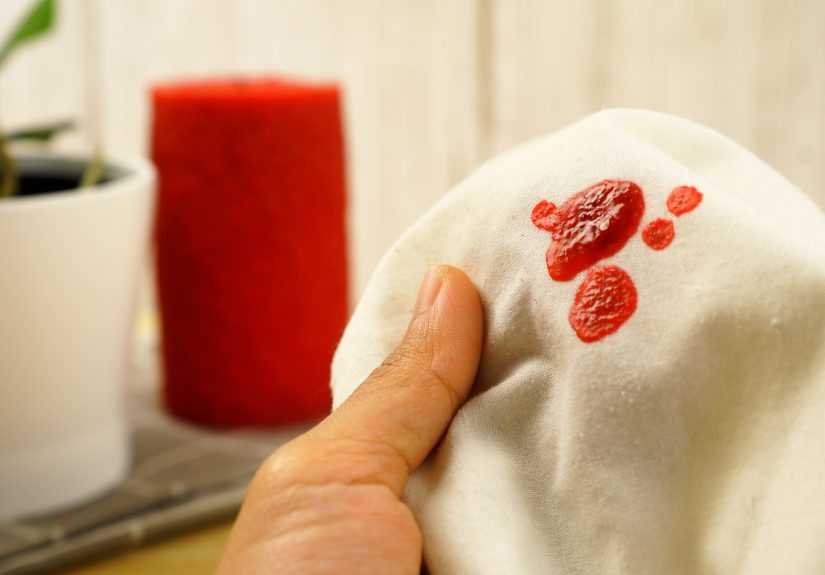
How to Remove Candle Wax from Fabric (Clothes, Table Linens, Curtains)
Best method: Freeze + scrape + iron-blot
- Harden: Put the item in the freezer for 30–60 minutes (or use ice on the spot).
- Scrape: Crack off what you can with a spoon edge or fingernail. Don’t yank fibers.
- Sandwich and press: Place the wax spot between two layers of white paper towels (or brown paper). Use an iron on low, no steam.
- Rotate and repeat: Move to clean paper as it absorbs wax. Keep going until the paper stops turning translucent.
- Wash: Launder using the warmest water safe for the fabric. Air-dry first to confirm the stain is gone.
If the candle was colored (dye stain left behind)
Wax is one problem; dye is a bonus boss. After wax removal, treat the area with a laundry stain remover.
For stubborn discoloration, a small amount of rubbing alcohol or a cleaner recommended for fabrics may helpagain, spot test.
What NOT to do
- Don’t scrape aggressively on delicate fabrics like silk.
- Don’t blast high heat on synthetics (polyester can melt or shine).
- Don’t tumble-dry until you’re sure the stain is gone.
How to Remove Candle Wax from Carpet and Area Rugs
Best method: Freeze + scrape + iron-blot + spot clean
- Freeze: Press an ice pack (bagged) onto the wax until hard and brittle.
- Scrape & vacuum: Lift chunks with a plastic scraper. Vacuum up crumbs.
- Blot with heat: Place a white cloth or paper towels over the spot. Use an iron on low (especially on synthetic carpet) or a hair dryer to gently warm. The wax should transfer into the cloth/paper.
- Spot clean: If there’s an oily shadow, use a small amount of carpet cleaner or a mild dish soap solution. Blotdon’t scrub like you’re mad at it.
- Rinse and fluff: Dab with clean water, blot dry, and lift fibers with a spoon edge once dry.
Carpet panic checklist
- If you see smoke, your iron is too hot. Congratulations: you are now “making a candle.” Lower heat immediately.
- Always keep a cloth between iron and carpet. Direct iron-on-carpet is a villain origin story.
How to Remove Candle Wax from Upholstery (Couches, Chairs, Car Seats)
Best method: Ice + scrape + gentle heat-blot
- Ice it: Harden wax with an ice pack for 5–10 minutes.
- Lift carefully: Use a plastic card to pop wax off. Avoid digging into fabric.
- Wick out residue: Put paper towels on top and use a hair dryer on medium, holding it several inches away. Blot as wax melts.
- Clean the film: Use upholstery-safe cleaner or a tiny amount of dish soap solution. Blot dry.
For “special” fabrics (velvet, antique upholstery, anything labeled “dry clean only”), consider a professional cleaner if the spill is large.
How to Remove Candle Wax from Wood (Furniture, Hardwood Floors)
Sealed/finished wood: Cold first, heat second
- Harden: Ice the wax briefly so it pops off in bigger pieces.
- Pop off: Use a plastic card held nearly flat. No metal toolsgouges are forever.
- Soften leftovers: Use a hair dryer on low/medium and wipe immediately with a soft cloth as wax loosens.
- Degrease: Wipe with a barely damp cloth + a drop of dish soap, then dry.
- Restore: Buff with a clean microfiber cloth. If the finish looks dull, use a wood polish appropriate for your finish (optional).
Unfinished/raw wood: Avoid pushing wax into pores
Unfinished wood is thirstier than a houseplant you forgot existed. Start with cold removal. If wax soaked in, you may need gentle cleaning and very light sandingtest in an inconspicuous area first.
How to Remove Candle Wax from Painted Walls, Baseboards, and Doors
Best method: Gentle heat + lift
- Soften: Use a hair dryer on medium, held several inches away, until wax looks pliable.
- Lift: Slide a plastic scraper under the wax. Don’t use metal (it can chip paint).
- Remove residue: Wipe with a cloth dampened with warm water + a tiny drop of dish soap. Dry immediately.
If the wall is matte paint, be extra gentlematte finishes can “shine” if scrubbed. Patience is cheaper than repainting.
How to Remove Candle Wax from Wallpaper
Wallpaper is basically a “do not anger” surface. Try cold first: harden and gently lift wax with a plastic card. If residue remains, use minimal heat from a hair dryer and blot lightly with paper towels. Avoid soakingwater can loosen paste and cause bubbling.
How to Remove Candle Wax from Glass, Mirrors, and Ceramics
Best method: Pop + polish
- Chill or warm: Either method works. For thick wax, chill and pop off. For thin wax, warm with a hair dryer and wipe.
- Scrape safely: Use a plastic scraper. For glass only, a razor scraper can work, but it’s easy to scratchgo slow and keep it flat.
- Clean: Finish with glass cleaner or warm soapy water, then buff dry.
How to Remove Candle Wax from Metal (Candle Holders, Stainless Steel, Hardware)
Best method: Heat + wipe
Warm the wax with a hair dryer and wipe with paper towels. Then wash with dish soap and warm water. If it’s a candle holder you can move, the freezer trick also works beautifully: wax shrinks and releases so you can pop it out.
How to Remove Candle Wax from Plastic, Laminate, and Acrylic
Skip high heatsome plastics warp. Use ice to harden wax, then lift with a plastic card. If residue remains, use warm (not hot) soapy water. For sticky film, a small amount of rubbing alcohol can help, but spot test to avoid clouding.
How to Remove Candle Wax from Stone (Granite, Marble) and Quartz Countertops
Best method: Cold lift + stone-safe cleaning
- Harden: Ice the wax and gently lift with a plastic scraper.
- Warm carefully (optional): If a thin film remains, use mild warmth (hair dryer) and blotavoid overheating.
- Clean: Use a pH-neutral stone cleaner (avoid acids like vinegar on marble and many natural stones).
When wax “stains” porous stone
If wax penetrates marble or other porous stone, a poultice (a paste designed to draw residue out of pores) may be needed. For valuable stone or large stains, consider a stone-care professional.
How to Remove Candle Wax from Tile and Grout
Pop wax off with a plastic scraper after chilling. Then clean with warm soapy water. If grout looks oily, use a gentle brush with a mild degreaser appropriate for tile (avoid harsh acids on natural stone tile).
How to Remove Candle Wax from Concrete
Concrete is tough but porous. Scrape off hardened wax first. Then apply gentle heat and blot with paper towels. Follow with a degreasing cleaner suitable for concrete. If wax soaked in deeply, repeated treatments may be needed.
How to Remove Candle Wax from Leather and Suede
Leather: Cold lift + gentle heat-blot + condition
- Harden: Ice the wax in a bag so it becomes brittle.
- Lift: Carefully remove chunks with a plastic edge (no sharp tools).
- Blot with mild heat: Use a hair dryer on low, and blot with white paper towels as wax softens.
- Condition: Once clean and dry, apply a leather conditioner to restore suppleness.
Suede: Be extra cautious
Suede hates moisture and aggressive rubbing. Remove wax with cold and very gentle scraping, then consider a suede brush. If the stain is noticeable, professional cleaning is often the safest route.
How to Remove Wax from Candle Jars (So You Can Reuse Them)
Best methods: Freezer, hot water, or controlled heat
- Freezer: Freeze the jar, then flip and tap/pop wax out.
- Boiling water: Pour hot water into the jar (protect surfaces). Wax melts, floats, then hardens on top for easy removal.
- Hair dryer: Warm the sides and wipe out wax with paper towels.
Important: Don’t pour melted wax down the drain. It can solidify in pipes and create a plumbing mystery you did not ask for.
Common Mistakes (A.K.A. How Wax Becomes a Bigger Problem)
- Scraping with metal on wood or paint: hello, scratches.
- High heat on synthetics: hello, melted fibers and shiny scorch marks.
- Scrubbing dyed wax deeper into fabric: hello, permanent tint.
- Using vinegar on marble: hello, etching.
- Skipping the residue step: the wax is gone but the oily shadow remains, haunting you politely.
FAQ: Candle Wax Removal Questions People Google at 2 A.M.
Does vinegar remove candle wax?
Vinegar can help with some residues on certain surfaces, but it’s not universally safeespecially for natural stone like marble.
For most situations, dish soap and warm water are a safer first step.
Can I use Goo Gone or nail polish remover?
Sometimes, yesparticularly for stubborn residue or dye. But these can discolor fabrics, soften finishes, or damage plastics.
Always spot test and ventilate, and keep solvents away from heat and flame.
What if the wax is glittery or heavily dyed?
Treat it like a two-part problem: remove wax first (cold/heat), then tackle the dye or shimmer residue with a stain remover
or surface-safe cleaner. Expect a second roundglitter never truly leaves; it simply relocates.
Real-Life Experiences (Because Wax Never Spills on a Tuesday Afternoon When You’re Free)
I’ve learned that candle wax has an uncanny sense of timing. It doesn’t spill when you’re in “productive cleaning mode.”
It spills when you’re hosting, wearing nice clothes, and trying to look like someone who owns matching towels.
The first time I dealt with a wax mess, I made the classic mistake: I panicked and wiped at it while it was still warm.
The result was a larger, shinier, more determined stainlike the wax had filed paperwork and moved in permanently.
The second time was a holiday dinner situation. Someone bumped a taper candle, and wax landed on a table runner like it
was claiming territory. This time I did the smart thing: I did nothing for five minutes. Letting wax fully cool feels
emotionally impossible, but it’s the difference between “easy cleanup” and “craft project gone wrong.”
Once it hardened, the freezer trick worked beautifully. The wax snapped off in satisfying chunks (highly recommended
if you need stress relief), and the iron-and-paper-towel method pulled the leftover wax out without wrecking the fabric.
The runner survived. My pride did too.
Carpet wax is a whole different genre. It’s the one that makes you stare at the floor and consider simply rearranging
the furniture for the rest of your natural life. I’ve found that freezing first is the non-negotiable step:
it keeps wax from sinking deeper and makes vacuuming up the crumbs possible. Then the heat-blot step finishes the job,
as long as you keep the iron on low and use a cloth barrier. The “aha” moment for me was realizing you’re not melting wax
to “wash it away”you’re melting it to move it into paper towels. Once you understand that, the process feels way less
like magic and more like a controlled transfer.
The trickiest experience I’ve had was wax on painted walls. Scraping felt risky (paint chips are not a cute aesthetic),
so I used a hair dryer from several inches away and a plastic card to lift the wax once it softened. The key was patience:
warm a little, lift a little, wipe a little. When I rushed, the wax smeared. When I slowed down, it behaved.
Also, matte paint is sensitivetoo much rubbing can leave a shiny patch, which is basically your wall’s way of gossiping
about what happened.
My final “wax wisdom” is this: most disasters are actually two problems. First problem: the wax itself.
Second problem: the oily residue and/or dye left behind. If you remove the wax but skip the residue cleanup, you’ll still
see a shadowespecially on fabric and porous surfaces. Dish soap and warm water fix most of these “ghost stains.”
And when in doubt, take the conservative route: low heat, gentle scraping, lots of fresh paper towels, and a spot test before
using anything stronger. Candle wax is annoying, but it’s usually not permanentunless you attack it like it insulted your family.
Conclusion
Removing candle wax from every surface isn’t about having a secret cleanerit’s about using the right sequence:
cool it, lift it, wick it, clean it. Freeze for fibers, gentle heat for hard surfaces, and always finish by
removing the oily residue. Do that, and your home can go back to looking cozy and intentional… instead of “someone hosted a
medieval banquet here.”