Table of Contents >> Show >> Hide
- Before You Start: Figure Out What You’re Fighting
- Safety First, Because Solvents Have Main-Character Energy
- How to Remove Flex Seal from Skin
- How to Remove Flex Seal from Metal, Glass, and Tile
- How to Remove Flex Seal from Wood
- How to Remove Flex Seal from Fabric and Carpet
- How to Remove Flex Seal from Plastic, Vinyl, or Laminate
- How to Remove Flex Seal from Car Paint and Car Interiors
- How to Remove Cured Flex Seal Without Wrecking the Surface
- Mistakes to Avoid
- When to Stop DIY and Get Help
- The Best Flex Seal Removal Strategy, Summed Up
- Real-World Experiences: What People Usually Learn the Hard Way
- Conclusion
Flex Seal is a little like glitter at a birthday party: fantastic when it lands where you want it, mildly haunting when it does not. One second you are sealing a leak like a home-repair hero, and the next you are staring at a black rubbery smear on your hands, wood trim, carpet, or car door asking the oldest DIY question of all: “Well, now what?”
The good news is that Flex Seal can usually be removed. The less-good news is that the right method depends on two things: what kind of Flex Seal product you used and whether it is still wet or already cured. Those details matter. A fresh splatter on metal is a very different problem from dried Flex Paste on skin, and both are miles away from a mystery blob on stained wood.
This guide walks you through how to remove Flex Seal from skin, metal, glass, tile, wood, fabric, carpet, plastic, vinyl, and even car surfaces without turning a cleanup job into a bigger repair. The goal is simple: get the mess off while keeping your surface, your finish, and your sanity intact.
Before You Start: Figure Out What You’re Fighting
“Flex Seal” is often used as a catch-all name, but the product line includes different formulas, and they do not all behave exactly the same way. Flex Seal Spray and Flex Seal Liquid are wet, coating-style products. Flex Paste is thicker and stickier right out of the container. Flex Shot behaves more like a sealant bead. Translation: the same cleanup trick will not always work across the board.
The biggest distinction, though, is this: wet Flex Seal is easier to remove than cured Flex Seal. If the product is still tacky, soft, or shiny-wet, you are in the easy stage. If it has dried into a rubbery film, you are in the “slow down and use the right method” stage.
As a general rule, start with the gentlest option first. Wipe before you scrub. Blot before you soak. Test before you commit. And if a solvent is involved, treat it with respect. These products are not the place for cowboy energy.
Safety First, Because Solvents Have Main-Character Energy
Before you remove Flex Seal from any surface, gather a few basics: nitrile or disposable gloves, clean rags, paper towels, a plastic scraper or old gift card, dish soap, warm water, and the right solvent for the surface. Work in a well-ventilated area, keep the room away from flames or sparks, and never assume a solvent is harmless just because it comes in a small bottle.
If you are using acetone, mineral spirits, or toluene, open windows, protect your skin, and spot-test in a hidden area first. That tiny test patch can save a painted finish, a stained wood surface, or a vinyl floor from an expensive identity crisis.
Also important: if Flex Seal gets in your eyes, mouth, or on a large area of irritated skin, do not keep experimenting with DIY chemistry. Rinse as directed by the product or poison experts and get help. There is a time for problem-solving and a time for not freelancing.
How to Remove Flex Seal from Skin
If the product is still wet
If you got wet Flex Seal Spray or Flex Seal Liquid on your skin, move fast. First, wipe off as much as possible with a dry paper towel or clean rag. Do not start by rubbing hard with water alone. You want to lift the product first, not spread it around like you are icing a terrible cake.
After that, wash with a grease-cutting dish soap and very warm water. If residue lingers, soak the area in warm, soapy water for about 15 minutes and wash again. A pumice-style hand soap or exfoliating hand cleaner can help with stubborn leftover film, especially on palms and fingers. Baby oil, vegetable oil, or a similar skin-safe oil can also help loosen what remains before another round of soap and water.
If you are dealing with uncured Flex Shot on skin, a little isopropyl alcohol may help during the wipe-off stage. Keep it brief, use it on a cloth rather than dumping it directly onto your skin, and wash thoroughly afterward.
If the product is dry
Dried Flex Seal on skin calls for patience, not peeling rage. Do not yank it off like you are removing a sticker from a new laptop. Gently work up an edge and peel only what releases easily. If the residue is stubborn, soften it with baby oil, petroleum jelly, or another skin-safe oil and let it sit a bit before trying again.
For dried Flex Shot, gentle peeling plus pumice soap usually makes more sense than trying to go full chemistry-lab on your hands. For Flex Paste, wipe away what you can first, then use baby oil or petroleum jelly before washing with soap and warm water. A tiny amount of mineral spirits on a cloth may help with stubborn Flex Paste residue, but that should be a last-resort move on a very small area, followed immediately by a full wash. If skin starts burning, stinging, or looking angry, stop.
What not to do on skin
Do not scrub until your hand looks like it lost a fight with a cheese grater. Do not use a razor. Do not keep reapplying harsh solvent if soap, oil, and time are already doing the job. The goal is to remove the product, not your moisture barrier.
How to Remove Flex Seal from Metal, Glass, and Tile
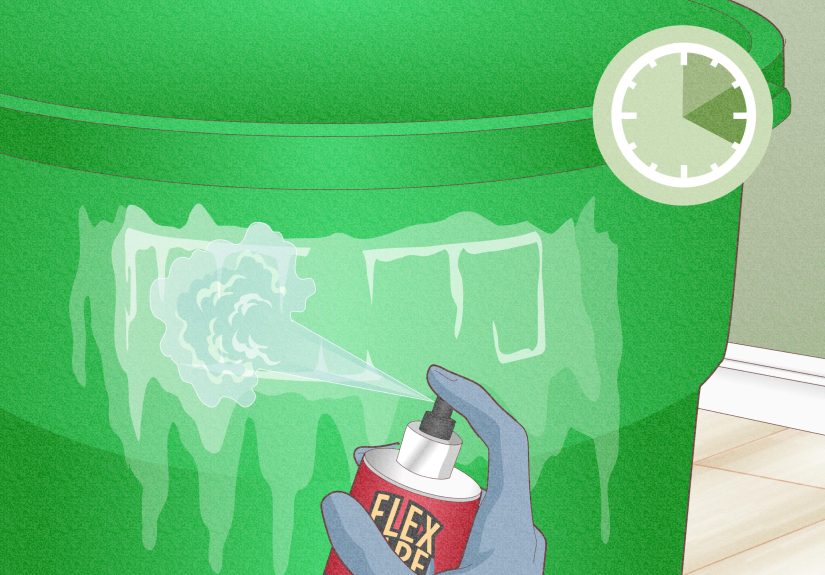
On hard, nonporous surfaces, removal is usually more straightforward. If the Flex Seal is wet, wipe it immediately with paper towels or a dry rag. If it has cured, use a cloth dampened with acetone and scrub the area until the residue loosens. Metal is one of the friendlier surfaces for this approach, though painted or coated metal still needs caution.
For glass or smooth tile, start with a plastic scraper, held at a low angle, to lift the top layer without gouging the surface. Then use a small amount of acetone on a cloth to loosen what remains. Keep the solvent controlled. You want “targeted cleanup,” not “chemical splash zone.”
If the surface has a factory coating, decorative finish, printed layer, or unknown sealant, test first in an inconspicuous corner. Acetone is effective, but subtlety is not always its strongest personality trait.
How to Remove Flex Seal from Wood
Wood is where cleanup becomes less about brute force and more about finesse. For wet Flex Seal, blot quickly with paper towels or a dry rag. For cured residue on wood, mineral spirits are usually the better choice than acetone. Apply a small amount to a cloth, then work the residue carefully.
On stained wood, be especially careful. The same rubbing that removes the Flex Seal can also lighten or lift the stain. That is why a hidden test area matters so much. If the wood is unfinished, use even less solvent, because unfinished wood absorbs things the way a paper towel absorbs bad decisions.
Use a plastic scraper to lift softened material, then wipe with the grain. If some shadow or residue remains after the main cleanup, you may need a gentle second pass. If all else fails and the finish is already compromised, light sanding and refinishing may be the only clean-looking fix. That is not failure; that is woodworking honesty.
How to Remove Flex Seal from Fabric and Carpet
Fabric and carpet require a lighter touch. If the product is still wet, blot immediately. Do not scrub. Scrubbing pushes the material deeper into the fibers and turns a surface stain into a long-term relationship.
For dried or stubborn residue, use mineral spirits on a clean cloth and blot the area. Work from the outside of the stain inward so you do not spread it. Change to a clean section of cloth often. On upholstery, test first in a hidden seam or under a cushion. On carpet, press and lift rather than grinding the solvent into the pile.
Once the bulk of the residue is gone, follow up with a fabric-safe detergent or upholstery cleaner to lift leftover oily marks. If the item is washable, check the care label and launder appropriately. If the fabric is delicate, expensive, or emotionally important, this is a good time to let a professional cleaner wear the cape.
How to Remove Flex Seal from Plastic, Vinyl, or Laminate
These surfaces can be surprisingly easy to damage while you are trying to save them. Avoid metal scrapers and razor blades. On plastic and vinyl, even a successful cleanup can leave scratches, haze, or discoloration if you get too aggressive.
Start with warm soapy water and a soft cloth. If the residue has dried, lay the damp cloth over the area for a bit to soften it, then use a plastic card or scraper to lift what you can. White vinegar can sometimes help loosen residue gently. If that fails, an acetone-based remover or nail polish remover may work on some surfaces, but test first and use a very small amount. Some vinyl and plastic finishes do not tolerate acetone well.
On laminate or vinyl flooring, less is more. Use just enough remover to soften the buildup, then wipe and dry promptly. The trick is to remove the Flex Seal without giving the floor a cloudy makeover nobody asked for.
How to Remove Flex Seal from Car Paint and Car Interiors
Car surfaces deserve extra caution because the wrong solvent can remove more than the Flex Seal. On painted exterior panels, start with the safest option: warm water, dish soap, and a soft cloth. If the product is fresh, this may be enough to loosen or lift it before it fully bonds.
The manufacturer has suggested using a very small amount of toluene for Flex Seal on the body of a vehicle, but that comes with a giant asterisk. Toluene can damage paint, it is highly flammable, and it is not something to splash around casually. If you decide to use any strong solvent on a vehicle, test in a hidden area first, use the smallest amount possible, and understand that you may need to re-wax or repair the finish afterward.
For interior upholstery, follow the fabric method: blot, then use mineral spirits carefully, then clean the area with an upholstery-safe product. For plastic dashboards or trim, skip heavy scraping and go gentle. Warm soapy water and careful lifting are the better first moves. On cars, “aggressive” is often just another word for “expensive later.”
How to Remove Cured Flex Seal Without Wrecking the Surface
Dried Flex Seal usually comes off best when you combine two methods: soften and lift. Use the correct solvent for the material, let it dwell briefly, then lift the softened residue with a plastic scraper, cloth, or your fingers if it peels cleanly. Work in small sections. Trying to do the whole mess at once usually creates a bigger mess with more fumes.
For hard surfaces, keep your scraper at a shallow angle. For soft surfaces, let the solvent do more of the work and your hands do less. For finished surfaces, wipe with the grain or direction of the finish whenever possible. It sounds small, but it reduces visible scuffing.
If one pass does not do it, repeat gently. Multiple careful passes beat one chaotic, surface-damaging attack every time.
Mistakes to Avoid
- Using acetone on wood, fabric, or delicate finishes without testing first.
- Scrubbing wet Flex Seal deeper into carpet or upholstery.
- Going straight to strong solvent on skin when soap, warm water, and oil may work.
- Using razor blades on plastic, vinyl, or soft coated surfaces.
- Ignoring ventilation because “it’s only a little bit.” Famous last words.
- Applying heat near solvent fumes. No cleanup job needs fireworks.
- Trying to peel dried product off skin or surfaces before softening it.
When to Stop DIY and Get Help
Call in backup if Flex Seal or the solvent gets in your eyes, if you feel dizzy from fumes, if a large area of skin becomes irritated, or if you are dealing with a valuable surface that could be ruined by trial and error. In the United States, Poison Control is a practical resource if you are unsure what product was involved or whether an exposure is serious.
And if the mess is on leather, specialty upholstery, custom car paint, antique wood, or a high-end floor, professional cleaning or detailing may be cheaper than repairing a DIY rescue attempt gone sideways.
The Best Flex Seal Removal Strategy, Summed Up
If you remember nothing else, remember this: remove it early, match the remover to the surface, and be gentler than your frustration wants you to be. Wet Flex Seal usually comes up with wiping and washing. Cured Flex Seal often needs a surface-specific solvent and a careful hand. Skin prefers soap, warm water, oil, and patience. Hard surfaces may tolerate acetone. Wood, fabric, and carpet usually lean toward mineral spirits. Car paint is where caution earns its paycheck.
In other words, the fastest route is not always the smartest one. Flex Seal is stubborn, but so is good technique. Fortunately, good technique usually wins.
Real-World Experiences: What People Usually Learn the Hard Way
Anyone who has ever used Flex Seal for the first time tends to have the same emotional journey. Step one: confidence. Step two: overspray. Step three: a long stare at the nearest object that absolutely was not supposed to become waterproof.
One of the most common experiences is the “I’ll just do one quick spray” moment in the garage. The leak gets coated, yes, but so does the ladder, a nearby metal shelf, and somehow the extension cord three feet away. On metal, people often get lucky because a quick response and the right solvent usually save the day. The lesson there is simple: if you catch the mess early, cleanup feels like a chore. If you wait overnight, cleanup becomes a hobby.
Skin is another classic scene. A person starts out saying, “I’m only using a little, I don’t need gloves,” which is a sentence that should probably be printed on a warning label. Then the Flex Seal gets on fingers, dries around the knuckles, and suddenly even holding a coffee mug feels weirdly dramatic. Most people learn that the winning move is not panic-scrubbing. It is wipe first, oil or warm soapy water second, and patience always. The more you fight it, the more your skin complains.
Wood surfaces tend to create the most regret. A drip lands on a stained banister or wood trim, and the immediate impulse is to attack it with whatever strong cleaner is nearby. That is how a tiny black spot becomes a larger pale spot with a side order of finish damage. The better experience comes from slowing down, using mineral spirits carefully, and accepting that wood likes thoughtful cleanup, not action-movie cleanup.
Fabric and carpet tell a similar story. People who blot usually have a decent outcome. People who scrub often end up making the stain wider, deeper, and more committed to the fibers. It is not glamorous advice, but blotting really does save the day more often than dramatic rubbing. Cleanup is not a test of passion. It is a test of restraint.
Car surfaces may be the category that teaches the sharpest lesson. Many DIYers discover very quickly that what removes the rubbery residue may also remove gloss, wax, or paint confidence. That is why the smartest experience on car paint is often the least exciting one: warm water, gentle washing, hidden-spot testing, and knowing when to call a detailer before you transform a tiny repair into a body-shop conversation.
What all these experiences have in common is that Flex Seal removal is rarely about one magic product. It is about timing, surface awareness, and resisting the urge to use the strongest option first. The people who get the best results are not necessarily the most skilled. They are the ones who pause for ten seconds, identify the surface, and choose the least destructive method that still has a real chance of working.
That is the unglamorous truth of cleanup: the hero of the story is usually not brute force. It is a clean rag, a small test patch, and the willingness to not make things worse. Not exactly movie material, but very solid home-improvement strategy.
Conclusion
Flex Seal is designed to stick around, so removing it takes a little strategy. But with the right combination of timing, gentle lifting, and surface-safe solvents, most accidents are fixable. Whether the mess is on your hands, your trim, your carpet, or your car, the smartest plan is always the same: act fast, match the method to the material, and let caution do some of the heavy lifting. That way, the only thing left behind is a lesson, not a bigger repair bill.