Table of Contents >> Show >> Hide
- Why LiPo Battery Storage Matters More Than People Think
- The Best Charge Level for Storing LiPo Batteries
- Where to Store LiPo Batteries
- Use the Right Storage Container
- Temperature: The Quiet Battery Killer
- How Often Should You Check Stored LiPo Batteries?
- What Never to Do When Storing LiPo Batteries
- 1. Do not store them fully charged for weeks
- 2. Do not store them fully empty
- 3. Do not store damaged or puffed packs with healthy packs
- 4. Do not leave batteries loose with metal objects
- 5. Do not store near flammable materials
- 6. Do not ignore heat exposure
- 7. Do not pretend swelling is “probably fine”
- How to Store LiPo Batteries at Home If You Have Kids or Pets
- Travel and Moving Tips for LiPo Batteries
- When a LiPo Battery Should Not Go Back Into Storage
- Common LiPo Storage Mistakes That Ruin Good Batteries
- Practical Storage Setup: A Simple Routine That Works
- Real-World Experiences With Storing LiPo Batteries
- Final Thoughts
- SEO Tags
LiPo batteries are the overachievers of the battery world. They are light, powerful, quick to deliver energy, and absolutely beloved by drone pilots, RC hobbyists, airsoft players, gadget tinkerers, and anyone who enjoys power with a side of adrenaline. But LiPo packs are also a little dramatic. Ignore them, toss them into a drawer like old socks, and they may reward you with swelling, ruined performance, or a very bad day.
That is why proper storage matters. If you store LiPo batteries the right way, you can improve lifespan, reduce risk, and save yourself from the classic hobbyist regret of saying, “That pack was fine last month.” This guide breaks down the safest ways to store LiPo batteries, what mistakes to avoid, and how real people usually learn these lessons the hard way.
Why LiPo Battery Storage Matters More Than People Think
LiPo stands for lithium polymer, a type of lithium-ion battery chemistry commonly used in high-performance devices. These batteries offer excellent energy density and punchy output, but they do not love abuse. Heat, overcharging, deep discharge, physical damage, and poor storage conditions can shorten their life or create safety hazards.
Storage is not just about putting the battery somewhere and walking away. It is about controlling the battery’s charge level, temperature, environment, and physical protection. Get those four things right, and your packs are far more likely to stay healthy and ready for action. Get them wrong, and your “quick storage solution” can turn into a pricey little chemistry experiment.
The Best Charge Level for Storing LiPo Batteries
If there is one golden rule in LiPo care, it is this: do not store LiPo batteries fully charged or fully drained.
For most standard LiPo packs, the sweet spot for storage is usually around 3.8 to 3.9 volts per cell, which works out to roughly 40% to 60% charge. Many chargers even include a dedicated storage mode that automatically brings the pack to the correct level. That feature is not marketing fluff. It is one of the smartest buttons you can press in the whole hobby.
Why not store a pack at 100%? Because keeping lithium batteries topped off for long periods can increase stress on the cells and reduce long-term lifespan. Why not store them empty? Because a deeply discharged pack can fall below safe voltage, become unstable, or refuse to recover later. In other words, storing at full charge ages the battery faster, while storing it too low can kill it altogether. Quite the personality.
Helpful tip:
If you will not use the battery for more than a few days, put it in storage mode before shelving it. If you plan to store it for weeks or months, storage charge is even more important.
Where to Store LiPo Batteries
The best place to store a LiPo battery is somewhere that is:
- Cool
- Dry
- Well ventilated
- Out of direct sunlight
- Away from heat sources, sparks, and open flames
- Protected from accidental puncture, crushing, or short circuit
A closet shelf in a climate-controlled room is usually a better idea than a garage in summer, a car trunk, a damp basement corner, or a windowsill that turns into a tiny greenhouse by noon. High heat is especially rough on lithium batteries. A hot car can age a pack faster than a teenager burning through data on a family phone plan.
Moisture is another enemy. While many battery wrappers look tough, a humid or wet environment can still create problems, especially around connectors, balance leads, and pack integrity over time. Keep the storage area dry and clean.
Good places to consider:
- A cool indoor shelf
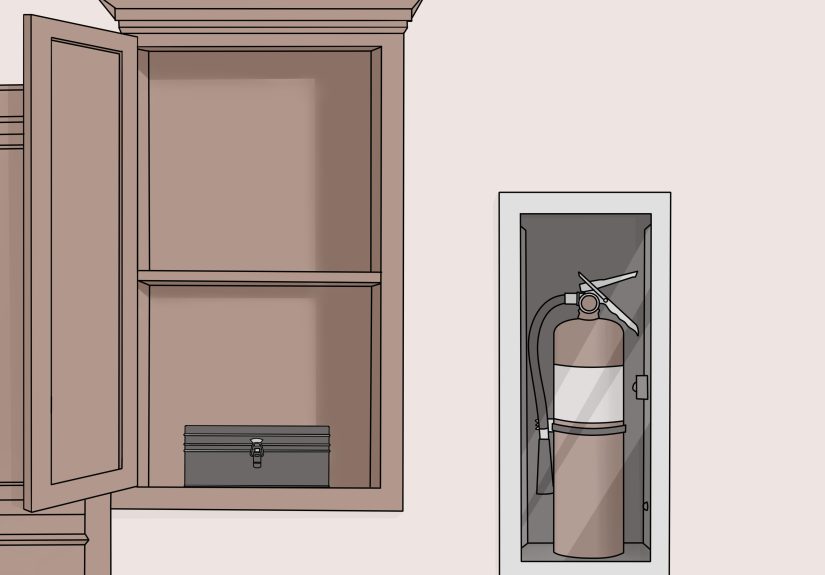
- A utility cabinet away from flammable clutter
- A dedicated hobby storage area with airflow
- A metal or fire-resistant storage container designed for battery safety, used according to the manufacturer’s directions
Places to avoid:
- Inside a parked car
- Near radiators, heaters, or furnaces
- In direct sun
- In a damp garage or shed without temperature control
- On top of paper, fabric, cardboard, or other easily ignited materials
Use the Right Storage Container
One of the simplest LiPo battery safety tips is also one of the most effective: do not leave loose packs rolling around like they own the place.
Use a protective, organized storage setup. Many hobbyists prefer a LiPo safety bag, a fire-resistant battery case, or a manufacturer-approved storage container. The goal is to reduce the chance of damage and help contain a problem if a battery fails.
Whatever container you use, it should not encourage dangerous clutter. Avoid stuffing batteries together with metal tools, loose screws, keys, coins, chargers, or random workshop junk. Battery terminals should be protected so they cannot short against metal objects or one another.
A smart setup is boring in the best possible way: each battery labeled, each connector capped or separated, and everything placed on a nonflammable surface. Battery storage should feel less like a junk drawer and more like a tiny chemistry library.
Organization ideas that actually help:
- Label packs by cell count, capacity, and purchase date
- Separate healthy packs from questionable ones
- Store packs individually or with divider sleeves
- Keep a simple log of voltage checks for long-term storage
Temperature: The Quiet Battery Killer
If you remember only one environmental rule, let it be this: LiPo batteries prefer moderate temperatures. Not tropical sauna conditions. Not freezer cosplay. Just normal, stable cool-room conditions.
Extreme heat accelerates chemical aging and increases risk. Extreme cold can reduce performance and complicate charging and recovery. For long-term storage, room temperature or slightly cool indoor conditions are usually the safest bet unless your battery maker says otherwise.
Some people ask whether they should store LiPo batteries in the refrigerator. That is usually not a great plan for everyday users. Condensation and moisture risk can create new problems you did not have before. Unless a specific manufacturer explicitly recommends a special storage method, stick with a cool, dry indoor location instead of turning your battery care routine into a science fair project.
How Often Should You Check Stored LiPo Batteries?
LiPo batteries are not houseplants, but they do appreciate being checked on once in a while.
If you are storing packs for more than a few weeks, inspect them periodically. A quick check every month or so is a good habit. You are looking for:
- Voltage drifting too low
- Swelling or puffing
- Damaged wires or balance leads
- Corrosion, leaks, or unusual odor
- Heat damage or deformation
If the pack voltage has fallen well below its recommended storage range, do not ignore it. And if the battery is swollen, punctured, torn, or behaving oddly, do not keep storing it and hoping for a miracle. Hope is not a battery maintenance strategy.
For very long storage periods, some manufacturers recommend a maintenance check every few months. Smart battery systems may even auto-discharge to storage levels after inactivity, which is a nice reminder that technology sometimes does care about your future self.
What Never to Do When Storing LiPo Batteries
Plenty of LiPo trouble begins with avoidable habits. Here are the big ones to skip:
1. Do not store them fully charged for weeks
A fully charged pack sitting around for a long time is aging when it could be resting comfortably at storage voltage instead.
2. Do not store them fully empty
A deeply discharged pack can slip into unsafe territory and may become unusable.
3. Do not store damaged or puffed packs with healthy packs
Set suspicious batteries aside in a safe area and follow the manufacturer’s guidance for disposal or evaluation.
4. Do not leave batteries loose with metal objects
Short circuits are not exciting in the fun sense.
5. Do not store near flammable materials
Keep distance from paper stacks, fabrics, solvents, fuels, wood shavings, and similar materials.
6. Do not ignore heat exposure
If a battery has been baking in a hot vehicle or attic, inspect it carefully before using or storing it again.
7. Do not pretend swelling is “probably fine”
That sentence has launched many regrettable afternoons.
How to Store LiPo Batteries at Home If You Have Kids or Pets
Home storage needs one extra layer of common sense: keep LiPo batteries out of reach of children and pets. Even if a battery is not in use, it should not be treated like a harmless gadget accessory.
Use a shelf, locked cabinet, or dedicated storage case that is not easy to access casually. Also keep chargers, loose connectors, and damaged packs out of general household traffic. If your storage area doubles as a craft table, gaming desk, laundry zone, or snack station, it may be time to upgrade your system.
Travel and Moving Tips for LiPo Batteries
LiPo storage becomes even more important when you are traveling. For car travel, secure the batteries so they do not slide around, get crushed, or sit in extreme heat. For air travel, spare lithium batteries generally belong in carry-on baggage, not checked luggage, and the terminals should be protected against short circuit.
That means tossing loose packs into a backpack with coins, cables, and mystery crumbs is not exactly a championship move. Use protective sleeves, caps, bags, or original packaging when possible. If you travel often with batteries for drones or RC gear, create a dedicated travel pouch and keep watt-hour information handy for airline rules.
When a LiPo Battery Should Not Go Back Into Storage
Some batteries have earned retirement. Do not place a pack back into your storage area if it shows any of the following:
- Swelling or puffing
- Puncture, crush damage, or torn wrapping that exposes critical parts
- Burn marks or melting
- Repeated overheating
- Strong chemical smell
- Major imbalance between cells
- Water damage
If the battery appears unsafe, stop using it and follow local hazardous waste or manufacturer guidance for proper disposal. Do not throw damaged lithium batteries into household trash or curbside recycling. That shortcut can create a fire risk for sanitation workers, recycling facilities, and your own property.
Common LiPo Storage Mistakes That Ruin Good Batteries
Most ruined LiPo packs are not destroyed by dramatic crashes. They are quietly wrecked by ordinary neglect. A few common patterns show up again and again:
- Charging batteries the night before an event, then canceling the event and forgetting them at full charge for a month
- Leaving packs in a garage during summer heat waves
- Keeping old and new packs mixed together with no labels
- Ignoring a slightly puffy battery because it “still works”
- Assuming all lithium batteries want the same storage voltage
- Failing to inspect balance leads and connectors before storing
The fix is not complicated. Build a tiny routine: charge for storage, inspect, label, protect, shelve. That is it. Good battery care is mostly boring consistency, which is wonderful because boring consistency is how you avoid exciting problems.
Practical Storage Setup: A Simple Routine That Works
If you want a realistic, repeatable routine, try this:
- After use, let the pack cool down naturally.
- Use your charger’s storage mode to bring it to the recommended storage level.
- Inspect the pack for swelling, damage, loose wires, or unusual heat history.
- Protect terminals and separate the pack from metal items.
- Place it in a fire-resistant or protective battery container.
- Store the container in a cool, dry indoor location away from flammables.
- Recheck voltage and condition periodically during long storage.
That routine takes only a few minutes, and it can save you money, hassle, and a whole lot of avoidable stress.
Real-World Experiences With Storing LiPo Batteries
Ask enough RC drivers, drone flyers, or hobby builders about LiPo storage, and you start hearing the same stories with different props and paint jobs. One person leaves a fully charged pack on the bench after a weekend outing, then gets busy with school, work, or family life. Two weeks become six. By the time the battery is needed again, it still works, but runtime feels weaker and the pack runs warmer than before. Nothing exploded, nothing dramatic happened, yet the battery clearly aged faster than it should have. That is the sneaky part about poor storage: the damage is often quiet before it becomes obvious.
Another common experience happens in garages. A hobbyist decides the garage shelf is “close enough” to indoor storage. It is neat, it is out of the way, and it seems practical. Then summer arrives. The shelf that felt harmless in spring turns into a hot box by July. Weeks later, a pack looks slightly swollen. Not cartoon-balloon swollen, just enough to trigger the internal debate: “Is that puffing, or am I imagining things?” Experienced users usually know that once you are asking that question, the battery deserves serious caution, not optimism.
Then there is the classic travel mistake. Someone packs a few loose batteries into a backpack side pocket with adapters, hex drivers, coins, and cable ends. Nothing bad happens, fortunately, but later they realize how easily terminals could have contacted metal. That moment tends to change habits fast. After one close call, people suddenly become very loyal to terminal caps, pouches, divider sleeves, and labeled cases.
Many users also talk about how much easier life gets once they adopt a storage routine. Instead of treating batteries like random accessories, they begin treating them like equipment that deserves a process. They use storage mode every time a session ends early. They mark purchase dates with a marker. They separate “healthy,” “watch closely,” and “retire” packs. Funny enough, once the system is in place, battery care stops feeling annoying and starts feeling satisfying. There is a certain peace in opening a battery box and seeing everything orderly, stable, and ready.
Experienced drone owners often mention another lesson: smart batteries can make storage easier, but they do not replace attention. Auto-discharge features are helpful, especially for people who forget to run storage mode manually, but users still need to watch for heat exposure, physical damage, or packs that sat too long without inspection. Smart does not mean magical. A battery can have a brain and still need a responsible human.
One of the most valuable real-world lessons is emotional rather than technical: good battery storage reduces background worry. People who store LiPo packs properly tend to feel more confident leaving their hobby gear organized between sessions. They spend less time wondering whether a pack is safe, less money replacing neglected batteries, and less energy dealing with preventable problems. In a hobby world full of upgrades, chargers, adapters, firmware, and endless little expenses, proper storage is one of the cheapest improvements you can make.
In other words, the best LiPo storage experience is gloriously uneventful. No swelling surprises. No voltage heartbreak. No frantic searching for a safe place to put a questionable pack. Just healthy batteries, sensible habits, and one less thing to stress about.
Final Thoughts
If you want your LiPo batteries to last longer and behave more safely, the formula is refreshingly simple: store them partially charged, keep them cool and dry, protect them from damage, and check them from time to time. That is the heart of good LiPo battery storage.
You do not need a laboratory, a tactical bunker, or a five-page battery diary. You just need a consistent routine and enough respect for the fact that these little packs are powerful pieces of equipment, not drawer clutter. Treat them well, and they will usually return the favor with better lifespan, more reliable performance, and fewer unpleasant surprises.
Note: This article is for general safety education only. Always follow the instructions for your specific LiPo battery, charger, and device, especially if the manufacturer lists different storage voltages, temperatures, or maintenance intervals.