Table of Contents >> Show >> Hide
- Before You Start: Know What Kind of Synthetic Wig You Have
- Tools You May Need
- How to Prepare a Synthetic Wig for Straightening
- 5 Best Ways to Straighten a Synthetic Wig
- 1. Steam Straightening: Best for Regular Synthetic Wigs
- 2. Hot-Water Pour-Over Method: Best for Loosening Strong Waves
- 3. Flat Iron Method: Best for Heat-Friendly Synthetic Wigs Only
- 4. Tension Air-Dry Method: Best for Gentle Straightening Without Heat
- 5. Professional Wig Reshaping: Best for Expensive or Delicate Wigs
- Common Mistakes to Avoid When Straightening a Synthetic Wig
- How to Keep a Synthetic Wig Straight Longer
- Which Straightening Method Should You Choose?
- Extra Experience Section: Real-Life Lessons From Straightening Synthetic Wigs
- Conclusion
Synthetic wigs are magical little style machines. They arrive with bounce, shine, personality, and the kind of “I woke up like this” energy most of us can only achieve after coffee and strategic lighting. But sometimes that cute wave pattern turns into a stubborn flip, the ends start bending in mysterious directions, or the wig decides it wants to be a triangle. That is when you start wondering how to straighten a synthetic wig without turning it into a sad, crispy craft project.
The first rule is simple: synthetic hair is not human hair. Most synthetic wigs are made from heat-sensitive fibers that can melt, frizz, kink, or permanently change shape when exposed to high heat. In other words, your regular flat iron may be a styling tool for your natural hair, but for a standard synthetic wig, it can become a tiny panini press of doom. The good news? You can straighten a synthetic wig safely if you choose the right method for the fiber type.
This guide covers the five best ways to straighten a synthetic wig, including steam, hot water, air-drying under tension, heat-friendly flat ironing, and professional reshaping. You will also learn how to prepare the wig, avoid common mistakes, and keep the style sleek longer. Whether your wig is costume-ready, daily-wear gorgeous, or your beloved “emergency good hair day” backup, these methods will help you smooth it out without drama.
Before You Start: Know What Kind of Synthetic Wig You Have
Before you touch a steamer, kettle, or flat iron, check the wig label, packaging, product listing, or brand instructions. Synthetic wigs usually fall into two broad categories: regular synthetic and heat-friendly synthetic.
Regular Synthetic Wigs
Regular synthetic wigs are pre-styled and designed to hold their shape. That is one of their biggest advantages. Rain, humidity, and a mildly chaotic commute usually do not ruin them the way they can ruin human hair. However, regular synthetic fiber is not made for direct dry heat. Flat irons, curling irons, hot combs, and blow dryers can damage the strands quickly. If your wig is not clearly labeled as heat-friendly, assume it is not heat-safe.
Heat-Friendly Synthetic Wigs
Heat-friendly synthetic wigs, sometimes called heat-resistant or heat-defiant wigs, can be restyled with hot tools within the manufacturer’s recommended range. Many brands suggest low heat, often around 275°F to 300°F, though some products may have different limits. Always follow the specific instructions for your wig. Heat-friendly does not mean “do whatever you want and hope for the best.” It means “style carefully, slowly, and with adult supervision from your common sense.”
Tools You May Need
You do not need a salon cart full of gadgets, but the right tools make a huge difference. Gather a wide-tooth comb or wig brush, clips, a wig stand, a spray bottle, synthetic wig detangler, a handheld steamer, a towel, and a thermometer if you plan to use hot water. For heat-friendly wigs, use a flat iron with a digital temperature display. Guessing the heat level is how wigs become cautionary tales.
Also, work in small sections. Synthetic fibers respond better when you are patient. Trying to straighten a whole wig in one giant pass is like trying to iron a bedsheet while it is still on the bed: technically possible, emotionally exhausting, and rarely pretty.
How to Prepare a Synthetic Wig for Straightening
1. Detangle First
Start at the ends and work upward with a wide-tooth comb. Hold the hair above the section you are combing so you do not tug on the cap. Pay special attention to the nape area, where friction from collars, scarves, and shoulders creates tangles. Never rip through knots. Synthetic fibers can stretch, kink, or frizz when handled roughly.
2. Clean the Wig If Needed
If the wig has product buildup, smoke odor, sweat, or a dull coating, wash it before straightening. Use cool water and shampoo made for synthetic wigs. Avoid rubbing, twisting, or wringing. Gently swish the wig, rinse thoroughly, blot with a towel, and let it air-dry on a wig stand. Straightening a dirty wig is like ironing a shirt with cookie crumbs on it: you may flatten something, but you will not improve the situation.
3. Test a Hidden Section
Before using steam, hot water, or heat, test a small section underneath the wig. Watch how the fibers react. If they become rough, shiny, sticky, bent, or frizzy, stop. This tiny test patch can save the entire wig from disaster.
5 Best Ways to Straighten a Synthetic Wig
1. Steam Straightening: Best for Regular Synthetic Wigs
Steam is one of the safest and most effective ways to relax waves, flips, and frizz in a regular synthetic wig. Unlike a flat iron, steam uses moist heat instead of direct dry heat. It softens the synthetic fiber enough to reshape it without crushing it between hot plates.
How to Do It
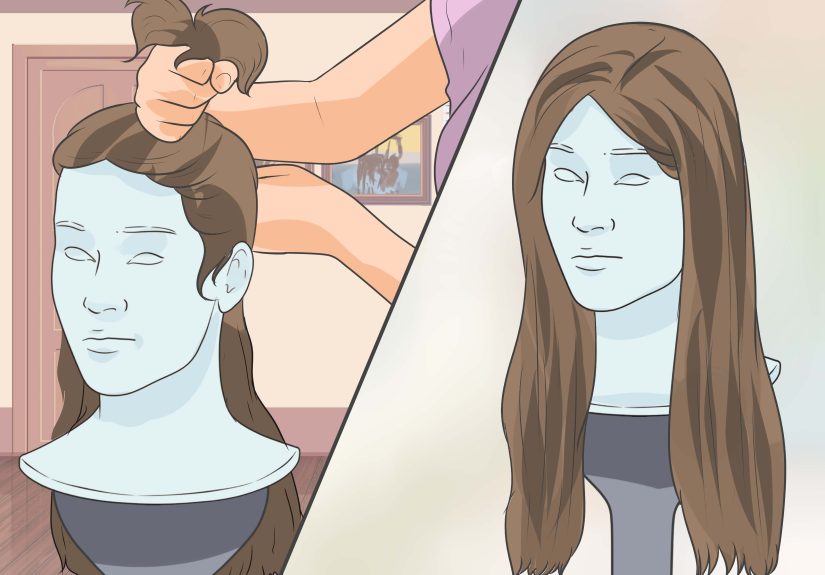
Place the wig on a sturdy wig stand. Detangle it completely, then divide it into small sections. Hold one section gently downward with a comb. Keep the steamer a few inches away from the fiber and pass it slowly along the section from mid-length to ends. Do not press the steamer directly into the hair. Let the section cool while held straight. Repeat until the wig has relaxed into the shape you want.
Why It Works
Synthetic fibers are set into shape during manufacturing. Steam helps soften that memory so the hair can be encouraged into a straighter position. The key word is encouraged. Do not yank. Do not blast. Do not hover in one spot until the fiber gives up on life. Gentle tension and gradual reshaping create the smoothest finish.
Best For
This method is ideal for regular synthetic wigs, wavy synthetic wigs, bent ends, crown bumps, and wigs that look slightly puffy. It is also useful for removing “box hair,” which happens when a wig has been stored folded or squeezed.
2. Hot-Water Pour-Over Method: Best for Loosening Strong Waves
The hot-water method is a classic way to straighten a synthetic wig, especially if the wig has strong curls or waves. Instead of applying direct heat, you pour heated water over the fibers to relax the style. This method can be effective, but it requires caution. Water that is too hot may damage the wig, while water that is too cool may do absolutely nothing except make the wig damp and mildly offended.
How to Do It
Detangle the wig and place it on a stand in a sink, bathtub, or heat-safe area. Heat water until it is hot but not boiling. A common safe range is around 160°F to 180°F, but always be conservative and test carefully. Pour the water slowly over the wig from top to bottom, keeping the hair hanging straight. Use your fingers or a wide-tooth comb to guide the fibers downward while they are warm. Do not brush aggressively while the wig is wet. Let the wig air-dry completely in a straight position.
Important Safety Tip
Never pour boiling water directly over a synthetic wig unless you are following a specific manufacturer-approved method and have tested the fiber first. Boiling water can over-relax curls, create a limp shape, or damage delicate cap construction. Lace fronts, hand-tied areas, and monofilament tops deserve extra care.
Best For
This method works well for medium waves, flipped ends, costume wigs, and synthetic wigs that need a broader shape reset. It is less precise than steam, so use it when you want an overall straighter look rather than tiny detail work.
3. Flat Iron Method: Best for Heat-Friendly Synthetic Wigs Only
If your wig is clearly labeled heat-friendly, a flat iron can create the sleekest, smoothest result. This is the method that delivers that polished, runway-straight look. However, it is only safe for heat-friendly synthetic fiber. If your wig is regular synthetic, skip this section unless you enjoy learning expensive lessons.
How to Do It
Make sure the wig is clean, dry, and detangled. Set your flat iron to the lowest temperature recommended by the wig manufacturer. If the instructions give a range, start at the low end. Divide the wig into small sections no wider than the plates of your flat iron. Starting about one inch away from the cap, glide the iron smoothly down the hair. Do not clamp hard. Do not pause in one place. Let each section cool straight before touching it again.
Why Cooling Matters
Heat-friendly synthetic fiber sets as it cools. That means the cooling step is not optional. If you brush or bend the hair while it is still warm, you may create new bends or frizz. Hold the section straight for a moment after each pass, then let it fall naturally.
Best For
This method is best for heat-friendly synthetic wigs, frizzy ends on heat-resistant fibers, and styles that need a very sleek finish. It is also useful for refreshing older heat-friendly wigs that have become rough from friction.
4. Tension Air-Dry Method: Best for Gentle Straightening Without Heat
If your wig only has mild bends or soft waves, you may not need heat at all. The tension air-dry method uses water, gravity, clips, and patience. It is not the fastest method, but it is the gentlest. Think of it as yoga for your wig: slow, calming, and surprisingly effective when done consistently.
How to Do It
Lightly mist the wig with cool water or a synthetic wig conditioning spray. Detangle gently. Place the wig on a tall stand so the hair can hang freely. Section the hair and comb each piece downward. Use small clips at the ends to add a little weight, or wrap the hair smoothly around the stand in a straight direction. Let the wig air-dry completely. Once dry, remove the clips and finger-style the hair.
What to Avoid
Do not use heavy oils, regular leave-in conditioners, or human-hair smoothing creams. These products can coat synthetic fibers and make the wig look greasy or stiff. Stick with products made for synthetic wigs.
Best For
This method is perfect for small bends, storage creases, light waves, and wigs you want to preserve as long as possible. It is also a smart first step before trying steam or hot water.
5. Professional Wig Reshaping: Best for Expensive or Delicate Wigs
Sometimes the best way to straighten a synthetic wig is to let a professional do it. This is especially true for lace front wigs, monofilament tops, hand-tied caps, high-end medical wigs, or sentimental pieces you cannot replace. A wig stylist has steamers, blocks, pins, product knowledge, and the calm confidence of someone who has rescued many wigs from the edge.
When to Choose a Professional
Choose professional help if the wig is expensive, severely tangled, heavily curled, heat-damaged, or frizzy from root to tip. Also consider a professional if the cap has delicate lace, the part line needs reshaping, or the hairline has lifted. Straightening the fibers is only one part of making a wig look natural; the shape, density, and movement matter too.
Best For
This option is best for premium synthetic wigs, wigs worn daily, wigs used for medical hair loss, and any piece where a mistake would be costly. Professional reshaping may cost more than a DIY method, but it can extend the life of the wig and prevent accidental damage.
Common Mistakes to Avoid When Straightening a Synthetic Wig
Using a Flat Iron on Regular Synthetic Fiber
This is the big one. Regular synthetic wigs are not made for dry hot tools. Even a quick pass can create melted-looking strands, rough texture, unnatural shine, or permanent bends. If the wig is not labeled heat-friendly, do not flat iron it.
Skipping the Detangling Step
Heat and knots are not friends. Straightening tangled fibers can lock in frizz and make the ends look worse. Always detangle first, starting at the bottom.
Using Human-Hair Products
Synthetic wigs do not absorb moisture like human hair. Heavy conditioners, oils, serums, and styling creams may sit on top of the fiber and create buildup. Use synthetic wig shampoo, detangler, conditioning spray, and heat protectant only when appropriate.
Applying Too Much Heat Too Quickly
Even heat-friendly wigs can be damaged by excessive heat. Start low, work slowly, and make multiple gentle passes if needed. One aggressive pass at a high temperature can ruin the texture.
Brushing While Wet
Wet synthetic fibers can stretch and become vulnerable to damage. Use your fingers or a wide-tooth comb gently if you must guide the hair, then wait until the wig is fully dry before doing detailed styling.
How to Keep a Synthetic Wig Straight Longer
Once your wig is straight, protect the style. Store it on a wig stand so the ends do not bend. Keep it away from direct sunlight, bathroom steam, and heat sources. Detangle the nape after each wear, especially if the wig is shoulder-length or longer. Friction is the secret villain behind many wig problems, so avoid rough collars, wool scarves, and sleeping in your wig whenever possible.
If the ends begin to frizz, use a synthetic wig detangler and smooth them gently. For regular synthetic wigs, steam can help soften rough areas. For heat-friendly synthetic wigs, a low-temperature flat iron may refresh the fiber if the manufacturer allows it. A small trim can also help if the ends are badly worn. Sometimes the most glamorous thing you can do is admit that half an inch needs to go.
Which Straightening Method Should You Choose?
If your wig is regular synthetic, start with the tension air-dry method for mild bends. Use steam for more noticeable waves, frizz, or shape issues. Try the hot-water method only when you need a bigger reset and are comfortable testing carefully. If your wig is heat-friendly, a flat iron can work beautifully, but only at the recommended temperature. For expensive, delicate, or heavily damaged wigs, call a professional.
The safest approach is to move from gentle to stronger methods. Start with detangling and air-drying. If that does not work, try steam. If the wig needs more reshaping, consider hot water or professional help. Save flat ironing for heat-friendly wigs only. This step-by-step approach protects the fibers and gives you more control over the final look.
Extra Experience Section: Real-Life Lessons From Straightening Synthetic Wigs
After working with synthetic wigs, one lesson becomes obvious very quickly: the wig always tells you what it can handle. The problem is that people often do not listen until the ends start looking like they lost a fight with a toaster. A synthetic wig may feel strong, but the fibers are delicate in their own way. They respond best to slow, gentle styling rather than force.
One common experience is dealing with a wig that looks beautiful from the front but has a tangled, frizzy nape. This happens because the nape rubs against clothing all day. Before straightening, that area needs extra detangling spray and patience. If you steam or flat iron over those tangles, the fiber can become rougher. The better approach is to separate the knots with your fingers first, then use a wide-tooth comb from the ends upward. Once the section is smooth, a little steam can relax the frizz and help the hair hang straighter.
Another real-world situation is the “box bend.” A wig may arrive folded in packaging, leaving odd dents near the crown or ends. It is tempting to attack those dents with heat right away, but air-drying under tension often fixes them. Lightly mist the area, comb it into place, clip it gently, and let gravity do the work. If the bend remains, a few passes of steam usually help. This approach protects the cap and avoids over-processing the fiber.
Costume wigs bring their own adventures. Many are made from lower-cost synthetic fibers, and they may arrive extremely shiny, wavy, or bulky. The hot-water method can help relax the shape, but testing is essential. Some costume wigs handle warm water well; others become limp or uneven. For these wigs, it is better to straighten gradually. Pour warm water once, let the wig dry, check the result, and repeat only if needed. Do not try to transform a tight curl into glass-straight hair in one dramatic moment. Wigs are not impressed by drama.
Heat-friendly synthetic wigs can be easier to straighten, but they still require discipline. A flat iron with a digital setting is worth using because vague settings like “low,” “medium,” and “lava” are not helpful. Work in small sections and keep the iron moving. The biggest mistake is clamping down too hard. Heat-friendly fiber does not need to be smashed flat; it needs controlled heat and cooling time. After each pass, hold the section straight for a few seconds. That cooling period gives the style memory.
Another helpful experience: do not chase perfection. Synthetic wigs look more natural when they have a little movement. If every strand is ironed into a perfectly flat sheet, the wig can look artificial, especially under bright light. Leave a soft bevel at the ends or a little lift near the roots. Straight does not have to mean lifeless. The goal is smooth, wearable hair, not a curtain from a haunted theater.
Storage also matters more than beginners expect. You can straighten a wig beautifully, then ruin the shape by tossing it into a drawer. Use a wig stand, silk bag, or original netting. Keep the ends from bending under the weight of the wig. If you travel, pack the wig loosely and reshape it when you arrive. A few minutes of care after wearing saves much more time later.
Finally, know when to stop. If the fibers feel rough, sticky, or overly shiny after straightening, more heat will not fix them. Switch to conditioning spray, steam, trimming, or professional help. Synthetic wigs have limits, and respecting those limits is the secret to keeping them beautiful. With the right method, a synthetic wig can go from fluffy, bent, and chaotic to smooth, sleek, and ready for its close-up.
Conclusion
Learning how to straighten a synthetic wig is really about learning how to respect the fiber. Regular synthetic wigs need gentle methods like steam, hot water, and tension air-drying. Heat-friendly synthetic wigs can handle flat irons, but only at safe, manufacturer-approved temperatures. The best method depends on the wig type, the amount of wave or frizz, and how much risk you are willing to take.
Start slowly, test first, and never assume your wig can handle heat just because it looks sturdy. With careful prep, the right tools, and a little patience, you can smooth out bends, soften waves, reduce frizz, and give your synthetic wig a fresh new shape. Your wig gets a second life, your mirror gets a better view, and your flat iron learns some boundaries. Everybody wins.