Table of Contents >> Show >> Hide
- Why Peaches Can Be So Tricky (And Why It’s Not Your Fault)
- How to Tell if a Peach Is Ripe (Use Your Senses, Not Just Your Hope)
- How to Ripen Peaches at Home (Fast, Slow, and “I Need This Tonight”)
- Best Ways to Store Peaches (Unripe, Ripe, Cut, and “Help”)
- Freezing Peaches (The Best Way to “Keep Summer” Without Crying)
- Canning and Preserving Peaches (Optional, But Very “I Have My Life Together”)
- Common Peach Problems (And How to Save the Day)
- Quick Cheat Sheet: Pick, Ripen, Store
- Extra: Real-Life Peach Experiences (The Stuff You Only Learn After a Few Seasons)
- Conclusion
Buying peaches can feel like produce roulette: one looks perfect but eats like a scented candle, another is rock-hard until 9:57 p.m. and then
suddenly turns into peach pudding by 10:03 p.m. The good news: ripe peaches follow cluesreal ones, not the “it’s kinda orange-ish?” guesswork
we’ve all pretended counts as produce expertise.
In this guide, you’ll learn exactly how to tell if a peach is ripe (with simple, reliable checks), how to ripen peaches faster at home, and the best
ways to store peaches so they stay sweet, juicy, and not tragically mealy. We’ll also cover fridge timing, freezing tips, and what to do when you’ve
crossed into “overripe but still useful” territory (hello, smoothies).
Why Peaches Can Be So Tricky (And Why It’s Not Your Fault)
Peaches are “climacteric” fruit, which is a fancy way of saying they continue to ripen after being picked. That’s great in theoryexcept peaches
picked too early won’t magically become sweeter just because they softened on your counter. They’ll soften, sure, but the flavor may stay flat, and
the texture can drift into that dreaded “mealy” zone.
The goal is to buy peaches that were harvested mature enough to finish ripening well, then store them in a way that protects their delicate flesh.
Translation: treat them like tiny fuzz-covered water balloons filled with summer.
How to Tell if a Peach Is Ripe (Use Your Senses, Not Just Your Hope)
The most reliable ripeness tests come down to three things: background color, smell, and feel. Bonus points for choosing fruit that looks healthy
(not wrinkled, not bruised, not leaking like it’s had a long day).
1) Look for the “Ground Color,” Not the Red Blush
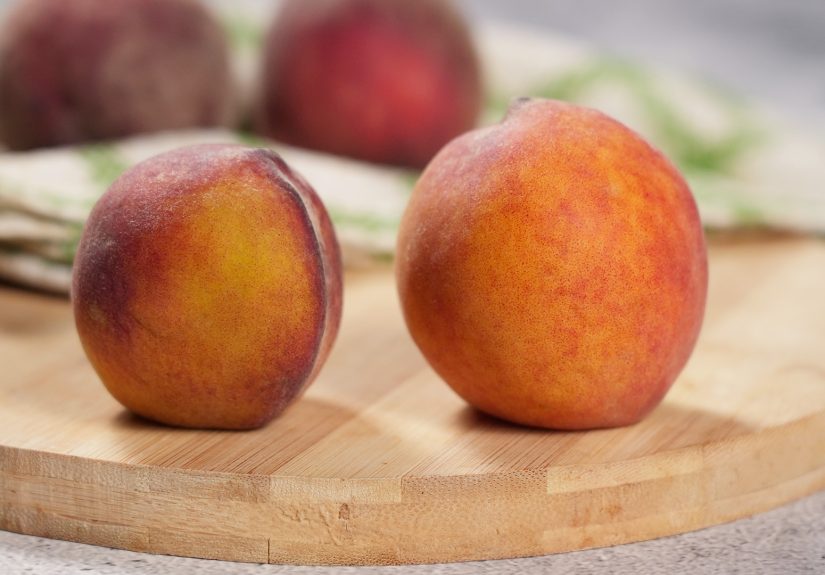
The red or pink blush on a peach is mostly about sun exposure and varietynot ripeness. What you want is the ground color (the background
color under that blush). For yellow peaches, ripe fruit usually shows a warm golden or creamy-yellow base. If you see green around the stem or
across the background, the peach was likely picked immature and may never reach peak sweetness.
- Good sign: creamy yellow or golden undertone (varies by variety).
- Caution: obvious green background color, especially near the stem.
- Not a ripeness test: how red the peach is.
2) Smell the Stem End (Yes, Actually Put Your Nose Near It)
A ripe peach smells like… a peach. Sweet, floral, unmistakably “summer dessert.” If the peach has little to no aroma, it’s usually not ready.
If it smells fermented or boozy, it may be past its prime (still usable for baking, but maybe not for a fresh, juicy bite).
3) The Gentle Squeeze Test (No Thumb Wrestle, Please)
Hold the peach in your palm and apply gentle pressure near the stem area. A ripe peach should yield slightlythink “soft handshake,” not “stress ball.”
If it’s firm as a baseball, it needs time. If it’s squishy or leaves a dent easily, it’s very ripe (or overripe), and you should plan to eat it today.
- Firm-ripe: slight give; great for slicing and salads.
- Soft-ripe: more give; perfect for eating out of hand.
- Too far gone: mushy spots, leaking juice, or collapsing feel (use ASAP in cooked recipes).
4) Check the Skin and Shape for Quality Clues
Ripeness isn’t just softness. Quality matters, too. Look for peaches with smooth, taut skin (fuzz is normal), a plump, rounded shape, and no major
bruises. Wrinkled skin often means the peach is dehydrating, usually from age or poor storage. Also check the seam (the “suture” line): fruit that’s
nicely formed and rounded tends to have been harvested at a better stage than fruit that looks misshapen or underdeveloped.
5) “Heavy for Its Size” Is a Real Thing
When choosing between two similar peaches, pick the one that feels heavier. More weight often means more juice. It’s not a magic spell, but it’s a
surprisingly useful tiebreaker.
6) What About White Peaches?
White peaches don’t turn deep yellow; they lean creamy-white with a warm undertone. Use smell and gentle softness as your main indicators. Many white
varieties also bruise easily, so handle like you’re carrying a tiny, delicious ego.
How to Ripen Peaches at Home (Fast, Slow, and “I Need This Tonight”)
If your peaches are firm but have good color and smell potential, you can finish ripening them at home. The key is airflow plus the natural ethylene
gas peaches release as they ripen.
Option A: Counter Ripening (Best for Flavor, Minimal Fuss)
- Place peaches in a single layer on the counter, not touching if possible.
- Set them stem-side down on a towel or soft surface to reduce bruising and moisture loss.
- Keep out of direct sunlight and away from heat vents.
- Check daily. Many peaches take about 1–4 days, depending on how firm they started.
Option B: Paper Bag Ripening (Best for Speed)
A paper bag traps ethylene while letting excess moisture escapeimportant, because trapped moisture is what turns fruit storage into a science fair
project.
- Put firm peaches in a paper bag (not plastic).
- Fold the top loosely closed.
- Check every day. Remove peaches as soon as they’re ripe.
Want to speed things up even more? Add a banana or an apple to the bag. Want to keep it simple? The bag alone often works beautifully. Either way,
check dailypeaches do not RSVP before they cross the finish line.
Option C: What Not to Do
- Don’t use sealed plastic bags for ripeningcondensation encourages spoilage and off textures.
- Don’t refrigerate unripe peaches if you want them to ripen well. Cold slows ripening dramatically.
- Don’t stack peaches like oranges. Peaches bruise if you look at them sideways.
Best Ways to Store Peaches (Unripe, Ripe, Cut, and “Help”)
How to Store Unripe Peaches
Keep unripe peaches at room temperature until they reach the ripeness you want. Store in a single layer, stem-side down, and avoid crowding. If your
kitchen runs hot, choose the coolest spot on the counter (but not the fridge yet).
How to Store Ripe Peaches
Once peaches are ripefragrant and gently softmove them to the refrigerator to slow down the clock. The fridge won’t make peaches better, but it can
keep them from getting worse while you plan your peach-eating schedule (a valid lifestyle).
- Refrigerate ripe peaches in the crisper drawer if you can.
- Store stem-side down and avoid squeezing them into tight spaces.
- For best texture, eat within a couple of days. Longer cold storage can nudge peaches toward mealiness.
Pro tip: Take refrigerated peaches out 30–60 minutes before eating. Cold fruit tastes less sweet because low temperatures dull aroma and flavor.
Warming slightly brings back that “wow, this is why peaches exist” moment.
How to Store Cut Peaches
Once cut, peaches oxidize (brown) and soften faster. To keep slices looking fresh:
- Brush or toss slices with a little lemon or orange juice.
- Store in an airtight container in the fridge.
- Use within 1–2 days for best flavor and texture.
How Long Do Peaches Last?
- Unripe on the counter: often 1–4 days, depending on starting firmness.
- Ripe on the counter: about 1 day before they get very soft (sometimes less in warm kitchens).
- Ripe in the fridge: commonly 2–4 days, sometimes up to about 5best quality is usually earlier.
These are real-world averages, not laws of physics. When in doubt, trust smell and feel over the calendar.
Freezing Peaches (The Best Way to “Keep Summer” Without Crying)
Freezing is the easiest long-term peach storage method. The trick is preventing browning and avoiding giant frozen peach clumps that require a chisel.
Step-by-Step: The Easy Freeze Method
- Start with ripe, flavorful peaches. Freezing doesn’t improve bland fruit.
- Wash and dry (and don’t soakextra water = icy texture).
- Peel if you want (skins are edible; peeling is optional for smoothies but helpful for baking).
- Slice and pit.
- Prevent browning: toss slices with lemon juice, or use an ascorbic acid solution if you prefer a more neutral flavor.
- Flash-freeze: spread slices on a parchment-lined sheet and freeze until firm.
- Bag and label: transfer to freezer bags, press out air, and label with the date.
For Best Color: Ascorbic Acid Option (Precise, Effective)
If you like exact methods, many tested preservation resources recommend ascorbic acid (vitamin C) to slow darkening. One common approach is dissolving
a small amount in water and lightly coating prepared fruit before packing. It’s especially useful if you want peaches to look bright for pies, crisps,
and fruit salads later.
How to Use Frozen Peaches
- Smoothies (no thawing needed)
- Crisps, cobblers, and pies (bake from frozen or thaw slightly)
- Sauces, compotes, and jams
- Oatmeal, yogurt, and pancake toppings
Canning and Preserving Peaches (Optional, But Very “I Have My Life Together”)
If you’re into canning, peaches are a classic. The safest move is to use a tested recipe from trusted preservation authorities and
follow processing times for your jar size and altitude. In general, canning peaches involves loosening skins (often with a quick hot-water dip),
packing fruit in hot syrup/juice/water, and processing properly.
If you’re new to canning, don’t wing it. Peach season is funfoodborne illness is not.
Common Peach Problems (And How to Save the Day)
“My Peach Is Mealy.”
Mealy texture often happens when peaches spend too long in cool storage before they’re fully ripe or when the fruit was harvested too early. You can’t
fully reverse mealiness, but you can repurpose it: blend into smoothies, simmer into compote, or bake into cobbler where texture matters less.
“My Peach Has a Bruise.”
Small bruises are common. Cut them out and eat the rest. If the bruise is large or the fruit is leaking, use it in cooked recipes the same day.
“My Peaches Ripened All at OnceHelp.”
Welcome to Peach Week. Here’s your emergency plan:
- Move ripe fruit to the fridge immediately.
- Slice and freeze what you can’t eat within 48 hours.
- Turn very soft peaches into quick sauce: simmer with a little sugar, lemon, and a pinch of salt.
Quick Cheat Sheet: Pick, Ripen, Store
- At the store: creamy/yellow ground color, sweet aroma, slight give; ignore the blush.
- At home: ripen on the counter (stem-side down), or in a paper bag for speed.
- Fridge timing: refrigerate only when ripe; eat within a few days for best texture.
- Long-term: slice, treat to prevent browning, flash-freeze, then bag.
Extra: Real-Life Peach Experiences (The Stuff You Only Learn After a Few Seasons)
To make this practical, here are a few peach scenarios you’ll probably recognizebecause almost everyone has lived some version of these. Consider it
the “field guide” section, minus the khaki vest.
Experience #1: The “Looks Ripe, Eats Like Cardboard” Peach
You bring home peaches that are beautifully coloredrosy, glowing, basically posing for a magazine cover. You slice one open expecting juice fireworks…
and get a firm, bland bite that tastes like it once stood near a peach in a different lifetime. This usually happens when the fruit was picked too
early. The blush fooled you. Next time, focus on the ground color near the stem and give the peach a smell test. If there’s no aroma, it’s probably
not ready, even if it’s Instagram-pretty. If you already bought them, ripen on the counter and hope for improvementbut if sweetness never shows up,
don’t force a fresh-eating situation. Roast slices with a little brown sugar and cinnamon, or simmer into a sauce. Heat can turn “meh” into “hey, not
bad” surprisingly fast.
Experience #2: The Paper-Bag Miracle (And the Paper-Bag Trap)
The paper bag method works so well that it can make you feel like a wizard. Firm peaches go in, and two days later they come out fragrant and tender,
like they’ve been to therapy and finally opened up. The trap is forgetting they’re in there. A bag concentrates ethylene, which speeds ripening, and
peaches don’t do “slow and steady” once they hit their sweet spot. If you use a paper bag, set a habit: check daily. When they’re ripe, move them to
the fridge to buy yourself a couple of days. If you want to speed things up with a banana, do itbut know you’re pressing the fast-forward button.
Great for last-minute pie plans, risky if you’re heading out of town.
Experience #3: The Fridge Regret (“Why Did My Peach Turn Mealy?”)
It’s a common well-intentioned mistake: you refrigerate peaches the moment you get home because you want them to “stay fresh.” Then you bite into one
later and the texture is dry, cottony, and confusingly sad. Cold slows ripening, and extended chilling can mess with textureespecially if the fruit
wasn’t ripe yet. The fix is simple: keep unripe peaches at room temp until they’re fragrant and gently soft, then refrigerate only to slow further
softening. Also, bring chilled peaches back to room temperature before eating. You’ll taste more sweetness and aroma, and you’ll feel like you fixed
your life (at least in the fruit department).
Experience #4: The “Peach Avalanche” Week
Some weeks, peaches ripen like they’re competing in a race you didn’t sign them up for. Day one: firm. Day two: “almost.” Day three: every peach is
ripe at the exact same time. This is where a plan saves you. Keep a “today peach” bowl on the counter (eat those first), move ripe-but-not-urgent
peaches to the fridge, and freeze anything you can’t reasonably eat within 48 hours. Flash-freezing slices on a baking sheet is the move that prevents
the dreaded frozen peach brick. Future-you will be thrilled when you dump frozen peaches into smoothies, oatmeal, or cobbler months later and suddenly
it’s summer again for five minutes.
Conclusion
The secret to great peaches isn’t luckit’s using the right ripeness cues and storing them strategically. Trust the ground color, let your nose vote,
and use gentle pressure (no peach bullying). Ripen on the counter or in a paper bag, refrigerate only when ripe, and freeze the overflow so none of
that sweet season goes to waste. Do that, and peaches stop being a gamble and start being what they were meant to be: juicy, fragrant, and impossible
to eat neatly. (Worth it.)