Table of Contents >> Show >> Hide
- The Quick Answer: 5 Ways to Know Crab Legs Are “Done”
- First, a Reality Check: Your Crab Legs Are Probably Already Cooked
- What Cooked Crab Leg Meat Should Look Like (Inside the Shell)
- The Thermometer Method (Yes, You Can Use One)
- How to Tell If Crab Legs Are Cooked by Smell (And Why It Works)
- Timing Isn’t PerfectBut It’s a Solid Back-Up Check
- Step-by-Step: How to Check Doneness While Cooking
- Signs Crab Legs Are Undercooked (Or Just Not Heated Through)
- Signs Crab Legs Are Overcooked (A.K.A. How to Avoid Sad Crab)
- Food Safety Basics for Crab Legs (Because Butter Isn’t a Disinfectant)
- FAQs: Fast Answers to Common Crab-Leg Questions
- Kitchen Lessons & Crab-Leg War Stories (Experience Section)
Crab legs are the fancy dinner that somehow still requires you to wear a bib, wield kitchen scissors, and accept that butter will end up on at least one sleeve. But before you set the table like it’s a coastal steakhouse, there’s one very real question: How do you tell if crab legs are cookedespecially when they show up already bright red and wearing a suit of armor?
Here’s the good news: in the U.S., most crab legs you buy (especially frozen king and snow crab legs) are already cooked and just need to be heated through. The other good news: even if you do have uncooked crab, there are clear, reliable signs to checkno seafood psychic powers required.
The Quick Answer: 5 Ways to Know Crab Legs Are “Done”
Use this checklist when you’re standing over a steaming pot wondering whether you’re making dinner or conducting an experiment:
- They’re hot all the way through. The thickest part feels very warm, not lukewarm.
- Steam + aroma show up. You can smell that sweet, briny crab scent (not “mystery fridge funk”).
- The meat is opaque. It looks pearly white (often with a little pink), not gray or translucent.
- The meat is firm, not rubbery. It should flake slightly and feel springynot chewy like a stress ball.
- The shell may deepen in color. Pre-cooked legs are already red, but heating makes them look brighter and more uniform.
Now let’s make those signs foolproofwith specifics for frozen crab legs, thawed crab legs, and the rare “actually raw” crab situation.
First, a Reality Check: Your Crab Legs Are Probably Already Cooked
If you bought frozen crab legs, there’s an excellent chance they were cooked shortly after harvesting and then frozen to lock in quality. That’s why they arrive red/orange and ready to impress your dinner guests with minimal effort and maximum butter.
This matters because “done” usually means heated through, not “cooked from raw.” So if you’re waiting for a dramatic color change like you’d see with raw shrimp, you’ll be waiting until next crab season.
How to tell if crab legs are already cooked before you heat them
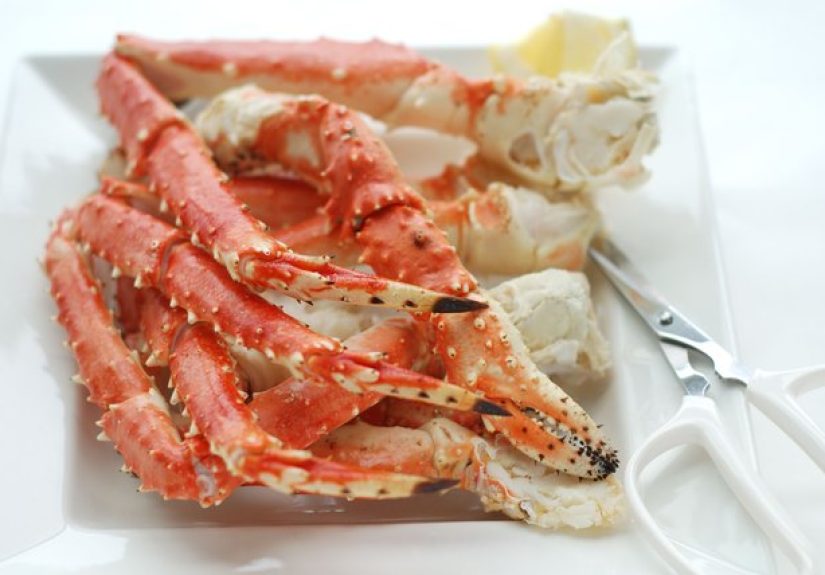
- Shell color: Pre-cooked king/snow crab legs are typically bright red/orange. Truly raw crab is usually more muted, gray-green, or bluish (and far less common in leg form).
- Packaging clues: Labels often say “fully cooked,” “pre-cooked,” or “ready to heat.”
- Store context: Most “crab legs” sold at standard grocery stores are sold as a heat-and-eat product.
Even if they’re pre-cooked, you still want them properly heatedbecause nobody dreams of “slightly chilly crab” as a core memory.
What Cooked Crab Leg Meat Should Look Like (Inside the Shell)
The most trustworthy “is it cooked?” clue is the meat itself. Yes, the shell is in the way. Yes, it’s a little dramatic. But it’s worth checkingespecially if you’re cooking from thawed, you’re unsure of the product, or you just want peace of mind.
Cooked crab meat appearance
- Opaque and pearly: Cooked crab meat is white and opaque, sometimes with pink or red edges.
- Not translucent: If it looks glassy, gray, or translucent, it isn’t fully cooked (or fully heated through).
- Moist, not dried out: It should look juicy and tender, not chalky, shriveled, or stringy.
Cooked crab meat texture
- Firm but tender: It should hold together but break apart cleanly.
- Not rubbery: Overcooked crab gets chewy and tight, like it did a hundred crunches and now refuses to relax.
If you’re nervous about opening a leg mid-cook, start with just one “sacrificial” piece. Consider it quality control. Your other legs will thank you by not turning into expensive rubber bands.
The Thermometer Method (Yes, You Can Use One)
Using an instant-read thermometer is the most precise methodbut crab legs make it tricky because the shell blocks easy access. The workaround is simple: probe the meat through a gap (often near a joint), or use kitchen shears to create a small opening in the thickest section.
Where to take the temperature
- Choose the thickest leg (the one most likely to be cold in the center).
- Find a joint gap or snip a small slit in the shell (kitchen shears are your best friend here).
- Insert the thermometer tip into the meat (not touching shell).
- Check quickly and removeno need to “camp” in the crab.
What temperature means “cooked” vs “heated through”
If you truly have raw crab, you want it cooked until the flesh is opaque and firm. Many food-safety guidelines use 145°F (63°C) as a general benchmark for seafood doneness, but with crab legs you’ll often rely on the visual cue: pearly/white, opaque flesh.
If your crab legs are pre-cooked, you’re aiming for “hot and pleasant to eat,” not “as hot as the surface of the sun.” In practical terms, they should be steaming and very warm throughout. If you’re reheating leftovers or serving someone at higher risk for foodborne illness, it’s smart to heat more thoroughly but balance that with the reality that high heat can dry crab out quickly.
How to Tell If Crab Legs Are Cooked by Smell (And Why It Works)
Smell isn’t just vibesit’s a real indicator that heat has moved through the shell and warmed the meat. When crab legs are heated properly, you’ll notice a sweet, ocean-briny aroma. It’s not sharp, not sour, and definitely not “why is the trash talking to me?”
Helpful smell cues
- Ready: Briny, slightly sweet, clean “seafood restaurant” smell.
- Not ready: Almost no aroma, or the legs smell mostly like cold freezer air.
- Bad sign: Sour, ammonia-like, or strongly “off” odors (don’t cook your way out of that).
Timing Isn’t PerfectBut It’s a Solid Back-Up Check
Cooking time depends on two big factors: frozen vs thawed and your cooking method. The goal is to heat gently and efficiently so the meat stays tender.
Typical heating times (pre-cooked crab legs)
- Boiling (fastest): Thawed legs often heat in about 2–5 minutes; frozen legs commonly take around 5–10 minutes.
- Steaming (best for tenderness): Thawed legs often heat in about 4–6 minutes; frozen legs commonly take around 8–12 minutes.
- Baking: Often 10–18 minutes depending on temperature and whether they’re frozen or thawed.
- Broiling: Very quick (often a few minutes per side), but easy to overdolike sunbathing with a magnifying glass.
Treat time as a guide, not a guarantee. Crab legs vary in size, your pot lid may leak steam like a gossip, and “medium-high” means something different on every stove. Use timing plus at least one other sign (meat opacity, steam/aroma, or a thermometer check).
Step-by-Step: How to Check Doneness While Cooking
Here’s a simple, low-drama routine that works whether you boil or steam:
- Start a timer, but don’t marry it. Use the typical range for your method and whether the legs are frozen.
- Look for steady steam. Especially with steaming, consistent steam is your heat delivery system.
- Check one thick leg first. Pull it out and feel for heat through the shell.
- Crack and peek. If unsure, open one leg and check that the meat is pearly/white and opaque.
- Optional thermometer check. Slip the probe into the meat near a joint gap or small snip in the shell.
- Stop the heat early. Carryover warmth continues for a minute or twoespecially if you cover the pot after turning off the heat.
Signs Crab Legs Are Undercooked (Or Just Not Heated Through)
Undercooked crab legs are uncommon when you’re starting with pre-cooked frozen legsbut “not heated through” happens all the time. Here’s what that looks like:
- Cold center: The shell is warm, but the meat near the thick joint is cool or lukewarm.
- Pale and translucent meat: It looks grayish or glassy instead of opaque.
- Weak aroma: You’re not getting that warm crab smell yet.
- Stiff, hard-to-release meat: In some cases, meat that’s cold can cling more stubbornly to the shell.
Fix: return the legs to the heat for a couple minutes, then re-check. Small increments beat overcooking every time.
Signs Crab Legs Are Overcooked (A.K.A. How to Avoid Sad Crab)
Overcooking crab legs is the #1 reason people think they “don’t like crab legs.” The truth is: they don’t like crab legs that were treated like stew meat.
- Rubbery chew: The meat feels tight and bouncy in a not-fun way.
- Dry or stringy texture: Moisture cooks out fast, especially with high heat or long times.
- Meat shrinks away dramatically: A little pull-back is normal; a lot suggests it’s gone too far.
How to prevent overcooking
- Use steaming when possiblegentler heat and less waterlogging.
- Heat in short bursts and check early, especially if legs are thawed.
- Keep the lid on to maintain steady heat and reduce the temptation to crank the burner.
- Serve immediately or hold briefly in a warm (not hot) covered pan.
Food Safety Basics for Crab Legs (Because Butter Isn’t a Disinfectant)
Crab is delicious, but it’s still seafood, which means safe handling mattersespecially for older adults, pregnant people, and anyone with a weakened immune system.
Safe handling checklist
- Keep cold foods cold: Refrigerate promptly and don’t leave crab legs sitting out for long.
- Thaw safely: Thaw in the refrigerator overnight when you can. For a faster option, use cold running water (not warm).
- Avoid cross-contamination: Separate raw seafood from ready-to-eat foods; wash hands, boards, and knives.
- Cook/heat to doneness: For truly raw crab, cook until the flesh is firm and opaque. For pre-cooked legs, heat until steaming and hot throughout.
If the crab smells “off” before you cook it, or if the meat looks slimy or discolored in a way that doesn’t match normal crab meat, don’t gamble. Seafood roulette is not the kind of thrill anyone needs.
FAQs: Fast Answers to Common Crab-Leg Questions
Are crab legs pink when cooked?
The meat is typically white when cooked, sometimes with a pink tint, especially near the shell. The shell itself is often red/orange if the legs were pre-cooked.
Can I eat crab legs cold?
If they were sold fully cooked and have been handled and stored safely, yesmany people enjoy chilled crab. But “safe” doesn’t mean “best.” Warming brings out aroma and tenderness.
Why are my crab legs tough?
Usually: overcooking. Crab meat tightens quickly with heat. Keep cook times short and check early. Steaming is often more forgiving than boiling.
How do I know frozen crab legs are heated through?
Check the thickest leg: it should be steaming hot, the meat should be opaque, and the aroma should be noticeable. If the center is still cool, heat a few minutes more.
Kitchen Lessons & Crab-Leg War Stories (Experience Section)
If you’ve ever cooked crab legs at home, you’ve probably had at least one of these moments: you lift the lid, steam hits your glasses (or your soul), and you wonder if you’re about to serve a luxurious feast or a tray of lukewarm disappointment. That’s normal. Crab legs come with built-in uncertainty because the shell hides the evidence. The good news is that most “mistakes” are easy to fixif you catch them early.
One classic experience: the warm-shell, cold-center problem. You boil frozen crab legs, they look ready, the kitchen smells good, and you serve themonly to discover that the meat near the thick joint is still a little chilly. This happens because heat reaches the shell quickly, but the thickest meat takes longer. The fix is simple: next time, check one thick leg first and give it a quick crack-and-peek. If the center isn’t hot, pop everything back for a couple minutes. Nobody at the table needs to know you performed a mid-dinner correction.
Another common story: the overcook panic. Crab legs feel fancy, so people assume they need “serious cooking.” In reality, when the legs are pre-cooked, you’re mostly reheating. The moment you treat them like raw poultrylong time, high heat the meat gets tight, dry, and chewy. Many home cooks learn the hard way: crab legs are like a delicate sweater. Warm them gently, don’t boil them into submission.
Then there’s the debate that shows up in almost every kitchen: boil vs steam. Boiling is fast and straightforward, and it’s great when you’re feeding a crowd and want speed. But steaming often wins on texture, because the crab doesn’t sit in water and lose a little of its sweet flavor. People who switch to steaming usually report the same thing: the meat feels more tender, and the legs taste more “crabby,” in the best way. It’s not magicit’s just gentler heat and less water contact.
A surprisingly relatable experience is the seasoning confusion. Someone adds Old Bay, lemon, garlic, and maybe a heroic amount of spices to the water, expecting the crab meat to absorb it like pasta. But crab legs don’t soak up flavor through the shell the way you might hope. Many cooks eventually land on a better strategy: keep cooking simple (steam or quick boil), then serve with flavored butter (garlic butter, lemon-chive butter, spicy butter) and a squeeze of lemon. That’s where the flavor party really happens.
Finally, there’s the “I bought crab legs and now I’m scared” experiencetotally understandable given the price tag. The best confidence booster is a routine: set a timer, check one thick leg early, look for opaque meat, and stop heating as soon as it’s hot. After you do it once or twice, you’ll realize crab legs are less like a complicated recipe and more like a quick warm-up with a delicious payoff. And if all else fails, remember: the true doneness test is whether people stop talking and start cracking shells. Silence at the table is not rudeit’s a compliment to the crab.