Table of Contents >> Show >> Hide
- What Counts as a “Bully Breed”?
- The #1 Training Mindset: Reward-Based, Not “Alpha”
- Bully Breed Training Priorities (AKA: What Actually Matters)
- Step-by-Step Training Plan (Simple, Not Easy)
- Common Bully Breed Challenges (and What to Do)
- Training Sessions That Actually Fit Real Life
- Exercise vs. Enrichment (They’re Not the Same)
- When to Call a Pro (and What “Pro” Means)
- FAQ
- Conclusion: Your Dog Doesn’t Need to Be PerfectJust Prepared
- Real-World Experiences: What Life with a Bully Breed Trainer’s Plan Actually Looks Like (500+ Words)
Bully breed dogs have two superpowers: (1) they can snuggle like a champion and (2) they can pull like they’re auditioning to tow a boat. If you’ve ever been dragged toward a squirrel while your dog looked back like, “Don’t worry, I’ve got a plan,” you’re in the right place.
This guide will show you how to train a bully breed dog using modern, reward-based methodsso you get a well-mannered companion without turning your home into a wrestling league. We’ll cover the “why” behind the behaviors, the “how” of training, and the “what to do when your dog’s brain temporarily turns into mashed potatoes” (also known as adolescence).
What Counts as a “Bully Breed”?
“Bully breed” is an umbrella term people use for several muscular, blocky-headed terrier-and-bulldog-type dogs. That can include dogs like American Pit Bull Terrier–type dogs, American Staffordshire Terrier, Staffordshire Bull Terrier, American Bully, American Bulldog mixes, and plenty of mixed-breed “your guess is as good as mine” cuties.
Here’s the important part: bully breeds are not a single personality. They’re individuals. Training should be tailored to the dog in front of you, not a stereotype.
The #1 Training Mindset: Reward-Based, Not “Alpha”
Bully breeds often thrive with clear structure and consistent reinforcement. The most effective and welfare-friendly approach is reward-based training: you reinforce behaviors you want (with treats, toys, praise, access to sniffing, etc.), and you prevent or redirect behaviors you don’t want.
Skip “dominance” myths and intimidation tactics. Your dog doesn’t need a rival CEO. They need a patient teacher with good snacks and excellent timing.
Why reward-based works so well for bully breeds
- They’re powerful. Teaching cooperation beats trying to “out-muscle” your dog.
- They’re often people-motivated. Many love praise, play, and interaction.
- They can be intense. Rewards help channel intensity into focus.
Bully Breed Training Priorities (AKA: What Actually Matters)
You can teach your dog 47 cute tricks, but if they can’t walk politely, settle at home, and greet people calmly, life gets chaotic fast. Start with these pillars:
1) Socialization (done safely and thoughtfully)
Socialization isn’t “meet every dog at the park.” It’s helping your dog feel safe and confident around people, places, noises, surfaces, handling, and other animalsat a pace your dog can handle.
Puppies have a prime socialization window early in life, but adult dogs can still learn to feel more comfortable through gradual, positive exposure. Keep sessions short, upbeat, and never force interactions.
2) Bite inhibition and mouth manners
Puppies explore with their mouths. Bully breed puppies can be especially enthusiastic about this hobby. Your job is to teach: “Teeth on humans ends the fun.”
- If teeth touch skin: calmly stop play, stand up, and pause for 10–30 seconds.
- Redirect to a chew or tug toy.
- Reward calm, gentle play with continued access to you and the game.
3) Leash skills and impulse control
A strong dog with weak leash manners is basically a friendly forklift. Leash training should be a top priorityespecially before adolescence hits and your dog discovers their inner athlete.
4) A reliable “default calm”
Many bully breeds love action. Teach them that relaxation is also a job. A dog who can settle on a mat while you work, eat, or answer the door is a life-changer.
Step-by-Step Training Plan (Simple, Not Easy)
Step 1: Build your reward system
You need three categories of rewards:
- Everyday rewards (kibble, basic treats): for easy wins at home.
- High-value rewards (chicken, cheese, special toy): for distractions and tough moments.
- Life rewards (sniffing, greeting a friend, going outside): for real-world training.
Pro tip: for many bully breeds, tug is basically currency. Use it strategicallyshort tug bursts can be a fantastic reinforcer.
Step 2: Teach the “Name Game” (attention on cue)
- Say your dog’s name once.
- When they look at you: mark (“Yes!”) and reward.
- Repeat in easy environments, then gradually add distractions.
This becomes your “remote control.” If your dog can’t look at you, they can’t follow your next instruction.
Step 3: The Big 5 foundational cues
Train these until they’re solid at home, then practice in the real world:
- Sit (good for greetings and impulse control)
- Down (good for settling)
- Stay/Wait (safety at doors, calmness in exciting moments)
- Leave it (for trash, squirrels, and unsolicited sidewalk snacks)
- Come (recallmake it fun, never scary)
Step 4: Crate training and home manners
Crate training should feel safe and positivenot like a time-out jail. Start with short, reward-filled sessions: toss treats in, let your dog go in and out, feed meals in the crate, and gradually build duration.
Add a long-lasting chew and keep departures brief at first. The goal is calm independence, not “endurance testing.”
Step 5: Leash walking that doesn’t require a gym membership
For bully breeds, equipment matters. Many owners do best with a sturdy front-clip harness or head halter (introduced gently), paired with training. Tools help you manage; training changes behavior.
Try this simple loose-leash pattern:
- Start in a boring place (yes, your driveway counts).
- Reward your dog for being near you with slack in the leash.
- If they pull: stop, wait for slack, then continue.
- Randomly change direction and reward check-ins.
Keep walks from turning into a single long “don’t pull” lecture. Mix in sniff breaks as a reward for good leash behavior.
Common Bully Breed Challenges (and What to Do)
Jumping on people
Jumping is often friendlyyour dog is just saying hello with their whole body. Teach an incompatible behavior like “sit for greeting.”
- Approach a person (or a cooperative friend).
- Ask for “sit.” The moment the butt hits the floor: reward and allow greeting.
- If your dog jumps: greeting disappears (person turns away, you step back), then try again.
Mouthing during excitement
Many bully breeds get amped up fast. Treat it like a skills deficit, not a moral failing.
- Increase nap/rest time (over-tired dogs mouth more).
- Use tug rules: tug starts on cue, stops on cue, teeth on skin ends tug.
- Teach “go get your toy” as a default redirection.
Leash reactivity (barking/lunging on leash)
Reactivity is common across breeds and often comes from frustration, fear, or over-arousal. For bully breeds, the strength makes it feel bigger.
Start with management: increase distance from triggers, avoid crowded choke points, and use high-value rewards.
Then train: when your dog notices a trigger at a safe distance, mark and feed. You’re changing the emotional response: “Dog over there = chicken happens.” Over time, your dog looks to you instead of exploding.
If your dog is already reacting hard, get professional helpearly. You’ll save time, stress, and shoulder joints.
Dog-dog conflict risk
Some bully-type dogs may be more likely to get into conflicts with other dogs compared to some breeds, while many live peacefully with canine housemates. The safe approach is to assume your dog may need more structure and thoughtful introductions.
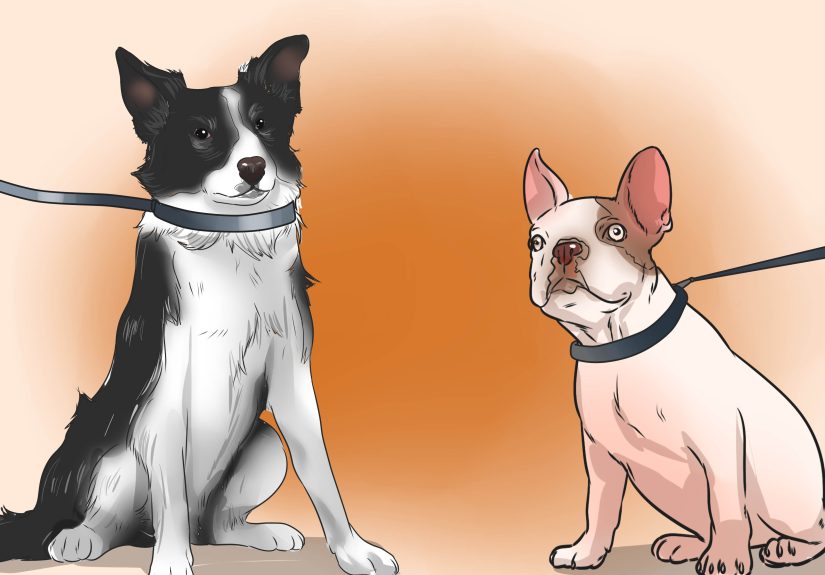
- Favor parallel walks and gradual, neutral meet-ups over chaotic greetings.
- Avoid crowded off-leash situations if your dog struggles with arousal or rude play.
- Learn your dog’s “tells” (stiffness, hard staring, pinned ears) and intervene early.
Training Sessions That Actually Fit Real Life
The best training plan is the one you’ll do consistently. Aim for:
- 3–5 minutes of training, 2–4 times a day (yes, that short!)
- 1–2 enrichment activities daily (sniff walks, puzzle feeders, shredding boxes)
- Structured play (tug with rules, fetch with impulse control)
A sample day for a young bully breed
- Morning: potty + short loose-leash practice + breakfast in a puzzle feeder
- Midday: nap/quiet time + 3-minute “leave it” game
- Afternoon: sniff walk + calm settle on mat while you do life
- Evening: structured tug/fetch + crate time with a chew
Exercise vs. Enrichment (They’re Not the Same)
Bully breeds often have athletic bodies and curious minds. Pure exercise tires the body; enrichment satisfies the brain. You usually need both.
- Exercise ideas: brisk walks, flirt pole (with rules), hiking, swimming
- Enrichment ideas: scent games, food scatters, training new tricks, “find it”
Bonus: enrichment tends to reduce nuisance behaviors like chewing furniture, counter-surfing, and “creative remodeling.”
When to Call a Pro (and What “Pro” Means)
If your dog shows aggression, severe reactivity, or anxiety that’s disrupting daily life, don’t wait. Look for:
- Certified professional trainers (CPDT-KA/CPDT-KSA) for skills and manners
- Behavior consultants (IAABC) for complex behavior plans
- Veterinary behaviorists for cases involving serious aggression or medication support
Ask what methods they use. If the plan involves fear, pain, or intimidation, keep shopping.
FAQ
Are bully breeds harder to train?
Not inherently. Many are eager learners. The “hard” part is that they’re strong, enthusiastic, and sometimes easily over-arousedso consistency matters more.
What age should I start training?
Immediately. Puppies learn from day one. Adult rescues also learn quickly when training is clear and rewarding.
Should I use a prong or shock collar because my dog is strong?
Strength is a training problem, not a pain-compliance problem. Reward-based training plus smart management (and the right equipment) is safer and builds a better long-term relationship.
Conclusion: Your Dog Doesn’t Need to Be PerfectJust Prepared
Training a bully breed dog is about building a teammate: a dog who can handle the world with confidence, self-control, and good manners. Focus on reward-based learning, safe socialization, leash skills, and calmness. Keep sessions short, celebrate small wins, and remember: consistency beats intensity every time.
And when your dog nails a polite greeting without body-slamming your aunt? Go ahead. Brag a little. You earned it.
Real-World Experiences: What Life with a Bully Breed Trainer’s Plan Actually Looks Like (500+ Words)
The internet loves a dramatic “before and after” story. Real training is less like a makeover show and more like learning to cook: it’s messy at first, you burn a few metaphorical casseroles, and then one day you realize you’re actually pretty good at this. Below are common, real-life experiences owners report while training bully breed dogswritten as composite scenarios so you can recognize the patterns (and feel less alone).
1) The “My Dog Is Friendly… Just Loud About It” Phase
A lot of bully breed dogs greet the world like it’s their birthday party. They may lunge toward people or dogs, not out of malice, but because excitement runs faster than manners. Owners often describe feeling embarrassed: “He’s sweet, I swear!” The breakthrough typically comes when the owner stops trying to apologize their way through walks and starts training check-ins and loose-leash walking in low-distraction places first. Once the dog learns that looking back at you makes good stuff happen, you’ll see fewer “launch attempts” and more “Hey, what’s the plan?” glances.
2) The “Adolescence Ate My Homework” Phase
Many owners say their bully breed puppy was a star… until somewhere around adolescence when the dog suddenly develops selective hearing. This is normal. The dog isn’t “being stubborn,” they’re experiencing a developmental stage where impulse control lags behind big feelings. People often panic and try longer, harsher training sessions. That usually backfires. What helps is going back to basics: shorten sessions, increase rewards, reduce distractions, and rebuild consistency. Think of it as re-installing software updates, not fighting a rebellion.
3) The “Chew First, Ask Questions Later” Phase
Bully breeds can be powerful chewers. Owners often discover that “durable” is a marketing term, not a guarantee. The experience that changes everything is when people stop treating chewing as a problem to punish and start treating it as a need to meet. When dogs get daily enrichmentfood puzzles, safe chew items, supervised shredding gamesfurniture becomes less interesting. The other big shift is management: using baby gates, crate training, and putting tempting items out of reach. It’s not glamorous, but it’s effective.
4) The “My Dog Plays Like a Linebacker” Phase
Many bully-type dogs have a rough-and-tumble play style. Owners may notice that their dog’s idea of fun is body-slamming followed by enthusiastic face-licking (which, somehow, is still affectionate). The most helpful experience is learning to advocate for your dog and others: choosing appropriate play partners, keeping play sessions short, and doing frequent “breaks” where the dog comes to you, takes a breath, and earns a reward before returning to play. People often report that once they practice these breaks consistently, their dog’s play becomes safer and easier to interrupt.
5) The “Confidence Comes from a Routine” Phase
One of the most surprising experiences owners share is how much a bully breed dog relaxes once the household has a predictable rhythm. Dogs who seemed “wild” often become calm when they can count on naps, structured walks, training games, and quiet time. Owners frequently describe the moment it clicks: their dog chooses to lie down on a mat while they cook dinner, without being asked. That’s not magicit’s the result of reinforcing calmness, meeting needs, and practicing “settle” until it becomes a habit.
If you’re in the middle of training and it feels like progress is slow, you’re probably doing it right. The best-trained bully breed dogs aren’t created by domination, perfect timing, or superhero patience. They’re created by owners who show up consistently, reward what they like, manage what they can’t train yet, and keep a sense of humor when their dog tries to carry a whole stick through a doorway like a tiny, muscular interior designer.