Table of Contents >> Show >> Hide
- What Acid Reflux Actually Is
- What Works Best for Acid Reflux Treatment
- Do Natural Remedies for Acid Reflux Work?
- When Medication Makes More Sense Than Home Remedies
- When You Should See a Doctor
- A Simple, Realistic Plan for Treating Acid Reflux
- So, Do Natural Remedies Work?
- Real-Life Experiences People Often Have With Acid Reflux
- Conclusion
Acid reflux has a special talent: it can turn one innocent slice of pizza into a midnight betrayal. One minute you are living your life, the next minute your chest feels like it borrowed a dragon. If that sounds familiar, you are not alone. Occasional reflux is common, but frequent reflux can slide into GERD, or gastroesophageal reflux disease, which is the longer-lasting, more troublesome version of the problem.
So where do natural remedies for acid reflux fit in? Can ginger tea, apple cider vinegar, or the internet’s favorite mystery tonic actually help? The honest answer is: some natural approaches can support symptom relief, but most are helpers, not heroes. The strongest evidence still points to practical lifestyle changes, smart meal timing, weight management when needed, and medication when symptoms are frequent or severe.
This guide breaks down what acid reflux is, what tends to work, which home remedies deserve a cautious thumbs-up, and which ones probably belong in the “nice story, weak evidence” folder.
What Acid Reflux Actually Is
Acid reflux happens when stomach contents flow backward into the esophagus. Normally, a muscular valve at the bottom of the esophagus, called the lower esophageal sphincter, keeps stomach contents where they belong. When that valve relaxes at the wrong time or does not close tightly enough, acid can move upward. The result is the classic burning feeling known as heartburn, plus possible regurgitation, sour taste, throat irritation, cough, hoarseness, or a sensation that food is hanging around longer than invited.
Occasional reflux after a giant meal is one thing. Reflux that shows up often, disturbs sleep, keeps happening for weeks, or causes inflammation is another. That is when doctors start thinking about GERD treatment, not just “maybe skip the third plate of wings.”
What Works Best for Acid Reflux Treatment
If you are looking for the best way to treat acid reflux naturally, start with the boring-looking advice that quietly works better than flashy hacks. Glamorous? No. Effective? Much more often.
1. Lose weight if extra weight is part of the picture
This is the lifestyle change with the strongest support. Extra abdominal pressure can push stomach contents upward, making reflux more likely. Even modest weight loss may reduce symptoms. No, your esophagus is not judging you. It is just a fan of physics.
2. Stop eating so close to bedtime
Late-night meals are a common reflux setup. If symptoms hit hardest at night, aim to finish eating at least three hours before lying down. Gravity is one of the cheapest reflux remedies on Earth, and it works best when you stay upright after meals.
3. Eat smaller meals
Large meals stretch the stomach and can trigger reflux. Smaller, lighter meals usually create less pressure and less drama. Slow eating helps too. Wolfing down dinner like someone is timing you on a game show does your upper digestive tract no favors.
4. Identify your personal trigger foods
There is no universal villain menu, but many people notice symptoms after fatty foods, fried foods, chocolate, peppermint, coffee, alcohol, spicy foods, tomato-based dishes, or carbonated drinks. The key word is personal. Trigger foods are not exactly identical from one person to the next. Instead of banning every enjoyable item ever created, track what consistently bothers you and work from there.
5. Elevate the head of your bed
If nighttime reflux is your repeat offender, raising the head of the bed can help. A wedge pillow or bed risers work better than stacking regular pillows, which can bend you at the waist and sometimes make reflux worse. Sleeping flat gives stomach acid a shorter commute.
6. Sleep on your left side
This is one of those simple tricks that sounds weird until it works. For many people, lying on the left side reduces nighttime reflux more than lying on the right side. It is not magic. It is anatomy.
7. Stop smoking and go easy on alcohol
Smoking can worsen reflux, and alcohol can relax the lower esophageal sphincter in some people. If either one clearly makes symptoms worse, cutting back or quitting may help more than any trendy supplement with a woodland label.
8. Check your medications and habits
Certain medications may aggravate reflux or irritate the esophagus. Tight clothing around the waist, heavy lifting right after meals, and fast, oversized dinners can also contribute. Reflux sometimes behaves less like a mystery illness and more like a badly managed schedule.
Do Natural Remedies for Acid Reflux Work?
Here is the practical answer: some natural remedies may help certain people, but most do not have strong, consistent evidence. A few are useful as add-ons. A few are overhyped. A few can backfire. Let’s sort them into honest categories.
Natural options with the best support
Alginate-based products are the standout. Alginates come from brown seaweed and work by creating a floating barrier, sometimes called a “raft,” over stomach contents. That barrier can reduce reflux symptoms, especially after meals and at bedtime. They are not the same thing as random herbal syrup from social media. If you want one nonprescription option with better evidence than most “natural” remedies, this is the one to know.
Chewing sugar-free gum after meals may help some people. More saliva can help neutralize and wash acid back downward. Just skip peppermint flavors if peppermint is one of your triggers, because that would be an impressively avoidable plot twist.
Low-acid, high-fiber foods can also help symptoms, even if they are not a “remedy” in the supplement sense. Oatmeal, whole grains, non-citrus fruits, vegetables, lean proteins, broth-based soups, and foods with high water content may be easier on reflux than rich, greasy, or acidic meals.
Natural options that might help, but evidence is limited
Ginger is often recommended for digestive complaints, and there is some research suggesting it may help upper GI symptoms. But this is not a universal win. Ginger can also cause heartburn or stomach irritation in some people, especially in supplement form or large amounts. In other words, ginger is not evil, but it is not automatically your esophagus’s best friend either.
Probiotics are interesting, and some studies suggest they may improve symptoms like regurgitation or bloating in certain people. Still, the evidence is not strong enough to treat probiotics as a primary therapy for GERD. They may support gut health for some people, but they are not a guaranteed answer for reflux.
Herbal teas sometimes feel soothing, mostly because warm liquids can be comforting. But “soothing” is not the same thing as clinically proven. Non-caffeinated teas may work for some people, while peppermint tea may actually worsen symptoms.
Natural options that are overhyped or risky for some people
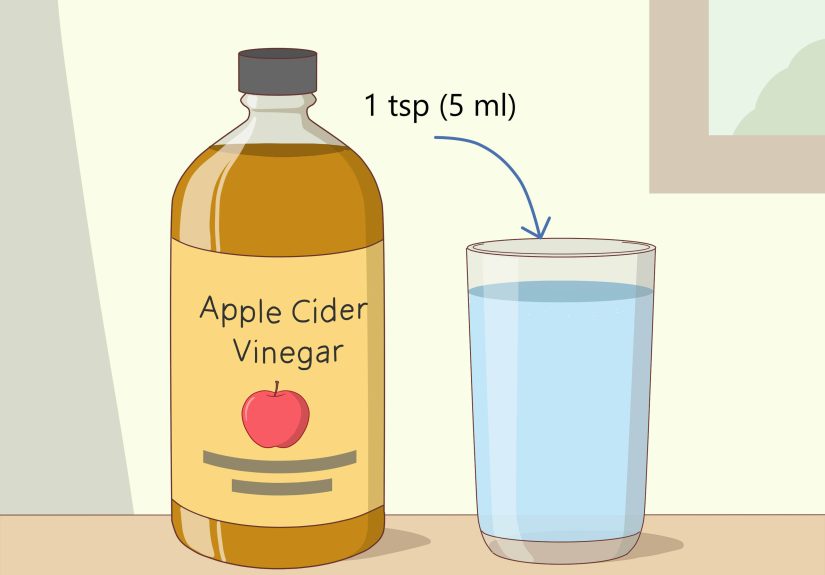
Apple cider vinegar gets enormous internet attention, but the actual evidence is thin. There is not good published research showing that it treats heartburn, and because it is acidic, it may make symptoms worse for some people. It can also irritate the throat and teeth, especially if used often or undiluted. Acid fighting acid sounds clever until your esophagus files a complaint.
Peppermint oil is another one to approach carefully. It may help some digestive issues, but it can also trigger or worsen heartburn. This is not the moment to confuse “natural” with “always helpful.” Poison ivy is natural too, and nobody is making a smoothie out of it on purpose.
Digestive enzyme supplements are commonly marketed for reflux, but they are not a standard evidence-based treatment for GERD. Unless you have a diagnosed enzyme problem, they may be more expensive than useful.
Random herbal blends with licorice, aloe, papaya, slippery elm, melatonin, or mystery botanicals may sound impressive, but evidence is mixed, limited, or too small to be confident. Some supplements can also interact with medications or affect blood pressure, potassium, blood sugar, or pregnancy safety. “Natural” still deserves the side-eye when labels get too confident.
When Medication Makes More Sense Than Home Remedies
Home care is not always enough. If you have reflux often, wake up at night with symptoms, or keep buying antacids like they are concert tickets, medication may be more appropriate.
Antacids
Antacids can help with occasional heartburn by neutralizing stomach acid. They are useful for quick relief, but they are not designed to solve ongoing GERD by themselves.
H2 blockers
These reduce the amount of acid your stomach makes. They can be helpful when symptoms happen more than occasionally.
Proton pump inhibitors (PPIs)
PPIs reduce stomach acid more strongly and are generally better than H2 blockers at healing irritation in the esophagus. If symptoms are frequent, persistent, or clearly affecting your quality of life, PPIs often become part of standard treatment. That does not mean everyone needs them forever, but it does mean reflux is not a contest to see how long you can suffer before using effective therapy.
When You Should See a Doctor
Do not assume every chest burn is “just reflux.” Seek medical care right away if you have chest pain with shortness of breath, jaw pain, or arm pain. Also get checked if you have trouble swallowing, pain with swallowing, vomiting, bleeding, black stools, frequent vomiting, choking, hoarseness that lingers, loss of appetite, or unplanned weight loss.
You should also make an appointment if you have reflux symptoms often, need nonprescription medicine more than twice a week, or symptoms keep coming back despite lifestyle changes. Long-term reflux can lead to inflammation, damage, and complications such as Barrett’s esophagus in some people, so persistent symptoms are worth taking seriously.
A Simple, Realistic Plan for Treating Acid Reflux
- Track symptoms for two weeks and write down likely triggers.
- Eat smaller meals and stop eating at least three hours before bed.
- Cut back on your personal trigger foods instead of banning everything at once.
- Raise the head of your bed if nighttime reflux is a problem.
- Sleep on your left side when possible.
- Work on weight loss if recommended for your body and health.
- Try an evidence-based nonprescription option, such as an antacid for occasional symptoms or an alginate-based product if it fits your situation.
- See a clinician if symptoms are frequent, severe, or not improving.
So, Do Natural Remedies Work?
Yes, but mostly in a supporting role. Natural remedies for acid reflux work best when they are practical, low-risk, and paired with proven habits. Meal timing, weight management, trigger awareness, bed elevation, and left-side sleeping often do more than the flashy internet cures. Among “natural” options, alginates have the best support, while ginger and probiotics fall into the “maybe helpful, maybe not” category. Apple cider vinegar and peppermint deserve much more caution than the internet usually gives them.
If your reflux is occasional, simple changes may be enough. If it is frequent, painful, or disruptive, do not waste months in a duel with your spice rack. Reflux can usually be managed, but the best treatment is the one that matches the severity of your symptoms and the reality of your life.
Real-Life Experiences People Often Have With Acid Reflux
One of the most frustrating things about acid reflux is that it rarely shows up with perfect manners. For some people, it begins as occasional heartburn after restaurant meals, especially the kind that arrive glistening with cheese, grease, tomato sauce, and optimism. At first, symptoms seem random. Then patterns start to appear. The burning gets worse after eating late, after collapsing onto the couch, or after celebrating “just one more slice” like it is a medical strategy.
Many people describe nighttime reflux as the moment things get real. Daytime heartburn is annoying. Nighttime reflux is personal. It can wake people up with chest burning, coughing, throat irritation, a sour taste, or that awful sensation that acid somehow found a way to become an alarm clock. A lot of people do not realize how much meal timing matters until they stop eating three hours before bed and suddenly sleep like their esophagus finally negotiated a peace treaty.
Another common experience is assuming one “healthy” food should work for everyone. Someone hears that ginger helps. Another person swears by yogurt. Someone else treats apple cider vinegar like a sacred ritual. Then real life happens. One person feels better with ginger tea, another gets more burning, and a third discovers that vinegar before bed was a truly ambitious mistake. Acid reflux has a way of humbling one-size-fits-all advice.
People also often notice that stress changes the whole picture. Stress may not directly cause GERD, but it can make symptoms feel louder, routines messier, and meals less mindful. When people are rushed, they tend to eat faster, eat later, sleep worse, and ignore early symptoms. Then reflux becomes the body’s rude but effective calendar reminder.
Weight-related reflux can feel especially discouraging because the improvement is usually gradual, not dramatic. But people often report meaningful changes after small, steady progress. It is not always a movie montage where ten pounds vanish and heartburn packs its bags overnight. More often, it is a quieter story: fewer nighttime symptoms, fewer emergency antacids in the car, less throat clearing in the morning, and fewer regrets after dinner.
One of the most relatable experiences is the trial-and-error phase. People raise the head of the bed and feel silly until it helps. They switch from huge dinners to smaller meals and realize their stomach was not asking for punishment, just boundaries. They try left-side sleeping and discover that anatomy is more persuasive than internet arguments. These are not glamorous changes, but they are often the ones people stick with because they actually improve daily life.
Perhaps the biggest shared experience is relief when symptoms finally make sense. Reflux feels less scary when people learn what triggers it, what helps it, and when it needs medical attention. That knowledge matters. It turns random suffering into a plan. And for a condition that loves chaos, having a plan is half the victory.
Conclusion
Acid reflux treatment works best when it is grounded in evidence, not hype. The most reliable natural approaches are not exotic at all: smaller meals, smarter timing, fewer personal trigger foods, weight loss when needed, bed elevation, and left-side sleeping. Natural products can sometimes help, but they should support the basics, not replace them. If symptoms are frequent, stubborn, or alarming, the wise move is not to keep experimenting with pantry chemistry. It is to get evaluated and use the right treatment.