Table of Contents >> Show >> Hide
- First: Know When High Blood Pressure Is an Emergency
- How to Lower Blood Pressure Fast and Safely
- What Not to Do When Blood Pressure Is High
- How to Take an Accurate Blood Pressure Reading at Home
- Natural Ways to Lower Blood Pressure Over Time
- Foods That May Help Lower Blood Pressure
- A Simple 24-Hour Plan After a High Reading
- When to Talk to a Doctor
- Experience-Based Tips: What Lowering Blood Pressure Fast Looks Like in Real Life
- Conclusion
Note: This article is for general educational purposes and is based on current patient-education guidance from leading U.S. health organizations, including the American Heart Association, CDC, NIH/NHLBI, Mayo Clinic, MedlinePlus, FDA, Harvard Health, and Cleveland Clinic. It is not a substitute for medical care. If blood pressure is extremely high or symptoms are present, seek emergency help.
High blood pressure has a talent for showing up like an uninvited guest: suddenly, silently, and usually when you were trying to have a normal day. Maybe you checked your blood pressure at home and saw a number that made your eyebrows climb. Maybe your smartwatch, pharmacy machine, or doctor’s office reading sparked the question: How can I lower blood pressure fast?
The honest answer is this: you can often bring a temporary spike down by resting, breathing slowly, removing triggers, and taking prescribed medication exactly as directed. But you should not try to “crash” blood pressure quickly with random hacks, extra pills, extreme exercise, or mystery internet potions. Blood pressure is not a video game boss. The goal is steady control, not a dramatic takedown.
This guide explains what to do immediately, when high blood pressure becomes an emergency, and which natural lifestyle habits can help lower blood pressure safely over time. You will also find practical examples, simple routines, and real-world experience-style tips at the end.
First: Know When High Blood Pressure Is an Emergency
Before trying any at-home method, check the seriousness of the reading. A blood pressure reading of 180/120 mm Hg or higher is considered a hypertensive crisis range. If that number comes with symptoms such as chest pain, shortness of breath, severe headache, weakness, numbness, vision changes, back pain, confusion, or trouble speaking, call emergency services immediately.
Do not wait around to see whether a calming playlist, herbal tea, or “just one more reading” fixes it. In a true hypertensive emergency, organs such as the brain, heart, kidneys, and eyes can be at risk. Fast medical treatment matters.
What If the Reading Is High but You Feel Fine?
If your blood pressure is very high but you have no symptoms, sit quietly for five minutes and measure again using proper technique. Make sure your feet are flat on the floor, your back is supported, your arm is at heart level, and the cuff fits correctly. A rushed reading taken after coffee, stress, exercise, or a dramatic argument with your printer can be misleading.
If the reading remains extremely high, contact a healthcare professional promptly for advice. If you are prescribed blood pressure medication, take it only as directed. Do not double up unless your clinician has specifically told you to do so.
How to Lower Blood Pressure Fast and Safely
When blood pressure is elevated but not an emergency, the safest “fast” steps focus on calming your nervous system, improving measurement accuracy, and removing short-term triggers. These methods may help bring a temporary spike down within minutes to hours, especially if stress, caffeine, pain, poor sleep, or activity caused the rise.
1. Sit Quietly and Stop Moving for 5 to 10 Minutes
The simplest first move is also one of the most overlooked: sit down and do nothing. Revolutionary, yes. But effective? Often.
Physical activity, rushing, stairs, anxiety, and even talking can temporarily raise blood pressure. Sit in a chair with your back supported. Keep your feet flat on the floor. Rest your arm on a table at heart level. Avoid scrolling through stressful news, reading work emails, or mentally replaying that awkward thing you said in 2017.
After five to ten minutes, take another reading. Many people discover that the second number is lower simply because the body had a chance to settle.
2. Practice Slow, Deep Breathing
Slow breathing can help activate the body’s relaxation response. When stress hormones are running the show, your heart rate and blood pressure may rise. Breathing slowly tells your nervous system, “We are not being chased by a bear; we are just annoyed by traffic.”
Try this simple pattern:
- Inhale through your nose for four seconds.
- Exhale slowly for six to eight seconds.
- Repeat for five minutes.
You can also try box breathing: inhale for four seconds, hold for four, exhale for four, hold for four. Keep it gentle. The goal is not to win an Olympic medal in breathing. It is to slow down your body’s stress response.
3. Remove Immediate Triggers
Blood pressure can rise temporarily after caffeine, nicotine, intense exercise, pain, anxiety, salty meals, dehydration, poor sleep, or certain medications. If you are trying to lower blood pressure fast, pause anything that may be pushing it up.
For example, skip the second large coffee, avoid energy drinks, stop smoking or vaping, and do not start a high-intensity workout during a spike. If you are in a loud or stressful environment, move somewhere quieter. If you are overheated, cool down gradually with shade, light clothing, and water.
4. Drink Water If You May Be Dehydrated
Dehydration can affect circulation and make the heart work harder. If you have not had much fluid, drink a glass of water and rest. Do not chug gallons like you are trying to become a human aquarium. Normal hydration is the goal.
Water will not instantly “cure” hypertension, but it may help if dehydration is contributing to the spike. It is especially useful after sweating, illness, travel, or a long day of forgetting that humans are not houseplants and still need fluids.
5. Take Prescribed Medication Exactly as Directed
If you already have a blood pressure prescription, follow your healthcare provider’s instructions. Some medications are designed for daily control; others may have specific directions for missed doses or unusually high readings.
Do not take extra medication, borrow someone else’s pills, or combine remedies because a social media post sounded confident. Blood pressure medicines can cause dizziness, fainting, kidney problems, or dangerous interactions when used incorrectly. When in doubt, contact a clinician, pharmacist, or urgent care service.
6. Take a Gentle Walk Only If It Feels Safe
Regular exercise helps lower blood pressure over time, but during a sudden spike, intense exercise is not the answer. If your reading is only mildly elevated and you feel well, a relaxed walk may help reduce stress. Keep it easy. Think “stroll around the block,” not “training montage with dramatic music.”
If your blood pressure is very high, or if you have chest pain, shortness of breath, dizziness, weakness, or neurological symptoms, do not exercise. Seek medical help.
What Not to Do When Blood Pressure Is High
When people search for how to lower blood pressure fast, they often want a magic switch. Unfortunately, some “fast fixes” can be risky or simply useless. Avoid these common mistakes:
- Do not take extra medication unless your doctor has told you to do so.
- Do not use alcohol to calm down; alcohol can worsen blood pressure control.
- Do not do intense exercise during a severe spike.
- Do not rely on garlic pills, vinegar, or detox drinks as emergency treatment.
- Do not ignore symptoms such as chest pain, weakness, vision changes, or trouble speaking.
Fast and safe means calming the body, checking accurately, and getting medical help when needed. It does not mean experimenting with your cardiovascular system like it is a science fair project.
How to Take an Accurate Blood Pressure Reading at Home
Sometimes the fastest way to “lower” blood pressure is to measure it correctly. A bad reading can make a normal situation look scary. Use these steps for better accuracy:
- Avoid caffeine, nicotine, and exercise for at least 30 minutes before measuring.
- Empty your bladder first.
- Sit quietly for five minutes.
- Keep both feet flat on the floor.
- Support your back and arm.
- Place the cuff on bare skin, not over clothing.
- Take two readings one minute apart and record both.
Home monitoring can help you and your healthcare provider understand patterns. A single reading is useful, but a log of readings is much better. Blood pressure can change throughout the day, so consistent timing matters.
Natural Ways to Lower Blood Pressure Over Time
Fast relief is helpful, but long-term control is the real win. Think of it like fixing a leaky roof. A bucket helps during the storm, but eventually you need to repair the roof.
Follow the DASH Eating Plan
The DASH diet, short for Dietary Approaches to Stop Hypertension, was designed to help lower blood pressure. It emphasizes fruits, vegetables, whole grains, low-fat dairy, beans, nuts, seeds, fish, poultry, and lean proteins. It limits saturated fat, added sugar, and sodium.
A DASH-style plate might include grilled salmon, brown rice, steamed broccoli, a side salad, and fruit for dessert. It is not punishment food. You are not sentenced to a lifetime of plain lettuce and sadness. The DASH diet can be colorful, filling, and surprisingly normal.
Reduce Sodium Without Making Food Boring
Sodium is a major blood pressure player. Many Americans consume more sodium than recommended, often from packaged foods, restaurant meals, deli meats, canned soups, frozen dinners, sauces, and salty snacks.
To cut sodium without ruining dinner, try herbs, garlic, lemon juice, vinegar, pepper, smoked paprika, cumin, basil, oregano, or salt-free seasoning blends. Read Nutrition Facts labels and compare brands. A “healthy-looking” soup can still carry enough sodium to make your arteries raise an eyebrow.
Increase Potassium-Rich Foods If Appropriate
Potassium helps balance sodium and supports healthy blood pressure. Foods rich in potassium include bananas, oranges, potatoes, sweet potatoes, spinach, beans, lentils, yogurt, avocado, and tomatoes.
However, people with kidney disease or those taking certain medications may need to limit potassium. Ask a healthcare provider before making big potassium changes if you have kidney problems or take blood pressure medicines such as ACE inhibitors, ARBs, or potassium-sparing diuretics.
Move Your Body Most Days
Regular physical activity strengthens the heart so it can pump blood with less effort. Aim for a realistic routine: brisk walking, cycling, swimming, dancing, or low-impact cardio. Strength training can also help when done safely and consistently.
You do not need to become a marathon runner. Start with 10-minute walks after meals. Add more time as your body adapts. The best exercise for lowering blood pressure is the one you will actually do more than twice.
Limit Alcohol and Avoid Nicotine
Alcohol can raise blood pressure and interfere with medication. If you drink, moderation matters. Nicotine also raises blood pressure and damages blood vessels, whether it comes from cigarettes, vaping, or other tobacco products.
Quitting nicotine can be difficult, but it is one of the strongest moves for heart and blood vessel health. Support from a healthcare professional, counselor, or quitline can make the process more manageable.
Improve Sleep Quality
Poor sleep can make blood pressure harder to control. Try keeping a regular sleep schedule, limiting screens before bed, reducing late caffeine, and creating a cooler, darker bedroom. If you snore loudly, wake up gasping, or feel exhausted despite enough sleep, ask a clinician about sleep apnea. Untreated sleep apnea can contribute to high blood pressure.
Manage Stress Before It Manages You
Stress can cause short-term blood pressure spikes and may lead to habits that worsen blood pressure, such as overeating, smoking, drinking too much alcohol, sleeping poorly, or skipping exercise.
Useful stress tools include slow breathing, walking, journaling, prayer or meditation, stretching, music, therapy, and setting boundaries. Sometimes “stress management” means saying no without writing a 14-paragraph apology. Your blood vessels may applaud.
Foods That May Help Lower Blood Pressure
No single food lowers blood pressure instantly, but a heart-smart pattern can help over time. Add more of these foods regularly:
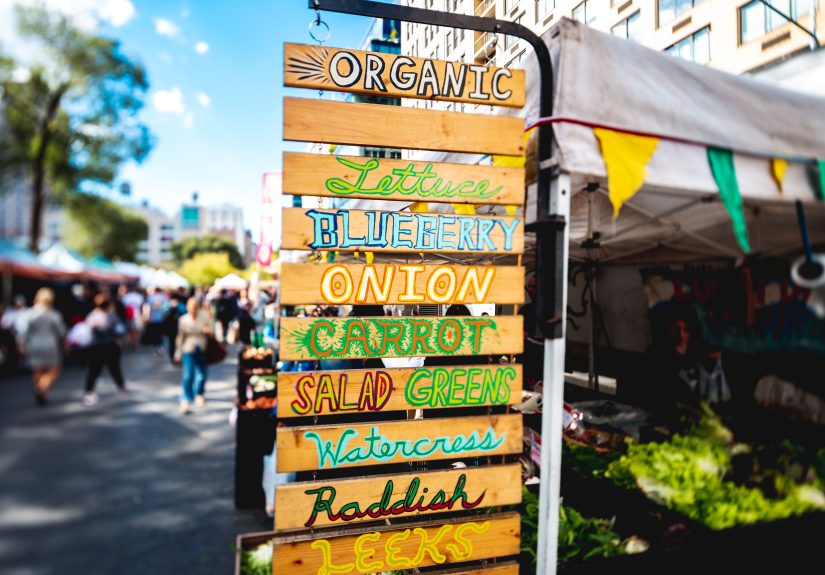
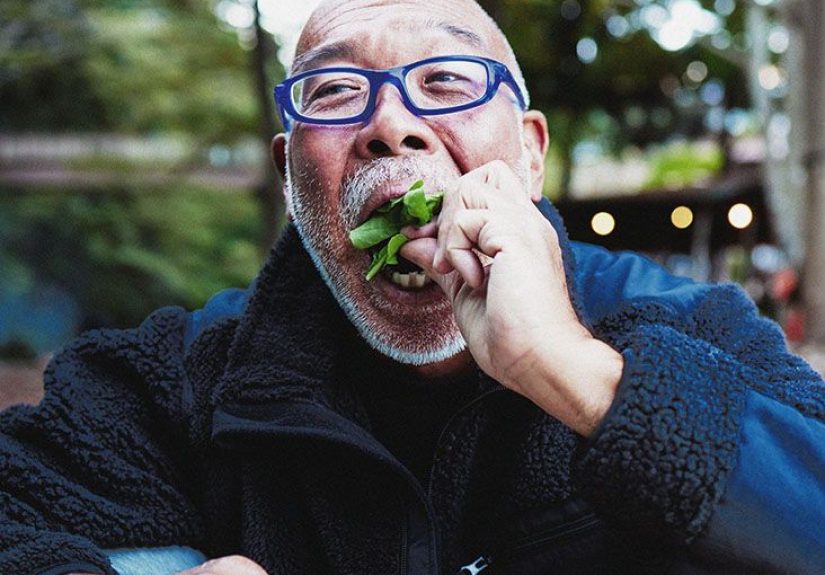
- Leafy greens: spinach, kale, collards, and romaine.
- Berries: blueberries, strawberries, and raspberries.
- Beans and lentils: rich in fiber, minerals, and plant protein.
- Low-fat yogurt: offers calcium and protein.
- Oats: a simple high-fiber breakfast option.
- Fatty fish: salmon, sardines, and trout provide omega-3 fats.
- Nuts and seeds: choose unsalted versions.
At the same time, reduce ultra-processed foods, salty snacks, sugary drinks, fast food, processed meats, and oversized restaurant portions. You do not have to eat perfectly. You just need your usual choices to move in a better direction.
A Simple 24-Hour Plan After a High Reading
If your blood pressure is elevated but not in emergency territory, here is a practical day-one plan:
Morning
Sit quietly and take two readings one minute apart. Record them. Eat a lower-sodium breakfast such as oatmeal with berries and unsalted nuts, or eggs with vegetables and whole-grain toast. Skip extra caffeine if you know it raises your blood pressure.
Midday
Take a 10- to 20-minute easy walk if you feel well. Choose a lunch with vegetables, lean protein, and whole grains. Drink water. Avoid salty sauces, deli meats, and fast food if possible.
Evening
Take another set of readings before dinner or at a consistent time recommended by your healthcare provider. Try a DASH-style dinner, such as chicken or beans with vegetables and brown rice. Spend five minutes doing slow breathing before bed.
If your numbers remain high across repeated readings, contact a healthcare professional. A pattern matters more than one dramatic number, but repeated high readings deserve attention.
When to Talk to a Doctor
Make an appointment if your blood pressure readings are often above your target range, if you are newly seeing elevated numbers, or if your medication does not seem to be working. Also talk to a clinician if you experience side effects such as dizziness, swelling, fatigue, or frequent lightheadedness.
High blood pressure is common, but it is not something to shrug off. It increases the risk of heart disease, stroke, kidney disease, vision problems, and other serious complications. The good news is that treatment works. Lifestyle changes, home monitoring, and medication when needed can make a major difference.
Experience-Based Tips: What Lowering Blood Pressure Fast Looks Like in Real Life
In real life, lowering blood pressure fast is rarely a dramatic movie scene. It usually looks like a person sitting down, breathing slowly, drinking water, checking the cuff position, and realizing that panic was adding fuel to the fire. The first experience many people have with a scary reading is emotional. They see the number, tense up, take another reading immediately, and then the second number is even higher. That does not always mean the body is getting worse. Sometimes it means anxiety has joined the party wearing tap shoes.
A practical approach begins with respecting the reading without becoming ruled by it. For example, someone checks their blood pressure after rushing home, carrying groceries, drinking coffee, and arguing with traffic. The monitor flashes a high number. Instead of spiraling, they sit quietly for ten minutes, keep both feet on the floor, relax their shoulders, and breathe slowly. They retake the reading with the cuff at heart level. The number may still be elevated, but it is often lower and more useful.
Another common experience involves discovering hidden sodium. A person may say, “I barely use the saltshaker,” while eating restaurant meals, frozen pizza, deli sandwiches, bottled sauces, and crunchy snacks that are basically sodium wearing a costume. Once they start reading labels, they realize the saltshaker was not the main villain. Switching to lower-sodium soups, rinsing canned beans, choosing grilled foods, and flavoring meals with lemon, garlic, and herbs can make blood pressure easier to manage without turning dinner into cardboard.
Stress is another real-world trigger. A stressful workday, poor sleep, and too much caffeine can create the perfect blood pressure thunderstorm. People often notice improvement when they build a five-minute reset into the day. That reset might be slow breathing in the car before going inside, a short walk after lunch, or turning off notifications for a while. Small? Yes. Too simple to matter? Not at all. Blood pressure loves boring consistency.
Exercise also works best when it is realistic. Many people try to overhaul everything at once: new gym membership, new shoes, new meal plan, new personality by Monday. Then life happens, and the plan collapses like a lawn chair. A better experience is starting with short walks. Ten minutes after breakfast or dinner can become fifteen, then twenty. Over time, the heart gets stronger, stress drops, sleep improves, and blood pressure often follows.
Home monitoring can be empowering, but it can also become obsessive. Checking every five minutes usually increases stress and produces confusing numbers. A better habit is measuring at consistent times, writing readings down, and sharing the pattern with a healthcare provider. The monitor should be a tool, not a tiny electronic dictator on the kitchen table.
The biggest lesson from real-life blood pressure control is that fast fixes are helpful only when they are safe. Resting, breathing, hydrating, avoiding caffeine, and taking prescribed medication correctly can help with short-term spikes. But lasting success comes from repeated ordinary choices: less sodium, more whole foods, regular movement, better sleep, stress management, and medical follow-up. It is not flashy, but neither is brushing your teethand that works pretty well too.
Conclusion
So, how do you lower blood pressure fast? Start by checking whether the reading is an emergency. If it is extremely high with serious symptoms, call emergency services. If it is elevated but not urgent, sit quietly, breathe slowly, remove triggers, hydrate if needed, and take prescribed medication only as directed. Then focus on the long game: DASH-style eating, lower sodium, regular exercise, better sleep, stress control, and consistent home monitoring.
High blood pressure may be quiet, but your response does not have to be confused. With the right steps, you can handle sudden spikes more calmly and build habits that support healthier numbers over time.