Table of Contents >> Show >> Hide
- What a 240V Outlet Is (and Why It’s Not “Just a Bigger Plug”)
- Before You Touch Anything: The Safety and Legal Reality Check
- Step One (The Safe Kind): Identify What You’re Powering
- Know the Common 240V Outlet Types (NEMA Patterns, Decoded)
- Do You Have the Electrical Capacity for a New 240V Circuit?
- Location Planning: Where the Outlet Goes Matters More Than People Think
- What “Wiring a 240V Outlet” Actually Involves (High-Level Overview)
- DIY-Friendly Prep You Can Do (Without Risking a Shock)
- What to Ask Your Electrician (So You Sound Like You’ve Done This Before)
- Common Mistakes Homeowners Make (So You Can Avoid Them)
- Troubleshooting Red Flags: When to Stop Immediately
- How Much Does a 240V Outlet Installation Cost?
- FAQ: Quick Answers People Google at 1:00 a.m.
- Conclusion: The Smart DIY Move Is a Safe, Professional Install
- Real-World Experiences and Lessons (The “I Wish Someone Told Me” Add-On)
Let’s get one thing straight: a 240V outlet isn’t like swapping a light switch or hanging a ceiling fan. It’s closer to “small home infrastructure project” than “cute weekend DIY.” And because you asked for a DIY guide, I’m going to do the most responsible DIY thing I can do here: help you understand what’s involved, what decisions matter, what the safe/legal path looks like, and how to talk to a licensed electrician like you’ve got a clipboard and a plan.
Why the caution? A 240V circuit can cause severe shock, arc flash, and house fires if installed incorrectly. Also, most places require permits and inspection for new circuits. So this article is a DIY planning and decision guidenot a step-by-step “connect these wires like this” tutorial. If you want the outlet done safely and to code (and you do), the best “DIY” move is to do the planning, prep, and quality control… and let a qualified pro handle the energized work.
What a 240V Outlet Is (and Why It’s Not “Just a Bigger Plug”)
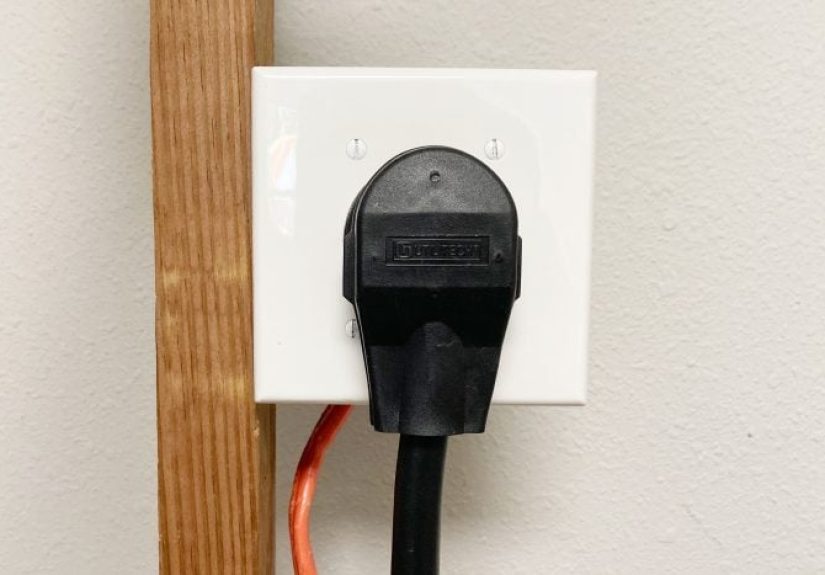
In the U.S., many heavy-duty appliances run on 240 volts: electric dryers, ranges, ovens, some water heaters, welders, shop equipment, and many EV chargers. A typical 120V outlet powers smaller loads (lamps, TVs, phone chargersyour entire “I forgot to unplug it” ecosystem). A 240V outlet is designed for higher power demand and usually requires a dedicated circuitmeaning it serves one appliance and one appliance only.
Translation: it’s not just the receptacle. A correct 240V setup involves circuit sizing, breaker selection, correct cable/conductor sizing, grounding, appropriate box and receptacle type, proper strain relief, and compliance with local code requirements (which can vary). The outlet is the visible tip of the iceberg; the real work is behind the walls and in the panel.
Before You Touch Anything: The Safety and Legal Reality Check
Electricity does not forgive confidence
If you open a panel or work on a circuit without proper training and protective practices, you can be injured or worse. Even “I turned the breaker off” can be wrong if circuits are mislabeled, shared neutrals exist, or the panel is modified incorrectly.
Permits and inspection exist for a reason
A new 240V circuit is often permit-required. Inspection isn’t paperwork theater; it’s someone verifying the circuit is safe, correctly protected, and properly grounded. That matters for your family, your resale value, and sometimes your insurance coverage.
The best DIY role: planning, prep, and verification
You can absolutely DIY the “project management” side: confirm appliance requirements, choose the right outlet type, plan location, understand load needs, request permits, and get a clean, professional install. Think of yourself as the general contractor for one very small (but very spicy) project.
Step One (The Safe Kind): Identify What You’re Powering
Start with the appliancenot the outlet. Find the appliance’s electrical requirements on the nameplate, manual, or manufacturer specs. You’re looking for:
- Voltage (often 240V or 208/240V for some equipment)
- Amperage (common ranges include 20A, 30A, 40A, 50A)
- Plug type (often a NEMA configuration)
- Whether it needs 3-prong vs 4-prong (older vs newer standards for some appliances)
If you’re installing for a dryer, range, or EV charger, don’t guess. The wrong outlet type is a classic “everything looks fine until it smells like regret” situation.
Know the Common 240V Outlet Types (NEMA Patterns, Decoded)
In the U.S., many 240V outlets follow NEMA configurations. These standards help ensure the correct plug matches the correct circuit rating. Some common ones you’ll see in homes and garages:
NEMA 6-series (typically 240V, two hot + ground)
- NEMA 6-15 / 6-20: Often used for certain tools or equipment (15A or 20A circuits).
- NEMA 6-30: Sometimes used for specific equipment loads.
- NEMA 6-50: Common for welders and some shop gear.
NEMA 14-series (typically 120/240V, two hot + neutral + ground)
- NEMA 14-30: Very common for modern electric dryers.
- NEMA 14-50: Common for ranges and many EV charging setups.
Why this matters: different outlets reflect different wiring needs and safety requirements. Some appliances require a neutral conductor (for 120V components like controls or lights), while others do not. Your outlet type should match what the appliance is designed to use and what the circuit is built to provide.
Do You Have the Electrical Capacity for a New 240V Circuit?
This is where many “DIY dreams” meet the reality of the service panel.
Panel space
A 240V circuit typically uses a double-pole breaker, which takes up space. If your panel is full, adding a circuit may require a subpanel or a service upgrade.
Panel capacity (load calculation)
Even if you have an empty breaker slot, your service may not have enough capacity for the new load. A qualified electrician will perform a load calculation to determine whether your system can safely support the new circuit.
Age and condition of wiring
Older homes may have outdated wiring methods, undersized conductors, or prior modifications that complicate new work. This isn’t a deal-breakerbut it’s a reason to bring in a professional.
Location Planning: Where the Outlet Goes Matters More Than People Think
Outlet placement isn’t just “close enough.” It affects safety, code compliance, and daily sanity.
Distance from the appliance
Appliance cords aren’t meant to be stretched, spliced, or extended with random adapters. Plan the outlet so the cord reaches naturally without tension. If you’re tempted to use an extension cord for a 240V appliance, pause and reread that sentence slowly.
Environment (garage, laundry, outdoors)
Some locations have extra requirements for protection, weather resistance, or special receptacle types. Garages and outdoor areas can add layers of code and safety needs.
Mounting and accessibility
It should be accessible for unplugging when needed, not buried behind immovable cabinetry like a time capsule. If you’ll ever need to service the appliance, you’ll appreciate thoughtful placement.
What “Wiring a 240V Outlet” Actually Involves (High-Level Overview)
Here’s the non-hand-wavy picturewithout the dangerous “do-this-then-do-that” instructions:
- Choosing the correct circuit rating (amperage) based on appliance requirements
- Selecting the correct conductors/cable sized for the circuit and installation method
- Installing a dedicated double-pole breaker in the service panel
- Routing the cable safely and legally through walls/ceilings/conduit (depending on the application)
- Installing an appropriate electrical box and securing it properly
- Installing the correct receptacle type that matches the appliance plug (or vice versa)
- Ensuring grounding/neutral are correct for the circuit type
- Labeling, testing, and inspection to confirm safety and compliance
If that list feels “bigger” than expected, goodyou’re seeing the full iceberg.
DIY-Friendly Prep You Can Do (Without Risking a Shock)
If you want to be hands-on, here’s where you can contribute safely while still getting a professional-grade outcome:
1) Confirm the appliance specs and plug type
Write down the voltage, amperage, and plug configuration the appliance requires. Take a photo of the nameplate and the plug (or the manual’s electrical spec page) so there’s no confusion.
2) Map your route and outlet location
Decide where the outlet should go and consider how a cable would reach it from the panel. Measure distances. Note obstructions (finished ceilings, tiled walls, brick, ductwork).
3) Check your panel for space (no cover removal)
You can look at the panel door label and breaker list to understand what’s already there. Don’t remove covers or touch anything insidejust gather information.
4) Get permit requirements in writing
Many local building departments list electrical permit rules and inspection steps online. Knowing the requirements ahead of time avoids surprise delays and ensures the job is legal.
5) Choose quality materials (with pro input)
Once you know the outlet type and location, you can discuss with your electrician the receptacle style (standard vs heavy-duty), box type, and any environmental needs. Cheap receptacles can wear faster under high-load use.
What to Ask Your Electrician (So You Sound Like You’ve Done This Before)
These questions help you confirm the work will be safe, compliant, and appropriately future-proof:
- “Will this be a dedicated circuit sized to the appliance’s requirements?”
- “Do we need a neutral for this outlet type, or is it hot-hot-ground only?”
- “Are there any GFCI requirements for this location under our local adoption of code?”
- “Is my panel capacity sufficient, or do we need a load calculation?”
- “Will this job require a permit and inspection, and do you handle that?”
- “What brand and grade of receptacle are you installing (standard vs heavy-duty)?”
- “How will the cable be routed and protected (especially in garage/outdoor areas)?”
If your electrician answers clearly and welcomes the questions, that’s a green flag. If they get annoyed that you care about safety, that’s… information.
Common Mistakes Homeowners Make (So You Can Avoid Them)
Buying the outlet before confirming the circuit
A receptacle that “fits” your plug doesn’t guarantee your circuit is sized and protected correctly. The outlet is not the boss herethe circuit is.
Assuming all 240V outlets are interchangeable
NEMA configurations exist to prevent mismatch. Adapters that “make it work” can create dangerous conditions if the circuit rating doesn’t match the load.
Ignoring heat
High-load connections can generate heat if terminations are loose or components are low quality. Heat is your early warning sign before things get dramatic.
Skipping permits and inspection
It can come back to haunt you during resale, after an incident, or when you need insurance coverage to do its job.
Troubleshooting Red Flags: When to Stop Immediately
If a 240V outlet or appliance circuit shows any of the following, stop using it and contact a licensed electrician:
- Breaker trips repeatedly under normal use
- Outlet faceplate is warm/hot
- Buzzing, crackling, or “electrical” smells
- Visible discoloration or scorch marks
- Plug feels loose or doesn’t seat firmly
This is not a “watch it for a week” situation. Electricity doesn’t do slow hintsit does previews.
How Much Does a 240V Outlet Installation Cost?
Costs vary widely based on distance from the panel, access (unfinished basement vs fully finished walls), panel capacity, and permit requirements. In many areas, a straightforward install may be a few hundred dollars, while more complex runs, difficult access, or panel upgrades can push the total significantly higher.
The cost isn’t just laborit’s safety, correct sizing, code compliance, and the peace of mind that your appliance isn’t being powered by guesswork.
FAQ: Quick Answers People Google at 1:00 a.m.
Can I convert an existing 120V outlet to 240V?
Sometimes existing wiring routes can be reused, but it depends on conductor count, wire size, circuit protection, and code. This is a job for an electrician to evaluateconversions are not “swap the receptacle and call it good.”
Do I need a 4-prong outlet for a dryer?
Many modern dryer installations use 4-prong outlets, and older homes sometimes have 3-prong. Requirements depend on local code and the appliance’s design. Treat this as a compliance question, not a preference question.
Is a 240V outlet the same thing as an EV charger?
A 240V outlet can supply power for certain plug-in EV charging equipment, but an EV charger setup has its own planning considerations (load, duty cycle, location requirements, and sometimes hardwiring). It’s worth discussing future needs if EV charging is on your horizon.
Conclusion: The Smart DIY Move Is a Safe, Professional Install
If you came here hoping for a simple “wire it up in 20 minutes” guide, I get it. We all want the home-improvement dopamine hit. But a 240V outlet is one of those projects where the best DIY energy goes into planning, making good decisions, and ensuring the final work is safe and inspected.
Do the prep: confirm the appliance requirements, choose the right outlet type, plan the location, understand the capacity implications, and get permits lined up. Then hire a licensed electrician for the energized work. Your reward is an outlet that powers your appliance reliablyand a home that doesn’t smell like toasted drywall.
Real-World Experiences and Lessons (The “I Wish Someone Told Me” Add-On)
Homeowners love to say, “It’ll be quick.” Famous last wordsright up there with “I don’t need to read the instructions” and “This paint is definitely one coat.” When it comes to adding a 240V outlet, the most common experience people share is that the outlet itself was the easy decision… and everything around it was the plot twist.
Experience #1: The panel that looked fineuntil it wasn’t. A lot of people start by opening the panel door, seeing a few open breaker spaces, and thinking, “Great, we’re golden.” Then the electrician does a proper evaluation and points out capacity limitations, older equipment, or an overloaded service. It’s not doom; it’s reality. The lesson: space isn’t the same as capacity. Treat a “full panel” or “near-limit service” as a planning step, not a personal insult.
Experience #2: The outlet location that made sense in your head… but not in the room. People often choose a spot based on convenience, then realize the appliance cord doesn’t reach comfortably, or the plug ends up awkwardly behind the machine like it’s hiding from responsibility. The smarter experience is measuring twice, visualizing the appliance in place, and choosing an outlet location that stays accessible without being in the way. Convenience is greatuntil you have to drag a dryer out like it owes you money.
Experience #3: The “adapter temptation.” If someone has the wrong receptacle type, they’ll sometimes go hunting for adapters like they’re collecting infinity stones. The stories usually end the same way: tripped breakers, warm plugs, or a sudden realization that saving money is not the same as saving your house. The lesson: if the plug and outlet don’t match, fix the plandon’t force the hardware.
Experience #4: The permit panic that becomes permit pride. Many homeowners dread permits because it feels like inviting an adult to check your homework. But once the job is permitted and inspected, people often feel reliefespecially at resale time. “Yes, it’s permitted” is a sentence that sounds good in real estate listings and even better when you’re sleeping at night.
Experience #5: The unexpected bonus of doing it right. One of the best outcomes people describe is how much smoother everything runs when the outlet is correctly sized, properly installed, and located thoughtfully. Appliances run more reliably, breakers stop nuisance-tripping, plugs fit firmly, and you’re not constantly second-guessing whether you built a tiny electrical mystery in your wall. The lesson: “done right” doesn’t just mean “safe”it means “stress-free.”
If you want the satisfying DIY feeling here, aim for the version where you become the organized, informed homeowner who makes smart decisionsand ends up with a 240V outlet that works perfectly for years. That’s the kind of project glow-up that actually lasts.