Table of Contents >> Show >> Hide
- Why Artists Start Drawing the Same Face in the First Place
- Why Turning Followers Into Illustrated Characters Actually Works
- The Biggest Lesson: Structure First, Decoration Second
- How I Started Seeing Features as Design Choices
- Expression Is Where Characters Stop Being Paper Cutouts
- Reference Is Not Cheating. It Is the Gym.
- Follower Portraits Made Me Better at Character Design, Not Just Portraiture
- What to Avoid When You Try This Yourself
- My Experience: What Happened After I Turned My Followers Into Illustrated Characters
- Conclusion
Every artist has a comfort zone. Mine, apparently, had cheekbones. And the same almond-shaped eyes. And suspiciously familiar lips. After staring at my sketches long enough, I had to admit a painful truth: I wasn’t drawing people anymore. I was drawing one unofficial mascot over and over again, just wearing different haircuts like a cartoon witness-protection program.
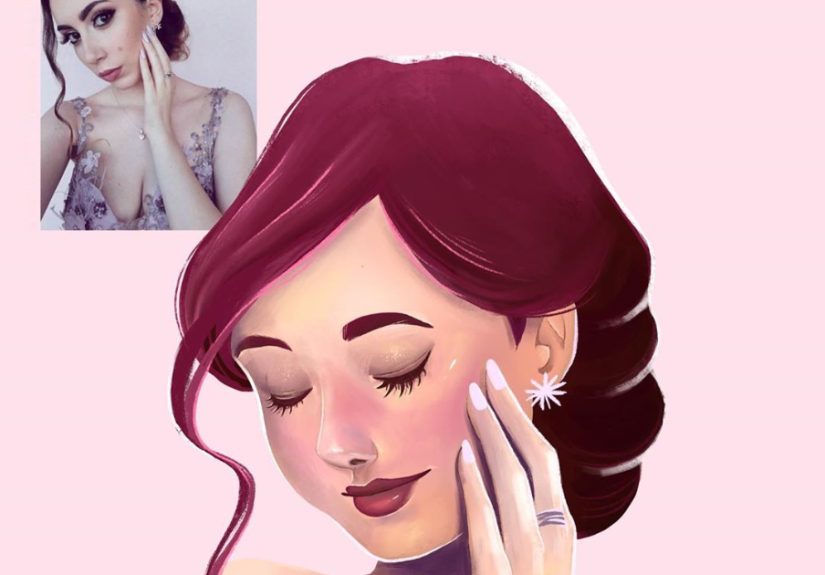
That realization pushed me into a better idea. Instead of forcing myself through another vague “draw more variety” promise, I decided to turn my followers into illustrated characters. It sounded fun, a little chaotic, and just structured enough to keep me honest. More importantly, it gave me what artists often need when they get stuck in “same face syndrome”: real people, real features, real energy, and no place to hide behind default prettiness.
What started as a creative experiment quickly turned into a crash course in portrait drawing, character design, observation, and community-building. The process taught me that drawing different faces is not just about swapping one nose shape for another. It is about understanding identity, attitude, expression, proportion, story, and all the tiny visual clues that make one person feel unmistakably like themselves. Once I stopped chasing a generic “good-looking face” and started paying attention to what made each person distinct, my art got stronger, my characters got more believable, and the whole project became a lot more human.
Why Artists Start Drawing the Same Face in the First Place
Let’s be fair to artists everywhere: repetition is not always laziness. Sometimes it is muscle memory wearing a beret. Many artists begin with standard construction methods for the head, common facial proportions, and a handful of shapes that feel safe. Those systems are useful. They teach balance, structure, and placement. But once those helpful guidelines turn into autopilot, every character starts to look like they share a suspiciously strong family resemblance.
There are a few reasons this happens. First, artists naturally repeat what they understand best. If you know how to draw one eye shape well, you will unconsciously return to it. Second, many creators study “average” proportions first, then never fully branch into the messy, beautiful differences found in real faces. Third, social media can quietly encourage sameness. A polished, instantly appealing face often performs well, so artists keep repeating the formula because it feels rewarded. Before long, style becomes habit, and habit becomes a face factory.
There is also a more personal reason: we often draw versions of what feels familiar. Artists regularly borrow from their own features, favorite references, or visual influences without realizing it. That is not a crime. It is normal. But if you want to grow, you have to notice when familiarity starts shrinking your range. In my case, the cure was obvious. I needed more faces, more angles, more stories, and fewer chances to accidentally redraw the same art-school cousin for the fiftieth time.
Why Turning Followers Into Illustrated Characters Actually Works
Using followers as portrait and character prompts solved several problems at once. First, it gave me variety on demand. Different face shapes, skin tones, hairstyles, ages, accessories, expressions, and personal vibes came rolling in without me having to guess. Second, it added accountability. When you are drawing an actual person, even in a stylized way, you cannot just slap your usual eyes onto them and hope confidence will do the rest.
Third, it added story. Character design gets better when the artist thinks beyond anatomy and starts asking narrative questions. What kind of energy does this person have? Are they playful, moody, sharp, dreamy, loud, elegant, awkward, mysterious, or gloriously chaotic? A portrait becomes more memorable when it communicates presence, not just placement. Followers gave me a stream of visual cues and personality hints that helped each illustration feel less like “a face” and more like “someone.”
And then there was the community effect. Inviting followers into the process changed the project from a solo sketching exercise into a conversation. People were not just watching the art; they were part of it. That collaborative feeling matters. Portraiture has always been about more than copying features. Good portraits carry identity, context, and emotion. Once I started illustrating real people from my audience, I stopped designing in a vacuum and started making work that felt shared, specific, and alive.
The Biggest Lesson: Structure First, Decoration Second
The easiest way to draw the same face forever is to start with the “pretty” details. Lashes, lips, shine, fluffy bangs, dramatic eyebrows, sparkly eyes. Delicious? Yes. Helpful? Not always. If the underlying structure never changes, all those details become window dressing on the same skull.
So I changed my order of operations. Instead of beginning with features, I started with the big forms: head shape, forehead size, jaw width, cheekbone placement, chin length, nose bridge, eye spacing, and the overall rhythm of the face. That sounds technical, but it is actually freeing. Once the structure changes, the character changes. A broader jaw creates a different energy than a narrow one. A longer mid-face changes the feel of the design. Close-set eyes create a different impression than wide-set ones. A softer chin tells a different story than a firm, angular one.
This was the first real crack in my same-face problem. I stopped thinking, “How do I draw this person attractively?” and started asking, “What is actually happening in this head shape?” That shift alone made my illustrations more varied and more convincing.
How I Started Seeing Features as Design Choices
Head shape matters more than most artists admit
Round heads feel different from rectangular ones. Wide skulls, narrow jaws, strong foreheads, soft cheeks, and pronounced cheekbones all influence the personality of the final image. Once I started exaggerating those differences slightly in my stylized work, my characters stopped blending into one beige soup of aesthetic agreement.
Eyes are not just “pretty” or “not pretty”
Eye shape, lid space, brow weight, spacing, and angle do enormous storytelling work. Some eyes feel sleepy. Others feel alert, skeptical, warm, mischievous, or fierce. If I only changed the color and kept the same shape, I was not really designing anything. I was redecorating.
Noses carry more identity than artists give them credit for
When artists fall into a rut, noses are often one of the first casualties. Everything becomes a cute button or the same clean little slope. Real noses are more interesting than that. Bridges vary. Nostrils vary. Tips vary. Profiles vary. And once you stop treating the nose like an inconvenience between the eyes and the mouth, the whole face becomes more individual.
Mouths work with the whole face
Lips are not stickers. The mouth makes sense only in relation to the cheeks, jaw, smile lines, philtrum, chin, and expression. A grin does not live only in the mouth; it lifts the cheeks, changes the eyes, and affects the whole face. That realization helped me move away from frozen beauty-doll expressions and toward something more alive.
Expression Is Where Characters Stop Being Paper Cutouts
One of the funniest mistakes I used to make was drawing “emotion” by changing only the mouth. Happy? Curve it up. Sad? Curve it down. Done. Very efficient. Also very wrong. Real expression is a team sport. The eyes, cheeks, brow, eyelids, nose, posture, and even hairstyle all contribute to how a face reads.
When I started turning followers into illustrated characters, I paid closer attention to what their expressions were already doing. A genuine smile compresses the lower eyelids and lifts the cheeks. A thoughtful face might soften the mouth but sharpen the brow. A confident expression may sit in the tilt of the head as much as the features themselves. Once I stopped pasting emotions onto a generic template, my character work gained a lot more personality.
This matters because memorable character design is not only about making each face look different. It is about making each face behave differently. A good illustration suggests how the person laughs, reacts, listens, or walks into a room. That kind of visual storytelling is what transforms a portrait into a character.
Reference Is Not Cheating. It Is the Gym.
If I could hand one sticky note to every artist stuck in repetitive face mode, it would say this: reference is not betrayal. It is training. Studying real people does not erase style. It gives style something better to work with.
In this follower-based project, references became my best defense against autopilot. I looked at forehead proportions, hairlines, glasses, ear placement, face width, and how accessories changed the balance of the composition. I paid attention to clothing, makeup, lighting, and tiny details that hinted at personality. Sometimes the thing that made a follower instantly recognizable was not their “main” feature at all. It was the tilt of their brows, the sharpness of a haircut, a soft freckle pattern, a giant hoodie, or a pair of gloriously dramatic earrings doing all the heavy lifting.
Reference also helped me avoid flattening people into stereotypes. That is important. If you are drawing from a broad range of faces and backgrounds, you have to do more than collect surface-level categories. You need observation, care, and specificity. A better artist is not the one who can label features the fastest. It is the one who notices the most.
Follower Portraits Made Me Better at Character Design, Not Just Portraiture
The beautiful surprise in this project was that it improved my invented characters too. Once I trained my eye on real faces, my original characters became less copy-paste and more intentional. I started building them from shape language, expression, mood, and structure instead of vague aesthetic instincts.
I also began thinking more like a designer. What silhouette suits this person? What colors reflect their energy? What hairstyle supports the face instead of covering it? What exaggeration helps the likeness without turning the illustration into parody? In other words, I stopped asking, “How do I make this drawing look nice?” and started asking, “How do I make this character feel specific?” That is a far better question.
Consistency helped too. Creating repeatable characters from different followers made me appreciate design sheets, turnarounds, and expression studies. If a face only works from one angle, the design is fragile. If it holds up from three-quarter view, profile, and straight-on, now you are building something real. The more I practiced that discipline, the less I relied on my old default face as a visual crutch.
What to Avoid When You Try This Yourself
First, do not confuse stylization with homogenization. A consistent style is great. A clone army is less great. Second, do not smooth away every distinctive trait in the name of making the drawing “clean.” Sometimes the bump in the nose, the heavy lid, the asymmetrical brow, or the strong jaw is the whole magic.
Third, do not reduce people to trends. Social media often pushes artists toward the same polished beauty standards, but interesting character work comes from variety, not conformity. Fourth, do not skip planning. If you jump straight to rendering without solving proportion, expression, and form, you will end up painting lipstick on the same old problem. Finally, do not take “same face syndrome” as a moral failure. It is just a sign that your observational library needs expanding.
My Experience: What Happened After I Turned My Followers Into Illustrated Characters
At first, I thought this little challenge would simply help me diversify my faces. I expected a technical improvement, maybe a few better sketches, perhaps a mild reduction in my personal population of identical cheekbone queens. What I did not expect was how much it would change the way I look at people.
When followers started sending in photos, I noticed I became slower in the best possible way. I stopped scanning faces for shortcuts and started looking for rhythm. I noticed how one person’s features leaned upward and energetic, while another person’s whole design felt grounded and calm. I saw how a hairstyle could completely reshape the silhouette of a head. I realized that glasses are not just accessories; they alter balance, attitude, and even perceived proportions. Earrings changed movement. Hoodies changed mood. A tiny scar, a deep smile line, or a soft baby-hair pattern could make a face unforgettable.
There was also an emotional shift. Drawing followers made me more careful. When you draw from imagination, you can get away with broad decisions. When you draw a real person, even in a stylized way, you start asking more respectful questions. What makes them recognizable? What makes them feel like themselves? What can I exaggerate without losing them? That mindset made the work more thoughtful. I was no longer decorating a generic face. I was translating someone’s presence.
The responses surprised me too. People were excited not just because they got “fan art” of themselves, but because they felt seen. They would point out tiny details I included and say, “That is so me.” That reaction taught me something important about illustration: likeness is not only anatomical. Sometimes likeness is emotional. A person can forgive a stylized nose or simplified jaw if the overall energy is right. If the vibe lands, the drawing breathes.
Practically speaking, my art changed fast. My sketch pages became more varied. My original characters started to separate from one another. I got braver about drawing stronger noses, heavier brows, wider faces, sharper chins, thinner lips, fuller cheeks, and more unusual combinations of features. I stopped “fixing” people into my favorite template. I also got more comfortable using rough studies, notes, and shape breakdowns before rendering. That was huge for me. Previously, I wanted everything to look polished too early. This project taught me to let the drawing be messy while I figured out what made each person distinct.
Most of all, it reminded me why art challenges work when they are built around curiosity instead of punishment. I was not scolding myself out of bad habits. I was replacing those habits with better questions. Who is this person? What is their visual rhythm? How does their face support their personality? How can I make this illustration feel specific, warm, and alive? Once those became my priorities, repetition lost its grip. And honestly, my art got a lot more interesting the moment I stopped trying to draw “the perfect face” and started drawing actual people.
Conclusion
Real growth as an artist rarely arrives wearing fireworks. Sometimes it shows up as the uncomfortable realization that you have drawn the same face so many times it should probably start paying rent. But that kind of realization is useful. It points to the next level.
Turning followers into illustrated characters gave me that next level. It pushed me toward stronger observation, better structure, smarter stylization, richer expression, and more thoughtful character design. It also reminded me that portraiture is not just about resemblance. It is about presence, identity, and story. The more I worked from real people, the more my style expanded instead of collapsing into formula.
So if your sketchbook feels like it is populated by identical cousins from the same animated suburb, take heart. You do not need to abandon your style. You just need to challenge it with more reality. Study more faces. Notice more differences. Draw people with intention. And if you want to make the process more fun, invite your audience in. Your followers might just help you become the artist your default face never let you be.