Table of Contents >> Show >> Hide
- The Internet Loves a Layoff Plot Twist Because It Feels Familiar
- Why the “Worst Worker” Sometimes Survives
- The Story Is Funny for About Five Seconds. Then the Real Anxiety Kicks In.
- Quiet Quitting, Bare-Minimum Work, and Why This Headline Feels So 2020s
- What Employees Should Do If They Survive the Cuts
- What Managers Should Learn Before Their Team Turns Into a Group Chat With Two Survivors
- What Experiences Like This Really Feel Like
- Conclusion
There are few things more unsettling than logging into work, half-awake and mildly annoyed by your inbox, only to discover your department has turned into a ghost town. One day you have a team chat buzzing with jokes, deadlines, and at least one person asking where the good stapler went. The next day? Silence. Calendar invites vanish. Profiles go gray. And suddenly the person who thought, I am absolutely not the star employee here, is still standing while nearly everyone else is gone.
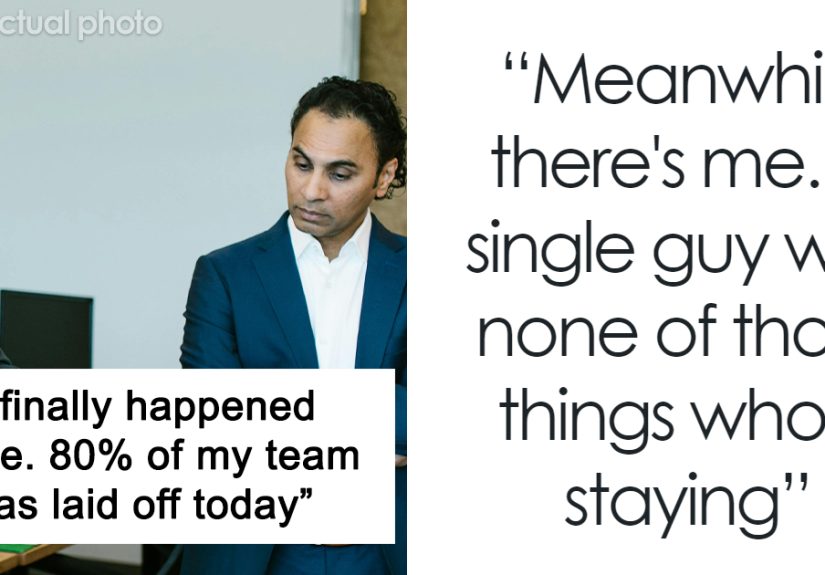
That is exactly why this story hit such a nerve online. A worker admitted he slacked off, did the bare minimum, took long lunches, ignored office attendance rules, and still survived while around 80% of his team got cut. On the surface, it sounds like a workplace plot twist written by a sleep-deprived screenwriter. But underneath the internet’s delightfully messy reaction is a serious truth: layoffs often reveal that work is not always a clean meritocracy. Sometimes the people who stay are not the hardest-working. Sometimes they are the cheapest, the easiest to reassign, the least politically risky to keep, or simply the ones whose names were not sitting in the wrong spreadsheet at the wrong moment.
That is what makes this story so compelling. It is not just about one guy surviving a brutal round of layoffs. It is about modern work, quiet quitting, job insecurity, and the weird emotional whiplash that comes from realizing your job may have less to do with your daily hustle than you wanted to believe.
The Internet Loves a Layoff Plot Twist Because It Feels Familiar
People did not latch onto this story because they admire bare-minimum effort. They latched onto it because many workers already suspect that promotions, layoffs, praise, and punishment do not always line up neatly with output. In plenty of offices, the person who looks busiest wins the trophy, while the person doing the critical but unglamorous work gets a lukewarm “thanks.” In other offices, the dependable worker gets rewarded with more work, while the disengaged one somehow slips through the cracks like a magician in khakis.
The story also landed at a moment when layoffs and disengagement are not exactly obscure concepts. Workers have spent the last few years hearing about restructuring, budget tightening, role eliminations, return-to-office fights, and the now-legendary term quiet quitting. If that phrase makes you want to roll your eyes, fair enough. But the reality behind it is simple: many people are emotionally detached from work, even if they are still technically employed.
That helps explain why this headline traveled so fast. It combined three internet catnips into one package: layoffs, honesty, and a man casually admitting he was not exactly Employee of the Month. In a world full of polished LinkedIn speeches about “resilience,” blunt candor feels like cold water to the face.
Why the “Worst Worker” Sometimes Survives
Layoffs are often about budgets, not sainthood
One of the biggest myths about layoffs is that they always cleanly remove the weakest performers. Sometimes performance matters. Often it does not matter as much as people think. Companies cut roles for all sorts of reasons: cost pressure, duplication after reorganization, executive strategy shifts, location changes, automation, project cancellations, or the eternal corporate classic, “leadership is taking a new direction.” That phrase usually means someone with a slide deck has made everyone else’s week significantly worse.
If 80% of a team disappears, that is not a surgical correction of individual effort. That is a structural event. It suggests the company cut a function, shrank a department, changed priorities, or decided the team could be run by fewer people. In that situation, the people left behind may not be the “best” in some moral sense. They may be the least expensive, the most flexible, the ones with the narrow skill set still needed, or the people leadership believes can absorb chaos without immediately quitting.
The most visible worker is not always the most valuable worker
Another uncomfortable truth: some employees look average until the machinery around them starts falling apart. The person who is quiet, mildly detached, and never volunteering for extra committees may still know a process nobody else understands. The employee who is not winning popularity contests may be the only one who can keep a messy system limping forward after cuts. And yes, sometimes being lower-profile can even help. If you are not expensive, not political, and not difficult to place, you may survive while a more senior, higher-paid, or more specialized colleague gets cut.
That does not make the situation fair. It makes it very corporate.
The Story Is Funny for About Five Seconds. Then the Real Anxiety Kicks In.
This is where the conversation stops being a spicy workplace anecdote and starts looking like a serious mental health and morale issue. Surviving layoffs does not always feel like winning. In fact, it often feels awful. There is relief, yes. But relief quickly collides with guilt, confusion, resentment, and dread.
Think about the emotional cocktail. You are still employed, so you feel lucky. But your coworkers are suddenly gone, so you feel guilty. Your workload may be about to double, so you feel stressed. Your trust in leadership takes a hit, so you feel cynical. And because layoffs often arrive wrapped in vague corporate language, you may have no idea whether another round is coming. Congratulations: you now work inside a pressure cooker with a laptop.
This is why experts often talk about layoff survivor syndrome. Remaining employees may experience anxiety, guilt, distrust in leadership, lower motivation, and burnout. Workload gets redistributed. Clarity disappears. People become more guarded. The mood shifts from collaboration to self-preservation. Nobody says it out loud in the big meeting, but the office vibe becomes: Cool, so who’s next?
That dynamic matters because disengagement is already a problem in the U.S. workforce. When people feel uncertain, undervalued, or blindsided, they are less likely to invest emotionally in the company. They may still show up. They may still answer emails. But the extra energy, creativity, and loyalty start packing their bags.
Quiet Quitting, Bare-Minimum Work, and Why This Headline Feels So 2020s
The phrase bare minimum is doing a lot of work in this story. It makes the post sound rebellious, even a little comedic. But it also taps into a broader shift in how people think about work. Not everyone wants to perform constant enthusiasm anymore. A growing number of employees have stopped treating work as the center of their identity and started treating it like what it is: a job.
That attitude can look lazy from one angle and healthy from another. Some people hear “I do the bare minimum” and imagine a checked-out employee coasting shamelessly. Others hear it and think: So, he performs the duties he is paid for and does not volunteer for unpaid emotional labor. Interesting.
The internet argument around this story lives right there. Was the worker irresponsible? Maybe. Was he also a symbol of a culture where overwork is often glorified and rarely rewarded in a fair, lasting way? Also maybe.
Many workers have learned the hard way that being the most dedicated person in the room does not guarantee protection. They watched loyal employees get cut. They saw top performers burn out. They learned that taking on extra work can turn you into the office hero for exactly three minutes before it becomes your permanent job description. So when someone admits to doing less and still surviving, the reaction is not just outrage. It is curiosity. Because the story scratches at a question people rarely ask out loud: If hustle does not guarantee safety, what exactly are we all sprinting for?
What Employees Should Do If They Survive the Cuts
If you ever find yourself in this situation, the first step is not to panic-post your entire emotional biography online. Tempting, sure. But start smaller.
Take stock of what changed. What work now belongs to you? What priorities actually matter? What projects should quietly be allowed to die a dignified death? After layoffs, many people try to prove their worth by saying yes to everything. That is noble, and also a fast track to exhaustion. A smaller team cannot magically produce the same volume of work forever just because leadership used the phrase “leaner and more agile.”
You also need clarity. Ask direct questions. What does success look like now? Which tasks are essential? Which deadlines are real? Which responsibilities are temporary, and which are becoming permanent? Ambiguity after layoffs is dangerous because people fill the silence with fear, rumors, and heroic overcompensation.
Then there is the practical side. Update your resume. Refresh your LinkedIn profile if you use it. Reconnect with people in your network. This is not disloyal. This is adulthood. Surviving one round of layoffs does not make you untouchable. It just means you were not cut that day.
Finally, do not ignore the emotional fallout. If you feel guilty, numb, angry, or weirdly unmotivated, that does not mean you are ungrateful. It means you are human. Workplaces often expect employees to pivot from “most of your team is gone” to “circle back by Thursday” with no emotional processing in between. Real people do not work that way, even if the company template suggests otherwise.
What Managers Should Learn Before Their Team Turns Into a Group Chat With Two Survivors
For leaders, stories like this should be a warning flare. If one of the last people left is openly shocked he survived, employees clearly do not understand how decisions are being made. That confusion destroys trust fast.
After layoffs, managers need to communicate clearly, repeatedly, and like actual humans. Explain what happened. Explain what changes. Explain what priorities are no longer priorities. Acknowledge that people are upset. Do not pretend everyone should feel grateful and energized because the company is now “positioned for efficiency.” Nobody hears that phrase and thinks, Wow, I feel seen.
Managers also need to stop pretending workload math is fictional. If you cut most of a team, the remaining employees cannot carry business as usual forever. Work must be re-scoped, delayed, automated, or dropped. Otherwise, the company does not become efficient. It becomes exhausted.
And perhaps most importantly, the way laid-off employees are treated matters to the people who stay. Workers watch closely. Were their teammates respected? Were they informed compassionately? Were they offered support? Or were they treated like a security risk with a laptop? Remaining employees absorb those details and use them to judge whether the company deserves any loyalty at all.
What Experiences Like This Really Feel Like
Stories like “I slack off, do the bare minimum” spread because they feel dramatic, but the lived experience is often far stranger and more personal than the viral headline suggests. In real offices, surviving a massive layoff can feel less like victory and more like being the last passenger to realize the plane is losing altitude.
For some people, the first feeling is embarrassment. They look around and think, Why me? Not in a glamorous, movie-monologue way, but in a deeply uncomfortable way. Maybe a better teammate got cut. Maybe a manager with kids got cut. Maybe the person who trained everyone got cut. The survivor starts replaying every interaction, every deadline, every minor mistake, trying to find logic in a decision that may have been mostly financial. That search for meaning can become exhausting.
For others, the experience is pure whiplash. In the morning, they are joking with coworkers. By afternoon, they are being told to absorb three additional roles, keep clients calm, and project confidence they do not actually feel. They are expected to become the emotional support human for customers, management, and themselves at the same time. It is difficult to do your best work when your nervous system is basically hosting a fire drill.
Then there is the strange social part. Layoffs change how people talk. The surviving employees may become awkward with one another, as if everyone is suddenly trying not to make eye contact with the reality in the room. Conversations become more careful. Slack messages get shorter. Jokes disappear. Trust, once cracked, does not come back because someone sends a motivational memo with the word resilience in bold.
One common experience is the burden of inherited work. The survivors often become the accidental custodians of abandoned projects, half-documented systems, and responsibilities nobody formally reassigned. Suddenly, one person is managing work that used to belong to three people, armed with a password spreadsheet, vibes, and a prayer. This is where resentment starts growing. Not because employees are lazy, but because they can tell the math no longer makes sense.
And yes, sometimes the person who survives really was doing the bare minimum. That does not automatically make them dishonest or incompetent. In many cases, it means they quietly figured out something others had not: companies do not always reward devotion in proportion to sacrifice. Plenty of workers have a story about being the one who stayed late, answered weekend emails, trained new hires, fixed invisible problems, and still got treated as replaceable. Once people see that happen enough times, some stop performing heroics and start protecting their energy instead.
There is also a deeply human guilt that lingers after the headlines fade. Survivors may keep thinking about the coworkers who lost health insurance, income, or stability. They may feel relieved one minute and ashamed the next. They may even reach out to former teammates, trying to help with references or job leads, partly out of kindness and partly because doing nothing feels unbearable. That tension is real. It does not vanish just because payroll still includes your name.
In the end, experiences like this reveal something bigger than one layoff story. They show how fragile the modern psychological contract at work has become. Employees want honesty, fairness, and clarity. What they often get is uncertainty, increased workload, and a cheerful memo about the future. No wonder a brutally candid post from one stunned survivor resonated so widely. It sounded less like a confession and more like a dispatch from the corporate twilight zone.
Conclusion
The viral story of the guy who admitted, “I slack off, do the bare minimum,” only to survive while 80% of his team got fired is memorable because it feels both absurd and painfully believable. It captures the contradictions of modern work: loyalty is praised but not always protected, effort is visible but not always rewarded, and surviving layoffs can feel more like emotional whiplash than triumph.
At its core, this is not really a story about one lazy employee getting lucky. It is a story about what happens when companies cut people in ways that expose how fragile workplace trust really is. Employees notice. They remember. And after enough shocks, many stop giving companies the kind of devotion that used to be expected automatically.
If there is a lesson here, it is not “do less and you will win.” It is more sobering than that. In a volatile workplace, survival and value are not always judged the same way. That is why workers protect themselves, managers need to communicate honestly, and organizations that want real commitment have to earn it. Otherwise, they should not be surprised when the people who remain start doing exactly what they were quietly trained to do: the minimum required and not a drop more.