Table of Contents >> Show >> Hide
- First Things First: Don’t Pay, Don’t Beg, Don’t Panic-Text Back
- What to Do in the Next 10 Minutes
- How to Tell Whether This Is a Scam, an Ex, or a Real Account Compromise
- Should You Block Them Right Away?
- When to Contact Police or the FBI
- If Intimate Images Are Involved, Act Fast
- If the Blackmailer Already Contacted Your Friends or Family
- What Not to Do
- How to Protect Yourself After the Immediate Crisis
- What to Do If You’re a Teen
- What to Do If You’re an Adult
- Real-World Experience: What This Usually Feels Like, and How People Get Through It
- Final Thoughts
Getting blackmailed on Snapchat can make your stomach drop faster than a phone slipping face-down onto concrete. One minute you are answering a message, opening a Snap, or chatting with someone who seemed normal enough. The next minute, someone is threatening to post private photos, expose personal information, or send embarrassing screenshots to your friends, family, school, or workplace unless you do what they want.
That is not drama. That is abuse, extortion, and sometimes a full-blown scam.
If this is happening to you, take a breath. You are not powerless, you are not the only person this has happened to, and you do not need to solve it alone in a panic. The most important thing is to respond in a smart order. This article breaks down exactly what to do next, how to protect your Snapchat account, when to report the blackmailer, and how to handle the emotional fallout without making the situation worse.
First Things First: Don’t Pay, Don’t Beg, Don’t Panic-Text Back
When someone blackmails you on Snapchat, their goal is simple: control. They want your fear to do the heavy lifting. Maybe they want money. Maybe they want more photos. Maybe they want access to your account. Maybe they just want the thrill of being awful, which is a hobby nobody should have.
Whatever they are asking for, do not assume giving in will make the problem disappear. In many blackmail and sextortion cases, paying or complying only teaches the scammer that you are scared and reachable. That often leads to bigger demands, tighter deadlines, and more threats.
So before you do anything else:
- Do not send money, gift cards, crypto, or “just one small payment.”
- Do not send more images or videos.
- Do not hand over passwords, verification codes, or login details.
- Do not delete the conversation yet.
- Do not negotiate like you are closing a yard-sale deal on a toaster.
Your next move is not persuasion. It is preservation and reporting.
What to Do in the Next 10 Minutes
1. Save Evidence Before You Block Anyone
Your first instinct may be to hit block, throw your phone across the room, and pretend this entire mess never happened. Understandable. But save proof first.
Take screenshots of:
- The person’s Snapchat username and display name
- Their Snapcode or profile details if visible
- The threatening messages
- Any payment demands
- Any threats to send content to friends, school contacts, or family
- Any linked phone numbers, email addresses, or outside accounts
Also write down the date, time, and anything else you know about the account. If the blackmailer moved the conversation to Instagram, WhatsApp, text, or email, save evidence there too.
If you are under 18 and the threat involves intimate images, do not download, resend, or share those images around trying to gather evidence. Preserve what you safely can, but do not spread the content further.
2. Report the Account and Messages on Snapchat
Snapchat has reporting tools for accounts, chats, and harmful content. Use them. Report the user inside the app if you still can. If the person has blocked you, report through Snapchat’s support site. That matters because platform reports can trigger review, enforcement, and in some situations follow-up from safety teams.
When you report, be specific. Say this is blackmail, extortion, harassment, image-based abuse, or sextortion if that is what is happening. Vague reports like “this person is mean” are less useful than “this account threatened to share private images unless I paid.”
3. Lock Down Your Account
Change your Snapchat password immediately, especially if the person knows anything personal about you or has hinted they accessed your account. Then turn on two-factor authentication. Review connected devices, third-party apps, saved login sessions, and recovery email or phone information.
Also change the passwords on your email and any other social platforms if you reused the same password. Reused passwords are the house keys of the internet, and unfortunately many people keep making copies.
4. Tell a Trusted Person Right Away
Blackmail grows in silence. Shame is the scammer’s favorite assistant. Tell someone trustworthy as soon as possible: a parent, older sibling, school counselor, close relative, manager, teacher, coach, or friend who can help you think clearly.
This is especially important if you are a teen. You might feel embarrassed, but support makes a massive difference. A calm adult can help you report, document, and avoid rushed decisions.
How to Tell Whether This Is a Scam, an Ex, or a Real Account Compromise
Not every Snapchat blackmail situation looks the same. Here are the most common patterns.
The “Stranger Turned Threatening Overnight” Setup
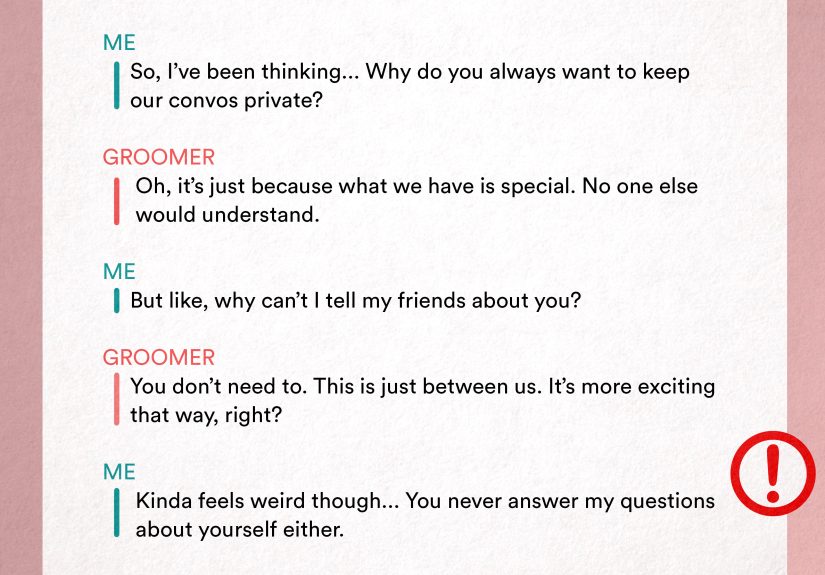
This often starts with a friendly or flirty message. The person may ask to move fast, trade pictures, or video chat. Then the switch flips. Suddenly they claim they saved content and will share it unless you pay.
This is a classic sextortion scam. The account may be fake, stolen, or part of a coordinated operation.
The “I Know You in Real Life” Threat
Sometimes the blackmailer is not a stranger at all. It could be an ex-partner, someone from school, a former friend, or a person who already had access to private images or conversations. They may threaten exposure, humiliation, or revenge.
That is still blackmail. Being someone you know does not make it less serious. It just makes it more personal and, in many cases, more emotionally difficult.
The “I Hacked You” Bluff
Some people claim they accessed your account, contacts, or camera. Occasionally that is true. Often it is a bluff designed to scare you into paying before you think straight. If they really did access an account, security steps become urgent. If they are bluffing, the same rule still applies: preserve evidence, secure your accounts, and report them.
Should You Block Them Right Away?
Yes, but not before preserving evidence and making reports.
Once you have screenshots, profile details, and enough proof to submit a strong report, blocking is usually the right move. Continued contact rarely helps. Blackmailers want engagement. They want to watch you panic, promise, explain, and stall. None of that improves your position.
If law enforcement tells you to keep a line open, follow their advice. Otherwise, after you document and report, block.
When to Contact Police or the FBI
You should consider law enforcement involvement sooner rather than later if:
- The blackmailer is demanding money
- The threats involve sexual images or videos
- You are under 18
- The blackmailer has shared your content already
- The person is threatening to contact your school, employer, or family
- You believe your account or device was hacked
- You know the person in real life and feel unsafe
For U.S.-based readers, local police can be appropriate, and online crime reports may also be filed through the FBI’s Internet Crime Complaint Center. If the case involves a minor or child sexual exploitation, reporting to the National Center for Missing & Exploited Children’s CyberTipline is a major step.
If someone is in immediate physical danger, call 911. Online blackmail can spill into the real world faster than people expect.
If Intimate Images Are Involved, Act Fast
This is the part many victims fear most, so let’s be blunt: if someone is threatening to share intimate content, speed matters. You want to reduce circulation, preserve evidence, and trigger removal pathways as quickly as possible.
Report the Content to Snapchat
Do this even if you think the material was sent in disappearing messages. Screenshots, saved chats, second devices, and recordings are all possible. The idea that “Snaps vanish, so I’m safe” is a lovely marketing-adjacent dream, but it is not a legal shield and it is not a guarantee.
Use Image-Removal and Support Tools
If the victim is under 18 and intimate images may be circulating online, tools like Take It Down can help create a hash of the content so participating platforms can detect and remove matching copies on public or unencrypted services. If content appears in Google Search results, Google also has removal request options for explicit or intimate personal images.
Do Not Re-Upload the Content to “Show Proof”
This one matters. People sometimes forward or repost harmful content while trying to document it, warn friends, or ask for advice. That can spread the damage and complicate legal issues. Keep evidence in the safest form possible, and report through official channels.
If the Blackmailer Already Contacted Your Friends or Family
That feels terrifying, but it is still manageable. The best move is usually a simple, controlled heads-up to the people most likely to be contacted.
You do not need to tell your entire life story. Try something like:
“Someone is harassing me online and may send fake, manipulated, or private content to people I know. Please don’t respond to them, click anything, or forward messages. Just send me a screenshot if you get contacted.”
This does three useful things:
- It reduces the blackmailer’s power to surprise you
- It turns your contacts into evidence helpers
- It makes forwarding less likely
If the content is real and private, the same basic script still works. You are setting the tone before the blackmailer does.
What Not to Do
Let’s save you from the common mistakes:
- Do not pay. It rarely ends there.
- Do not keep bargaining. A blackmailer is not your accountability partner.
- Do not trust promises like “pay once and I’ll delete everything.”
- Do not send more content. Ever.
- Do not wipe all evidence in a panic.
- Do not isolate yourself. Tell someone.
- Do not assume you will get in trouble for reporting. Authorities and support groups deal with this all the time.
How to Protect Yourself After the Immediate Crisis
Audit Your Privacy Settings
Review who can contact you, view your Story, see your location, and add you through Quick Add. Tighten everything for now. Public-by-default can feel social until it suddenly feels like a documentary nobody asked to film.
Search for Exposure
Look up your name, usernames, and profile photos online. Check whether any content has spread beyond Snapchat. If you find something, preserve the link and report it to the host platform immediately.
Watch for Follow-Up Scams
Victims are sometimes targeted again by people claiming they can “recover” deleted photos, erase the scam, hack the blackmailer, or guarantee removals for a fee. That is often a second scam wearing a fake mustache.
Keep a Written Timeline
Make a simple document with dates, usernames, screenshots, reports filed, and responses received. If this escalates, a timeline helps law enforcement, schools, employers, attorneys, and platforms understand the sequence quickly.
What to Do If You’re a Teen
If you are a teenager reading this because you are scared, here is the most important part: tell a trusted adult now. Seriously, now. Not after lunch. Not after you “see what happens.” Not after the scammer’s countdown expires.
Even if you sent something you wish you had not sent, you still deserve help. You are not the problem. The person threatening you is the problem. Adults may be upset, but the right adults will focus on protecting you first.
Good people to tell include:
- A parent or guardian
- An older sibling or relative
- A school counselor or principal
- A trusted teacher or coach
- A youth pastor or community leader
If the threat involves nude or sexually explicit images of someone under 18, treat it as urgent. Report it through official child-safety channels and do not keep sharing the material around.
What to Do If You’re an Adult
Adults often delay reporting because they fear career damage, family embarrassment, or social judgment. That delay can work in the blackmailer’s favor. Move quickly instead.
If the blackmailer knows your employer, coworkers, or clients, notify the people who may be targeted with a short professional message. If the threat involves workplace accounts or devices, inform your company’s IT or security team right away. You do not need a perfect explanation. You need containment.
Real-World Experience: What This Usually Feels Like, and How People Get Through It
People imagine blackmail on Snapchat as one giant dramatic moment, but many victims describe it as a weird chain of smaller shocks. First there is confusion. Then denial. Then the wave of panic that makes your hands cold and your thoughts loud. You start replaying every message, every photo, every small decision that led here. Your brain becomes an unhelpful sports commentator: “Bold choice sending that reply, let’s see how it works out.”
One common experience is the countdown effect. The blackmailer says you have ten minutes, twenty minutes, or one hour to pay. That fake deadline is designed to shut down your judgment. In real life, victims who get help quickly often discover that the scammer was bluffing, stalling, or mass-targeting multiple people at once. The threat feels laser-focused and personal, but sometimes the criminal is running the same script on dozens of accounts.
Another common experience is shame. People think, I should have known better or I can’t tell anyone because they’ll think this is my fault. But that thinking traps you in the exact emotional corner the blackmailer wants. Survivors often say the moment things started getting better was the moment they finally told one trusted person. Not ten people. Not the whole internet. Just one steady human being who said, “Okay, let’s handle this.”
Some victims also describe the strange embarrassment of everyday life continuing while they are in crisis. Homework still exists. Meetings still happen. The dog still wants to be walked. Meanwhile your phone feels like a tiny haunted house. That mismatch can make the experience feel unreal. It can also make you underestimate how serious the situation is. If your body is buzzing with fear, treat that as a signal to act, not a reason to hide.
There are also cases where the blackmailer is someone from real life, and that creates a different kind of stress. You may worry about running into them at school, at work, or through mutual friends. Victims in those situations often benefit from a wider safety plan: saving all evidence, documenting each contact, telling school or workplace authorities, and making sure other people know not to engage.
And then there is the aftermath. Even after the messages stop, many people feel jumpy for a while. They double-check locks, passwords, contact lists, and privacy settings. They dread notifications. They may avoid opening Snapchat at all. That response is normal. A threat to your privacy can make the digital world feel suddenly hostile, even if it looked casual and harmless a day earlier.
The encouraging part is this: people do get through it. Accounts get reported. Content gets removed. Friends are often more supportive than feared. Adults who were terrifying to imagine telling sometimes become the strongest advocates in the room. Police reports get filed. Platforms take action. Not every case resolves overnight, but the situation becomes more manageable once you stop treating it like a dirty secret and start treating it like the abuse or scam it is.
If you are in the middle of this right now, the goal is not to feel fearless. The goal is to take the next correct step while scared. Save the evidence. Report the account. Secure your logins. Tell a trusted person. Use removal tools if needed. Ask for help until you get traction. That is how people get out of the trap, one practical move at a time.
Final Thoughts
If someone is blackmailing you on Snapchat, the most important thing to remember is this: urgency is real, but obedience is optional. You do not owe a blackmailer money, more content, silence, or cooperation. What you owe yourself is a calm, strategic response.
Document everything. Report quickly. Secure your accounts. Tell someone trustworthy. Use official support tools. And if the threat involves intimate content, minors, hacking, or real-world danger, escalate fast to the right authorities.
Snapchat blackmail can feel incredibly personal, but the response is practical: protect, preserve, report, and get support. That is what you should do next.
Note: This article is for educational purposes and is not legal advice. If someone is in immediate danger, call 911. If a minor is involved or sexual images are being used as leverage, report the situation through the appropriate child-safety and law-enforcement channels immediately.