Table of Contents >> Show >> Hide
- Pizza Is Not Automatically Healthy or Unhealthy
- What Pizza Gets Right Nutritionally
- Where Pizza Usually Runs Into Trouble
- What Makes a Pizza Healthier?
- Nutrition Tips for Pizza Lovers
- 1. Start with the crust
- 2. Keep the sauce simple
- 3. Think of cheese as a topping, not a construction material
- 4. Pile on the vegetables
- 5. Choose smarter proteins
- 6. Watch the sodium
- 7. Balance the plate
- 8. Let portion size do some of the work
- 9. Read the label on frozen pizza
- 10. Do not let “healthy pizza” become a trap
- Best Pizza Choices for Different Goals
- Healthy Pizza Ideas That Still Taste Like Pizza
- When Pizza Is Probably Not the Healthiest Choice
- So, Is Pizza Healthy?
- Pizza Lover Experiences: What Real Life Usually Looks Like
Pizza has one of the greatest public relations problems in food. People talk about it like it’s either a greasy villain or a sacred comfort food that should never be criticized. The truth, as usual, is less dramatic and much more useful: pizza can absolutely fit into a healthy diet, but not every pizza deserves a nutrition trophy.
If you love pizza, this is good news. You do not need to break up with your favorite slice, fake your way through another sad desk salad, or pretend cauliflower crackers are “basically the same thing.” They are not. But you can make smarter choices that keep the flavor while dialing down the nutritional chaos.
So, is pizza healthy? Sometimes yes. Sometimes no. Most often, it depends on what’s underneath the cheese blanket, what’s piled on top, and how much of it lands on your plate. Let’s slice into the details.
Pizza Is Not Automatically Healthy or Unhealthy
Pizza is a mixed dish, which means it brings several food groups to the party at once. A basic pizza can offer carbohydrates from the crust, protein from cheese and meat, calcium from dairy, and vitamins and antioxidants from tomato sauce and vegetables. That is a lot more nutritional range than many people give it credit for.
But pizza can also become a fast-track delivery system for excess sodium, refined carbs, saturated fat, and oversized portions. The same food can go from “pretty balanced dinner” to “why do I suddenly need a nap and six glasses of water?” depending on how it is made.
That is why asking whether pizza is healthy is a bit like asking whether sandwiches are healthy. A turkey-and-veggie sandwich on whole-grain bread is one story. A double-meat sub with extra cheese, chips, and soda is another. Pizza works the same way.
What Pizza Gets Right Nutritionally
It can provide protein
Cheese, chicken, turkey, beans, and even a sensible amount of lean meat can make pizza more filling. Protein matters because it helps you stay satisfied, and meals that keep you full are less likely to send you rummaging through the pantry an hour later.
It can contribute calcium
Cheese is not just there for dramatic cheese-pull videos. It also contributes calcium, which supports bone health. While that does not turn every slice into a wellness retreat, it does mean pizza is not nutritionally empty.
It can include vegetables without feeling like a punishment
Bell peppers, onions, spinach, mushrooms, tomatoes, broccoli, arugula, eggplant, zucchini, olives, and even artichokes can all work beautifully on pizza. For many people, pizza is one of the easiest and most enjoyable ways to eat more vegetables. That counts.
Tomato sauce adds more than flavor
A simple tomato-based sauce brings acidity, brightness, and plant compounds that fit nicely into an overall balanced eating pattern. It is a smarter base than heavy cream sauces if your goal is to keep the pizza lighter.
Where Pizza Usually Runs Into Trouble
Processed meats pile on sodium and saturated fat
Pepperoni, sausage, bacon, and extra processed meat toppings can turn a decent pizza into a salt-and-fat festival. They add flavor fast, but they also make it much easier to overshoot your nutrition goals before dessert even enters the chat.
Too much cheese changes the equation
Cheese adds protein and calcium, but more is not always merrier. Extra cheese can quickly raise calories and saturated fat. A moderate amount still tastes rich. A mountain of cheese mainly proves gravity is real.
Refined, thick, or stuffed crust can make portions sneaky
Crust is not the enemy, but big doughy bases are easy to overeat. A thick crust or stuffed crust means more refined carbohydrates and a heavier overall meal. Thin crust or whole-grain options often give you the pizza experience without the same calorie and carb overload.
Sides and drinks are where things often go off the rails
Pizza with a side salad is one kind of dinner. Pizza with cheesy bread, wings, ranch, cookies, and a giant soda is a completely different event. Sometimes pizza itself is not the whole problem. The supporting cast deserves some blame too.
What Makes a Pizza Healthier?
A healthier pizza usually has a few things in common: a thinner or whole-grain crust, a reasonable amount of cheese, a tomato-based sauce, more vegetables, and fewer processed meats. It is also paired with better sides and eaten in realistic portions.
Notice what is not on that list: joylessness. Healthy pizza does not require cardboard crust, flavorless sauce, or toppings that taste like regret. It just means the overall balance is better.
Nutrition Tips for Pizza Lovers
1. Start with the crust
If you have the choice, go for thin crust or whole-grain crust. Thin crust helps with portion control because it keeps the base lighter. Whole-grain crust can offer more fiber and tends to be more filling. That extra staying power matters when you are trying to avoid eating half the box by accident.
Homemade options can be even smarter. Whole-wheat dough, whole-grain pita, or a sturdy tortilla can all work well for a faster, lighter pizza night.
2. Keep the sauce simple
A classic tomato sauce is usually the easiest nutrition win. Look for options without a lot of added sugar, and be mindful of sodium if you are buying packaged sauce. Pesto, olive oil, or white sauce can all be delicious, but they make the pizza richer very quickly. Use them strategically, not like you are icing a cake.
3. Think of cheese as a topping, not a construction material
You do not need to ban cheese. You just need to respect its power. A light-to-moderate layer of mozzarella, part-skim cheese, or a flavorful cheese used more sparingly can still taste satisfying. Sometimes a smaller amount of a stronger cheese delivers more flavor than a giant pile of the bland stuff.
4. Pile on the vegetables
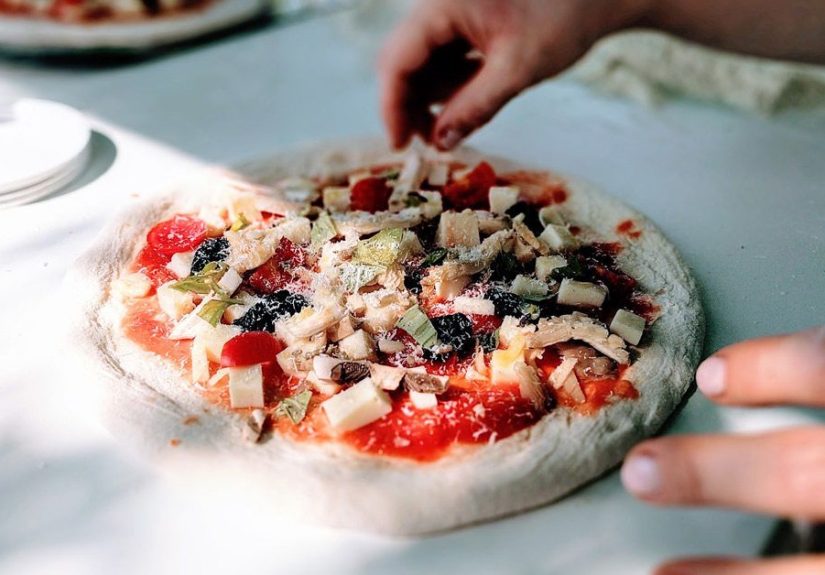
This is the easiest way to improve pizza nutrition without making it feel restrictive. Vegetables add fiber, texture, color, and volume. They can make a pizza feel hearty while actually making it more balanced.
Good choices include:
- Mushrooms
- Spinach
- Bell peppers
- Onions
- Broccoli
- Zucchini
- Tomatoes
- Arugula
- Artichokes
- Eggplant
5. Choose smarter proteins
If you want protein on your pizza, try grilled chicken, roasted turkey, tuna-style Mediterranean toppings, beans, or even chickpeas in creative homemade versions. If you love pepperoni, you do not have to exile it forever, but using less of it or pairing it with lots of vegetables works better than turning every slice into a deli tray.
6. Watch the sodium
Pizza can get salty fast. Cheese, sauce, crust, and processed toppings all contribute. One practical move is to avoid stacking salty ingredients on top of other salty ingredients. For example, if the pizza already has cheese and olives, adding pepperoni, sausage, and extra Parmesan may be overkill.
At home, compare labels for crust, sauce, and shredded cheese. When ordering out, choose simpler topping combinations and skip overly processed meat-heavy pies when you can.
7. Balance the plate
If pizza is the main dish, the rest of the meal should do some nutritional teamwork. A side salad, roasted vegetables, fruit, sparkling water, or unsweetened iced tea can round things out. This approach helps you enjoy pizza without making the entire meal feel heavy.
8. Let portion size do some of the work
You do not need a dramatic food rule. You need a pause button. Two slices with salad may be a satisfying meal for many adults. Four oversized slices eaten straight from the box while “just checking one email” is usually how the trouble starts.
Plating your food helps. So does taking a minute before going back for more. Your brain deserves a chance to catch up with your appetite.
9. Read the label on frozen pizza
Frozen pizza can fit into a healthy lifestyle, but brand differences matter. Check serving size first. Then compare saturated fat, sodium, protein, and fiber. A pizza that looks innocent can hide a nutrition profile that says otherwise. Thin crust, vegetable-forward options, and simpler ingredient lists are usually a better bet.
10. Do not let “healthy pizza” become a trap
A label like “gluten-free,” “cauliflower crust,” or “organic” does not automatically mean lower calorie, lower sodium, or more nutritious. Those foods can still be heavy on cheese, processed toppings, and sodium. Health halos are sneaky. Read what you are actually eating.
Best Pizza Choices for Different Goals
If your goal is everyday balance
Choose thin or whole-grain crust, tomato sauce, moderate cheese, and at least two vegetable toppings. Pair it with salad or fruit.
If your goal is more protein
Use grilled chicken, beans, or a sensible amount of lean meat. Avoid doubling up on processed meats just to chase protein.
If your goal is more fiber
Pick whole-grain crust and add vegetables generously. Beans, spinach, mushrooms, onions, and artichokes can help.
If your goal is lower sodium
Go lighter on cheese, skip pepperoni and sausage, use fewer salty toppings like olives, and compare packaged products carefully if you are cooking at home.
If your goal is weight management
Focus on thinner crust, lots of vegetables, moderate cheese, and sensible portions. The side dish matters here too. Salad and water are very different sidekicks than fries and soda.
Healthy Pizza Ideas That Still Taste Like Pizza
- Veggie whole-wheat pizza: whole-wheat crust, tomato sauce, mozzarella, mushrooms, spinach, peppers, onions
- Mediterranean-style pizza: whole-grain pita, hummus or tomato sauce, spinach, artichokes, tomatoes, a light sprinkle of cheese
- Chicken and veggie pizza: thin crust, tomato sauce, grilled chicken, broccoli, onions, and part-skim mozzarella
- Margherita-style pizza: thinner crust, tomato sauce, fresh basil, mozzarella, and a side salad
- Build-your-own mini pizzas: personal-size bases topped mostly with vegetables so everyone gets what they like without turning dinner into a sodium stunt show
When Pizza Is Probably Not the Healthiest Choice
Pizza is less healthy when it is built around excess: stuffed crust, multiple processed meats, extra cheese, creamy sauces, buttery crust finishes, and giant portions. Add soda, fried sides, and dessert, and the meal becomes much heavier than most people realize.
That does not mean you can never enjoy an indulgent pizza night. It just means it makes more sense as an occasional treat rather than your default Tuesday, Wednesday, and “I had a long day” Thursday plan.
So, Is Pizza Healthy?
Pizza can be healthy enough to fit into a balanced eating pattern, especially when it is made with better ingredients and eaten in sensible portions. It can offer protein, calcium, vegetables, and satisfaction. But it can also be high in sodium, saturated fat, and calories, especially when loaded with processed meats, extra cheese, and oversized crust.
The healthiest answer is not “pizza is bad” or “pizza is perfect.” It is this: pizza is a flexible food. Build it well, and it can be a genuinely solid meal. Build it carelessly, and it can become nutritionally messy in a hurry.
So yes, pizza lovers can relax. You do not need to give up pizza. You just need to stop pretending that every slice is nutritionally identical. Your pizza choices matter, and thankfully, delicious improvement is still improvement.
Pizza Lover Experiences: What Real Life Usually Looks Like
If you have ever tried to “eat healthy” while also loving pizza, you already know the emotional roller coaster. First, there is optimism. You order a veggie pizza and feel extremely responsible, like the kind of person who definitely owns matching food storage containers. Then the pizza arrives, your kitchen smells like a dream, and suddenly you are negotiating with yourself over whether garlic knots count as a vegetable because garlic came from the ground.
Real life with pizza is rarely about perfect nutrition. It is about patterns. Plenty of people have found that pizza works best when it stops being an all-or-nothing food. Once pizza is no longer treated like a cheat meal, forbidden food, or emotional support triangle, it becomes easier to enjoy it normally.
A common experience is the homemade pizza upgrade. Someone starts with the goal of “being healthier” and accidentally discovers that pizza night can actually get better. A thinner crust crisps up nicely. A handful of arugula on top makes the whole thing feel fresher. Roasted vegetables add sweetness and texture. Using less cheese means you can taste the sauce and toppings more clearly. What started as a compromise turns into a preference.
Another very real pizza-lover experience is learning that portion size changes everything. Two slices eaten slowly with a salad can feel satisfying and energizing. Four or five slices eaten in a rush while standing over the box can leave you feeling stuffed, thirsty, and vaguely betrayed by your own dinner choices. Same food, completely different outcome.
Then there is the restaurant reality check. Many people assume one pizza is one serving because it looks personal, cute, and manageable. But restaurant portions can be sneaky. A pizza that seems like a solo meal may actually contain multiple servings. The experience of checking nutrition info for the first time is often humbling. It is not dramatic, just educational. Suddenly, sharing a pizza or saving half for lunch feels a lot more sensible.
Parents often have their own version of the pizza journey. Pizza night is convenient, affordable, and low on dinner-table drama. That matters. Families who want a healthier routine often do best by tweaking the formula instead of banning the meal. Adding fruit, salad, or cut vegetables on the side. Letting kids choose one vegetable topping. Making mini pizzas at home. Those changes tend to work better than announcing, “From now on, we only eat joyless food.” That strategy rarely survives the week.
For busy adults, pizza also fills an important practical role: it is comforting, familiar, and easy. That is not a weakness in your character. That is life. The healthiest eaters are usually not the ones who never crave pizza. They are the ones who know how to fit it into their routine without guilt, drama, or nutritional denial. They order the pizza, enjoy it, maybe pair it with a salad, and move on.
In other words, the healthiest pizza experience is often not about finding a magical “perfect” pie. It is about building habits that make pizza feel good during the meal and after it. That means more awareness, a little planning, and enough flexibility to enjoy the slice without turning dinner into a moral debate. Pizza is food, not a personality test. And honestly, that might be the healthiest tip of all.