Table of Contents >> Show >> Hide
- What Is Jack Black (119) Paint?
- Why Designers Love Deep Black Paint
- Best Places to Use Jack Black (119) Paint
- Choosing the Right Finish for Jack Black
- Best Colors to Pair With Jack Black (119)
- Room-by-Room Ideas for Jack Black Paint
- How to Test Jack Black Before Painting
- Application Tips for a Better Finish
- Pros and Cons of Jack Black (119) Paint
- Is Jack Black Paint Right for Your Home?
- Additional Experience: Living With Jack Black (119) Paint in Real Spaces
- Conclusion
Note: This article synthesizes real product information, professional paint-finish guidance, interior design best practices, low-VOC considerations, and practical decorating experience into original, publication-ready content.
Let’s clear up one thing immediately: Jack Black (119) Paint is not a wall color created by the actor after one heroic weekend with a roller and a playlist of power ballads. It is Jack Black No. 119 by Little Greene, a dramatically deep black paint color with a historic pigment story, a confident design personality, and the ability to make a room look like it suddenly hired an interior stylist.
Black paint can be intimidating. For many homeowners, opening a can of true black feels like standing at the edge of a decorating cliff while holding a tiny brush and a large amount of emotional uncertainty. But when used thoughtfully, Jack Black (119) Paint can be elegant, architectural, cozy, modern, traditional, moody, clean, and surprisingly flexible. It is not just “dark.” It is design punctuation. It adds the period at the end of a beautiful sentence.
Little Greene describes Jack Black as an absolute black paint color, traditionally linked to pigment made from soot collected from burning oil. That origin gives it a wonderfully old-world quality, even though it works beautifully in modern spaces. With a very low light reflectance value commonly listed around LRV 4, this shade absorbs a great deal of light. In plain English: it is black-black. Not charcoal pretending to be black. Not navy after a long day. Not “almost black if you squint.” Jack Black is the real deal.
What Is Jack Black (119) Paint?
Jack Black No. 119 is a deep black paint color from Little Greene, a premium paint and wallpaper company known for heritage-inspired colors, highly pigmented formulas, and finishes designed for both period homes and contemporary interiors. The “119” is the color number, which helps distinguish it from other blacks, off-blacks, charcoals, and dramatic dark shades.
The defining feature of Jack Black (119) Paint is its depth. Some black paints lean blue, brown, green, or gray. Jack Black reads as a strong, absolute black, making it ideal when you want crisp contrast rather than a softened shadow. It works especially well where you want architectural definition: doors, trim, railings, cabinetry, fireplaces, bookcases, furniture, exterior details, and bold feature walls.
Because it has such a low LRV, Jack Black reflects very little light back into the room. That does not automatically mean it will make a space feel tiny. In fact, dark colors can visually blur corners and make walls recede, especially when used on all walls or across trim and doors in a color-drenched scheme. The trick is balance. Black paint is like espresso: excellent in the right dose, alarming if poured into everything without a plan.
Why Designers Love Deep Black Paint
Black has a unique role in interior design. It grounds a room. It frames other colors. It makes pale walls look brighter, wood tones warmer, brass richer, artwork sharper, and plants greener. Jack Black (119) Paint is especially useful because it brings clarity. It does not whisper from the corner; it confidently walks into the room wearing tailored shoes.
It Creates Instant Contrast
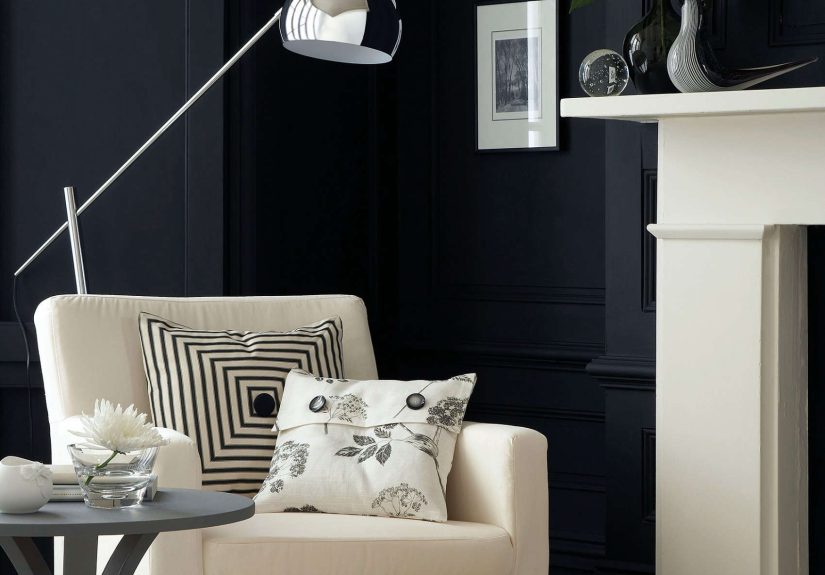
Contrast is one of the easiest ways to make a room look finished. A Jack Black door against soft white walls creates a crisp, polished look. A black fireplace surround can turn an ordinary focal point into the visual anchor of the room. Black window frames can sharpen a view and make the outdoors feel like a framed painting.
It Adds Drama Without Clutter
Some rooms feel unfinished because they lack visual weight. People often try to solve that problem by adding more accessories, more art, more pillows, more baskets, and eventually more confusion. A strong black paint color can do the job with less stuff. Paint a built-in bookcase, a media wall, or a powder room in Jack Black, and suddenly the room has presence without needing seven decorative objects named “artisan vessels.”
It Works in Both Old and New Homes
Jack Black (119) Paint has a historic quality because of its traditional pigment inspiration, but it does not feel old-fashioned. In a Victorian hallway, it can highlight trim and doors. In a modern kitchen, it can make flat-front cabinets look sleek. In a farmhouse-style space, it can create contrast with natural wood, linen, stone, and aged brass. That flexibility is why deep black paint remains a favorite across design styles.
Best Places to Use Jack Black (119) Paint
The best use of Jack Black depends on how bold you want to be. Some homeowners are ready for a full black room. Others want one painted door and a glass of water afterward. Both approaches are valid.
1. Interior Doors
Painting interior doors in Jack Black is one of the easiest ways to introduce the color. Black doors create a tailored, upscale look, especially when paired with white, cream, stone, or pale gray walls. They also hide everyday scuffs better than light doors, which is excellent news for homes with kids, pets, or adults who mysteriously kick doors while carrying laundry.
2. Trim and Millwork
Jack Black trim can make baseboards, crown molding, window casings, and paneling feel intentional. It is particularly effective in rooms with simple architecture because it adds definition. In traditional homes, black trim can feel sophisticated and historic. In modern homes, it creates a graphic outline that looks clean and confident.
3. Kitchen Cabinets
Black kitchen cabinets are bold, but they can be surprisingly timeless. Jack Black works well on lower cabinets, islands, pantry doors, or a full cabinet scheme when balanced with lighter countertops, warm woods, stone, or metallic hardware. Brass hardware gives it warmth. Chrome or nickel makes it crisp. Matte black hardware gives a seamless, minimalist effect, though you may occasionally lose the handles visually and begin patting cabinets like you are searching for a secret passage.
4. Powder Rooms
Small bathrooms and powder rooms are perfect places for dramatic color. Since people spend shorter periods of time there, you can take a design risk without committing the entire house to a moody opera. Jack Black on walls, vanity, or paneling can make a tiny room feel jewel-box-like. Add a great mirror, good lighting, and one strong accent material such as marble, brass, or patterned tile.
5. Built-In Bookcases
Built-ins painted in Jack Black create a rich backdrop for books, ceramics, framed photos, and art. The black background makes objects pop and gives shelves a curated look. Even mismatched books can look more intentional against black. It is the visual equivalent of putting a blazer over a T-shirt.
6. Furniture Makeovers
A tired dresser, sideboard, chair, or console table can look dramatically better with a black paint finish. Jack Black is especially effective on vintage furniture with interesting lines. The color hides flaws, emphasizes shape, and gives older pieces a fresh identity. Just remember that furniture needs proper prep, primer, and a durable finish. Paint is magical, but it is not a legal defense against skipping sanding.
7. Exterior Details
Jack Black can also work beautifully outdoors when used in the right exterior finish. Front doors, shutters, railings, gates, and garden furniture can all benefit from a strong black. Against brick, stone, cream render, white siding, or greenery, black looks classic and smart. On exteriors, the finish matters because surfaces face sunlight, rain, temperature shifts, and dirt.
Choosing the Right Finish for Jack Black
Paint color gets all the attention, but finish quietly controls the final mood. The same Jack Black color can look soft and velvety in a matte finish, practical and smooth in eggshell, or glamorous and reflective in gloss. Choosing the right finish is not glamorous, but neither is repainting a bathroom because you used the wrong one.
Absolute Matt Emulsion
A very matte finish gives Jack Black a soft, chalky, luxurious look. It is ideal for quieter interior walls and ceilings where you want depth without shine. Matte black can feel almost like velvet. It hides minor surface imperfections better than glossy finishes, but it is usually less forgiving in high-traffic or wet areas.
Intelligent Matt Emulsion
For busy homes, washable matte finishes are a practical choice. Jack Black in a durable matt finish can work well in hallways, family rooms, kitchens, and children’s spaces where fingerprints and everyday marks are part of the local climate. It keeps the elegant low-sheen look while offering easier cleaning.
Intelligent Eggshell
Eggshell is a smart option for woodwork, cabinets, doors, bathroom walls, and kitchen areas. It has a subtle sheen, enough durability for frequent use, and a refined appearance. On Jack Black, eggshell gives a gentle glow without turning the surface into a mirror.
Satin and Gloss Finishes
Satin and gloss finishes create more reflection and drama. A glossy black front door can look spectacular. Glossy black trim can feel polished and formal. However, higher-sheen finishes show bumps, brush marks, dust, and surface flaws more clearly. If the surface is not smooth, gloss will not politely ignore it. Gloss will invite it to stand under a spotlight.
Best Colors to Pair With Jack Black (119)
Because Jack Black is so deep, pairing it well is essential. The right companion colors make it elegant. The wrong ones can make it feel harsh or disconnected.
Warm Whites and Soft Neutrals
Warm whites, ivory, soft stone, and gentle beige tones help balance the strength of Jack Black. These combinations work beautifully in living rooms, hallways, kitchens, and bedrooms. Warm neutrals prevent the scheme from feeling too stark, especially in homes with natural wood floors or vintage furniture.
Crisp White
For a graphic black-and-white scheme, pair Jack Black with a clean white. This is ideal for modern interiors, bathrooms, staircases, and trim-heavy spaces. The look is sharp and timeless, but use texture to keep it from feeling cold. Think woven rugs, linen curtains, wood furniture, marble, plants, or aged metal.
Green, Blue, and Jewel Tones
Deep black works beautifully with rich colors such as emerald green, teal, sapphire, burgundy, ochre, and aubergine. These pairings feel layered and sophisticated. For example, a Jack Black bookcase behind green ceramics or brass-framed art can look collected rather than decorated in one panicked Saturday afternoon.
Natural Wood and Metal
Wood is one of the best partners for black paint. Oak, walnut, pine, and reclaimed wood all soften the look. Metals also matter. Brass warms black. Nickel cools it. Iron keeps it rustic. Bronze makes it feel quietly expensive, which is always nice, even if your actual budget is whispering from under the sofa.
Room-by-Room Ideas for Jack Black Paint
Living Room
Use Jack Black on a fireplace wall, built-ins, window trim, or a media wall. A black media wall is especially practical because it helps a television blend into the room instead of floating there like a glossy black rectangle of judgment. Add soft seating, warm lighting, and lighter textiles to keep the room inviting.
Bedroom
In a bedroom, Jack Black can create a cocoon effect. Use it behind the bed as a headboard wall, or go bold with all walls and matching trim. Pair it with linen bedding, warm lamps, pale artwork, and natural wood nightstands. The result can feel calm and luxurious rather than gloomy.
Kitchen
Jack Black kitchen cabinets look best when the rest of the palette has breathing room. Try black lower cabinets with white upper cabinets, a black island with oak cabinets, or full black cabinetry with light stone counters. Good lighting is essential. Under-cabinet lighting, pendants, and natural light will keep the space functional.
Bathroom
Black paint in bathrooms needs the right finish and ventilation. Use a moisture-resistant finish where appropriate, especially around splash zones. A Jack Black vanity, wall paneling, or ceiling can look striking with white tile, marble, unlacquered brass, or patterned flooring.
Home Office
Jack Black can be excellent in a home office because it reduces visual noise and creates focus. A black wall behind a desk can make artwork, shelving, or a task lamp stand out. If the room is small, consider painting the walls, trim, and shelves the same color to reduce contrast and make the space feel more intentional.
How to Test Jack Black Before Painting
Never choose a black paint from a tiny online square alone. Screens lie. Lighting changes everything. A color that looks rich in one room can look flat in another. Before committing, order a sample and test it properly.
Paint a large sample board or apply the sample to more than one wall. Look at it in morning light, afternoon light, evening light, and artificial light. Check it next to flooring, furniture, cabinets, tile, and fabric. Black paint reacts strongly to sheen and lighting, so testing is not optional. It is the difference between “designer drama” and “why does my hallway look like a stage set for a haunted tax office?”
Application Tips for a Better Finish
Deep colors reward careful preparation. Before using Jack Black (119) Paint, clean the surface, fill holes, sand rough areas, and use the correct primer for the surface. Dark paint can highlight uneven texture, especially in higher-sheen finishes. If you are painting woodwork or cabinets, take prep seriously. Degrease, sand, prime, and allow proper drying time between coats.
Most projects need at least two coats for even coverage and full depth. Use high-quality brushes and rollers, maintain a wet edge, and avoid overworking the paint as it dries. For doors and cabinets, remove hardware where possible. For walls, cut in carefully around edges and roll in sections. If you are painting over a very light color, a tinted primer may help build depth more efficiently.
Pros and Cons of Jack Black (119) Paint
Pros
Jack Black is dramatic, versatile, and timeless. It creates strong contrast, highlights architectural details, and works with many design styles. It can make cheap hardware look better, old furniture look intentional, and ordinary rooms feel more designed. It also pairs beautifully with whites, neutrals, wood, stone, metal, and saturated colors.
Cons
Like all very dark paints, Jack Black can show dust, lint, and surface flaws depending on the finish. It may need careful lighting in rooms with little natural light. Glossy versions require excellent surface preparation. And once you paint one thing black, you may start noticing ten other things that would also look better black. This is not a defect. It is a lifestyle hazard.
Is Jack Black Paint Right for Your Home?
Jack Black (119) Paint is right for you if you want a true black with historic depth, strong contrast, and serious design impact. It is ideal for homeowners who like bold details but still want a color that feels classic. It can be modern, traditional, rustic, glamorous, or minimalist depending on the finish and surrounding materials.
If you are nervous, start small. Paint a door, a mirror frame, a small cabinet, or a powder room vanity. If you love the effect, move on to built-ins, trim, walls, or cabinetry. Black paint does not demand that you redecorate your entire house overnight. It simply asks for a little courage, a decent brush, and perhaps a snack break between coats.
Additional Experience: Living With Jack Black (119) Paint in Real Spaces
The first experience many people have with a color like Jack Black is hesitation. The sample arrives, the lid opens, and suddenly the paint looks darker than expected. That is normal. True black paint has a way of making people question their life choices before it makes them admire their walls. The key is to remember that paint in a tin is not paint in a room. Once applied, dried, styled, and lit properly, Jack Black becomes less scary and much more refined.
One of the best beginner projects is a single interior door. A plain white hollow-core door can look basic, but paint it in Jack Black with a subtle eggshell or satin finish and it suddenly feels intentional. Add a simple brass, black, or nickel knob, and the door becomes part of the design rather than just the thing you close when someone starts vacuuming. This small project helps you understand how the color behaves without committing to four walls.
Another rewarding experience is using Jack Black on a piece of furniture. A scratched wooden console, an outdated side table, or a secondhand dresser can be completely transformed. Black paint hides visual clutter and emphasizes silhouette. Curved legs look more sculptural. Simple drawers look cleaner. A once-forgotten piece can become the anchor of an entryway or bedroom. The most important lesson from furniture painting is patience. Sanding and priming may feel boring, but skipping them is how you end up with paint that chips faster than your confidence.
In small rooms, Jack Black can be surprisingly friendly. A powder room painted in deep black may sound risky, but it often feels more complete than a small room painted in a timid neutral. Add a mirror, warm lighting, and a bright or metallic accent, and the space feels like a tiny boutique hotel bathroom. The darkness becomes atmosphere, not a problem. Guests may even compliment it, which is the true currency of home improvement.
For larger rooms, the experience depends heavily on lighting and texture. A black living room wall behind open shelving can look stunning, but it needs balance. Books, ceramics, woven baskets, artwork, and plants help break up the darkness. Soft fabrics also matter. A black wall beside a linen sofa, wool rug, and wood coffee table feels layered and cozy. A black wall beside only shiny black furniture may feel like a villain’s waiting room. Texture saves the day.
People often discover that Jack Black changes throughout the day. In bright daylight, it may show more surface detail and a slight softness depending on finish. At night, it becomes deeper and more dramatic. Under warm lamps, it can feel intimate. Under cool overhead lighting, it can feel sharper. This is why sample testing matters so much. You are not choosing a color for one perfect moment; you are choosing it for breakfast light, cloudy afternoons, movie nights, and the random Tuesday when every lamp in the house seems too bright.
Maintenance is another real-world consideration. Dark surfaces can show dust, especially on horizontal areas such as shelves, mantels, and cabinet tops. The solution is not to avoid black paint; it is to choose the right surface and finish. Walls and doors are usually easier to live with than flat black tabletops. In busy areas, a washable finish makes life simpler. Black paint should make your home look better, not turn you into a full-time dust detective.
The most satisfying part of using Jack Black (119) Paint is how quickly it adds confidence to a space. It can make old trim look intentional, a dull hallway feel tailored, or a basic bathroom feel designed. It is a color with backbone. Used thoughtfully, it does not overpower a home; it gives the home structure. And unlike trend colors that arrive loudly and disappear quietly, a strong black has staying power. Jack Black is not trying to be cute. It is trying to be classicand it succeeds.
Conclusion
Jack Black (119) Paint is a bold, absolute black paint color that offers depth, contrast, and timeless style. Whether used on doors, trim, cabinets, built-ins, furniture, exterior accents, or entire rooms, it brings instant character when paired with the right finish, lighting, and supporting colors. It is not a shy shade, but it is far more versatile than many homeowners expect. Start small if you are nervous, test carefully, prepare surfaces properly, and let this deep black do what it does best: make ordinary spaces look sharper, richer, and more memorable.