Table of Contents >> Show >> Hide
- From a Missing Voice in the Aisle to a Brand with a Mission
- Why Representation on Paper Matters More Than It Looks
- How Be Rooted Turned Journaling Into Cultural Affirmation
- The Retail Breakthrough That Changed the Conversation
- What Makes the Brand Feel Different
- Why This Story Matters Beyond Paper Goods
- Experiences Related to This Story: Why Inclusive Stationery Feels So Personal
- Conclusion
Some brands sell notebooks. Others sell planners. Jasmin Foster’s brand, Be Rooted, sells something a lot harder to find on a store shelf: recognition. In a category long dominated by generic florals, vague inspiration, and the occasional beige life-coach energy, Foster built a stationery company that makes women of color feel seen, centered, and stylish all at once. That is no small trick. Pulling off good design is hard. Pulling off good design with cultural meaning, retail muscle, and emotional resonance? That is a full-contact sport.
Be Rooted has become one of the most talked-about inclusive stationery brands in the country because it does more than decorate paper. It reframes who stationery is for, whose stories belong in everyday products, and what self-expression can look like when it is rooted in culture rather than squeezed into a one-size-fits-all template. Foster’s success also proves something the retail world should have figured out a while ago: representation is not a niche feature. It is good design, smart business, and a better customer experience.
From a Missing Voice in the Aisle to a Brand with a Mission
Before Be Rooted existed, Jasmin Foster was already the kind of person who loved stationery with the enthusiasm usually reserved for concert tickets and good fries. She has described being the little girl who got excited about school supplies and the adult who bought a fresh planner whenever a new chapter began. But even with that love for paper goods, there was a disconnect. The stationery aisle did not fully reflect her culture, her language, or the women she knew.
That gap became the opportunity. After spending about a decade in retail, Foster launched Be Rooted in 2020 with a clear mission: create a space where women of color could see themselves in a category that had rarely centered them. The idea sounds obvious now, which is usually how you know it was overdue. She was not trying to make stationery louder just for the sake of it. She was trying to make it more honest.
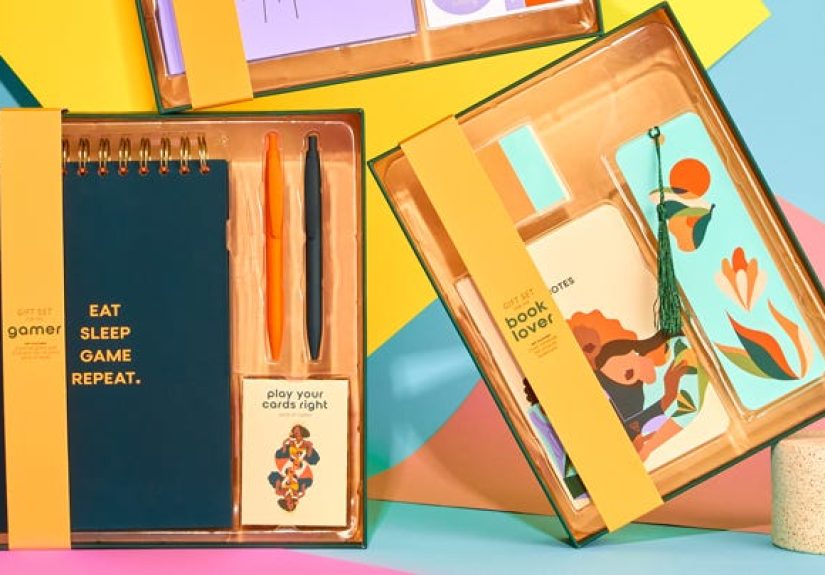
That honesty shows up in the brand’s tone and design philosophy. Be Rooted products weave culture, affirming language, and self-reflection into journals, planners, writing tools, and giftable lifestyle items. The point is not just to offer a pretty notebook. The point is to offer a product that feels familiar in the best possible way, like it was made by someone who understands the customer rather than studied her from across the room.
Why Representation on Paper Matters More Than It Looks
Stationery may seem like a small category, but everyday objects shape everyday emotions. A journal sits on your nightstand. A planner lives in your tote bag. A notebook follows you to class, to work, to the kitchen table where you are trying to organize your life before Monday arrives like a tax audit. These are intimate products. People use them to write goals, fears, reminders, prayers, rough drafts, and plans for the future. When the design feels disconnected from the person using it, the experience becomes flatter than it needs to be.
That is why Foster’s approach matters. Be Rooted turns stationery into a form of cultural affirmation. Instead of asking women of color to adapt to a design language that was never built with them in mind, the brand starts with them. Its products feature imagery, tones, and messages that feel rooted in Black and brown identity, joy, self-worth, and everyday ambition. That changes the emotional equation. A notebook becomes more than paper and wire binding. It becomes a mirror, a motivator, and sometimes a tiny pep talk you can toss into your bag.
There is also a broader retail lesson here. Inclusive representation is not decorative window dressing. Consumers increasingly care about authenticity, values, and whether brands genuinely understand the communities they claim to serve. When a company reflects people with care and accuracy, it builds trust. When it does not, customers notice that too. Foster’s brand works because it does not treat inclusion like a campaign theme for one month of the year. It is the product.
How Be Rooted Turned Journaling Into Cultural Affirmation
Design that speaks in a familiar voice
One of the smartest things Foster did was recognize that representation is not only about who appears on a product. It is also about voice. Be Rooted journals and accessories use language that feels conversational, affirming, and culturally fluent. The messaging is warm without being sugary and motivational without sounding like it was generated by a robot that just discovered sunlight. That balance matters. People are more likely to write honestly when the object in front of them feels relatable.
Be Rooted has also emphasized working with Black and brown artists, which helps the visual identity feel organic rather than performative. The result is a design system that celebrates a range of skin tones, hairstyles, beauty standards, and moods. It does not flatten women of color into one aesthetic. It gives them room to be polished, playful, reflective, bold, soft, and ambitious all at once.
Journaling as self-care, not homework
Foster’s rise also landed at the perfect cultural moment. During and after the pandemic, many people turned to journaling for structure, emotional processing, and stress relief. Health experts have repeatedly noted that expressive writing can help some people process difficult experiences, reduce stress, and gain clarity. In plain English, writing things down can help your brain stop acting like a browser with 47 tabs open.
That connection between stationery and well-being is central to Be Rooted’s appeal. Foster has spoken about journaling as a way to find clarity, set intentions, and create a safe place for thoughts that may be hard to say out loud. The brand does not present writing as a performance. It presents it as a practice. There is no perfect handwriting requirement. No gold-star grading rubric. No elite membership test. Just a page, a pen, and permission to be honest.
The Retail Breakthrough That Changed the Conversation
Be Rooted’s story became national business news because the brand did not stay small for long. Within about a year of launching, it broke into Target, a milestone that several outlets described as a first for a Black-owned or Black woman-owned stationery brand in the retailer’s office-supply and stationery space. That kind of placement matters because mass retail shelves shape cultural visibility. When a customer sees inclusive products in a major chain, it signals that representation belongs in the mainstream, not hidden in a special corner with bad lighting.
Target was not just a sales channel. It was a cultural turning point. Foster’s entry into that space challenged the old assumption that inclusive products are too narrow for broad retail success. Quite the opposite: Be Rooted showed that thoughtfully designed products for women of color can resonate at scale. And once the door opened, it opened wider. The brand expanded from early journals into planners, calendars, pencils, puzzles, mugs, totes, and other giftable lifestyle goods.
Recognition followed. TIME included Be Rooted on its 2022 list of the most influential companies, highlighting the brand’s creative diversity and its use of Black and brown artists. Oprah Daily later featured Be Rooted in its 2024 Favorite Things coverage of small businesses. By 2026, Entrepreneur reported that the brand had grown into a multi-million-dollar business with products available through major retailers including Target and Walmart. That is not a cute little side project anymore. That is a category-shaping company.
What Makes the Brand Feel Different
The easiest explanation is that Be Rooted understands identity as an everyday experience, not a slogan. It does not only celebrate women of color in grand or ceremonial ways. It celebrates them in normal life: making lists, tracking appointments, writing down dreams, giving gifts, planning the week, or taking five quiet minutes before bed. That may sound simple, but it is powerful. Everyday dignity is where loyalty is built.
There is also a useful tension in the brand’s aesthetic. Be Rooted is affirming, but it is not one-note. It does not talk to women of color as if they all want the same thing from stationery. Some customers want a wellness planner. Others want a bold notebook. Others want a gift that says, “I saw this and immediately thought of your fabulous organized self.” The brand’s wider assortment helps it move from a niche stationery line into a fuller lifestyle brand.
Another difference is Foster’s retail fluency. She did not stumble into distribution by luck alone. Her background in retail helped her understand category gaps, customer behavior, and how major merchants think. That matters because great brands often fail not from lack of vision but from lack of translation. Foster knew how to turn a personal insight into a consumer proposition that buyers could understand and shoppers could feel.
Why This Story Matters Beyond Paper Goods
Be Rooted’s rise says something bigger about entrepreneurship, culture, and the modern consumer. First, it proves that women of color are not waiting around to be included by legacy brands. They are building the products they wanted to see in the first place. Second, it shows that authenticity is not a soft metric. It is commercially relevant. Customers increasingly reward brands that reflect their values and respect their communities. Foster did not bolt inclusion onto an existing formula. She built the formula around it.
Third, the brand reminds the market that so-called small categories can carry huge emotional weight. A journal is not a luxury car or a viral gadget. But for the person using it, it can hold daily rituals, private healing, long-term goals, and identity. When a product participates in that emotional space with care, it builds a relationship rather than just a transaction.
For underrepresented founders, Foster’s path is especially meaningful. She has spoken openly about the challenges Black founders face, including access to capital, mentorship, and resources for growth. Even so, she built a brand that did not compromise on who it was for or why it mattered. That kind of clarity is rare. So is the discipline it takes to scale it.
Experiences Related to This Story: Why Inclusive Stationery Feels So Personal
The most relatable part of Jasmin Foster’s story may be the feeling that came before the company existed. Many women of color know what it is like to browse a store full of products and still feel slightly absent from it. Nothing is openly hostile. Nothing is technically wrong. Yet the packaging, language, imagery, and mood all suggest that someone else was the default customer. It is a quiet kind of exclusion, the sort that can be brushed off in a single moment but becomes exhausting over years.
That is why inclusive stationery hits differently. The experience is not just about liking a cover design. It is about relief. It is about picking up a notebook and not needing to translate the vibe. It is about seeing colors, illustrations, and messages that feel culturally familiar rather than vaguely aspirational in a way that never quite includes you. The emotional shift is subtle but real: instead of asking, “Can I fit into this brand?” the customer gets to ask, “Which one of these feels most like me today?”
There is also something deeply practical about the experience. Stationery is used in transitional moments: back-to-school shopping, new jobs, fresh semesters, new homes, birthdays, goal setting, therapy work, gratitude routines, business planning, and late-night “let me get my life together” sessions. These are moments when identity and aspiration collide. A planner can become a confidence tool. A journal can become a container for grief, ambition, joy, or reinvention. When the object itself reflects the user’s world, the habit feels easier to begin and easier to keep.
Gift-giving is another layer. Inclusive paper goods make especially meaningful gifts because they communicate recognition without needing a long speech. A beautiful journal that reflects the recipient’s culture, energy, or style says, “I see you,” in a way that feels natural instead of performative. That matters for sisters, daughters, friends, coworkers, mentors, and graduates. It turns a useful object into an affirming gesture.
For creatives and entrepreneurs, the experience can be even more specific. A lot of women of color are used to building their own tables when they are not invited to sit at someone else’s. A brand like Be Rooted mirrors that reality. It makes everyday work tools feel aligned with the ambition behind them. Writing a product plan, sketching a side-hustle idea, tracking content goals, or mapping out a business launch feels a little different when the notebook in front of you does not feel generic. The object starts to reinforce the mindset.
There is a generational angle too. Young girls notice what is on shelves. They notice who gets represented as stylish, smart, creative, and worth marketing to. Seeing products that reflect women of color in joyful, elevated, everyday ways can shape what feels normal. It tells them that their image belongs in school supplies, office supplies, gifts, and lifestyle goods without needing special permission. That kind of normalization can be powerful because it works quietly. It does not announce itself with fireworks. It just changes what feels possible.
Even people outside the core audience can feel the value of the brand. Inclusive design often improves products for everyone because it begins with specificity, thoughtfulness, and care. When a brand knows exactly who it serves and why, the result tends to be stronger, not narrower. That is one reason Be Rooted resonates beyond a single demographic. The products are attractive, useful, and emotionally intelligent. They just happen to do something else the market had ignored for too long: celebrate women of color as the center, not the afterthought.
Ultimately, the experiences around this topic come down to dignity. Not the dramatic, speech-at-a-podium kind. The daily kind. The kind that shows up in what you carry to a meeting, what you write in before bed, what you give a friend, and what your daughter sees in a store. Foster’s brand succeeds because it understands that little things are rarely little when people have gone too long without seeing themselves reflected in them.
Conclusion
Jasmin Foster did not simply create a stationery brand. She created a more inclusive vision of who gets to occupy the page. Be Rooted celebrates women of color by blending representation, cultural fluency, thoughtful design, and the emotional power of journaling into products that feel both beautiful and useful. Its rise from a 2020 launch to major retail placement, national recognition, and broader lifestyle expansion shows that inclusive design is not a passing trend. It is a better standard.
In a world full of products asking to be noticed, Be Rooted stands out because it makes customers feel noticed first. And honestly, that is the kind of brand story worth writing down.