Table of Contents >> Show >> Hide
Kale is the leafy green that somehow became both a health icon and a punchline. It has been blended into smoothies, baked into chips, massaged like a tiny spa client, and accusedsometimes unfairlyof tasting like “a lawn with ambitions.” But behind the jokes is a genuinely impressive vegetable. Kale is rich in vitamins, minerals, fiber, and plant compounds that may support heart health, eye health, digestion, bone strength, and overall wellness.
That does not mean kale is magic. No single food can cancel a week of drive-thru meals or replace medical care. Still, when used as part of a balanced eating pattern, kale can be a smart, affordable, and versatile ingredient. This guide explores kale nutrition, science-backed health benefits, practical ways to eat it, and possible risksbecause even superheroes need a disclaimer.
What Is Kale?
Kale is a dark leafy green vegetable from the cruciferous family, the same plant family as broccoli, cabbage, Brussels sprouts, cauliflower, collard greens, and arugula. Cruciferous vegetables are known for their fiber, vitamins, minerals, and sulfur-containing plant compounds called glucosinolates.
There are several types of kale, and each brings its own personality to the plate:
Curly Kale
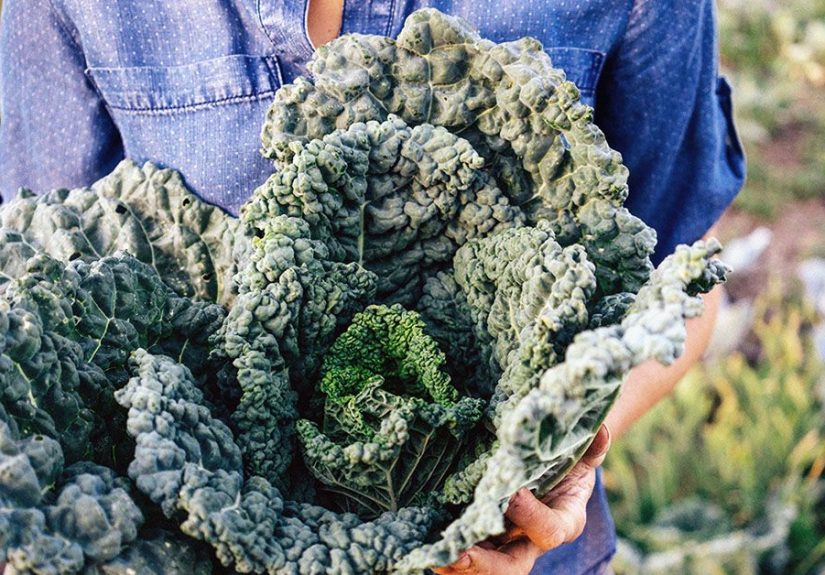
This is the most common type in grocery stores. It has ruffled leaves, a slightly peppery taste, and a sturdy texture that works well in soups, sautés, salads, and kale chips.
Lacinato Kale
Also called dinosaur kale or Tuscan kale, this variety has long, dark, bumpy leaves. It is usually more tender than curly kale and has a slightly sweeter, earthier flavor.
Red Russian Kale
This variety has flatter leaves with purple-red stems. It is often more delicate and mildly sweet, making it a good choice for raw salads.
Baby Kale
Baby kale is harvested young, so the leaves are softer and less bitter. It is a great starter kale for people who want the nutrition without feeling like they are chewing a decorative shrub.
Kale Nutrition Facts
Kale is popular because it gives you a lot of nutrition for very few calories. One cup of raw kale is low in calories and provides important nutrients such as vitamin K, vitamin C, vitamin A, calcium, potassium, manganese, folate, and fiber.
Exact numbers vary by variety, freshness, serving size, and whether kale is raw or cooked. In general, raw kale is especially known for its high vitamin K content, while cooked kale becomes more concentrated by volume because the leaves shrink during heating.
Key Nutrients in Kale
Vitamin K: Kale is one of the best-known sources of vitamin K, a nutrient involved in normal blood clotting and bone health. This is one reason kale is often mentioned in conversations about strong bones.
Vitamin C: Kale provides vitamin C, an antioxidant that helps support immune function, collagen production, wound healing, and healthy skin. Think of vitamin C as part bodyguard, part repair crew.
Vitamin A compounds: Kale contains beta carotene, which the body can convert into vitamin A. Vitamin A supports vision, immune function, and healthy cells.
Lutein and zeaxanthin: These carotenoids are linked to eye health and are found in dark leafy greens. They help protect the eyes from oxidative stress and are often associated with healthy aging of the eyes.
Calcium: Kale contains calcium, a mineral needed for bones, muscles, nerves, and heart rhythm. While kale does not replace dairy or fortified foods for everyone, it can contribute to daily calcium intake.
Potassium: Potassium helps support normal blood pressure and fluid balance. Kale is not the highest-potassium food on earth, but it adds a useful amount to a produce-rich diet.
Fiber: Kale contains fiber, which supports digestion, bowel regularity, blood sugar balance, and fullness after meals. Fiber is the quiet overachiever of the nutrition world.
Health Benefits of Kale
Kale’s benefits come from its full nutritional package. It is not just one vitamin or one antioxidant doing all the work; it is the combination of fiber, micronutrients, and phytochemicals that makes kale valuable.
1. Kale May Support Heart Health
A heart-friendly eating pattern usually includes plenty of vegetables, fruits, whole grains, legumes, nuts, seeds, lean proteins, and healthy fats. Kale fits neatly into that pattern. Its fiber may help support healthy cholesterol levels, while potassium plays a role in blood pressure regulation.
Kale also contains antioxidants that help reduce oxidative stress, which is connected to inflammation and long-term cardiovascular risk. Eating kale will not turn your arteries into a spa retreat overnight, but adding dark leafy greens regularly is a sensible step toward better heart health.
2. Kale Supports Eye Health
Kale is rich in lutein and zeaxanthin, two carotenoids that accumulate in the retina. These compounds are often discussed for their role in supporting vision and protecting the eyes from oxidative damage. They are especially important as people age and begin thinking more seriously about long-term eye health.
For a practical eye-friendly meal, try kale with eggs, avocado, olive oil, salmon, or nuts. The healthy fat helps the body absorb fat-soluble nutrients and carotenoids more efficiently.
3. Kale May Help Strengthen Bones
Bone health is not only about calcium. Vitamin K, vitamin D, magnesium, protein, and overall diet quality also matter. Kale contributes vitamin K and calcium, making it a helpful vegetable for people focused on maintaining strong bones.
That said, kale should be part of a bigger bone-health strategy. Weight-bearing exercise, adequate protein, sufficient vitamin D, and a balanced diet all matter. Kale is helpful, but it cannot do squats for you.
4. Kale Supports Healthy Digestion
Kale contains fiber, and fiber is essential for digestive health. It helps move food through the digestive tract, supports bowel regularity, and feeds beneficial gut bacteria. A healthy gut microbiome is connected with many areas of wellness, including immune health and metabolism.
If you are new to kale or other high-fiber foods, increase your intake gradually. Jumping from zero greens to a giant raw kale salad can leave your digestive system filing a formal complaint.
5. Kale May Support Immune Function
Kale provides vitamin C, beta carotene, and other antioxidants that support the immune system. Vitamin C helps protect cells from oxidative damage and supports normal immune defenses. Beta carotene and other plant compounds also contribute to overall cellular health.
Of course, immunity is influenced by many things, including sleep, stress, physical activity, vaccines, hydration, and overall nutrition. Kale is a useful supporting actor, not the entire movie.
6. Kale Contains Anti-Inflammatory Plant Compounds
Kale contains polyphenols, carotenoids, and glucosinolates. These natural compounds are being studied for their potential antioxidant and anti-inflammatory effects. Cruciferous vegetables, including kale, are often associated with long-term health because of these plant-based compounds.
Inflammation is a normal part of healing, but chronic inflammation may contribute to disease risk. A diet rich in colorful plant foods can help support a healthier inflammatory balance.
7. Kale May Help With Weight Management
Kale is low in calories and high in volume, which means it can help make meals feel larger and more satisfying. Fiber adds fullness, and the crunchy texture can make salads, bowls, wraps, and soups more interesting.
However, kale does not “burn fat” in any magical way. It supports weight management best when it replaces more calorie-dense, less nutritious foods or helps build satisfying meals. A kale salad drenched in half a bottle of creamy dressing is still a saladbut it may be wearing a cheeseburger’s jacket.
How to Eat Kale
Kale can be eaten raw, cooked, blended, baked, or added to recipes where it quietly boosts nutrition without demanding applause. The best method depends on your taste, digestion, and the dish you are making.
Raw Kale Salad
Raw kale can be tough, so massage it before eating. Remove the thick stems, chop the leaves, add a little olive oil and lemon juice, then rub the leaves for one to two minutes. This softens the texture and reduces bitterness.
Good salad pairings include apples, cranberries, pumpkin seeds, chickpeas, roasted sweet potatoes, parmesan, feta, avocado, grilled chicken, salmon, or tahini dressing.
Sautéed Kale
Sauté kale with olive oil, garlic, lemon, and a pinch of salt for a quick side dish. Cooking reduces the volume, softens the leaves, and makes kale easier to digest for many people.
Kale Smoothies
Kale blends well with banana, pineapple, mango, Greek yogurt, almond milk, peanut butter, or chia seeds. Baby kale is best for smoothies because it has a milder taste. If your smoothie tastes like a garden fence, add citrus or fruit for balance.
Kale Chips
Kale chips are easy to make. Tear kale into pieces, remove stems, toss with a small amount of oil, season lightly, and bake until crisp. Watch closely because kale chips can go from “perfect snack” to “campfire confetti” very quickly.
Kale in Soups and Stews
Kale holds up well in soups, especially bean soup, lentil soup, chicken soup, sausage and white bean soup, and vegetable stew. Add it near the end of cooking so it stays bright and tender.
Kale in Grain Bowls
Use kale as a base for quinoa bowls, rice bowls, farro bowls, or pasta salads. Add protein, healthy fat, and a flavorful sauce to make it satisfying.
How Much Kale Should You Eat?
For most healthy adults, kale can be eaten several times per week as part of a varied diet. A typical serving is about one cup raw or half a cup cooked. The goal is not to eat kale at every meal. Variety matters, so rotate kale with spinach, romaine, collards, Swiss chard, arugula, cabbage, broccoli, and other vegetables.
Eating different vegetables gives your body a wider range of nutrients and plant compounds. It also prevents kale fatigue, a real emotional condition experienced by anyone who has meal-prepped the same salad five days in a row.
Potential Risks and Side Effects of Kale
Kale is safe and healthy for most people, but there are situations where moderation or medical guidance is wise.
Vitamin K and Blood Thinners
Kale is high in vitamin K. People taking warfarin or other vitamin K-sensitive blood thinners should not suddenly increase or decrease kale intake without medical guidance. The key is consistency. A steady amount of vitamin K is easier for healthcare professionals to manage than unpredictable swings.
If you take blood thinners, ask your doctor or registered dietitian how to include kale safely.
Digestive Discomfort
Because kale contains fiber and certain carbohydrates that can ferment in the gut, it may cause gas or bloating in some people, especially when eaten raw in large amounts. Cooking kale, choosing baby kale, removing stems, and starting with smaller portions can help.
Thyroid Considerations
Kale contains goitrogenic compounds, which can interfere with thyroid hormone production in very large amounts, especially when iodine intake is low. For most people, normal servings of kale are not a concern. Cooking reduces goitrogenic activity, and a balanced diet with adequate iodine supports thyroid health.
People with thyroid disease should speak with a healthcare professional if they plan to eat large amounts of raw cruciferous vegetables daily.
Kidney Stone Concerns
Some leafy greens contain oxalates, compounds that may contribute to kidney stones in susceptible people. Kale is generally lower in oxalates than spinach, but anyone with a history of kidney stones should follow personalized advice from a clinician or dietitian.
Pesticide Residue
Like many leafy greens, kale should be washed well before eating. Buying organic is a personal choice, not a nutritional requirement. Whether conventional or organic, rinse kale under running water, remove damaged leaves, and dry it before storing or cooking.
Best Ways to Store Kale
To keep kale fresh, store it unwashed in a loose bag or container in the refrigerator. Add a paper towel to absorb moisture. Wash it right before using to prevent soggy leaves. Fresh kale usually lasts several days, though baby kale tends to wilt faster.
You can also freeze kale. Wash, remove stems, blanch briefly if desired, dry well, and freeze in portions. Frozen kale works well in smoothies, soups, stews, casseroles, and pasta dishes.
Kale vs. Spinach: Which Is Better?
Kale and spinach are both nutritious, but they are not identical. Kale usually has more vitamin C and vitamin K per serving, while spinach is often richer in folate and certain minerals. Spinach is softer and milder, while kale is sturdier and more textured.
The winner? Your diet wins when you eat both. Food does not need a championship belt. Rotate greens based on taste, recipe, budget, and digestion.
Simple Kale Meal Ideas
Breakfast
Add chopped kale to scrambled eggs, omelets, breakfast burritos, or savory oatmeal. Sauté it first if you prefer a softer texture.
Lunch
Make a kale Caesar salad with grilled chicken, chickpeas, or salmon. Use Greek yogurt or tahini in the dressing for a creamy texture with extra nutrition.
Dinner
Add kale to pasta with garlic, olive oil, white beans, lemon, and parmesan. It also works well in turkey chili, lentil soup, and stir-fries.
Snacks
Try kale chips, green smoothies, or small kale wraps with hummus and vegetables.
Experience-Based Tips for Eating Kale Without Suffering
Many people want to like kale before they actually like kale. That is normal. Kale has a bold texture and a slightly bitter flavor, especially when raw. The trick is not to force yourself through a giant bowl of dry leaves while pretending to be thrilled. Start with preparation methods that make kale taste good.
One of the best beginner moves is massaging kale with olive oil, lemon juice, and a pinch of salt. It sounds dramatic, as if the kale had a stressful week and booked a wellness retreat, but it works. The leaves become softer, darker, and less bitter. After that, add something sweet, something crunchy, and something creamy. For example, try apples, toasted walnuts, and goat cheese. Or use roasted sweet potatoes, pumpkin seeds, and tahini dressing. A good kale salad needs balance; otherwise, it feels like homework in a bowl.
Another useful experience is to cook kale before judging it. Raw kale can be chewy, but sautéed kale with garlic and olive oil is much friendlier. Add lemon at the end to brighten the flavor. If the taste still feels strong, mix kale with milder greens such as spinach or romaine. Over time, you can increase the kale ratio as your taste buds stop acting suspicious.
Kale is also excellent in soups because the broth softens the leaves and blends the flavor with other ingredients. White bean and kale soup is a classic because the beans add creaminess and protein, while the kale adds color and nutrients. Add carrots, onion, celery, garlic, herbs, and a splash of lemon, and you have a meal that tastes cozy rather than “health food punishment.”
For busy weeks, pre-chopped kale can be helpful, but check for thick stems. Stems are edible, yet they can be fibrous. If they are too tough, remove them or chop them finely and cook them longer than the leaves. Another time-saving trick is to wash and dry kale ahead of time, then store it with a paper towel in a container. Dry leaves last longer and crisp better if you make kale chips.
If you are making smoothies, baby kale is your friend. It blends more easily and tastes milder than mature curly kale. Pair it with banana, pineapple, mango, or berries. A spoonful of nut butter or a little yogurt can smooth out the flavor. The goal is a drink that tastes refreshing, not like you lost a bet with a blender.
Finally, remember that kale does not need to be your entire personality. You do not have to eat it every day, wear a “Kale Yeah” shirt, or pretend it is better than pizza. Use it where it makes sense. Add it to meals you already enjoy. Keep portions realistic. Rotate it with other vegetables. When kale is treated as one useful ingredientnot a moral achievementit becomes much easier to enjoy.
Conclusion
Kale deserves its healthy reputation, even if the hype occasionally gets louder than a blender full of frozen fruit. It is nutrient-dense, low in calories, and packed with vitamin K, vitamin C, beta carotene, fiber, calcium, potassium, lutein, zeaxanthin, and beneficial plant compounds. Regularly eating kale may support heart health, digestion, immune function, bone strength, eye health, and overall wellness.
The best way to enjoy kale is to prepare it well. Massage it for salads, sauté it with garlic, blend baby kale into smoothies, bake it into chips, or stir it into soups and grain bowls. At the same time, people taking blood thinners, those with thyroid concerns, or individuals with digestive sensitivity should be mindful of portion size and consistency.
In short, kale is not a miracle cure, but it is a powerful addition to a balanced diet. Treat it kindly, season it generously, and it may become one of the easiest ways to make everyday meals greener, smarter, and surprisingly delicious.
Note: This article is for general educational purposes only and should not replace personalized medical or nutrition advice from a qualified healthcare professional.