Table of Contents >> Show >> Hide
- Why Katy Perry’s Latest Photos Sparked Another Round of Rumors
- What Katy Perry Actually Addressed And What She Did Not
- Why Ozempic Became the Internet’s Favorite Guess
- The Ugly Logic Behind “She Looks Worse”
- What This Story Reveals About Fame, Health, and Control
- A Better Way to Cover Celebrity Weight Loss Stories
- The Experience of Watching This Cycle Repeat
- Conclusion
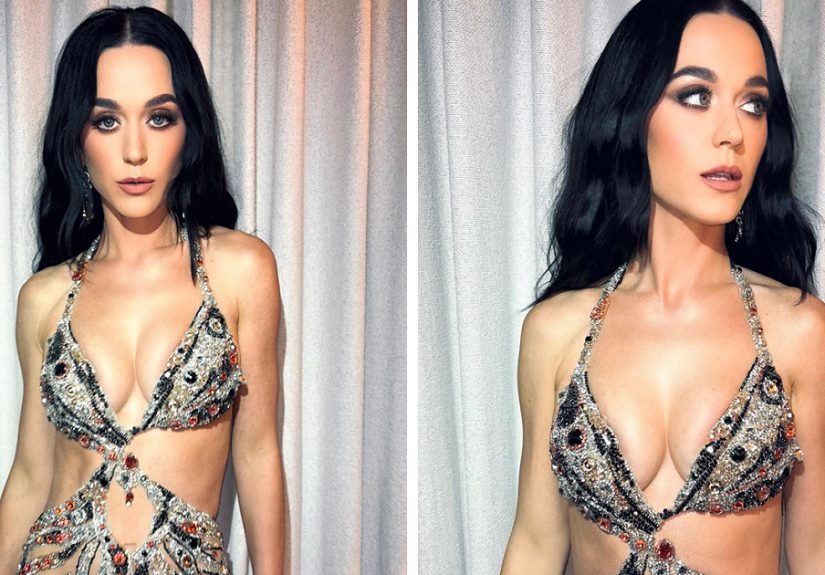
Celebrity bodies used to be tabloid material. Now they are a full-contact internet sport. One new photo, one fitted dress, one dramatically lit Instagram post, and suddenly thousands of strangers become part-time endocrinologists, full-time stylists, and self-appointed judges of whether a famous woman looks “healthy,” “too thin,” “better,” or, in this case, “worse.” That is the noisy backdrop behind the latest wave of chatter around Katy Perry, whose slimmer appearance reignited Ozempic speculation just as she was promoting a major tour.
The headline practically writes itself because the internet never misses a chance to turn a celebrity’s body into a referendum. But the more interesting story is not whether Perry looked different in a glamorous outfit. Of course she did. Red carpets, couture, lighting, angles, makeup, training, stress, age, touring prep, and social media filters can all change how someone appears from one month to the next. The real story is how fast public conversation jumps from “she looks different” to “she must be on Ozempic,” and from there to the crueler line: “she looks worse.” That escalation says more about modern celebrity culture than it does about Katy Perry.
Why Katy Perry’s Latest Photos Sparked Another Round of Rumors
Perry knows how to create a pop-star visual. She has spent years building a career on spectacle, style, camp, color, and a wink that tells audiences she is in on the joke. So when she posted polished images that highlighted a noticeably slimmer frame while teasing her tour, people did what the internet does best: they zoomed in, speculated wildly, and turned one set of images into a full-blown theory thread.
That reaction was predictable for two reasons. First, the Ozempic conversation has become so big that many people now treat it like the default explanation for any visible body change. Second, Perry is a high-recognition celebrity whose look has evolved in public for nearly two decades. When a star has been seen by millions across albums, award shows, pregnancies, residencies, and reinventions, even small changes can trigger oversized reactions.
There is also the timing factor. Perry was not quietly walking into a grocery store. She was promoting a tour. Promotion turns every outfit into a headline and every headline into a debate. In the social-media era, a singer is no longer just selling music. She is also selling imagery, mood, energy, and anticipation. That means the visual lands first, and the discourse often arrives before the facts do.
What Katy Perry Actually Addressed And What She Did Not
Here is where the story gets messy. Perry did not sit down and offer a detailed public medical explanation of her body. What she did appear to do was joke about the rumor machine. Reports around her 40th birthday described novelty party favors labeled “OzempiKP,” a cheeky nod that suggested she was aware of the gossip and willing to mock it rather than bow to it.
That joke matters because it shows a familiar celebrity survival tactic: when the internet will not stop talking, sometimes the fastest way to puncture the conversation is with humor. It is the pop-cultural equivalent of raising an eyebrow and saying, “Yes, I heard you. Please go touch grass.” In Perry’s case, the gag was clever, meme-friendly, and exactly on brand.
Still, a joke is not a confession. It is not proof of use, proof of non-use, or proof of anything beyond media awareness. That distinction gets lost online because people often treat irony like evidence. Add in anonymous “sources close to” celebrity coverage, and suddenly gossip starts dressing itself up like documentation. That is how a private matter becomes a public guessing game with no clear finish line.
The Difference Between Rumor, Report, and Reality
One reason celebrity body stories spiral so quickly is that people collapse three very different things into one blob. A rumor is online chatter. A report is a media account based on sourcing, observation, or both. Reality is what the person and their doctors actually know. Those are not the same lane, yet the internet drives across all three like the lines were painted in invisible ink.
So far, the public conversation around Perry lives mostly in the first two categories. There is public imagery. There is reaction. There is humor. There is speculation. What there is not is a verified, detailed public record that confirms what many commenters confidently claim to know. And when certainty outruns evidence, the conversation stops being informative and starts becoming performance.
Why Ozempic Became the Internet’s Favorite Guess
There is a reason Ozempic became the name everyone throws around, even when they technically mean a broader category of GLP-1 medications. The drug has become cultural shorthand. To a lot of social-media users, “Ozempic” no longer refers only to one brand. It has become a catchall label for celebrity thinness, fast body change, and whispered speculation.
That shorthand is sloppy. Ozempic is a prescription medicine associated with semaglutide and is approved for adults with type 2 diabetes, while Wegovy is semaglutide approved for chronic weight management in certain patients. These are not random vanity accessories tossed into a shopping cart next to lip gloss and espresso. They are prescription medications with clinical uses, possible side effects, and a medical context that gets flattened when the internet turns them into gossip vocabulary.
And yet the speculation keeps spreading because GLP-1 drugs are everywhere in the culture. News coverage, telehealth ads, celebrity denials, celebrity admissions, podcasts, memes, before-and-afters, and constant body comparison have made these medications part of the modern fame ecosystem. Once that happens, any public figure who appears thinner can get drafted into the narrative whether the narrative fits or not.
Why the Public Conversation Feels So Feverish
The current mood around weight-loss drugs is not happening in a vacuum. Americans are hearing about these medications constantly, and more people are using GLP-1 drugs than many casual observers realize. That widespread awareness has changed the way audiences interpret bodies in public. Instead of assuming change could come from training, stress, illness, styling, travel, aging, or natural fluctuation, commenters leap straight to pharmacology.
That leap is not always fair, and it is rarely kind. It also creates a strange paradox: the same culture that glorifies thinness is often eager to punish women the moment they look “too thin,” “too sculpted,” “too different,” or not exactly like the version people stored in their minds years ago. The ideal is always moving, and somehow women are still expected to hit it without ever appearing to try.
The Ugly Logic Behind “She Looks Worse”
This is where the discourse turns from shallow to mean. “She looks worse” is not analysis. It is a drive-by judgment wearing sunglasses and pretending to be concern. Sometimes that phrase is framed as honesty. Sometimes it is passed off as worry. Either way, it reduces a person to an aesthetic referendum and invites everyone else to pile on with their own body audit.
It is also revealing. People often claim they are tired of unrealistic beauty standards, but many still respond to visible body change by grading women like produce at a supermarket. Too full. Too thin. Too smooth. Too lined. Too natural. Too enhanced. The rules contradict each other because the point is not accuracy. The point is control through commentary.
Perry is not the first woman to be trapped in this loop, and she will not be the last. Female celebrities are expected to age, but not visibly. To stay fit, but not suspiciously fit. To look glamorous, but not artificial. To be open, but not too open. To share their lives, but not their private health information. It is a no-win game, and the public still acts shocked every time someone refuses to play it perfectly.
Concern Can Become Policing Very Fast
Some commenters do start from genuine concern. That part is worth acknowledging. Celebrity culture can normalize extremes, and audiences sometimes worry when someone appears dramatically different. But concern curdles quickly online. The moment strangers begin diagnosing, mocking, comparing, or assigning motives, empathy leaves the room and spectacle takes over.
Body-image experts have warned for years that appearance-focused media and social comparison can fuel shame, anxiety, distorted self-perception, and unhealthy behaviors. That is one reason celebrity body discourse matters beyond gossip. It does not stay on celebrity accounts. It trickles outward to ordinary readers who absorb the message that every body is public property and every change must be explained.
What This Story Reveals About Fame, Health, and Control
If there is one lesson in the Perry conversation, it is this: we have become deeply uncomfortable with not knowing. The internet hates ambiguity. A star posts a photo, and people want an instant answer. Was it surgery? A drug? A crash diet? A trainer? Great lighting? Stress? The truth could be complicated, private, or boring, but complexity performs poorly online. Certainty gets more clicks.
That appetite for explanation says something larger about how fame works in 2026. Fans no longer just consume songs, films, or performances. They consume the body attached to the brand. The celebrity body becomes content. It becomes evidence. It becomes a battleground where people argue about discipline, privilege, honesty, beauty standards, medical ethics, and aging, all while pretending they are just making an observation.
In that environment, Perry’s joke about the rumor mill feels more strategic than frivolous. Humor lets her acknowledge the chatter without handing over ownership of the story. It says, in effect, “I see your speculation, and I am not giving you the confessional monologue you expected.” That may frustrate people who crave a clean answer, but it is also a reminder that celebrities do not owe the public a medical filing every time their silhouette changes.
A Better Way to Cover Celebrity Weight Loss Stories
Entertainment coverage does not have to pretend bodies do not exist. It just has to stop treating them like crime scenes. A better approach is simple. Report what is visible. Separate fact from rumor. Avoid declaring medication use without confirmation. Do not package cruelty as candor. And remember that health is not always legible from a photograph, no matter how high-definition the image may be.
That shift would make coverage smarter and more useful. It would also make it less boring, frankly. “Celebrity looks thinner, internet loses mind” is not exactly a revolutionary plot twist. The more compelling angle is what these moments reveal about public obsession, especially when the same audience that claims to reject body policing keeps rewarding it with attention.
For publishers, the challenge is balancing relevance with responsibility. Stories like this drive clicks because they sit at the intersection of fame, medicine, and visual culture. But the best version of the article does not amplify every insult. It examines why the insult lands, what assumptions it reveals, and why the rush to diagnose celebrities has become such a staple of modern media.
The Experience of Watching This Cycle Repeat
Anyone who follows celebrity culture long enough starts to recognize the rhythm. A star steps out looking different. Screenshots spread. Comment sections swell. Amateur experts appear. Theories multiply. A handful of people insist they are “just being real,” while others scold them for being cruel. Then, for a few days, the body of one famous woman becomes the internet’s group project.
Watching that cycle play out can feel strangely exhausting, even for people who know it is manufactured. There is always a whiplash quality to it. One minute, a singer is promoting music, a tour, a fashion look, or a milestone. The next, the actual work vanishes behind a body debate so loud it drowns out everything else. It is like seeing a fireworks show interrupted by a conference panel on someone’s waistline.
There is also a familiar emotional tension in the audience response. Some people truly believe they are pushing back against harmful trends by questioning whether celebrities are using weight-loss drugs. Others are plainly enjoying the chance to criticize a woman’s appearance under the cover of social commentary. The line between those two camps gets blurry fast, and that blur is what makes these moments feel so unpleasant. Even when someone starts with “I’m just concerned,” the conversation often ends with body shaming in nicer shoes.
For longtime fans, there is another layer: memory. People remember earlier versions of a star and compare every new image to the one they liked best. Maybe it was the bubblegum era, the dark-hair era, the “Teenage Dream” era, the residency era, the mom era, the glam era, the goofy era. Celebrity audiences do not just watch people change; they build personal attachments to a specific version of them. When the celebrity evolves, some viewers experience that shift like a tiny betrayal, even though it is really just human life happening in public.
That is why the reaction to Perry feels bigger than one set of photos. It taps into the broader experience of being online in a time when everyone is expected to explain their body and manage public perception in real time. Famous people deal with it on a larger, louder scale, but the pattern is familiar to regular people too. One photo can invite praise, judgment, projection, envy, or pseudo-medical analysis from people who know almost nothing about the person in the frame.
And maybe that is the most relatable part of this whole story. Under all the celebrity sparkle and tabloid noise, there is a very modern anxiety hiding in plain sight: the fear that looking different will automatically invite interrogation. That fear is not unique to stars. It belongs to anyone who has ever gained weight, lost weight, aged, changed their style, or simply shown up in a body that other people think is open for discussion.
So when readers see a headline like this one, the strongest response is not to join the guessing game. It is to notice the pattern. Notice how quickly appearance becomes argument. Notice how often women are asked to prove that their bodies changed in the “right” way. Notice how criticism dressed as concern can still sting. Then notice how much more interesting the story becomes once the body is not the punchline but the mirror reflecting everyone else’s obsession back at them.
Conclusion
Katy Perry’s latest photos may have reignited Ozempic rumors, but the loudest takeaway is not whether she looked thinner. It is how little evidence the internet needs before turning a woman’s appearance into a courtroom drama. Perry appears to have addressed the chatter the way seasoned celebrities often do: with humor, distance, and a refusal to hand strangers full access to her private life.
That makes the harsh “she looks worse” reaction feel less like insight and more like a reminder of the impossible standards women still face online. The body must change, but not too much. Be disciplined, but never suspiciously so. Be glamorous, but remain “natural.” Reveal enough to stay relatable, but not enough to satisfy the crowd’s appetite. It is a rigged game.
In the end, the better story is not about guessing what is in Katy Perry’s medicine cabinet. It is about recognizing how celebrity culture trains audiences to confuse visibility with ownership. A photo can be public without becoming public property. And a body can change without becoming a debate team prompt for the internet.