Table of Contents >> Show >> Hide
- What Makes Apparatus Lighting So Distinctive?
- A Brief Story Behind Apparatus
- The Materials: Brass, Glass, Porcelain, Horsehair, and Mood
- Signature Apparatus Lighting Collections
- How to Use Apparatus-Inspired Lighting in Real Interiors
- Why Apparatus Lighting Feels Luxurious Without Screaming
- Design Lessons from the Lighting Mashup
- Experience: Living with a Lighting Mashup Mindset
- Conclusion: The Lasting Appeal of NYC's Apparatus
Some lighting fixtures politely brighten a room. Apparatus lighting walks in wearing a velvet smoking jacket, orders an espresso, and makes the ceiling feel underdressed. That is the magic of Lighting Mashup from NYC’s Apparatus: it is not just about bulbs, sockets, shades, and shiny metal. It is about the collision of craft, atmosphere, architecture, theater, vintage references, modern silhouettes, and materials that seem far too glamorous to be trusted alone in a room after midnight.
Apparatus, the New York-based design studio co-founded by Gabriel Hendifar and Jeremy Anderson in 2012, has become one of the most recognizable names in contemporary luxury lighting. The studio’s work blends lighting, furniture, objects, scent, and interior environments into a full sensory world. In other words, Apparatus does not simply design a lamp and call it a day. It creates a mood, invites the lamp to dinner, gives the table a backstory, and makes the whole room feel like a carefully directed film scene.
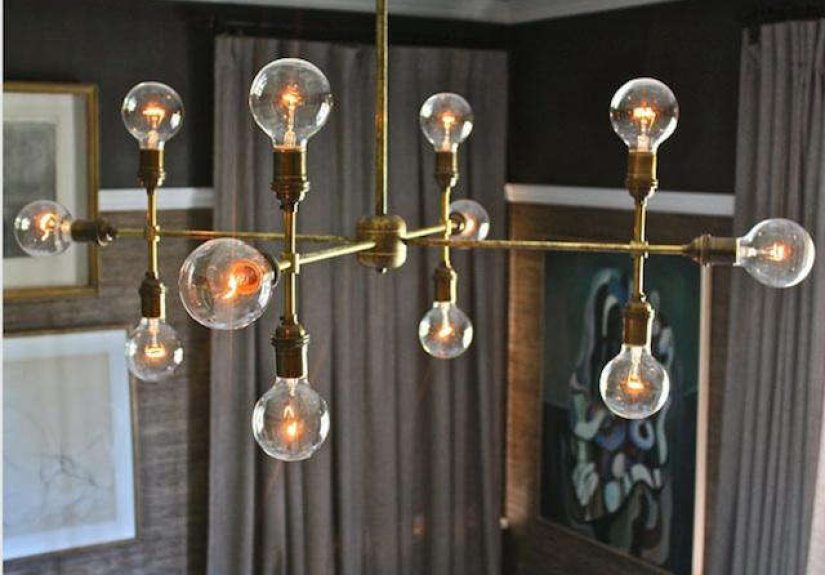
The phrase “lighting mashup” fits Apparatus beautifully because the studio’s best pieces often combine elements that should not necessarily make sense together at first glance: aged brass with frosted glass, porcelain with architectural geometry, horsehair with etched glass, machine-like structures with sensual finishes, and historical inspiration with modern restraint. The result is not chaotic. It is controlled drama. Think less “junk drawer of design ideas” and more “jazz ensemble where every instrument knows exactly when to behave.”
What Makes Apparatus Lighting So Distinctive?
The most interesting thing about Apparatus is that its lighting does not chase obvious trends. While many contemporary fixtures lean heavily into minimalism, industrial styling, or sculptural weirdness for the sake of social media, Apparatus lives in a more layered world. Its pieces are modern, but rarely cold. They are luxurious, but not loud in a hotel-lobby way. They reference the past, yet they do not look like antiques rescued from a haunted mansion, although one or two could absolutely improve a haunted mansion.
The studio’s design language is built around contrast. A fixture may feel mechanical in structure but soft in glow. A pendant may use rigid brass lines but hold delicate glass or porcelain forms. A chandelier may look like a cloud, a constellation, or a piece of jewelry scaled up for architecture. This mix gives Apparatus lighting its signature tension: it is refined but tactile, glamorous but slightly mysterious, elegant but not boring.
The New York Factor
Apparatus is deeply tied to New York’s design culture. The city’s energy shows up in the brand’s sense of sophistication, theatricality, and controlled grit. New York interiors often ask a lot from lighting. A fixture may need to soften a loft, warm up a townhouse, define an open-plan apartment, or add personality to a clean-lined dining room that otherwise risks looking like a very expensive waiting area.
Apparatus answers that challenge by treating lighting as more than utility. In a New York apartment, where square footage is precious and every design decision has to earn its rent, one sculptural fixture can do the work of art, architecture, and ambiance. A Cloud pendant can become the visual anchor over a dining table. A Lantern sconce can turn a hallway into a cinematic passage. A Horsehair pendant can make even a quiet corner feel intentional, layered, and slightly provocative.
A Brief Story Behind Apparatus
The Apparatus origin story is refreshingly practical. The studio began with a personal lighting need and grew into a full design practice. Early pieces were known for combining salvaged and new components, especially aged brass and found objects, into handcrafted fixtures with a utilitarian yet poetic quality. That early “mashup” spirit still matters, even as the brand has evolved into a highly polished design house with galleries in New York, Los Angeles, and London.
Gabriel Hendifar’s background in fashion and interiors helps explain the emotional richness of the work. Apparel, after all, teaches a designer how materials behave close to the body. Interior design teaches scale, atmosphere, and how objects create a story together. Apparatus lighting often seems to carry both lessons: it has the tailored precision of couture and the spatial awareness of a room designed as a complete experience.
Jeremy Anderson’s early role in the studio’s founding also shaped the brand’s collaborative spirit. What started as hands-on experimentation became a larger operation, but Apparatus has maintained a devotion to craft, finish, and presentation. The brand’s showrooms are not simple retail spaces. They are immersive environments, styled like elegant private worlds where lighting, furniture, objects, color, texture, and scent all contribute to the same narrative.
The Materials: Brass, Glass, Porcelain, Horsehair, and Mood
If Apparatus lighting has a secret weapon, it is materiality. Many fixtures can look beautiful in a photo. Apparatus pieces are designed to reward closer attention. The materials are not merely decorative; they shape the mood of the light itself.
Aged Brass
Aged brass is one of the studio’s signature materials. It gives structure and warmth without slipping into flashy gold territory. Brass can look crisp, vintage, industrial, glamorous, or architectural depending on how it is used. Apparatus often lets brass act like the skeleton of a piece: disciplined, precise, and quietly confident. It is the design equivalent of someone who owns excellent shoes but does not feel the need to mention them.
Frosted and Etched Glass
Glass is another essential Apparatus ingredient. Frosted glass softens light, diffuses glare, and creates a glow that feels more atmospheric than functional. In the Cloud series, clusters of glass orbs create a floating, almost weightless effect. The result is a chandelier that feels less like a single object and more like a luminous weather event, fortunately without humidity.
Porcelain
Porcelain appears in several Apparatus designs, especially in the Lantern series. Slip-cast, fluted porcelain shades give light a delicate architectural quality. Porcelain has a different personality from glass: it feels ceramic, tactile, and quietly historic. When light passes through or around it, the effect can be intimate and ceremonial, like a paper lantern dressed for a black-tie dinner.
Horsehair
Horsehair may sound surprising in a lighting fixture, but that is exactly why it works. In the Horsehair series, wefts of horsehair are paired with brass and etched glass, giving the fixture a strange and beautiful sense of tension. The material suggests strength, movement, craft, and the equestrian world without turning the lamp into a theme-party prop. It is a bold choice, but Apparatus makes it feel elegant rather than eccentric for eccentricity’s sake.
Signature Apparatus Lighting Collections
Apparatus has developed a recognizable catalog of lighting collections, each with its own personality. The best way to understand the studio is to look at how different series interpret the same basic question: how can light become an object, an atmosphere, and a story at the same time?
Cloud: The Chandelier as Floating Sculpture
The Cloud collection is perhaps the most instantly recognizable Apparatus idea. Built around clusters of frosted glass orbs suspended from delicate chain, Cloud distills the chandelier into something softer and more organic. It suggests bubbles, champagne, weather patterns, and the kind of glamorous dinner party where someone definitely owns monogrammed napkins.
Cloud works because it balances volume and lightness. A large chandelier can easily dominate a room, especially when it hangs low over a dining table or seating area. Cloud has presence, but the glass spheres keep the composition visually buoyant. It feels substantial without becoming heavy. That makes it especially useful in spaces where the lighting must be a focal point without bullying the furniture.
Lantern: Historic Reference, Modern Discipline
The Lantern series uses slip-cast, fluted porcelain forms along brass structures. The inspiration draws from historical lanterns, but the final result feels sleek and architectural. It is not nostalgia. It is a reinterpretation. The glow is filtered through a protective form, giving the fixture a soft but structured presence.
Lantern pieces are especially effective in entryways, bedrooms, corridors, and dining rooms. They have enough personality to be noticed, but they are not so visually noisy that they take over every conversation. A Lantern sconce can make a plain wall feel considered. A Lantern pendant can bring warmth to a clean-lined room without dragging it into faux-vintage territory.
Horsehair: A Material Experiment with Serious Elegance
The Horsehair collection proves that Apparatus understands drama at a very sophisticated level. The combination of horsehair, brass, and etched glass could have gone wildly wrong. In less careful hands, it might have looked like a lamp designed by a stable with a Pinterest account. Instead, it feels tactile, sculptural, and surprisingly refined.
Horsehair fixtures work best when the surrounding room allows them to breathe. Pair them with plaster walls, stone surfaces, dark wood, leather seating, or simple architectural details. The key is not to compete with the material. Let it be the strange, beautiful note in the composition.
Median: Graphic, Modern, and Quietly Powerful
The Median series leans into geometry and balance. With disc-like forms, cylindrical shapes, and a modern architectural presence, Median feels more graphic than romantic. It is ideal for interiors that need clarity and structure. In a contemporary dining room, office, or lounge, Median can provide a focal point without introducing unnecessary ornament.
What keeps Median from feeling sterile is the Apparatus approach to material and proportion. The pieces are clean, but not flat. They have enough depth, texture, and glow to feel designed rather than merely engineered. In a room full of straight lines, Median can act like punctuation: precise, confident, and never over-explaining itself.
Cylinder and Circuit: The Beauty of the System
Apparatus also explores lighting as a system. Collections such as Cylinder and Circuit show the brand’s interest in modularity, rhythm, and architectural organization. These pieces are particularly useful in spaces where lighting must define zones, create repetition, or guide movement.
System-based lighting can easily become dry, but Apparatus brings in atmosphere through finish, scale, and staging. A row of linear fixtures can feel cinematic rather than purely practical. A wall-mounted piece can become a graphic element. A pendant can suggest both machine and jewel. This is where the “mashup” concept becomes especially clear: utility and seduction are not opposites here. They are co-conspirators.
How to Use Apparatus-Inspired Lighting in Real Interiors
Most people are not redesigning a Manhattan gallery every Tuesday, which is probably healthy. Still, the lessons from Apparatus lighting can be used in real homes, whether the budget includes an original piece or simply borrows from the studio’s design philosophy.
Make One Fixture the Star
Apparatus lighting is often sculptural enough to anchor a room. That means you do not need five dramatic fixtures fighting for attention. Choose one major moment: a Cloud-like chandelier over the dining table, a Lantern-style pendant in an entry, or a striking sconce pair in a bedroom. Then let the rest of the lighting support the scene.
Mix Materials, But Keep the Palette Controlled
The Apparatus look thrives on mixed materials, but the palette is usually disciplined. Brass, glass, porcelain, marble, leather, dark wood, plaster, and velvet can all coexist beautifully when the colors stay intentional. Warm neutrals, deep reds, smoky browns, blackened metals, ivory, and muted stone tones work especially well.
Think About Glow, Not Just Brightness
A common mistake in home lighting is treating brightness as the only goal. Brightness helps when chopping onions, reading contracts, or searching for the remote that has somehow entered another dimension. But atmosphere depends on glow, diffusion, shadow, and layering. Apparatus pieces often succeed because they soften and shape light rather than simply blasting it across the room.
Pair Vintage and Contemporary Pieces
The early Apparatus spirit involved combining salvaged and contemporary elements. You can borrow that idea by mixing a sculptural modern fixture with vintage furniture, antique art, or old-world materials. A sleek brass pendant over a weathered dining table can feel far richer than a room where everything comes from the same decade and speaks in the same accent.
Why Apparatus Lighting Feels Luxurious Without Screaming
True luxury in lighting is not just about cost. It is about proportion, finish, restraint, and emotional effect. Apparatus understands this. The pieces do not rely on obvious sparkle or decorative excess. Instead, they create richness through careful material combinations and immersive presentation.
There is also a strong sense of narrative. Many Apparatus designs feel as if they belong to a world larger than the object itself. They suggest film sets, old hotels, private clubs, artist lofts, ceremonial spaces, and modern apartments where every object has been chosen with slightly obsessive care. That narrative quality gives the lighting staying power. A trend fixture may look dated once the algorithm gets bored. A well-composed Apparatus piece can keep revealing new details over time.
Design Lessons from the Lighting Mashup
The biggest lesson from Apparatus is that great lighting is not an afterthought. It is architecture, sculpture, atmosphere, and emotional direction. A room can have excellent furniture and still feel flat if the lighting is wrong. Conversely, one extraordinary fixture can make simple furniture feel intentional and elevated.
Another lesson is that contrast creates depth. Smooth glass beside aged brass, porcelain beside shadow, horsehair beside metal, modern geometry beside historical reference: these combinations make a room feel collected rather than decorated in one shopping trip. The best interiors rarely look as if they were solved by matching. They look as if they were composed.
Finally, Apparatus reminds us that lighting should engage the senses beyond sight. Texture matters. Warmth matters. The feeling of a room at night matters. The way a fixture looks when switched off matters too, because daytime does not give lamps a vacation. A good lighting piece must hold its own as an object even before the bulb gets involved.
Experience: Living with a Lighting Mashup Mindset
The most useful way to understand the Apparatus approach is to imagine walking into a room at three different times of day. In the morning, the fixture is sculpture. It catches natural light, reveals texture, and gives the ceiling or wall a point of interest. At noon, it becomes part of the architecture, quietly holding space while the room does its practical work. At night, it becomes the main character. The glass glows, brass deepens, shadows stretch, and suddenly the same room feels more intimate, more expensive, and much better at keeping secrets.
That is the experience many people want from luxury lighting, even if they do not describe it that way. They want a room to change mood. They want dinner to feel warmer, reading to feel calmer, and guests to say, “Where did you get that light?” with the tone of someone pretending not to be jealous. Apparatus-style lighting delivers that experience by making the fixture both visible and atmospheric.
In a dining room, a Cloud-inspired chandelier can create a floating centerpiece above the table. The trick is to hang it low enough to feel connected to the meal but high enough that guests do not have to dodge glass orbs while reaching for the salad. The soft glow flatters faces, food, and table settings. Even takeout looks more thoughtful under the right light. That may not be science, but anyone who has eaten noodles under a beautiful pendant knows it is spiritually true.
In a living room, the mashup mindset encourages layers. A sculptural pendant can provide the visual anchor, while table lamps and sconces create pools of light around seating areas. The goal is not uniform brightness. Uniform brightness belongs in grocery stores and dentist offices. A living room needs variation: a little shadow behind the sofa, a warm glow near the bookshelves, a quiet lamp beside the chair everyone fights over. Apparatus pieces are especially good at creating these atmospheric zones because they feel like objects with their own presence.
In a bedroom, the experience becomes more intimate. A pair of elegant sconces can replace basic bedside lamps and free up table space for books, water glasses, and the mysterious pile of things that appears on nightstands no matter how organized a person claims to be. Porcelain or frosted glass shades are particularly effective here because they soften the light. The room feels calm instead of clinical. Brass adds warmth without making the design feel overly ornate.
In an entryway, a dramatic fixture can set the tone for the entire home. This is where Apparatus-inspired lighting shines, literally and emotionally. Guests understand the design story before they even remove their shoes. A strong pendant or wall light says the home has personality, confidence, and possibly very good snacks. The entry does not need to be large. In fact, a small foyer can benefit from one bold lighting gesture because the fixture gives the space identity.
The most practical experience-related advice is simple: choose lighting for how you want the room to feel, not only for how it looks in a product photo. Ask whether you want drama, softness, clarity, intimacy, or architectural rhythm. Then choose materials and forms that support that feeling. Apparatus became influential because it understands that a fixture is never just a fixture. It is a mood machine with better manners.
Conclusion: The Lasting Appeal of NYC’s Apparatus
Lighting Mashup from NYC’s Apparatus is more than a catchy phrase. It describes a design philosophy where vintage spirit, modern craft, rich materials, and theatrical atmosphere meet in one luminous object. Apparatus lighting proves that a fixture can be functional without being forgettable, luxurious without being gaudy, and artistic without becoming impossible to live with.
From Cloud’s floating glass orbs to Lantern’s porcelain glow, from Horsehair’s tactile drama to Median’s graphic precision, Apparatus has built a lighting language that feels unmistakably its own. The studio’s work is not about chasing brightness. It is about shaping experience. It asks what a room should feel like after sunset, when the day softens, the walls deepen, and the right lamp makes everyone look just a little more interesting.
Note: This original article synthesizes publicly available information about Apparatus, its New York design roots, product collections, materials, showrooms, and broader contemporary lighting context. It is written for web publication without external source-link markup.