Table of Contents >> Show >> Hide
- What Is a Linge Particulier Duvet Cover?
- Why Linen Makes This Duvet Cover Stand Out
- Design Appeal: French Linen Without Trying Too Hard
- Linge Particulier Duvet Cover vs. Regular Cotton Duvet Cover
- How to Style a Linge Particulier Duvet Cover
- How to Care for a Linge Particulier Duvet Cover
- Is the Linge Particulier Duvet Cover Worth It?
- Buying Tips Before You Order
- Experience Section: Living With a Linge Particulier Duvet Cover
- Conclusion
A duvet cover is not just the “outfit” your comforter wears to avoid looking like it gave up on life. It is one of the most important pieces in a bedroom: it protects the insert, sets the design mood, touches your skin every night, and quietly decides whether you wake up feeling like a well-rested human or a reheated croissant. The Linge Particulier Duvet Cover sits in the sweet spot between relaxed French elegance and practical everyday bedding, especially for people who love natural linen, soft texture, and bedrooms that look curated without looking stiff.
Linge Particulier is known for washed linen home textiles with a distinctly French sensibility. Across product listings and curated home stores, its duvet covers are commonly described as 100% linen, made in France, and designed with that gently rumpled finish that linen fans love. The look is casual, but not careless. Think: a countryside guest room, a Brooklyn loft, a beach house, and a Paris apartment all agreed to share one bedpolitely, of course.
This guide explores what makes a Linge Particulier duvet cover special, how linen performs compared with other bedding fabrics, how to style it, how to care for it, and whether it is worth the investment. We will also include an extended experience-based section at the end for readers who want to imagine what living with this duvet cover actually feels like after the first beautiful photo has been taken.
What Is a Linge Particulier Duvet Cover?
A Linge Particulier duvet cover is a removable bedding cover made to hold and protect a duvet insert or comforter. Unlike a comforter, which is often used as a standalone piece, a duvet cover works like a washable shell. It lets you refresh your bedding more easily, switch colors seasonally, and protect the insert from body oils, dust, pet hair, and late-night snack evidence. We see you, cookie crumbs.
The defining feature of Linge Particulier bedding is linen. More specifically, the brand is associated with washed linen: a fabric that has already gone through a softening process before it arrives in your bedroom. This matters because traditional linen can feel textured or even slightly crisp when new. Washed linen begins with a more broken-in hand feel and continues to soften over time.
Key Characteristics
- Material: Commonly listed as 100% linen.
- Origin: Frequently described as made in France or made in Paris, depending on the item and retailer.
- Texture: Soft, relaxed, slightly crinkled, and naturally tactile.
- Style: Understated, artisanal, French-inspired, and easy to layer.
- Use: Designed to protect a duvet insert while adding color, texture, and comfort.
Why Linen Makes This Duvet Cover Stand Out
Linen is made from flax fibers, which gives it a different personality from cotton, bamboo, microfiber, or silk. Cotton often aims for smoothness. Microfiber aims for affordability. Silk aims for luxury and drama. Linen, however, walks in wearing slightly wrinkled trousers and somehow becomes the best-dressed person in the room.
The beauty of linen bedding is that it does not need perfection to look expensive. In fact, its natural wrinkles are part of the charm. A Linge Particulier duvet cover does not demand hotel-corner precision. It rewards a softer, more lived-in style. You can make the bed in two minutes, toss on a few pillows, and the result looks intentional rather than rushed.
Breathability and Temperature Comfort
One of the biggest reasons people choose a linen duvet cover is breathability. Linen fibers and looser weaves allow air to move more easily than many dense fabrics. This makes linen appealing for hot sleepers, warm climates, and anyone who likes bedding that feels cozy without becoming a personal sauna.
At the same time, linen is not only for summer. A high-quality washed linen duvet cover can be used year-round because it layers well. In warmer months, it can feel airy and dry. In cooler months, it can sit beautifully over a heavier duvet insert, wool blanket, or quilt. The duvet insert provides the warmth; the linen cover adds breathable comfort and texture.
Durability With a Softer Future
Linen is famous for improving with use. While some fabrics look tired after repeated washing, linen often becomes softer, more relaxed, and more personal. That does not mean it is indestructibleyou still need to follow proper care instructionsbut a quality linen duvet cover can be a long-term bedding investment.
This aging process is part of the emotional appeal. A Linge Particulier duvet cover does not have to remain showroom-perfect. It becomes part of the room. It softens after laundry days, remembers Sunday mornings, and forgives the occasional lazy bed-making session. That is not a fabric flaw; that is character development.
Design Appeal: French Linen Without Trying Too Hard
The phrase “French style” gets used so often that it sometimes sounds like marketing perfume sprayed over ordinary products. But in the case of Linge Particulier, the French influence is easy to see: muted colors, simple shapes, natural texture, and a preference for elegance that does not announce itself with a megaphone.
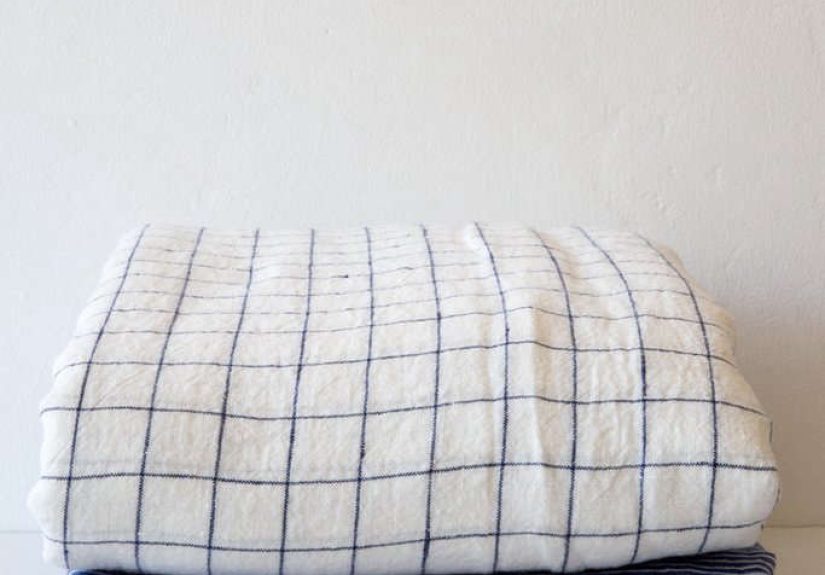
Depending on the retailer and collection, Linge Particulier duvet covers may appear in solids, checks, stripes, chambray tones, pale pinks, honey shades, cloud gray, mocha, sienna, blue-gray, chalk, or other soft, earthy colors. These are not neon “look at me” colors. They are the kind of colors that make your bedroom feel calmer before you even turn off the light.
Best Bedroom Styles for a Linge Particulier Duvet Cover
The cover works especially well in interiors that value texture and simplicity. It can support a minimalist bedroom, warm up a modern room, soften rustic decor, or add casual luxury to a small apartment. Because linen naturally has depth, even a plain color can look visually rich.
- Minimalist bedrooms: Choose chalk, off-white, cloud gray, or pale blue.
- Warm modern spaces: Try honey, sienna, moka, tobacco, or clay tones.
- Coastal rooms: Use chambray blue, white, navy checks, or soft stripes.
- Vintage-inspired rooms: Pair gingham or floral linen with antique wood furniture.
- Bohemian bedrooms: Layer multiple linen shades with woven baskets and textured rugs.
Linge Particulier Duvet Cover vs. Regular Cotton Duvet Cover
Cotton duvet covers are popular for good reason. They can be crisp, smooth, easy to find, and available at nearly every price point. But cotton and linen create different sleep and design experiences.
A cotton percale duvet cover often feels cool and crisp, like a freshly made hotel bed. A cotton sateen cover feels smoother and slightly warmer, with a subtle sheen. A linen duvet cover feels more textured, more relaxed, and more breathable. Instead of chasing a perfectly flat surface, linen celebrates movement and softness.
Choose Linen If You Want:
- A relaxed, natural look
- Better airflow and a less stuffy sleep surface
- A fabric that softens over time
- Bedroom texture without busy patterns
- A luxury feel that is more casual than formal
Choose Cotton If You Want:
- A smoother surface from day one
- More budget-friendly options
- A crisp, hotel-like appearance
- Less visible wrinkling
- A wider range of prints and weaves
Neither choice is wrong. But if your dream bed looks effortless, tactile, and softly undone, the Linge Particulier linen duvet cover has a clear advantage.
How to Style a Linge Particulier Duvet Cover
Styling linen bedding is refreshingly simple because the fabric already brings visual interest. The trick is to avoid overcomplicating the bed. Linen looks best when it can breathe visually, not when it is buried under sixteen pillows and a throw blanket that exists only to be thrown onto a chair at bedtime.
1. Keep the Color Palette Calm
Choose two or three main colors for the bed. For example, a cloud gray duvet cover with white sheets and a sienna throw creates warmth without clutter. A honey linen duvet with pale blue pillows feels cheerful but grown-up. A navy windowpane pattern can pair beautifully with ivory sheets and natural wood accents.
2. Mix Textures, Not Too Many Patterns
Linen pairs well with cotton percale sheets, wool blankets, quilted coverlets, woven baskets, ceramic lamps, and raw wood furniture. If your duvet cover has checks or stripes, keep the sheets simple. If the duvet cover is solid, you can add patterned pillowcases or a subtle throw.
3. Let the Wrinkles Work
Please do not fight linen wrinkles like they are a household enemy. The relaxed surface is part of the look. Smooth the duvet with your hands, fluff the pillows, and let the natural creases do their charming little French thing.
How to Care for a Linge Particulier Duvet Cover
Always follow the care label on your specific duvet cover, because details can vary by color, weave, finish, and retailer. In general, linen bedding prefers gentle treatment. Use mild detergent, avoid bleach, do not overload the washer, and choose cool or lukewarm water unless the care label says otherwise.
Many linen duvet covers are machine washable, but heat is the area where you should be careful. High heat can encourage shrinkage and fiber stress. Low tumble drying or air drying is usually friendlier to linen. If you use a dryer, remove the cover while it is still slightly damp to reduce deep wrinkles. Then spread it out, smooth it by hand, and let it finish drying naturally.
Simple Linen Care Tips
- Wash the duvet cover separately from heavy towels or jeans.
- Button or close fasteners before washing to reduce twisting.
- Turn the cover inside out to protect the outer surface.
- Use a mild detergent without harsh brighteners.
- Avoid chlorine bleach, which can weaken linen fibers.
- Skip fabric softener; linen naturally softens with use.
- Line dry when possible, or tumble dry low.
How often should you wash it? If you sleep directly under the duvet cover without a top sheet, washing every one to two weeks is a practical rhythm for many households. If you use a top sheet, you may be able to wash the duvet cover less frequently while still washing sheets weekly. Pets, allergies, night sweats, and snacky bedtime habits may shorten the timeline. Your duvet cover knows what you did.
Is the Linge Particulier Duvet Cover Worth It?
The honest answer: it depends on what you value. A Linge Particulier duvet cover is not usually positioned as a bargain-bin bedding item. It belongs more to the world of curated home goods, natural textiles, and design-conscious bedrooms. If your main priority is the lowest possible price, there are cheaper duvet covers available. If your priority is a natural linen cover with French-made appeal, relaxed style, and long-term charm, it becomes much more compelling.
Value is not only about price. It is also about how often you use something, how long it lasts, how it makes your room feel, and whether it improves your daily routine. Bedding is used every single night. That means even a premium duvet cover can become a reasonable investment if it supports better sleep and makes your bedroom more enjoyable.
Best For
- People who love natural linen bedding
- Hot sleepers who want breathable layers
- Design lovers who prefer understated luxury
- Homes with French, rustic, coastal, minimalist, or bohemian decor
- Anyone who likes bedding that becomes softer over time
May Not Be Best For
- People who dislike wrinkles
- Shoppers who want a very smooth, silky surface
- Anyone needing the lowest-cost duvet cover
- People who prefer bold prints or highly structured bedding
Buying Tips Before You Order
Before buying a Linge Particulier duvet cover, check the exact product listing carefully. Availability can vary by retailer, and different collections may have different colors, closures, sizes, and prices. Some listings mention queen or king sizing, while others use European dimensions. Measure your duvet insert before purchasing, because a beautiful cover that does not fit is just an expensive fabric burrito.
Also check whether the listing includes only the duvet cover or a set with pillowcases. Many premium linen bedding pieces are sold individually, which gives you freedom to mix colors but can surprise shoppers expecting a complete set. If you want a fully coordinated bed, look for matching or complementary pillowcases, flat sheets, fitted sheets, and decorative cushions.
Questions to Ask Before Buying
- Is the duvet cover 100% linen?
- What are the exact dimensions?
- Is it sized for U.S. queen/king bedding or European bedding?
- Does it have buttons, ties, an envelope closure, or another closure style?
- Are pillowcases included or sold separately?
- What are the washing instructions?
- Is the color likely to match your existing sheets and decor?
Experience Section: Living With a Linge Particulier Duvet Cover
The first thing you notice about a Linge Particulier duvet cover is not one single feature. It is the overall mood. The bed looks calmer. The room looks more finished. Even if the nightstand still has a water glass, two books, a phone charger, and one mysterious receipt, the bed suddenly suggests that an adult lives here.
On the first night, washed linen may feel different if you are used to cotton sateen or microfiber. It is not slippery. It does not have that shiny, smooth hotel-suite feel. Instead, it has a dry, soft, breathable texture that feels grounded and natural. The fabric rests around the body rather than clinging to it. If you tend to overheat under heavy bedding, that airflow can make the bed feel less stuffy. If you sleep cold, the duvet insert still provides warmth, while the linen cover keeps the whole setup from feeling sealed in plastic wrap.
After the first wash, the experience usually improves. Linen relaxes. The surface becomes softer, and the wrinkles settle into an easy pattern. This is when the cover starts to feel personal. It no longer looks like something staged for a catalog. It looks like your bed, only better dressed. The texture catches morning light beautifully, especially in pale colors like chalk, gray, blue, or pink. In deeper shades such as honey, moka, sienna, or navy check, it adds richness without making the room feel heavy.
Daily use is pleasantly low-drama. You do not need to iron it. In fact, ironing it may remove some of the charm. Making the bed becomes simple: shake out the duvet, pull it toward the pillows, smooth the top with your hands, and let the edges fall naturally. The result is relaxed but intentional. It is the bedding version of “I woke up like this,” except this time it might actually be true.
The cover also changes how you decorate around the bed. Because linen has texture, you may find yourself needing fewer accessories. A solid linen duvet with two pillows and one throw can look complete. If you previously relied on busy patterns to make the room interesting, the linen may teach you the joy of restraint. This is dangerous, because soon you may start saying things like “I think the room needs a handmade ceramic lamp,” and then your home decor budget will need a small chair and a glass of water.
There are practical realities too. Linen wrinkles. It can look casual. If you want a perfectly crisp bed with sharp edges, this may not be your ideal match. It can also cost more than ordinary bedding, especially when pillowcases and sheets are sold separately. But for many people, the comfort and design payoff are worth it. The cover feels breathable, ages gracefully, and makes the room look warmer and more thoughtful.
The best experience comes when you stop treating the duvet cover like a fragile luxury object and start treating it like a hardworking part of daily life. Wash it gently. Let it wrinkle. Pair it with colors you love. Use it in summer, layer it in winter, and let it become softer through regular use. A Linge Particulier duvet cover is not bedding that begs for attention. It simply makes the bed feel better, look better, and quietly suggests that maybe bedtime should begin a little earlier tonight.
Conclusion
The Linge Particulier Duvet Cover is a strong choice for anyone who wants natural linen bedding with relaxed French character. Its appeal comes from the combination of breathable comfort, washed texture, understated color, and long-term softness. It is not the cheapest duvet cover, and it is not meant for people who need wrinkle-free perfection. But for sleepers who appreciate linen’s airy feel and lived-in beauty, it offers a bedroom upgrade that feels both elegant and easy.
Whether styled in a minimalist apartment, a rustic guest room, a coastal bedroom, or a warm modern home, this duvet cover brings texture without clutter and luxury without stiffness. It protects the duvet insert, refreshes the entire room, and turns ordinary sleep into something a little more thoughtful. In other words, it does what great bedding should do: it makes you want to climb into bed and stay there just a few minutes longer. For research purposes, naturally.
Note: This article is original, publication-ready content synthesized from current product information, linen bedding guidance, care recommendations, and design research. No source links or citation placeholders have been inserted.