Table of Contents >> Show >> Hide
- Quick Verdict
- What Is Let’sWhat Exactly Is the Loftie Clock?
- Design and Build: Minimal, Modern, Nightstand-Friendly
- The Two-Phase Alarm: Loftie’s Best Feature
- Sleep Sounds and Content: White Noise, Nature, and Wind-Down Routines
- Setup, Wi-Fi, and “Can I Use This Without Internet?”
- Subscription: Do You Need Loftie Rest?
- Is Loftie a Sunrise Alarm Clock?
- Pros and Cons
- Loftie vs. Alternatives: What Should You Buy Instead?
- Who Loftie Is Best For
- Who Should Skip It
- Real-World Experiences: What Living With Loftie Can Look Like (About )
- Final Answer: Is the Loftie Alarm Clock Worth It?
If your phone is your alarm clock, you’re basically sleeping next to a tiny casino that never closes. Notifications,
late-night scrolling, “just one more video,” and suddenly it’s 1:47 a.m. and your brain is hosting a full-blown
afterparty. The Loftie Alarm Clock is built for people who want their bedroom backwithout going full “I live in a
cabin and churn my own butter.”
Loftie’s pitch is simple: replace your phone at the bedside with a dedicated clock that helps you wind down, sleep
deeper, and wake up gently. But it’s also not cheap, and some of its most “wow” features live behind an optional
subscription. So… is it worth it? Let’s get into the good, the not-so-good, and the “depends on how much you hate
your iPhone snooze button.”
Quick Verdict
The Loftie is worth it if you want a phone-free bedtime routine, love sleep sounds, and appreciate
a gentle wake-up that doesn’t feel like a fire drill. Its two-phase alarm is genuinely pleasant, it can function
offline after setup, and it’s designed to be less “techy” than most sleep gadgets.
It’s not worth it if you mainly want a sunrise alarm, you hate subscriptions, you’re a minimalist
who wants a $15 clock that beeps once and minds its business, or you share a room and need headphone listening for
bedtime audio.
What Is Let’sWhat Exactly Is the Loftie Clock?
Loftie is a bedside alarm clock that doubles as a sound machine and sleep routine helper. Think: white noise,
nature sounds, meditations, bedtime stories, breathwork, gentle lighting, and a “bed signal” that nudges you toward
winding down. It’s meant to replace the phone-as-alarm habit with something calmer and more intentional.
Importantly, Loftie positions itself as “phone-free,” but it’s not anti-app. You’ll use the app for initial setup,
then you can run the clock mostly from the physical buttons after that. In other words: it can be the last app you
open at nightthen your phone can go charge in the kitchen like it’s in time-out.
Design and Build: Minimal, Modern, Nightstand-Friendly
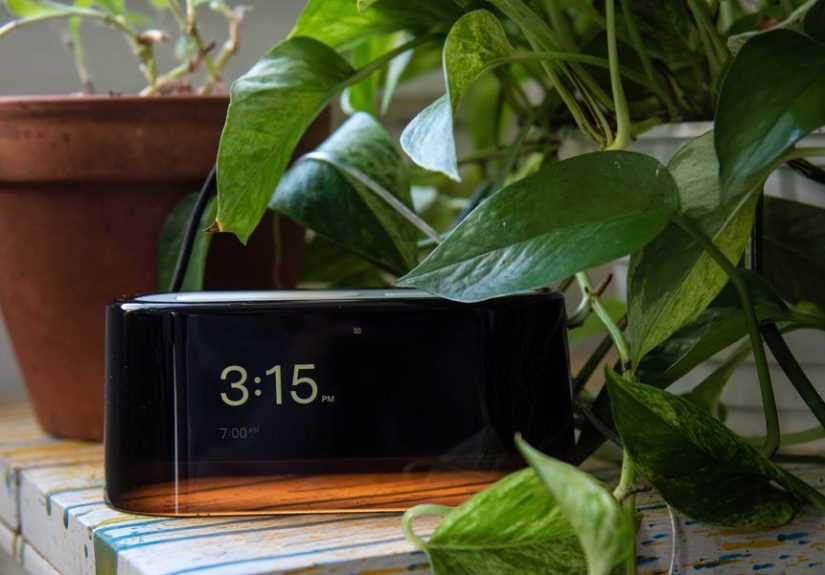
Loftie looks like a modern hotel clock that went to therapy and learned boundaries. It’s understated, rounded, and
intentionally not flashy. The display is dimmable, there’s a blackout mode for total darkness, and there’s also a
“red mode” option for people who are sensitive to bright/blue-ish light at night.
The physical controls matter here because this product is trying to keep you off your phone. Loftie uses top buttons
to navigate and snooze, and once you learn the basics, it’s easy to operate half-asleep (which is, frankly, the only
time many of us are willing to learn anything new).
The Two-Phase Alarm: Loftie’s Best Feature
The two-phase alarm is the reason many people buy Loftieand it’s the feature that feels most different from a phone
alarm. Instead of a single jarring noise, Loftie uses a gentle first alarm that ramps you up and a second alarm that
encourages you to actually get out of bed. The “gap” between the two alarms is tied to a snooze-style interval, so
it’s a built-in nudge: wake up… then really wake up.
What it feels like in real life
In practice, you might set the first alarm for 6:30 a.m. with a soft soundscapethink chimes and naturethen the second
one kicks in shortly after when it’s time to stop bargaining with the universe. The effect is less “PANIC” and more
“Okay, fine, I’m a person now.”
If your current alarm is a phone blaring an airhorn tone called “Nuclear Submarine,” the Loftie will feel like a
gentle wake-up upgrade. If you already wake up easily, you may find it “nice” but not life-changing.
Sleep Sounds and Content: White Noise, Nature, and Wind-Down Routines
Loftie comes with a substantial library of audio content built inenough that you can use it as a sleep sound machine
without paying extra. You’ll find classic sleep staples like white noise and nature sounds, plus wellness-style audio
(breathwork, meditations, sound baths, etc.).
BedSignal: A bedtime reminder that doesn’t shame you
One of Loftie’s more underrated features is its “bed signal”a combination of light and audio meant to cue you that it’s
time to start winding down. If you’re trying to build better sleep hygiene, this is surprisingly helpful. It’s not a
stern notification. It’s more like a gentle tap on the shoulder that says, “Hey bestie, maybe stop scrolling.”
Bluetooth speaker: helpful, not hi-fi
Loftie can also function as a Bluetooth speaker, so you can stream audio from your phone if you want. Don’t buy it expecting
audiophile sound. Buy it expecting “good enough for a bedroom,” which is exactly what most people need at 10:45 p.m.
Setup, Wi-Fi, and “Can I Use This Without Internet?”
Loftie does require Wi-Fi for initial setup and for updates. After that, it offers a “no Wi-Fi mode” so you can keep the core
clock functionality without staying connected all the time. This is a big deal for people who don’t want another always-online
device in their bedroomor for folks on restricted networks (like certain dorm or campus Wi-Fi setups).
The brand’s documentation also notes that setup relies on a 2.4 GHz Wi-Fi connection (common for IoT devices), which can be a
minor headache if your home network is configured in a complicated way. In plain English: most people will be fine, but if
you’ve ever had to rename your router “FBI_SURVEILLANCE_VAN_2” just to feel something, you may have a slightly more “fun” setup.
Subscription: Do You Need Loftie Rest?
Noyou don’t need a subscription to use the Loftie Clock. The clock is functional out of the box with its alarm features and a
built-in library of audio tracks. That said, Loftie offers an add-on subscription (often marketed as Loftie Rest / Loftie+)
that unlocks expanded content and features such as enhanced routines and additional audio options.
Here’s the real question: will you feel FOMO without it?
If you’re buying Loftie mainly for the two-phase alarm and a reliable noise machine, you can comfortably skip the subscription.
If you want the full “sleep ecosystem”daily lessons, richer content libraries, and the more advanced personalization features
you’ll probably be tempted.
My advice: treat the subscription like a streaming service. Try it if it comes with a trial. If you’re actually using the content
daily, it may be worth it. If you forget it exists after three nights, cancel it and enjoy the built-in features guilt-free.
Is Loftie a Sunrise Alarm Clock?
Not in the way most people mean it. Loftie’s clock is not a dedicated sunrise alarm; it has a nightlight that can turn on with
your alarms, and some reviewers describe the glow as “sunrise-like.” But if you want a true sunrise simulationgradual brightening
designed to mimic dawnyou’ll want a dedicated sunrise alarm device (including Loftie’s separate lamp product) or an alternative
like Hatch.
Pros and Cons
Pros
- Two-phase alarm feels calmer than phone alarms and helps reduce “startle awake” mornings.
- Phone-free bedtime support without demanding you become a monk.
- Built-in sleep sounds so you can use it without a subscription.
- Dimmable display + blackout mode for light-sensitive sleepers.
- Offline functionality after setup (helpful if you don’t want Wi-Fi in the bedroom 24/7).
- BedSignal and routines that make “going to bed on time” slightly less fictional.
Cons
- Price is premium for an alarm clock, especially if you add a subscription.
- Not a true sunrise alarm (only a nightlight on the clock itself).
- Setup requires an app and Wi-Fi, and some networks may be picky.
- No private headphone listening for bedtime stories/soundscapes if you share a room.
- Some features feel “nice-to-have” rather than “must-have” for naturally good sleepers.
Loftie vs. Alternatives: What Should You Buy Instead?
Loftie vs. Hatch Restore
If you want light-based routines and a true sunrise simulation, Hatch is often the better fit. Hatch leans harder into the app
and ecosystem; Loftie leans harder into “less phone, more calm.” If you’re trying to reduce screen time, Loftie’s philosophy may
match your goal better. If you want a bedroom light show timed to your circadian rhythm, Hatch tends to win.
Loftie vs. a basic alarm clock
A basic clock is unbeatable on price and simplicity. But it won’t replace the “wind-down” role your phone playspodcasts, white
noise, bedtime stories, and relaxation content. If your problem is “I can’t stop using my phone in bed,” a basic clock won’t solve it.
Loftie might.
Loftie vs. using your phone (again)
Yes, your phone can do everything Loftie doesalarm, sounds, playlists, apps. The problem is your phone can also do everything else:
notifications, social media, news, doomscrolling, and that one friend who texts “u up?” at 2:00 a.m. Loftie prevents the accidental
slide from “set alarm” to “learn everything about sharks.”
Who Loftie Is Best For
- People trying to stop sleeping with their phone (or at least stop using it in bed).
- Light sleepers who want consistent white noise or nature sounds.
- Anyone who hates harsh alarms and wants a gentler wake-up routine.
- Routine builders acknowledging that “discipline” is easier with prompts and structure.
- Partners with different schedules (multiple alarms can help, though shared audio can be tricky).
Who Should Skip It
- Budget shoppers who just need an alarm and nothing else.
- Sunrise-alarm devotees who want strong gradual light from the device itself.
- People who need private listening (headphones) for bedtime audio.
- Anyone who dislikes subscriptions on principle (even optional ones can feel annoying).
Real-World Experiences: What Living With Loftie Can Look Like (About )
Let’s talk about the part you won’t find on the spec sheet: the vibe shift. The biggest “experience” change with Loftie isn’t the
clock itselfit’s what happens when your phone stops living on your nightstand like a needy raccoon demanding attention.
Imagine a typical weeknight. You set your BedSignal for 10:15 p.m. The light glows softly, a short cue plays, and you get that
gentle reminder that bedtime is approaching. It’s surprisingly effective because it doesn’t feel like an alert. It feels like a ritual.
The kind of ritual that says, “We’re transitioning now,” instead of “You’re failing at wellness.”
Then you pick a sleep soundmaybe brown noise if you live near traffic, or rain if your brain has decided it can only relax in a fake
forest. You set a sleep timer. The room gets calmer. You’re not staring at a screen. You’re not reading the comments section on a video
about someone reorganizing their pantry (no judgment; those people are artists). You’re just… powering down.
The second big moment comes in the morning. With a phone alarm, many people wake up already anxiousbecause the first thing they see is a
screen full of messages, notifications, and reminders that the world is loud. With Loftie, you wake up to a sound that’s designed to be
pleasant. Your hand reaches for a physical button instead of a glowing screen. That tiny difference matters more than you’d expect.
A realistic example: you set the first alarm to a gentle chime and the second alarm to something slightly more assertive. The first one
nudges you awake, and you can lie there for a minute letting your brain boot up. The second one is the “Okay, we’re doing life now” signal.
It’s not foolproofif you’re committed to ignoring alarms, you’ll still find a way. Humans are resourceful. But it reduces the “jolt,” and
for many people that’s the entire point.
There are also honest annoyances. If you share a room and want bedtime stories or guided audio, you may feel limited because you can’t just
pop in headphones and listen privately. If you’re someone who needs silence and your partner wants ocean waves, negotiation becomes part of
the sleep routine (romantic, in a “we’re discussing sea volume at 11 p.m.” kind of way).
The subscription question is another real-life wrinkle. Lots of people start with the idea, “I’ll never pay for an alarm clock subscription,”
and then they try the extra content and think, “Oh no, this is… actually nice.” The practical approach is to treat it like a trial run: does it
make your evenings better, consistently? If yes, it’s a reasonable self-care expense. If no, you still have a solid clock and a built-in sound
machine without paying monthly.
The most common “win” experience is this: your phone stops being the last thing you see at night and the first thing you grab in the morning.
And if that sounds small, try it for a week. It’s not small.
Final Answer: Is the Loftie Alarm Clock Worth It?
If you’re buying Loftie as a sleep-hygiene toolnot just a time-telling rectangleit delivers. The two-phase alarm and bedtime routines are a
real quality-of-life upgrade for people who wake up anxious or fall asleep doomscrolling. It’s expensive, and the subscription can push it into
“premium lifestyle gadget” territory, but it’s one of the few devices that actively reduces your screen time instead of begging for more of it.
Bottom line: Loftie is worth it for people who want calmer mornings, less phone dependence, and built-in sleep soundsand who
will actually use those features. If you just need an alarm, save your money and buy a basic clock. If you need a gentle routine reset, Loftie
is a strong contender.