Table of Contents >> Show >> Hide
- What “Top MMORPGs” Actually Means (No, It’s Not Just Hype)
- The Top MMORPGs to Play Right Now
- Quick Picks: Best MMORPG by Playstyle
- How to Choose Your Next MMORPG (Without Ending Up in a Digital Timeshare)
- Conclusion: The Best MMORPG Is the One You’ll Actually Live In
- Player Experiences: What It Feels Like to Fall Into a Great MMORPG (500+ Words)
MMORPGs are basically theme parks where the roller coasters are dungeons, the mascots are dragons, and the line for the best ride is your group chat
typing “brb 2 min” for 45 minutes. The good ones don’t just give you queststhey give you a second life with schedules, inside jokes, and that one
friend who somehow has three max-level characters and a stable of mounts that looks like a fantasy DMV.
This guide breaks down the top MMORPGs you can play right now, why they’re still thriving, and who each one fits best. Whether you want
cinematic story, sweaty PvP, deep crafting, or a sandbox that lets you become a merchant prince with a mild spreadsheet addictionthere’s an MMO for you.
What “Top MMORPGs” Actually Means (No, It’s Not Just Hype)
“Top” doesn’t mean “newest” or “the loudest on launch day.” Great MMORPGs are long-running ecosystems. They stay alive because they deliver
at least three of these consistently: (1) meaningful progression, (2) social glue, and (3) a steady cadence of reasons to log in that don’t feel like chores.
For this list, we’re looking at a mix of longevity, content cadence, community health, gameplay variety, and how well each game respects your time
(or at least apologizes nicely when it doesn’t). We’ll also call out business models and “time-to-fun” so you can pick a world that fits your lifenot
the other way around.
The Top MMORPGs to Play Right Now
Final Fantasy XIV
If you want an MMO that treats story like a main course (not a side salad you ignore while sprinting to endgame), this is the gold standard.
It’s famous for narrative arcs that land emotionally, an approachable class system that lets one character do many jobs, and a community vibe
that leans more “helpful mentor” than “keyboard gladiator.” It’s also packed with side activitiescrafting, housing, social hubs, mini-games
so the game can be as cozy or as hardcore as you want.
Best for: story lovers, social players, and folks who want variety without rerolling alts every weekend.
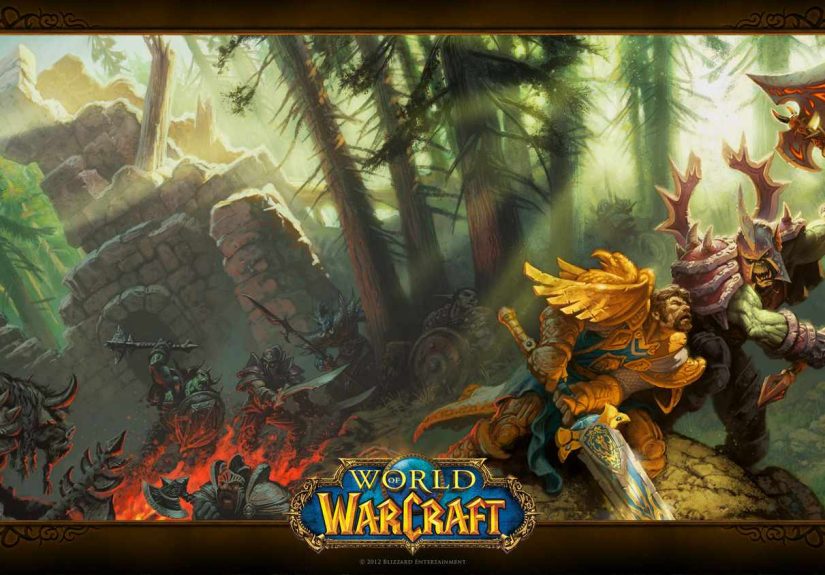
World of Warcraft
The genre’s household name is still here because it understands the MMO loop: crisp combat feedback, satisfying progression, and a buffet of
activities that can fill 30 minutes or swallow a whole Saturday. Modern WoW is built around seasons, endgame systems, and frequent updates,
while classic-era variants keep the nostalgia torch burning. If you like competitive PvE (dungeons, raids) with a mature addon ecosystem,
WoW remains one of the most polished options around.
Best for: endgame PvE, collectors, and players who love optimizing builds and routes (and then optimizing the optimization).
Guild Wars 2
Guild Wars 2 is the MMO for people who hate feeling punished for taking breaks. Its horizontal progression philosophy means your character
doesn’t become obsolete every time the wind changes. Dynamic events make the open world feel alive, exploration is genuinely rewarding,
and the “jump in, have fun, log out happy” rhythm is strong here. It’s also known for high-quality mount movement and big-meta map events
that feel like a public party where everyone somehow knows the dance.
Best for: open-world adventurers, casual-to-midcore players, and anyone allergic to endless gear resets.
The Elder Scrolls Online
ESO is the rare MMO that feels like it belongs in an iconic single-player universe while still offering MMO-scale activities. The world is huge,
questing is fully voiced, and the game’s “go anywhere” structure is welcoming. Build flexibility is a major draw: you can experiment with roles
and playstyles without being locked into one narrow lane. If you love Elder Scrolls lore, this is basically a long-running reunion tour across Tamriel.
Best for: lore fans, questers, and players who want freedom over linear “zone treadmill” leveling.
Old School RuneScape (and RuneScape)
RuneScape’s secret weapon is that it turns progress into a personal story you can actually feel. Skills take time, and that’s the point: you remember
the grind, the first big upgrade, the moment you finally stop being bullied by basic mobs. Old School RuneScape is beloved for its retro charm,
deep systems, and a community that treats efficiency like a sportwhile still making room for players who just want to fish and vibe.
Modern RuneScape offers a different take with a more contemporary presentation and its own progression curve.
Best for: long-term planners, skill grinders, and anyone who finds comfort in “just one more level.”
EVE Online
EVE isn’t just an MMORPGit’s a sci-fi society simulator where politics, economics, and betrayal are “content.” The sandbox is famously deep:
player-driven markets, territorial wars, industrial empires, espionage, and alliances that operate like real organizations. The learning curve is real,
but so is the payoff. Few games match EVE’s sense that your choiceswho you trust, where you live, what you buildactually matter.
Best for: sandbox strategists, social organizers, and players who want drama with their lasers.
Black Desert Online
If you want action combat with stylefast, flashy, and fluidBlack Desert is a standout. It’s also an MMO with a huge “life skill” backbone:
fishing, trading, cooking, farming, horse breeding, sailing, and more. You can absolutely play it as a combat grinder, but many people treat it like
a fantasy livelihood simulator where you log in to manage your little empire (and then accidentally spend two hours optimizing your worker network).
Best for: action-combat fans, crafters/lifeskillers, and players who love tinkering with systems.
Lost Ark
Lost Ark blends ARPG-style combat with MMO-scale progression. The moment-to-moment play feels punchy and satisfying, with flashy class identities
and content that ranges from story zones to structured endgame activities. It’s especially strong if you like “clear goals” gameplay:
daily/weekly rhythms, collectible chasing, and group content that rewards coordination.
Best for: ARPG fans, players who enjoy structured progression, and people who love mastering a class’s rotation and movement.
Star Wars: The Old Republic
SWTOR remains one of the best “play it like a story-driven RPG, but online” experiences. Class stories, companion narratives, and cinematic questing
make it welcoming even if you’re not trying to become a raid machine. If you’ve ever wanted to roleplay your way through the Star Wars universe
with dialogue choices and personal arcsthis is a strong pick.
Best for: story-first players, Star Wars fans, and MMO folks who prefer questing over spreadsheets.
The Lord of the Rings Online
LOTRO is for players who want atmosphere: wandering through Middle-earth, soaking in the world, and enjoying the slow-burn charm of a classic MMO.
It’s especially appealing if you like older-school design, meaningful travel, and a community that appreciates the journey. It’s not trying to be the
most modern MMO on the blockit’s trying to be a cozy, lore-rich home. And for many players, it succeeds.
Best for: Tolkien fans, explorers, and anyone craving classic MMO vibes with strong worldbuilding.
Albion Online
Albion is a player-driven economy MMO where crafting, trading, and PvP are deeply intertwined. Gear is “your build,” and the world is designed to
create conflict over resources and territory. If you like risk-reward gameplay, meaningful consequences, and the idea that the market can be as
important as your sword, Albion scratches an itch most MMOs don’t even recognize.
Best for: PvP guilds, economy players, and competitive groups that love territorial objectives.
New World
New World’s core appeal is its action-forward combat, satisfying gathering/crafting loop, and a world built around faction conflict. At its best,
it’s a “log in, chop trees, craft gear, do a war, repeat” kind of MMOsimple, tactile, and social. It’s had a bumpy history, but for players who
enjoy territory politics, resource loops, and action combat, it can be a compelling home.
Best for: gatherers/crafters, territory war fans, and players who like action combat with a slower RPG pace.
Dune: Awakening
For players who want an MMO that leans into survival systemsresource management, harsh environments, and high-stakes explorationDune: Awakening
is one of the most interesting newer entries in the space. It’s not trying to be “just another fantasy raid treadmill.” It’s aiming for an Arrakis-flavored
experience where the world itself is your first boss.
Best for: survival MMO fans and players who want a fresh setting with environmental stakes.
Throne and Liberty
This is for players drawn to large-scale modern MMO spectacle: big battles, guild-focused progression, and a world designed to funnel many players
into shared objectives. It’s a good fit if you want the feeling of being a small part of a massive conflictwhere coordination and community momentum
matter as much as your personal DPS.
Best for: guild-centric players, large-scale PvP fans, and anyone who loves “server-wide” moments.
Quick Picks: Best MMORPG by Playstyle
Best story and roleplay vibe
- Final Fantasy XIV (cinematic arcs, huge variety of side content)
- Star Wars: The Old Republic (RPG-style class stories and companions)
- The Elder Scrolls Online (voiced questing and deep lore across Tamriel)
Best for open-world exploration
- Guild Wars 2 (dynamic events, exploration rewards, big meta maps)
- The Elder Scrolls Online (go-anywhere structure, lore-driven zones)
- The Lord of the Rings Online (atmosphere-first Middle-earth wandering)
Best for PvP and player-driven conflict
- Albion Online (economy + PvP as the main engine)
- EVE Online (politics, territory, and emergent warfare)
- World of Warcraft (structured PvP modes plus a mature competitive ecosystem)
Best combat feel
- Black Desert Online (fast, stylish action combat)
- Lost Ark (ARPG punch with MMO progression)
- World of Warcraft (responsive combat and deep class identity)
Best “respect my time” energy
- Guild Wars 2 (easy to take breaks without feeling left behind)
- Final Fantasy XIV (variety and pacing, lots of ways to enjoy the world)
- Old School RuneScape (ironically relaxing if you enjoy long-term progress)
How to Choose Your Next MMORPG (Without Ending Up in a Digital Timeshare)
MMORPG choice isn’t just about “what’s popular.” It’s about what kind of fun you’ll actually do repeatedly. Before you commit, ask yourself:
- Do I want story or systems? Story-first players thrive in narrative-heavy worlds; systems-first players want deep endgame loops.
- Do I like structured goals or sandbox freedom? Some games hand you a checklist; others hand you a map and a wink.
- What’s my social comfort zone? Solo-friendly doesn’t mean antisocialjust flexible. Guild-focused games can feel like family (or a second job).
- What’s my tolerance for grind? Every MMO has one; the best match is the grind you don’t mind doing.
- What’s the business model? Subscription, buy-to-play, or free-to-play each changes how progression and incentives feel.
Pro tip: give any MMO a “first 10 hours” test. In that window, you’ll learn if the combat clicks, whether the UI fights you, and if you’re smiling
or bargaining with yourself like, “Okay, it gets good at level 60, right?” If you have to negotiate with a game that early, it’s not “top,” it’s a trial period.
Conclusion: The Best MMORPG Is the One You’ll Actually Live In
The top MMORPGs aren’t just lists of featuresthey’re worlds with rhythms. Some are built for epic narratives, some for competitive mastery, and some
for peaceful routines like crafting, trading, or decorating a house you definitely don’t need but absolutely must perfect.
If you want a safe “start here” answer, pick based on your main craving:
Final Fantasy XIV for story, World of Warcraft for endgame polish,
Guild Wars 2 for flexible pacing, ESO for lore-filled exploration,
or EVE/Albion if you want player-driven chaos.
And remember: your first MMO character is like your first apartment. You’ll put up with weird things (“Why is my inventory always full?”) because
you love the place. Just try not to sign a lease that requires daily chores in triplicate.
Player Experiences: What It Feels Like to Fall Into a Great MMORPG (500+ Words)
The best part of MMORPGs isn’t the lootthough the loot is nice, and we will not pretend otherwise. It’s the way the game slowly becomes a place.
At first, you’re a tourist. You spawn in, look around, press a few buttons, and accept a quest from an NPC who clearly has never solved their own problems.
You’re learning the basics: how combat flows, what your class fantasy feels like, and which keybind you’ll swear you’ll change “later” (spoiler:
you won’t).
Then something shifts. Maybe it’s your first real dungeon, when you realize other players aren’t just background noisethey’re the unpredictable magic.
Someone cracks a joke in party chat. Someone else face-pulls a room by accident. The healer saves the run with a clutch cooldown. You wipe,
you regroup, you try again, and suddenly you’re laughing like you’ve known these strangers for years. That’s the social alchemy of an MMO:
low-stakes chaos that turns into genuine camaraderie.
Over time, your “progress” stops being a number and becomes a memory trail. You remember the zone where you learned how to survive.
You remember the city where everyone hangs outwhere you hear music, see ridiculous outfits, and watch players show off rare mounts like peacocks
at a medieval renaissance fair. You remember the first time you crafted something that actually mattered, or when your gold total finally stopped
looking like pocket lint and started looking like… okay, still lint, but lint with ambition.
And then there are the routines. In a good MMORPG, routines feel comforting, not suffocating. Maybe your thing is running a few dungeons after work,
or doing a weekly raid with friends on the weekend. Maybe you love quiet activities: fishing while you listen to a podcast, gathering herbs while you
chat with guildmates, or decorating housing items until your brain forgets the concept of “outside.” The beauty is that the game accommodates different
energy levels. Some nights you’re a hero; some nights you’re a professional botanist with a side hustle.
The “big moments” hit differently, too, because they’re shared. A world boss goes down and dozens of players celebrate. A server event kicks off and
the chat scroll becomes a festival. You see new players asking questions you once asked, and you realize you’ve quietly become part of the world’s
culture. MMORPGs create stories in two layers: the one written by developers, and the one written by playersthrough guild drama, clutch saves,
improbable friendships, and the collective decision that a particular in-game dance is now mandatory at weddings.
That’s why top MMORPGs endure. They don’t just entertain youthey give you a place to return to. A place where your character carries history,
where familiar names pop up again, and where the next great moment might be an epic raid victory… or just a random stranger helping you finish a quest
because, in that moment, kindness is the real endgame.