Table of Contents >> Show >> Hide
- What Luteca Is (and Why It’s More Than “Pretty Furniture”)
- A Design Language That’s Quietly Confident
- The Archive Advantage: When Reissues Are Done Right
- Contemporary Standouts: Pieces That Explain The Brand in One Look
- The Craft Preservation Story: When Beauty Has a Backbone
- How to Style Elevated Mexican Modernism at Home
- Buying Tips: Getting the Most From an Investment Piece
- Conclusion: A World Market Brand That Still Feels Human
- Bonus: Real-World Experiences That Make This Style Stick (Extra )
If you’ve ever looked at a room and thought, “This is nice… but it could use a little more story,” Luteca is your kind of furniture brand.
Not “story” as in a throw pillow that says Live Laugh Love (no judgment, but also… judgment). Story as in: modern Mexican design history,
revived and reinterpreted with the kind of craftsmanship that makes you want to whisper, “Wow,” like you’re in a museum and someone just handed you a
chair with a passport.
Remodelista framed Luteca perfectly: elevated Mexican furniture made for a global audiencepieces that feel at home in a Mexico City townhouse, a
New York loft, or a California courtyard where the rosemary is thriving and your iced coffee has a dedicated coaster.
What Luteca Is (and Why It’s More Than “Pretty Furniture”)
Luteca sits at a rare intersection: it’s simultaneously a contemporary furniture studio and a respectful revival engine for major 20th-century
Mexican and Latin American design. The result is a catalog where a sculptural sofa can coexist with an authorized reissue of a modernist classic
and neither one feels like it’s cosplaying as “vintage.”
The brand’s positioning is the key to the “world market” idea: Luteca doesn’t flatten Mexican design into clichés. Instead, it elevates what’s already
extraordinaryarchitectural silhouettes, honest materials, and handcraft traditionsthen translates it into pieces that work in real homes with real
lives (kids, dogs, dinner parties, and the occasional “I swear I used a coaster” moment).
A Design Language That’s Quietly Confident
Luteca’s look is best described as architectural warmth. You’ll see clean lines and disciplined proportions, but also tactile,
human details: leather that wears in (not out), wood that shows its grain like it’s proud of it, and metal finishes that feel intentional rather
than flashy.
Materials: Where the Luxury Actually Lives
A lot of brands say “craftsmanship” the way people say “let’s circle back”it sounds nice, but you’re not sure anything really happened.
Luteca’s details are the opposite: time-intensive polishing, careful joinery, and layered finishes that are designed to be seen up close, not just
photographed from across the room.
- Metalwork that reads as sculptural (and not like “industrial chic, circa 2012”).
- Hardwoods used with respect for structure and grainoften paired with leather, cane, or woven elements.
- Upholstery and leatherwork that leans tailored rather than puffy (your sofa can be comfortable without looking like it ate another sofa).
The Archive Advantage: When Reissues Are Done Right
One of Luteca’s smartest moves is treating design history as a living resourcenot a vibe board. The brand works with important “Classics”
connected to Mexico’s modern design legacy and brings them to contemporary buyers with careful production and context.
Pedro Ramírez Vázquez: Modernism With Monumental Credentials
If you know Mexican modernism, you know the name Pedro Ramírez Vázquez. His architectural work helped define “Modern Mexico,” and the furniture
designs associated with his projects were often produced in limited waysmore prototypes and bespoke pieces than mass-market items.
Luteca’s work connected to this archive signals something important: the brand isn’t simply “inspired by” history; it’s doing the unglamorous,
high-effort work of licensing, developing, and making design legacies accessible without diluting what made them special.
Clara Porset and the Butaque Chair: A Masterclass in Cultural Design
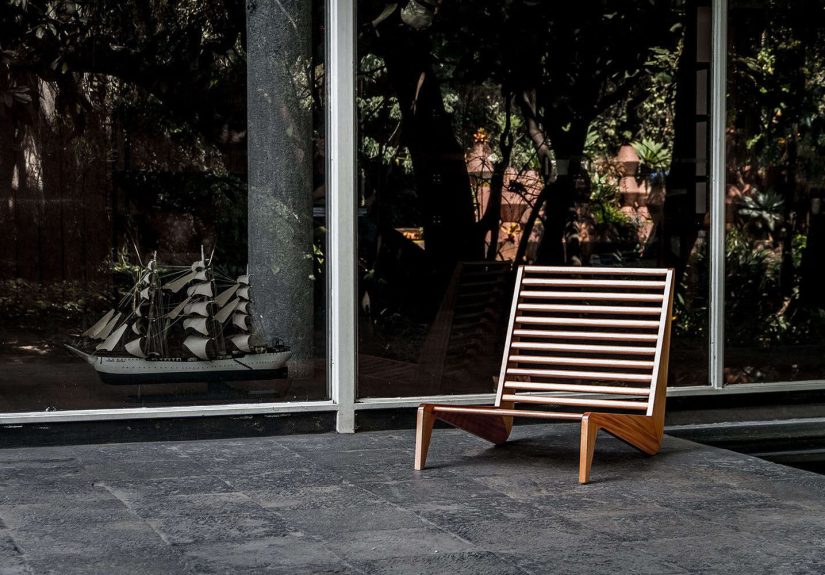
The Butaque chair is one of those designs that looks effortless until you sit in it and realize: oh, this is ergonomics disguised as sculpture.
Clara Porset’s modern adaptation of the Butaque has a deep lineage tied to regional materials and craft traditionsand it has become ubiquitous for a reason:
it’s low, inviting, and visually iconic.
In a world of “dupes,” authorized reproductions matter. When a piece is historically significant, faithful production isn’t just about aestheticsit’s
about stewardship. And from a homeowner’s point of view? It’s also about getting the real comfort and proportions that made the original famous.
Michael van Beuren: Bauhaus Training, Mexican Craft, Indoor/Outdoor Ease
If your taste lives somewhere between modernism and “I would like to eat tacos outside more often,” van Beuren’s influence is a gift. His designs
translate beautifully into pieces that can move between interior and exterior settingswithout looking like patio furniture pretending to be important.
Luteca’s approach here is especially relevant to the world market: indoor/outdoor flexibility, durable materials, and classic modern lines make these
pieces work in a range of climates and lifestyles.
Contemporary Standouts: Pieces That Explain The Brand in One Look
The Air Sofa: Lightweight Visual, Serious Engineering
The Air Sofa has that “floating” effect designers love: open back, delicate legs, and a low profile that doesn’t bulldoze your space. But the clever part is
that it’s built to handle real-life sittingyes, even the people who perch on arms like they’re auditioning for a lifestyle catalog.
The tufted upholstery and brass detailing give it a refined, jewelry-like finish without turning it into a precious object you’re afraid to use.
The Agave Dining Table: Botanical Inspiration, Architectural Presence
A dining table can be a workhorse and still be a statement. The Agave table does both: a tapered, beveled walnut top paired with a dramatic steel base that nods
to the agave plant. It’s the kind of piece that anchors a roomespecially if your dining area is part of an open plan and needs a strong “center of gravity.”
The Octanov Cabinet: Storage With Actual Personality
Storage often gets treated like the practical cousin you only invite because they own a pickup truck. Octanov is the opposite: it’s functional, but it’s also
sculptural. Between the sliding doors, thoughtful cut-outs, and a bronze-mirror-backed interior option, it becomes a focal point rather than a background box.
The Roos Desk and Ala Bench: “Clean Lines” With Cultural Texture
The Roos Desk pairs a structured base with a curved lacquered topan easy fit for home offices that want to look grown-up without becoming sterile.
Meanwhile, the Ala Bench brings 1950s Mexican furniture inspiration to an outdoor-friendly form, making it a strong choice for patios, entryways, or
the end of a bed where you pretend you won’t pile laundry (we believe in your dreams).
The Craft Preservation Story: When Beauty Has a Backbone
Global design can sometimes erase local handsoutsourcing the “making” until the object becomes anonymous. Luteca pushes in the opposite direction by
centering craft techniques and workshop expertise. This isn’t nostalgia; it’s strategy.
That mindset also shows up in projects connected to woven tule (a natural fiber) and efforts to preserve rare techniques through training and workshop support.
It’s a reminder that the world market doesn’t have to mean cultural flattening. It can also mean: the world finally gets access to a tradition worth sustaining.
How to Style Elevated Mexican Modernism at Home
The easiest way to make Luteca pieces shine is to let them do what they’re built to do: carry the room with calm confidence. Here are styling moves that work
in real spaces (including the ones with awkward corners and too few outlets).
1) Pair one hero piece with “quiet” supporting cast
If you bring in a sculptural table or a cabinet with strong geometry, keep surrounding pieces simple. Think: slim dining chairs, a neutral rug, a single large
pendant. The goal is contrast, not competition.
2) Use texture to bridge modern lines and warmth
Mexican modernism loves honest materials. Echo that with plaster, linen, wool, cane, or hand-thrown ceramics. You don’t need to theme the roomjust give it
tactile balance so the space feels lived-in, not staged.
3) Let metal read like “jewelry,” not “factory”
Polished stainless steel or brass details look best when you repeat them subtly: a picture frame, a lamp base, a simple hardware finish. One or two echoes
are enough to make it feel cohesive.
4) Bring the palette down to earth
Deep greens, tobacco leather, warm walnut, and off-white walls make these pieces feel grounded. If you want color, go saturated rather than pastel:
ochre, terracotta, and cactus tones tend to play nicely with wood and metal.
5) Don’t forget outdoor spaces
If you’re building a patio or courtyard, Luteca’s indoor/outdoor-capable modernism (especially through classic lines) can look intentional in a way that
typical “matching patio sets” rarely do. A bench or lounge chair with real design pedigree changes how the whole space feels.
Buying Tips: Getting the Most From an Investment Piece
Know your “non-negotiables” before you fall in love
- Scale: Measure carefullymodern pieces often look compact but can have generous depth.
- Use-case: Is this a formal sofa, a “movie-night” sofa, or a “both, somehow” sofa?
- Materials: Leather patinas; lacquer stays crisp; woven fibers may have usage guidance.
Ask smart questions
When you’re buying high-end furniture, you’re not being “high maintenance.” You’re being appropriately curious. Ask about:
lead times, finish options, care instructions, and how the piece will age in your specific environment (sunlight, humidity, pets, the works).
Consider the showrooms as part of the value
If you can visit a showroom, do it. The difference between “nice in photos” and “I can’t stop touching this wood grain” is realand it’s the entire point
of investing in craftsmanship.
Conclusion: A World Market Brand That Still Feels Human
Luteca’s appeal is bigger than any single chair or table. It’s the brand’s ability to package design history, craft, and contemporary living into furniture
that feels both collectible and usable. It respects Mexican modernism without freezing it in timeand it brings that legacy to a global audience without
sanding off the cultural edges that make it compelling.
In other words: it’s elevated, yes. But not in a “don’t sit on it” way. More like: “Sit on it, talk about it, live with itand watch it get better.”
Bonus: Real-World Experiences That Make This Style Stick (Extra )
The most convincing argument for elevated Mexican furniture isn’t a marketing phraseit’s the way these pieces show up in daily life. For example, the first
“experience” people talk about after seeing Luteca-quality craftsmanship in person is almost always tactile. You notice edges. Not in a “sharp corner” way,
but in a “someone cared enough to refine this detail” way. A beveled tabletop feels intentional when your hand slides along it; a well-finished leg feels
architectural when you’re vacuuming and realize it’s still elegant from every angle (even the angle no one posts on Instagram: the “I dropped a crumb” angle).
Another common moment: the conversation-starting effect. A classic like a Butaque chair doesn’t just sit in a cornerit invites questions. Guests ask why it’s
so low, why it’s so comfortable, and why it looks both old and new at the same time. That’s when the story becomes part of the room: Latin American craft
lineage, modernist reinterpretation, and the fact that good design travels across borders without losing its identity. You don’t have to give a lecture; you
just say something simple like, “It’s based on a classic design,” and suddenly your living room has cultural gravity.
Then there’s the “living with it” realityespecially with leather and wood. Over time, high-quality leather doesn’t merely survive; it develops character.
The seat darkens where it’s used most, and the surface takes on a softness that can’t be faked by factory distressing. Wood also evolves. In bright spaces,
you might notice subtle shifts in tone, which is exactly why many designers treat natural materials like living finishes rather than permanent colors. Instead
of fighting that change, you start appreciating it. The piece becomes part of your home’s timeline, not a static prop.
One of the most practical experiences comes during layout decisions. Strong modern silhouettes can actually make room planning easier. A sculptural dining
table becomes the anchor you arrange everything around. A cabinet with presence reduces the urge to “fill the wall,” because it already holds visual weight.
And in open-plan homes, a well-proportioned sofa can define zones without adding extra partitionsmeaning your space stays airy, but still organized.
Finally, there’s the satisfaction of knowing your purchase supports real skills, not just a logo. Many people who invest in craft-forward design describe a
sense of alignment: the money goes toward time, training, and technique. You don’t have to be an expert to feel the differenceyou feel it every time you
sit down, open a door, slide a cabinet panel, or host friends who automatically drift toward the “good chair” because it’s clearly the good chair.