Table of Contents >> Show >> Hide
- A Very Short (and Surprisingly Interesting) Backstory
- What Makes Mac and Cheese “Great” (Not Just “Fine”)
- Stovetop vs. Baked: Which One Should You Make?
- Flavor Upgrades That Don’t Make It Complicated
- Troubleshooting: Fixing Mac and Cheese Problems Like a Pro
- Food Safety and Storage (Because Leftovers Deserve Respect)
- Mac and Cheese “Experiences” (500+ Words of Real-Life, Totally Relatable Moments)
- Conclusion
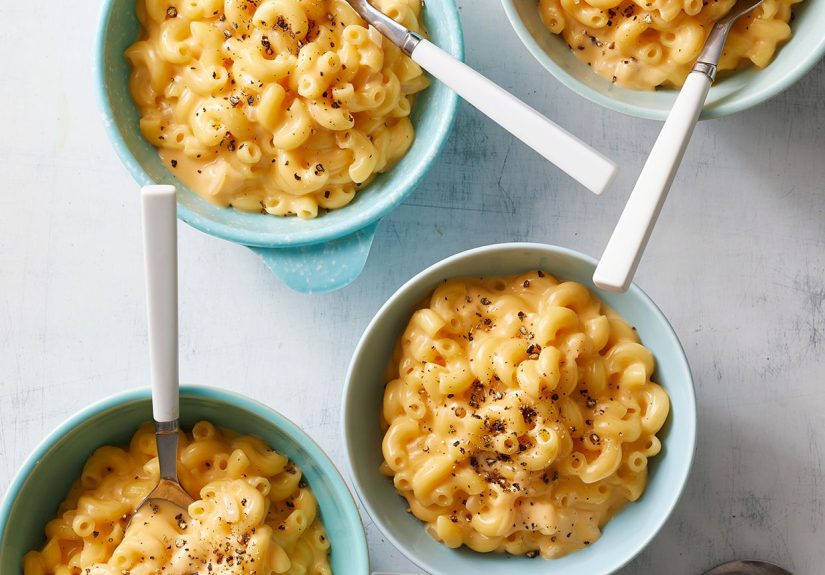
Macaroni and cheese is the edible equivalent of a warm hoodie: familiar, comforting, and suspiciously effective at improving your mood.
It can be a quick Tuesday-night stovetop bowl, a bubbly baked casserole that feeds a crowd, or a “chef-y” masterpiece with five cheeses
and a breadcrumb hat that crunches loud enough to announce itself. However you make it, great mac and cheese is all about one thing:
turning a few humble ingredients into something that tastes like you planned your life better than you actually did.
A Very Short (and Surprisingly Interesting) Backstory
Pasta plus cheese has been a winning idea for centuries. In the U.S., mac and cheese is often associated with Thomas Jefferson,
but the story is more complete (and more honest) when you include James Hemings, the Paris-trained chef Jefferson enslaved and
who helped introduce refined French cooking techniques in America. Over time, the dish evolved from special-occasion fare into
everyday comfort foodespecially once boxed versions made it fast, inexpensive, and reliably creamy.
Today, mac and cheese sits in that rare category of foods that can be both nostalgic and endlessly customizable. It can be simple,
fancy, spicy, smoky, extra gooey, extra sharp, gluten-free, or “I added broccoli so it’s basically a salad.” Nobody’s judging.
(Okay, someone might be judging. But they’re not invited back.)
What Makes Mac and Cheese “Great” (Not Just “Fine”)
Excellent mac and cheese is a balancing actrich but not greasy, cheesy but not grainy, creamy but not soupy, flavorful but not salty.
If yours ever comes out bland, clumpy, or dry, don’t panic. That’s not a character flaw. That’s just dairy chemistry.
1) The Pasta: Shape Matters More Than People Admit
“Macaroni” doesn’t have to mean elbow pasta, but it does need to hold sauce. Good options include elbows, cavatappi (corkscrews),
shells, and other ridged shapes. The goal is maximum surface arealittle pockets and grooves that trap cheese sauce like it owes you money.
Cook pasta to just shy of al dente, especially if you’ll bake it. Pasta keeps absorbing liquid after you drain it, and it will keep
softening in the oven. If you boil it until it’s fully tender, baked mac can turn into a soft, sad casserole that eats like
overcooked noodles wearing a cheese costume.
2) The Sauce: Creamy Is a Technique, Not a Vibe
Most homemade mac and cheese falls into two main families:
béchamel-based (roux + milk) and starch/emulsion-based (like evaporated milk + starch).
Both can be fantasticchoose based on your time, your patience, and how many dishes you’re willing to wash.
Béchamel (Roux-Based) Mac and Cheese
This is the classic “white sauce” approach: melt butter, whisk in flour, cook briefly to remove the raw flour taste, then gradually
whisk in warm milk until smooth. Once thickened, you remove from heat and add cheese. This style is stable, rich, and great for baking.
It also plays nicely with flavor boosters like mustard, paprika, garlic, or a tiny pinch of nutmeg for warmth.
The biggest béchamel mistake is rushing. If you dump in cold milk all at once, the sauce can turn lumpy and you’ll be stuck whisking
like you’re trying to summon a dairy demon. Add milk gradually, keep the heat moderate, and give it time to thicken.
Stovetop “Ultra-Creamy” Mac (Evaporated Milk Method)
If you want fast, silky, and reliable, the evaporated milk method is a modern classic. Evaporated milk contains more milk proteins
relative to water than regular milk, which helps keep the sauce emulsified (smoothly combined). Add a small amount of starch
(often cornstarch) and you get a glossy sauce that resists breaking.
This approach is also forgiving. It’s the “I have 20 minutes and I refuse to be emotionally challenged by dinner” method.
3) The Cheese: Pick for Melt, Flavor, and Structure
Not all cheeses melt the same way. Some melt smoothly (cheddar, Monterey Jack, fontina, Gruyère). Others can turn grainy or oily
if overheated (especially very aged hard cheeses). The best mac and cheese usually combines cheeses for different jobs:
- Flavor: sharp cheddar, aged cheddar, Gruyère
- Meltability: fontina, young cheddar, Jack
- Depth/saltiness: a little Parmesan (as a supporting actor, not the whole cast)
- Stability insurance: a small amount of American cheese (it melts smoothly thanks to emulsifying salts)
A helpful rule: grate your own cheese when possible. Pre-shredded cheese is often coated with anti-caking agents
that can affect melting. Is it the end of the world if you use bagged shredded cheddar? No. But if your sauce gets weird,
that coating might be part of the mystery.
Stovetop vs. Baked: Which One Should You Make?
Stovetop Mac and Cheese
Stovetop is peak weeknight energy: fast, creamy, and immediately satisfying. It’s also easier to keep silky because you control heat
more gently. If you like your mac and cheese saucy and spoonable, stovetop is your friend.
Pro tip: add cheese off the heat or over very low heat. High heat can cause the sauce to “break” (fat separates,
proteins tighten, and you get grainy cheese sand). Stir patiently. Let the cheese melt, don’t bully it.
Baked Mac and Cheese
Baked mac is the holiday/party champion: cohesive, scoopable, and topped with golden breadcrumbs. It also reheats well and feels
“special,” even if you made it while wearing socks that don’t match.
The secret to baked mac is making it slightly saucier than you think before it goes in the oven. Baking drives off moisture,
and pasta continues to absorb liquid. If you start with “perfectly thick” sauce, you can end with “why is this so dry” results.
Flavor Upgrades That Don’t Make It Complicated
Mac and cheese doesn’t need a million ingredients. It needs smart ones. Here are upgrades that add real flavor without turning dinner
into a three-hour documentary about your struggle:
Simple Add-Ins
- Mustard (a teaspoon or two): brightens cheese flavor without tasting “mustardy.”
- Smoked paprika: adds warmth and BBQ-adjacent vibes.
- Hot sauce: not “spicy,” just more alive.
- Garlic powder or a little sautéed garlic: comfort food + flavor backbone.
- Nutmeg (a tiny pinch): classic béchamel move; adds subtle warmth.
Crunch Topping Options
- Panko + butter: the crunchy gold standard.
- Crushed crackers: nostalgic, salty, and dramatic in a good way.
- Fried onions: chaotic-good topping that tastes like potluck glory.
Protein and Veggie Ideas
If you want mac and cheese to be a full meal, add one or two mix-insnot eight. Good options include pulled chicken, crumbled bacon,
diced ham, roasted broccoli, sautéed mushrooms, caramelized onions, or spinach stirred in at the end. Keep the add-ins flavorful but
not wet, or they’ll thin the sauce and throw off texture.
Troubleshooting: Fixing Mac and Cheese Problems Like a Pro
Problem: My Sauce Is Grainy or Oily
This usually happens when cheese overheats and the emulsion breaks. Fix it by lowering heat immediately and stirring in a small splash
of evaporated milk (or warm milk) and a little starch slurry (cornstarch mixed with cold water). For prevention, use gentle heat and
consider adding a small amount of American cheese or a pinch of an emulsifier like sodium citrate if you’re comfortable using it.
Problem: It Tastes Bland
Cheese needs salt to taste like itself. Salt the pasta water, taste the sauce before combining, and consider a small amount of Dijon mustard,
paprika, or a touch of garlic. Also: use at least one cheese with real personality (sharp cheddar, Gruyère).
Problem: It’s Too Thick
Add a little warm milk, evaporated milk, or pasta water (starchy water helps). Add slowly and stir until it loosens.
Problem: It’s Too Thin
Simmer gently to reduce, or add a bit more cheese (off heat). If you’re baking, remember it thickens as it bakes and cools.
Also check your pasta-to-sauce ratio: too much pasta can make the dish feel dry and under-sauced.
Food Safety and Storage (Because Leftovers Deserve Respect)
Mac and cheese is a dairy-rich dish, so treat leftovers like the perishable treasure they are. Cool leftovers quickly (shallow containers help),
refrigerate promptly, and reheat until steaming hot. If you’re serving it at a party, don’t let it sit at room temperature for hours.
In food-safety terms, that’s an open invitation for bacteria to move in like they pay rent.
When reheating, add a splash of milk and warm it gently. Mac and cheese thickens in the fridge because the starches set up.
A little liquid and patience bring it back to life.
Mac and Cheese “Experiences” (500+ Words of Real-Life, Totally Relatable Moments)
If mac and cheese had a résumé, it would list “emotional support” under special skills. Many people’s first memory of mac and cheese
isn’t a recipeit’s a moment. It’s the bowl you ate on the couch while watching a movie you’ve seen a hundred times, because you didn’t
want surprises, you wanted comfort. It’s the quick dinner someone made when the day went sideways and nobody had the energy for “real cooking.”
And it’s the dish that shows up at gatherings like an old friend who doesn’t need an invitation.
There’s also the first homemade attempt experience, which is practically a rite of passage. You start confident: butter, flour, milk,
cheesehow hard can it be? Then you add the cheese while the pot is still on high heat, and suddenly the sauce looks like it’s auditioning
for a role as gravel. You stare into the pot. The pot stares back. Five minutes later you’re googling “why is my mac and cheese grainy”
like it’s a philosophical question. The good news is: almost everyone has been there. The better news is: once you learn to lower the heat
and add cheese gently, you feel like you unlocked a secret level of adulthood.
Mac and cheese also has a strong presence in family traditions. In some homes, baked mac is a holiday mustnon-negotiable, protected by
laws that exist only in that kitchen. There’s the version with three cheeses, the version with five, the version with a breadcrumb topping
so crunchy it could double as a sound effect. Some families insist on elbows. Others swear by cavatappi. Some people add eggs for a custardy
texture; others consider that a controversial plot twist. And somehow, all of these versions are “the right one,” depending on who’s talking.
Then there’s the restaurant mac experience: you order it expecting a side dish and get a cast-iron skillet the size of a steering wheel
filled with molten cheese and a breadcrumb crust. You take one bite and immediately understand why it costs more than your entrée. At that point,
you’re not just eating mac and cheeseyou’re committing to it. You become the person who says, “No, I’m fine,” while clearly having a spiritual
awakening over dairy and pasta.
And let’s not forget the leftover experience. Cold mac and cheese in the fridge can look a little… determined. It’s thick, it’s set, it’s not
interested in being scooped. But add a splash of milk, warm it slowly, stir like you mean it, and it becomes cozy again. Many people have learned
the hard way that microwaving it too aggressively turns it oily or dry. Gentle heat is the difference between “this is delicious” and
“why is my lunch mad at me?”
Ultimately, mac and cheese is one of those foods that adapts to your life. It’s there for celebration and survival, for potlucks and quiet nights,
for picky eaters and adventurous cooks. You can keep it classic, or dress it up until it feels fancy. Either way, the goal is the same:
creamy, cheesy comfort that makes you feel like everything is going to be okayat least until the last bite.
Conclusion
Macaroni and cheese is simple in concept but surprisingly deep in technique. Pick a pasta shape that grabs sauce, choose cheeses that melt well,
and treat the sauce gently so it stays smooth and glossy. Whether you go stovetop for speed or baked for that golden crunch, the best mac and cheese
is the one that fits your mood, your time, and your idea of comfort. And if it turns out imperfect? Congratulationsnow you’re officially part of the
long, delicious tradition of learning mac and cheese the fun way.