Table of Contents >> Show >> Hide
- Why Mango Varieties Matter (Yes, It’s a Big Deal)
- The “Supermarket Six” at a Glance
- How to Choose, Ripen, and Store Mangoes Without Guessing
- Mango Varieties From Champagne to Kent: Flavor, Texture, and What to Do With Them
- Champagne Mango (Honey / Ataulfo): The Small Golden Overachiever
- Kent Mango: The Juicy One That Makes Smoothies Taste Expensive
- Keitt Mango: The Green-Skinned Plot Twist
- Tommy Atkins: The Most Common Mango in America (For Practical Reasons)
- Haden: Aromatic, Colorful, and a Little Old-School
- Francis: The Sunny, Slightly Spicy One
- How to Match the Right Mango to the Right Recipe
- A Few Mango Shopping “Pro Moves” (That Don’t Require a Culinary Degree)
- Conclusion: Your Mango Life Gets Easier From Here
- Extra: of Mango Experiences to Make This Real (and Delicious)
- SEO Tags
Mango season is basically a year-round party in the U.S.but the guest list keeps changing.
One week you’re holding a small golden “Champagne” mango that smells like summer vacation.
The next, you’re staring at a big green Kent like it’s a riddle wrapped in fruit.
The truth is: mangoes are not “one flavor fits all.” Different mango varieties have different
sweetness levels, aromas, textures, and fiber (aka the stuff that gets stuck in your teeth and makes you question your life choices).
This guide breaks down the most common mango varieties you’ll actually find in American grocery storesfrom
Champagne (also called Honey or Ataulfo) to Kentplus how to pick them, ripen them, and match them to the right recipe.
Consider it your mango decoder ring, minus the secret handshake.
Why Mango Varieties Matter (Yes, It’s a Big Deal)
The mango you buy determines everything: whether you can cube it neatly, blend it into a smoothie without stringy bits,
or slice it for a salad and feel like a fancy restaurant person. Some varieties are creamy and nearly fiber-free.
Others are firm and fibrousgreat for cooking and shipping, less great for floss-free living.
Here’s the most important takeaway: color is not a reliable ripeness test.
A mango can be green and ripe, yellow and unripe, or red and… just vibing. Instead, you’ll use feel, aroma, and variety-specific clues.
The “Supermarket Six” at a Glance
In the U.S., you’ll most commonly see six varieties rotating through the produce aisle:
Tommy Atkins, Honey/Ataulfo (often marketed as Champagne), Kent, Keitt, Haden, and Francis.
If you learn these, you can shop mangoes like you’re on a cooking showminus the time limit.
| Variety | Texture | Flavor | Best For | Ripeness Clue |
|---|---|---|---|---|
| Champagne / Honey (Ataulfo) | Smooth, low fiber | Sweet, creamy, slightly tangy | Slicing, spooning, desserts | Deep golden skin + small wrinkles |
| Kent | Juicy, tender, low fiber | Sweet, rich | Smoothies, juicing, fruit bowls | Gentle “give” + yellow undertones/dots |
| Keitt | Firm, juicy, low fiber | Sweet, fruity | Slicing, salsa, eating slightly firm | Often stays green even when ripe |
| Tommy Atkins | Firm, more fibrous | Mild, sweet-tart | Cooking, grilling, chunky salsa | May not show obvious color changes |
| Haden | Firm with fine fibers | Rich, aromatic | Fresh eating, salads | Green areas shift toward yellow |
| Francis | Soft, juicy with fibers | Sweet, rich, lightly spicy | Desserts, purees, bright salsas | Green fades, yellow becomes more golden |
How to Choose, Ripen, and Store Mangoes Without Guessing
Use the “Gentle Squeeze” Test (Not the “Fruit Stress Test”)
Mangoes ripen like peaches and avocados: they soften. Hold the mango in your palm and press gently.
A ripe mango should give slightly. If it’s rock-hard, it needs time. If it’s squishy like a water balloon,
it’s already headed toward “mango bread” territory.
Smell Near the Stem
A ripe mango often smells sweet and fruity near the stem end. No aroma can mean it’s not ready yet.
A sharp fermented smell can mean it’s overripe.
Ripen at Room Temperature, Then Chill (Carefully)
Mangoes continue to ripen after you buy them. Leave them at room temperature on the counter.
Want to speed things up? Place the mango in a paper bag for a day or two (it helps trap natural ripening gases).
Once ripe, you can refrigerate it to slow down further ripeningjust don’t keep unripe mangoes too cold.
A Note on the “Why Is My Mango Sad?” Problem
Mangoes can suffer from chilling injury when exposed to temperatures that are too low for too long.
That can show up as weird ripening, dull flavor, or skin damage. Translation: mangoes like comfortable conditions.
Treat them like a guest who brought dessertdon’t lock them in a freezing basement.
How to Cut a Mango (The Clean, Non-Dramatic Way)
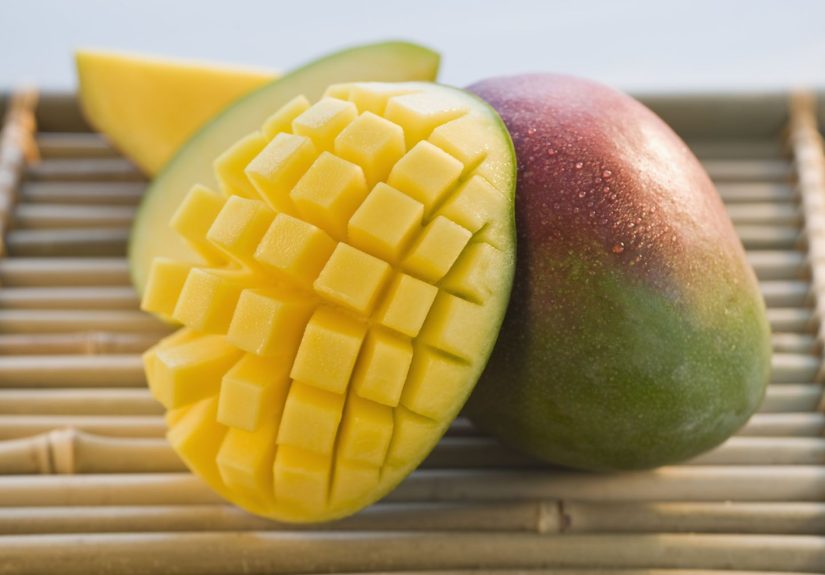
The easiest method: slice off the two “cheeks” around the flat pit, score the flesh in a grid without cutting through the skin,
then scoop out cubes with a spoon. You can also push the skin side outward to pop the cubes up in a “hedgehog” lookadorable,
snackable, and dangerously easy to eat in one sitting.
Mango Varieties From Champagne to Kent: Flavor, Texture, and What to Do With Them
Champagne Mango (Honey / Ataulfo): The Small Golden Overachiever
Champagne mangoes are usually smaller and more oval, with vibrant yellow skin when ripe.
The payoff is big: a smooth, creamy texture with low fiber and a sweet flavor with a gentle tang.
They also tend to have a smaller seed, so you get more edible fruit for your moneyfinally, a grocery win.
How to spot ripeness: look for deep golden skin and small wrinkles, then confirm with a gentle squeeze.
Best uses: slicing for snacks, topping yogurt, making mango “nice cream,” or eating straight with a spoon like it’s a personal achievement.
Kent Mango: The Juicy One That Makes Smoothies Taste Expensive
Kent mangoes are larger, often dark green, sometimes with a blush, and known for juicy, tender flesh with limited fiber.
If you want a mango that blends smoothly, Kent is your friend. Flavor-wise, it’s sweet and richmore “dessert mango” than “tart tropical punch.”
How to spot ripeness: Kents may show more yellow undertones or dots as they ripen, but your best test is still feel and aroma.
Best uses: smoothies, lassi, sorbet, fruit salads, or juicing (Kent’s flavor holds up beautifully).
Keitt Mango: The Green-Skinned Plot Twist
Keitt mangoes are the variety that teaches people to stop judging fruit by its cover.
Even when ripe, Keitts often stay green. Inside, they’re firm and juicy with limited fiber and a sweet, fruity flavor.
They’re also a favorite for people who like mango with a bit of structureless “melt,” more “slice.”
How to spot ripeness: don’t wait for it to turn yellow; rely on a gentle squeeze.
Best uses: mango salsa, salads, slicing for chili-lime snacks, or using slightly firm mango in savory dishes where you want clean pieces.
Tommy Atkins: The Most Common Mango in America (For Practical Reasons)
If mangoes had a “most reliable employee” award, Tommy Atkins would win itthen show up early the next day.
This variety is widely available and often chosen for commercial distribution because it handles shipping well.
Tommy Atkins mangoes have firm flesh with noticeable fibers and a mild sweetness that leans a little tart.
How to spot ripeness: Tommy Atkins may not give obvious visual cues, so use feel. A ripe one will yield slightly.
Best uses: chunky salsa, grilling, chutney, cooking into sauces, or any recipe where fiber won’t ruin the vibe.
Haden: Aromatic, Colorful, and a Little Old-School
Haden mangoes are known for their rich flavor with aromatic overtones and a firm texture with fine fibers.
They’re usually eye-catchingbright red with green and yellow tonesso they look like they were designed by a marketing team.
But they also bring legit flavor, especially when you want a mango that tastes bold and fragrant.
How to spot ripeness: green areas tend to turn more yellow as it ripens, but againtrust the squeeze.
Best uses: fresh slices, salads with citrus and herbs, or pairing with spicy foods where the aroma can stand up to heat.
Francis: The Sunny, Slightly Spicy One
Francis mangoes have bright yellow skin with green tones and an oblong, slightly “S-shaped” look.
The flesh is soft and juicy with some fibers, and the flavor is often described as rich, sweet, and lightly spicy.
If Champagne mango is a creamy dessert, Francis is a tropical fruit cocktail with personality.
How to spot ripeness: the green overtones fade and the yellow looks more golden as it ripens, plus the fruit softens.
Best uses: purees, desserts, fruit sauces, or bright salsas where you want flavor that pops.
How to Match the Right Mango to the Right Recipe
If You Want Smooth and Creamy
- Champagne/Ataulfo: creamy texture makes it great for yogurt bowls, puddings, and desserts.
- Kent: low fiber and juicyideal for smoothies, sorbet, and mango drinks.
If You Want Neat Cubes and Clean Slices
- Keitt: firm, low fibergreat for salsa, salads, and snack slices (even slightly underripe).
- Haden: firm with fine fibersnice for slicing and plating.
If You’re Cooking (Heat Is Involved)
- Tommy Atkins: holds up well in chutneys, sauces, grills, and cooked dishes.
- Francis: great for sauces and purees, especially when you want a bold, fruity flavor.
A Few Mango Shopping “Pro Moves” (That Don’t Require a Culinary Degree)
- Buy a mix: grab one Champagne mango for creamy eating and one Kent for blendingfuture you will be grateful.
- Stagger ripeness: choose one that’s slightly soft (eat soon) and one firm (eat later) so you’re not in a “three mangoes ripe at once” crisis.
- Respect the green Keitt: it can be ripe while still greendon’t wait for a color change that may never come.
- Plan for texture: if you hate fiber, prioritize Champagne/Ataulfo, Kent, and Keitt.
Conclusion: Your Mango Life Gets Easier From Here
Once you learn a few common mango varieties, shopping gets wildly easier. Champagne (Ataulfo) is the creamy, golden snack mango.
Kent is your juicy, low-fiber blender MVP. Keitt is the green-skinned surprise that slices beautifully.
Tommy Atkins is the sturdy all-rounder that shows up everywhere. Haden is aromatic and bold, and Francis brings sunny sweetness with a little spice.
So the next time you’re in the produce aisle, you can skip the “is this mango good?” anxiety spiral.
Pick the variety that matches what you’re making, use the gentle squeeze test, let it ripen at room temperature, and enjoy the fact
that a fruit can be both nutritious and ridiculously fun to eat.
Extra: of Mango Experiences to Make This Real (and Delicious)
Imagine you’re doing a mini “mango flight” at homelike wine tasting, but friendlier and far less likely to involve awkward swirling.
Start with a Champagne mango (Ataulfo). It’s small enough to feel harmless, which is exactly how it tricks you into eating the whole thing.
The first experience most people notice is texture: it’s smooth, creamy, and almost custard-like when fully ripe. If you’ve ever thought,
“I love mango flavor but I hate stringy bits,” this is the moment you realize you’ve been shopping without the right mango. Try it chilled,
sliced thin, with a pinch of chili-lime seasoning. You’ll understand why people get dramatic about it.
Next, grab a Kent. Your experience here is pure juiciness. Cutting into a ripe Kent feels like opening a tropical juice boxexcept you’re the straw.
Blend it into a smoothie with Greek yogurt and a squeeze of lime, and you’ll get that thick, glossy texture people pay too much money for at smoothie shops.
A fun test: cube Kent and freeze it on a tray. Later, toss the frozen cubes into a blender with coconut water for an instant sorbet vibe.
Kent is the mango that makes you feel like you have your life together, even if your sink is full of dishes.
Then comes Keittthe “why is it still green?” experience. This is where you learn to trust touch over color.
The first time you slice a ripe Keitt, the surprise is how clean it cuts. The pieces hold their shape, making it perfect for mango salsa.
Try a simple bowl: diced Keitt, red onion, cilantro, jalapeño, lime, and a tiny pinch of salt. Eat it with tortilla chips and tell yourself
it’s basically a salad. Keitt is also great slightly firm, which means you can enjoy a crisp, tart-sweet mango snack instead of waiting
for peak softness.
Now, Tommy Atkinsthe “this is what grocery stores mean by mango” experience. It’s dependable, widely available, and often the first mango
people try. The texture can be more fibrous, so the best experience is choosing recipes that don’t fight that reality.
Make a chunky mango chutney (mango, vinegar, a little sugar, ginger, and spices) or grill slices alongside chicken or shrimp.
Heat turns Tommy Atkins into a team playerless about silky texture, more about sweet-tart flavor and structure.
Finally, if you spot Haden or Francis, do a side-by-side taste test. Haden’s aromatic punch makes it feel “classic,” while Francis can read sweeter
with a slightly spicy tropical note. Put both in a fruit salad with orange segments and mint, then notice how the variety changes the whole bowl.
The real experience lesson is this: once you stop buying “a mango” and start buying “the mango,” you’ll get better results with less effort
and your snacks will feel like tiny vacations.