Table of Contents >> Show >> Hide
- Why This Finale Tease Hit Different
- What Max Thieriot Actually Teased About the Season 3 Finale
- The Big Twist in the Season 3 Finale
- Why the Twist Worked So Well
- What This Means for Season 4 and the Fire Country Universe
- Viewer and Fan Experiences: Why This Finale Felt So Big (Extended Analysis)
- Final Take
- SEO Tags
If Fire Country has taught viewers anything, it’s this: never trust a calm Friday night in Edgewater. Just when fans think they’re getting a neat little wrap-up, the show lights a match, throws in a family crisis, and leaves everyone staring at the screen like, “Wait… THAT’S where you’re ending it?”
That’s exactly why Max Thieriot’s tease about the Season 3 finale got so much attention. He didn’t just promise a bigger episode. He hinted at a format change, a major action sequence, and a cliffhanger intense enough to launch Season 4 with real consequences. And yes, he absolutely meant it.
In this deep dive, we’re breaking down what Thieriot teased, what actually happened in the finale, why the twist landed, and how it reshaped the emotional core of the series. We’ll also unpack what it means for Bode, the Leone family, and the larger Fire Country universe going forward.
Why This Finale Tease Hit Different
TV stars tease finales all the time. It’s practically a seasonal tradition: “You won’t believe what happens!” (We usually believe it. Someone cries. A building explodes. Roll credits.)
But Max Thieriot’s comments stood out because they were unusually specific. He previewed the scale, the structure, and the emotional shape of the finale without spoiling the exact outcome. That’s the sweet spot for a great teaser: enough detail to raise expectations, not enough to ruin the fun.
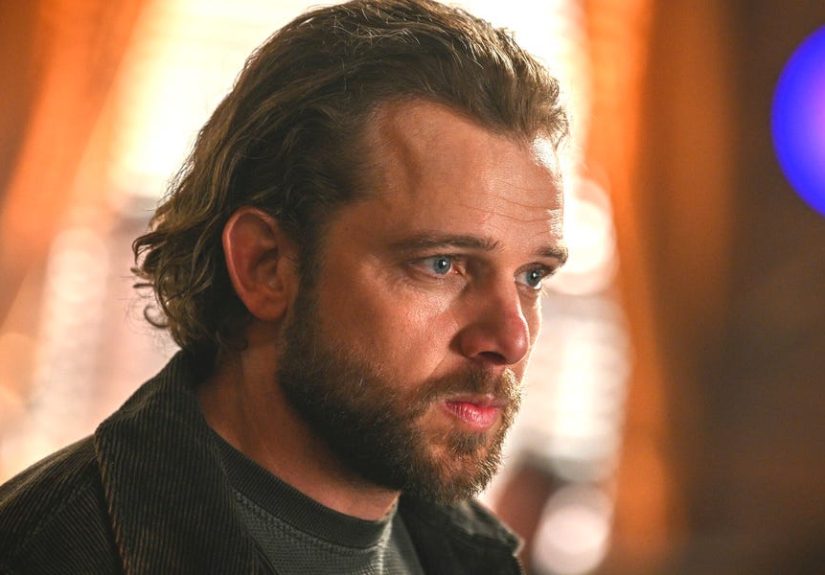
He also teased the finale from multiple angles as the lead actor, co-creator, executive producer, and director of the first hour. That matters. When someone is involved in the performance and the production, their preview carries extra weight. This wasn’t generic promo talk. It sounded like someone who knew exactly where the land mines were buried.
What Max Thieriot Actually Teased About the Season 3 Finale
1) A First-Ever Two-Hour Finale
One of the biggest reveals was structural: Season 3 ended with a two-hour finale, which was a first for the series. That alone signaled CBS and the creative team were treating this episode like an event, not just another chapter.
For a show like Fire Country, that format upgrade is a big deal. The series has always balanced three things at once: wildfire action, personal drama, and station politics. In a normal one-hour slot, at least one of those lanes usually gets compressed. A two-hour finale gave the writers room to let every thread breathe and then set them all on fire anyway.
2) Bigger Action, Bigger Stunts, Bigger Boom
Thieriot described the finale as “pretty special” and hinted at “crazy awesome action stuff,” even saying Season 3 would “end with a boom.” That line turned out to be more than trailer-friendly wording. It was a tone promise.
In another interview, he also talked about directing the first part of the finale and doing some of the show’s biggest action and stunt work, including a massive explosion sequence. That detail is important because Fire Country has built its identity on practical-feeling chaos. Fans don’t just want danger they want danger that feels lived-in, sweaty, and immediate.
The finale delivered exactly that. It didn’t just stage a fire. It staged escalation: multiple emergencies, overlapping rescues, and the kind of split-second choices that make every character look one wrong move away from disaster.
3) A Real Cliffhanger, Not a Cosmetic One
Thieriot also promised an “intense cliffhanger” to carry into Season 4. Again, this could have been standard TV hype. But he doubled down in post-finale interviews, calling the fallout “not a false alarm” and warning that there would be pieces to pick up.
Translation: the finale wasn’t going to end with a fake-out spark and a dramatic music sting. It was designed to create actual story damage the kind that changes character trajectories, not just episode pacing.
The Big Twist in the Season 3 Finale
So what was the “big twist” Thieriot teased? It wasn’t a single surprise in the classic mystery-box sense. It was more effective than that: a chain reaction.
The finale stacked multiple crises on top of one another until the personal and professional worlds of the Leones fully collided. That’s what made it hit.
Part 1: Action and Pressure Build Fast
The first hour launched with a gas station fire and the kind of high-pressure response that reminds you why the show works so well as a procedural drama. It looked big, moved fast, and gave Thieriot room to show off the “event episode” energy he’d been talking about.
But the real genius of this setup was that the action wasn’t just there to look cool. It pushed character stress levels up before the emotional hammer dropped. Bode’s physical limitations, leadership decisions at Station 42, and the shifting future of the crew all started simmering before the wildfire story escalated.
Part 2: The Leone Family Becomes the Emergency
By the second hour, the finale turned personal in the most Fire Country way possible: the emergency wasn’t just “out there.” It was inside the Leone family.
As the fire threatened Walter’s care facility and conditions worsened, the rescue effort transformed from a standard incident into a nightmare scenario. Bode was forced into the kind of impossible position TV dramas love and real people fear: watching protocol clash with family.
The emotional center of the twist came when the episode ended with Bode outside, unable to reach the people he loved most as the building collapsed. It’s one of the show’s most brutal visual endings because it weaponizes helplessness. Bode is a firefighter. He runs toward danger. The finale made him watch.
And Then the Fallout Got Even Bigger
The cliffhanger landed hard on its own, but the post-finale reporting made it even more intense. Coverage confirmed major cast shakeups tied to the finale’s aftermath, which instantly reframed the twist from “big season ending” to “franchise-level turning point.”
In other words, Thieriot’s teaser wasn’t overselling the moment. The finale wasn’t just loud. It was consequential.
Why the Twist Worked So Well
It Paid Off Season-Long Themes
Great finales don’t just explode. They cash checks the season has been writing for months.
Season 3 kept circling the idea of legacy what Bode inherits, what Vince protects, what Sharon holds together, and what Walter represents emotionally for the family. By putting the Leone men and Sharon inside the same life-or-death crisis, the finale made that theme literal. Legacy wasn’t a speech anymore. It was a burning building.
It Used Scale Without Losing Character
A lot of network dramas get bigger and accidentally emptier. More fire, less feeling.
Fire Country avoided that trap here. Yes, the finale delivered spectacle explosions, collapsing structures, spreading fire, all the good “watch this with snacks” stuff. But the emotional beats stayed character-specific: Bode’s panic, Vince’s responsibility, Sharon’s resolve, Walter’s history, and the station’s chain-of-command tensions.
That’s why the finale was memorable. It wasn’t just “a big incident.” It was their incident.
It Turned a Finale Into a Launchpad
Some cliffhangers feel like stalling. This one felt like a pivot.
Even before Season 4 fully arrived, the finale was already doing future-story work: shifting power dynamics, testing who leads, and creating emotional aftermath that couldn’t be shrugged off in a quick montage. Thieriot later reinforced that idea when he described the ending as a real reset rather than a fake scare.
That’s smart franchise storytelling. It rewards finale viewers and gives the next season a clear emotional engine.
What This Means for Season 4 and the Fire Country Universe
The finale’s biggest success may be that it expanded Fire Country without losing its core identity. The show is clearly building a larger world (including Sheriff Country), but the Season 3 finale proved the flagship series still knows how to make personal stakes feel huge.
It also reinforced why Max Thieriot is such a central force behind the show’s tone. He’s not just the face of the series; he helps shape its rhythm. His comments before and after the finale lined up with what aired: big action, emotional consequences, and a cliffhanger that actually matters.
And for fans, that matters too. Trust is everything with season finales. If a show keeps promising chaos and only delivers smoke, people stop showing up. Fire Country did the opposite. It promised a boom and then handed viewers one of the most consequential endings in its run.
Bottom line: the “big twist” wasn’t just a plot turn. It was a format upgrade, a character crisis, and a statement of intent. Season 3 ended by proving the series can go bigger while still keeping the heart of Edgewater intact even if the town itself is, once again, emotionally and structurally on fire.
Viewer and Fan Experiences: Why This Finale Felt So Big (Extended Analysis)
One of the most interesting things about the Fire Country Season 3 finale is how it changed the viewer experience, not just the story. Fans didn’t simply watch an episode they watched an event. That sounds like marketing language, but in this case it fits. A two-hour finale changes the way people settle in. You don’t casually half-watch while folding laundry. You commit. You text friends. You say things like, “Okay, no spoilers until I finish.” That’s a different level of audience engagement.
The first hour created a familiar rhythm: firefighting action, station dynamics, tension building. That part felt like the show saying, “Yes, we are still your comfort-watch procedural.” Then the second hour pulled the rug out and reminded viewers that Fire Country can be emotionally ruthless when it wants to be. That one-two punch is a big reason the finale lingered. It gave fans the show they know, then forced them to sit in uncertainty.
There’s also a specific emotional experience longtime fans had with this finale: the feeling that the Leone family story crossed a line. Earlier cliffhangers in the series were dramatic, sure, but this one hit closer to the show’s emotional foundation. Bode has always been the center, but Vince and Sharon are the anchor. Putting that entire family unit in the blast zone made the ending feel less like “Season 3 twist” and more like “the show might be permanently different now.”
Another reason viewers responded so strongly is that the finale played with a classic audience instinct: hope through competence. Fire Country trains you to believe these people can solve impossible situations because they usually do. They’re firefighters. They improvise, they communicate, they save lives. The Season 3 finale weaponized that trust. It let fans believe skill and grit would be enough and then ended at the moment where skill no longer guaranteed control. That’s not just suspense. That’s emotional whiplash.
From a fan-discussion perspective, the finale also generated the kind of post-episode energy that every network drama wants: not just “Wow, great episode,” but “What happens now?” Those are very different reactions. The second one creates real momentum. It fuels recaps, social chatter, cast interviews, and fandom debate between seasons. Was the twist fair? Who survives? Who changes? Can the show recover emotionally? Will Bode become a different kind of leader? A finale that sparks those questions keeps the audience connected long after the credits roll.
And finally, there’s the Max Thieriot factor. Fans experienced this finale through the lens of his pre-finale teases, which made the payoff even stronger. When a star says “boom,” “game changer,” and “intense cliffhanger,” audiences usually brace for exaggeration. Here, the episode met the hype. That creates something rare in modern TV promotion: credibility. It tells viewers that when this show warns you about impact, you should probably believe it and maybe keep your stress snacks nearby.