Table of Contents >> Show >> Hide
- What is measles, exactly?
- Why is measles making a comeback?
- Why measles is more dangerous than many people realize
- How measles spreads so efficiently
- Recognizing the symptoms
- What treatment looks like
- The MMR vaccine: still the star of the show
- Who should pay special attention right now?
- How communities can stop measles from spreading
- Common myths that need to retire already
- Experiences that show why this topic feels personal
- Final thoughts
Measles used to be the kind of disease many Americans only heard about in history books, old family stories, or those “back in my day” conversations that somehow begin with walking uphill both ways. Thanks to vaccination, the United States eliminated continuous measles transmission in 2000. That was a major public health victory. But lately, measles has been staging an unwelcome return, popping up in outbreaks that remind us how quickly a highly contagious virus can take advantage of gaps in vaccine coverage.
And measles is not just “a rash and a fever.” It is one of the most contagious infectious diseases on the planet. It spreads through the air, can linger in shared spaces, and can lead to serious complications such as pneumonia, brain inflammation, hospitalization, and even death. The frustrating part is that this disease is largely preventable. We already have a powerful tool for stopping it: the measles, mumps, and rubella vaccine, better known as MMR.
This article explores why measles is making a comeback, what the symptoms look like, who is most at risk, why vaccination matters, and what families can do now. Because if measles is going to make headlines again, the least we can do is make sure facts get top billing.
What is measles, exactly?
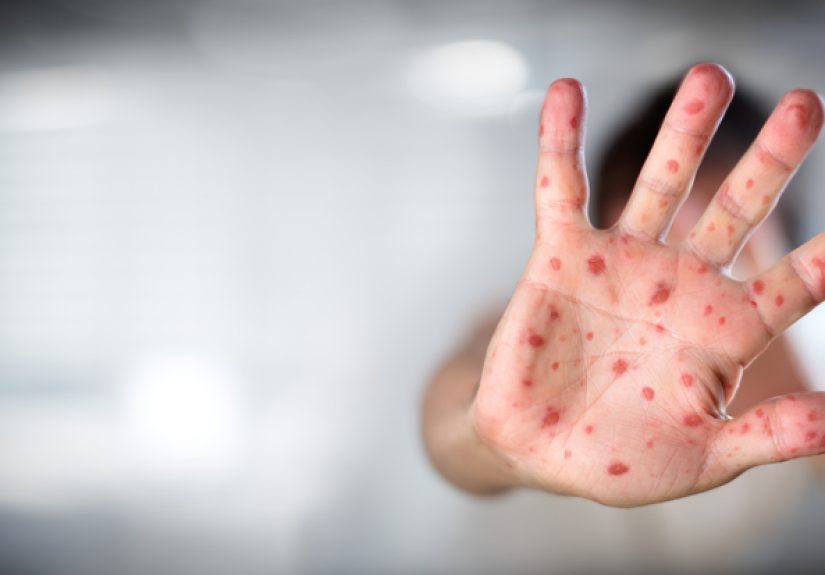
Measles, also called rubeola, is a viral infection that spreads very easily from person to person. It usually starts with what looks like an especially cranky cold: high fever, cough, runny nose, and red, watery eyes. A few days later, the telltale rash appears, often beginning on the face and then moving downward over the rest of the body.
Some people also develop tiny white spots inside the mouth, called Koplik spots, before the rash shows up. These can be an early clue that measles is not just “some random bug” but something far more contagious.
The tricky part is that measles can spread before the rash even appears. That means someone may feel sick, visit school, work, a clinic, or a grocery store, and unknowingly expose others before anyone realizes what is going on. For a virus, that is basically winning the lottery.
Why is measles making a comeback?
1. Vaccination gaps create easy openings
The main reason measles returns is simple: when vaccination rates fall, the virus finds room to spread. Measles is so contagious that communities need very high levels of immunity to keep outbreaks from taking off. If enough people skip or delay vaccination, even a single imported case can trigger a larger outbreak.
This does not always happen because people are strongly anti-vaccine. Sometimes families miss appointments, move between providers, lose insurance, struggle with transportation, or simply assume measles is too rare to worry about. Unfortunately, the virus does not care whether the gap happened because of misinformation, logistics, or procrastination. It only cares that the door was left open.
2. International travel keeps measles in motion
Measles still circulates in many parts of the world. Because travel is normal and frequent, cases can be brought into the United States by people who were infected abroad or exposed during travel. Once that happens, outbreaks are most likely to spread among unvaccinated or under-vaccinated groups.
3. Misinformation has real-world consequences
Bad health information travels almost as fast as a rumor in a middle school group chat. False claims about the MMR vaccine have been repeatedly debunked, yet they continue to circulate online. That matters, because uncertainty and fear can lead parents to postpone or refuse vaccination. The result is not “personal preference without consequences.” The result can be a disease outbreak affecting babies, immunocompromised people, pregnant women, and entire communities.
4. Success made people forget the threat
There is a strange downside to public health success: when a disease becomes uncommon, people stop seeing how dangerous it is. Many younger parents have never seen measles up close. That can make it easier to underestimate. But rarity is not the same thing as harmlessness. Measles did not become less dangerous. We just became better at preventing it.
Why measles is more dangerous than many people realize
Measles can absolutely knock healthy people flat, but the greatest risks fall on babies and young children, pregnant women, and people with weakened immune systems. Complications may include ear infections, diarrhea, dehydration, pneumonia, and encephalitis, which is swelling of the brain. In rare cases, a fatal nervous system condition can occur years after infection.
Even when measles does not cause one of the most severe complications, it can still be miserable. Fever can run high. Kids may become exhausted, dehydrated, and unable to eat or drink well. Parents can find themselves going from “maybe it is allergies” to “why are we in the emergency department?” much faster than expected.
Another important point: measles does not always stay neatly in the category of “childhood illness.” Adults can get very sick too, especially if they are unvaccinated. And in pregnancy, measles can increase the risk of serious outcomes for both parent and baby.
How measles spreads so efficiently
Measles spreads through respiratory droplets and airborne particles when an infected person coughs, sneezes, or even breathes in shared indoor air. The virus can remain in the air or on surfaces for a period of time after that person leaves. That helps explain why measles is famous for moving fast in classrooms, waiting rooms, airports, and households.
If you live with someone who has measles and you are not protected, your chances of getting infected are very high. This is not one of those viruses that politely waits its turn. It barges in, raids the fridge, and invites itself to the whole neighborhood.
Recognizing the symptoms
Symptoms usually begin about one to two weeks after exposure. The classic progression looks like this:
- Early stage: high fever, cough, runny nose, red or watery eyes, fatigue
- Possible early clue: tiny white spots inside the mouth
- Rash stage: red blotchy rash that starts on the face or hairline and spreads downward
- Contagious period: people can spread measles before and after the rash appears
Because early measles can resemble other viral illnesses, it is easy to miss at first. That is why recent exposure history matters so much. Travel, known contact with a measles case, or living in an area with an outbreak can all raise suspicion.
What treatment looks like
There is no specific antiviral cure that makes measles magically disappear. Treatment is usually supportive, which means helping the person stay hydrated, controlling fever, monitoring for complications, and seeking medical care when symptoms are severe or the patient is high-risk.
Antibiotics do not treat measles itself because measles is caused by a virus, not bacteria. However, a doctor may use antibiotics if a secondary bacterial infection develops, such as an ear infection or bacterial pneumonia. The most important move is early recognition, limiting exposure to others, and getting appropriate medical advice.
The MMR vaccine: still the star of the show
If measles is the villain in this story, the MMR vaccine is the caped superhero with excellent data. One dose provides strong protection, and two doses are even better. The routine schedule in the United States gives the first dose at 12 to 15 months and the second dose at 4 to 6 years. During outbreaks or before international travel, some children may need earlier or accelerated vaccination under medical guidance.
The vaccine is not perfect in the fairy-tale sense of the word, but it is extremely effective. More importantly, it dramatically lowers the risk of severe disease and helps protect those who cannot be vaccinated yet, including some infants and people with certain medical conditions.
Side effects are generally mild, such as soreness at the injection site, fever, or a mild rash. Serious side effects are rare. In contrast, measles itself can cause hospitalization, long-term harm, and death. That is not a close contest. It is not even the same sport.
Who should pay special attention right now?
Parents of young children
If your child is due for an MMR vaccine, this is not the moment to reschedule for “sometime after soccer season.” Keeping children on schedule is one of the simplest and most effective ways to reduce outbreak risk.
Families traveling internationally
Travel can increase the chance of exposure. Parents should check vaccine guidance before trips, especially when traveling with infants or young children.
Adults unsure of their vaccine status
Many adults assume they are protected but have never actually checked. If you do not know whether you received the recommended doses, it is worth asking a healthcare provider. In some cases, providers may recommend vaccination or review your records to confirm immunity.
Pregnant people and immunocompromised individuals
These groups may face higher risks from infection. They should talk with a clinician promptly if exposure is suspected or if they have questions about immunity.
How communities can stop measles from spreading
Stopping measles is not mysterious. It requires public health basics done well and done quickly:
- High vaccination coverage
- Fast identification of suspected cases
- Isolation of infected individuals
- Clear communication with schools, clinics, and families
- Accurate information that outshouts misinformation
Community protection matters because not everyone can rely on individual choice alone. Some babies are too young for their routine first dose. Some people are undergoing cancer treatment. Some have immune disorders. When vaccination rates stay high, these people are safer too. That is not just medicine. That is neighborliness with better science.
Common myths that need to retire already
“Measles is just a normal childhood illness.”
No. It may once have been common, but common is not the same as mild. Before vaccination, measles caused widespread illness, hospitalizations, and deaths.
“If outbreaks are small, I do not need to worry.”
Outbreaks start small by definition. The point is to keep them from getting bigger.
“Natural infection is better than vaccination.”
Natural infection comes with real risks, including severe complications. Vaccination offers protection without making people pay the price of disease first.
“The vaccine is riskier than the disease.”
The evidence says otherwise. The risks from measles are far greater than the usual risks associated with the MMR vaccine.
Experiences that show why this topic feels personal
Talk to pediatricians, public health nurses, or parents who have lived through a measles exposure scare, and you will hear a common theme: measles is disruptive long before it becomes dramatic. The first experience many families describe is confusion. A child develops a fever and cough. Eyes look red. Everyone assumes it is a cold, maybe the flu, maybe “that thing going around school.” Then the rash appears, and suddenly the whole week changes shape.
Parents often describe the emotional whiplash. One moment they are trying to decide whether to cancel piano lessons; the next they are calling the doctor, reviewing vaccination records, notifying relatives, and worrying about a younger sibling who is too young to be fully protected. What makes measles especially stressful is not just the illness itself, but the ripple effect. One sick child can mean missed work, quarantines, exposed classmates, delayed family visits, and a lot of anxious phone calls.
Healthcare workers have their own version of this experience. For them, suspected measles is a race against the clock. A patient with fever and rash is not just a clinical puzzle. That person may have passed through a waiting room, shared air with infants, or exposed patients receiving chemotherapy. Even when the final diagnosis turns out to be something else, the process of responding to possible measles is intense because the stakes are high. That tells you something important: medical teams do not treat measles like a minor inconvenience. They treat it like a fire alarm.
Adults who are unsure of their vaccine status often describe a different kind of unease. They may remember getting “some shots” as kids but do not know exactly which ones. During an outbreak, that uncertainty suddenly matters. It can turn into late-night searches, calls to old clinics, and a surprising realization that public health is not some abstract government concept. It reaches right into ordinary life, asking practical questions like: Am I protected? Are my kids protected? What about my parents?
There is also the experience of communities where vaccine coverage drops and trust frays. In those places, measles can become more than a medical issue. It becomes a stress test for schools, clinics, churches, and neighborhood relationships. Some people feel angry that misinformation put vulnerable families at risk. Others feel ashamed that they delayed vaccines and did not understand the consequences. Public health workers then have the difficult job of rebuilding confidence while also trying to contain the outbreak. It is not glamorous work, but it is essential.
Perhaps the most powerful experiences come from older clinicians and grandparents who remember measles before widespread vaccination. They remember children with high fevers lying in dark rooms because their eyes were sensitive to light. They remember worrying about pneumonia. They remember a time when parents had fewer tools and more fear. Their perspective is a useful reminder that vaccines did not arrive to solve an imaginary problem. They changed everyday life in a very real way.
That is why the return of measles feels so frustrating to many people in medicine and public health. We are not dealing with a mystery disease that arrived before science had a chance. We are watching a preventable disease reclaim space that was once pushed back by vaccination, planning, and trust in evidence. It is a comeback story nobody asked for.
Still, there is a hopeful side to these experiences. Families can check records. Adults can talk with their healthcare providers. Communities can improve vaccine access. Schools can communicate clearly. Clinicians can answer questions without judgment. Public health works best when people feel informed rather than shamed. And every on-time vaccination is one small, practical act that makes the next outbreak less likely to spread. That is not flashy, but it is how real progress usually looks.
Final thoughts
Measles is making a comeback not because the virus became stronger, but because prevention became less consistent. That distinction matters. It means the solution is already in our hands. Measles is dangerous, highly contagious, and capable of causing serious complications, yet it is also one of the clearest examples of a disease we know how to prevent well.
The lesson is not complicated: when vaccination rates stay high, measles struggles to spread. When confidence weakens or access slips, outbreaks return. In other words, measles is less a medical mystery than a social warning light. It tells us where protection is thinning. The good news is that warning lights exist for a reason. They give us a chance to act before the engine starts smoking.
If there is one takeaway worth remembering, it is this: prevention may not be exciting, but it is a lot better than explaining a measles outbreak to a terrified parent at 2 a.m. The MMR vaccine remains one of the smartest, safest, and most effective tools in modern medicine. Measles does not need a comeback tour. It needs a sold-out cancellation.