Table of Contents >> Show >> Hide
- What Is the Mediterranean Diet (Really)?
- Why It’s So Popular: The Big-Deal Benefits
- Mediterranean Diet Food List
- How to Build a Mediterranean Plate (Without Overthinking It)
- Smart Tips to Make It Stick
- 7-Day Mediterranean Meal Plan
- How to Customize the Meal Plan (Common Scenarios)
- Common Questions (Because Someone Always Asks)
- Conclusion: Keep It Simple, Keep It Tasty
- Experiences: What a Mediterranean Week Often Feels Like (A 500-Word Reality Check)
The Mediterranean diet is one of the rare “healthy eating plans” that doesn’t feel like a punishment invented by a joyless committee. You’re not counting almonds like they’re precious gemstones. You’re not banishing bread to the shadow realm. You’re mostly eating real foodplants, beans, whole grains, fish, and olive oilplus enough flavor to make your taste buds stop filing complaints.
This guide gives you a practical Mediterranean diet food list, simple “how to actually do this” tips, and a 7-day meal plan you can repeat, remix, and make your own. It’s designed for real life: busy schedules, normal budgets, picky eaters, and the fact that not everyone has time to hand-massage kale.
What Is the Mediterranean Diet (Really)?
The Mediterranean diet is an eating pattern inspired by traditional cuisines from countries around the Mediterranean Sea (think Greece, Italy, Spain). There isn’t one official rulebook, but most versions share the same foundations:
- Plants are the main event: vegetables, fruits, beans, lentils, whole grains, nuts, seeds.
- Olive oil is the default fat (instead of butter or shortening).
- Fish and seafood show up regularly (often a couple times per week).
- Dairy, eggs, and poultry are “supporting actors,” eaten in moderate amounts.
- Red meat and sweets are occasionalnot daily staples.
- Herbs, spices, garlic, onion, citrus do the heavy lifting for flavor.
- Meals are a lifestyle, not a math problem: people often emphasize cooking, sharing food, and staying active.
Why It’s So Popular: The Big-Deal Benefits
The Mediterranean diet’s reputation isn’t just good PR. Large studies and clinical research have linked strong adherence to Mediterranean-style eating with better heart and metabolic outcomesespecially when it replaces a typical ultra-processed, high-saturated-fat pattern.
1) Heart health support
Mediterranean-style diets are widely recommended as heart-healthy because they emphasize unsaturated fats (like olive oil), fiber-rich plant foods, and lean proteins like fish and legumes, while cutting back on refined carbs, added sugar, and processed meats. Many people see improvements in cholesterol markers and blood pressure when they make these swaps consistently.
2) More “anti-inflammatory” food patterns
While “inflammation” is a buzzword that gets abused on the internet, the dietary pattern itself makes sense: more omega-3-rich seafood, nuts and seeds, colorful produce, and olive oilless sugary drinks and refined snacks. Translation: your plate gets more nutrient-dense and less roller-coaster-y.
3) Better blood sugar and steadier energy (for many people)
Mediterranean-style eating patterns often work well for blood sugar management because meals naturally include fiber (vegetables, beans, whole grains), plus fat and protein that slow digestion. It’s not “no carbs”it’s “better carbs, paired smartly.”
Important note: If you’re a teen, pregnant, have diabetes, kidney disease, GI conditions, or take medications affected by diet (like blood thinners), talk with a clinician or registered dietitian before making major changes. This is especially true if you’re trying to lose weighthealth comes first, and teens need adequate energy and nutrients for growth.
Mediterranean Diet Food List
Think in categories and frequency. This makes it easier than memorizing a thousand “approved foods.”
Eat Often (Daily Staples)
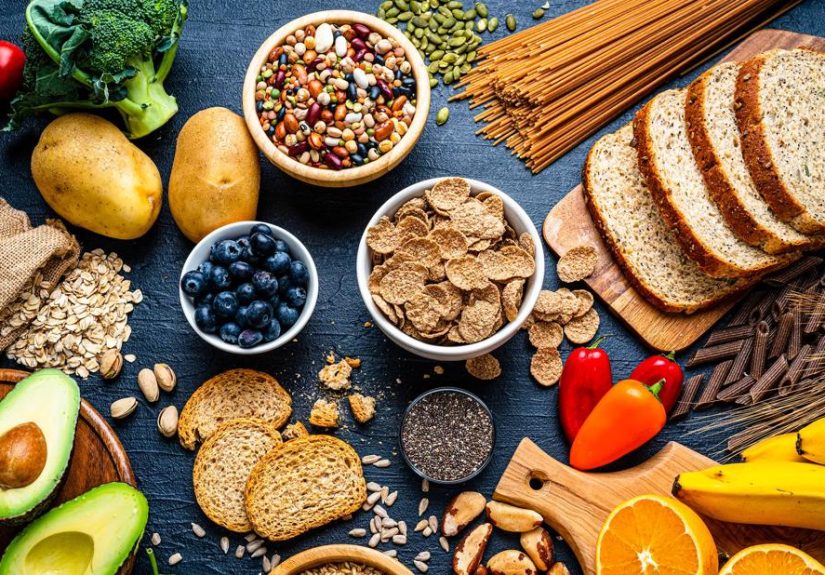
- Vegetables: leafy greens, tomatoes, cucumbers, peppers, zucchini, eggplant, broccoli, onions, mushrooms.
- Fruits: berries, oranges, apples, grapes, melons, stone fruit, figs (fresh or dried), pomegranate.
- Whole grains: oats, brown rice, barley, farro, bulgur, whole-wheat pasta, whole-grain bread, quinoa.
- Legumes: chickpeas, lentils, black beans, cannellini beans, split peas, edamame.
- Nuts & seeds: walnuts, almonds, pistachios, pine nuts, chia, flax, sunflower, pumpkin seeds.
- Healthy fats: extra-virgin olive oil, olives, avocado (not mandatory, but very welcome).
- Herbs & spices: basil, oregano, parsley, rosemary, thyme, cumin, paprika, turmeric, garlic.
Eat Regularly (A Few Times Per Week)
- Fish & seafood: salmon, sardines, trout, tuna, shrimp, mussels, cod.
- Fermented dairy: plain Greek yogurt, kefir, traditional cheeses (in modest portions).
Eat Sometimes (Optional / Smaller Amounts)
- Poultry: chicken or turkey, ideally not breaded or deep-fried.
- Eggs: flexiblemany people include them a few times weekly.
- Red meat: less often, smaller portions.
- Wine: optional, and not recommended for teens or anyone who shouldn’t drink alcohol. If used, it’s typically small amounts with mealsnot “because it’s Thursday.”
Limit (The “Not Every Day” List)
- Ultra-processed snacks: chips, packaged pastries, candy, many fast-food items.
- Added sugar: soda, sweetened coffee drinks, sugary cereals, frequent desserts.
- Refined grains: white bread, many crackers, regular pasta (swap to whole-grain more often).
- Processed meats: bacon, sausage, deli meats.
- Highly saturated/trans fats: frequent fried foods, heavy butter/shortening-based cooking.
How to Build a Mediterranean Plate (Without Overthinking It)
Use a simple visual formula most of the time:
- Half the plate: vegetables (raw, roasted, sautéedyour choice).
- One quarter: whole grains or starchy veg (brown rice, farro, potatoes, whole-wheat pasta).
- One quarter: protein (beans/lentils, fish, or poultry/eggs).
- Finish: olive oil + herbs/spices + something bright (lemon, vinegar, tomatoes).
- Sweet ending: fruit more often; desserts occasionally.
Smart Tips to Make It Stick
1) Start with swaps, not a personality transplant
- Swap butter → olive oil for cooking and dressings.
- Swap chips → nuts + fruit a few times per week.
- Swap some meat meals → beans/lentils (tacos with black beans, lentil soup, chickpea curry).
- Swap white bread/pasta → whole-grain versions more often.
2) Keep a “Mediterranean emergency kit”
When you’re tired, hungry, and one notification away from ordering fries, this pantry kit saves you:
- Extra-virgin olive oil
- Canned beans and lentils
- Canned fish (sardines, salmon, tuna)
- Whole grains (oats, brown rice, quinoa, whole-wheat pasta)
- Nuts and seeds
- Tomatoes (canned) + tomato paste
- Garlic, onions, lemon, vinegar
- Frozen vegetables and frozen berries
3) Make flavor effortless
Mediterranean cooking is “simple ingredients + strong seasoning.” Keep two go-to flavor combos:
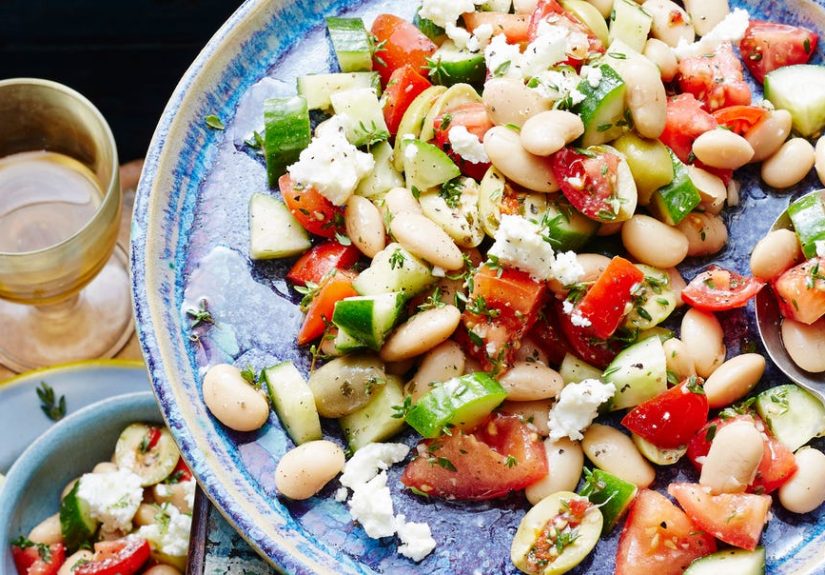
- Greek-ish: olive oil + lemon + garlic + oregano + cucumber/tomato + feta (optional).
- Italian-ish: olive oil + basil + rosemary + balsamic + tomatoes + white beans.
4) Budget tip: frozen and canned are not “cheating”
Frozen produce can be just as nutritious, and canned beans/fish make Mediterranean-style meals affordable and fast. Just choose options with low added sugar, and rinse canned beans to reduce sodium.
7-Day Mediterranean Meal Plan
This is a flexible template. Mix-and-match breakfasts and lunches if that’s easier. Portions depend on age, activity, and goalsaim for satisfying meals, not tiny “sad desk lunches.”
Day 1
- Breakfast: Greek yogurt (plain) + berries + chopped walnuts + drizzle of honey (optional).
- Lunch: Chickpea salad (chickpeas, cucumber, tomato, red onion, parsley, olive oil, lemon) + whole-grain pita.
- Dinner: Salmon (or canned salmon patties) + roasted broccoli + quinoa with olive oil and herbs.
- Snack: Apple + a spoonful of peanut butter or a small handful of almonds.
Day 2
- Breakfast: Oatmeal cooked with milk or fortified soy milk + cinnamon + sliced banana + chia seeds.
- Lunch: Leftover quinoa tossed with spinach, cherry tomatoes, olives, and a lemon-olive oil dressing.
- Dinner: Whole-wheat pasta with tomato-garlic sauce, white beans, and sautéed greens.
- Snack: Carrots + hummus.
Day 3
- Breakfast: Veggie omelet (or tofu scramble) with peppers, onions, spinach + whole-grain toast.
- Lunch: Lentil soup + side salad with olive oil and vinegar.
- Dinner: Shrimp (or chickpeas) sautéed with garlic and olive oil + brown rice + roasted zucchini.
- Snack: Orange + pistachios.
Day 4
- Breakfast: Smoothie: frozen berries + spinach + yogurt + flaxseed + water or milk.
- Lunch: Tuna (or chickpea) salad over greens with tomatoes, cucumbers, olives, and beans.
- Dinner: Sheet-pan chicken (or tempeh) with sweet potatoes, onions, and peppers + side of greens.
- Snack: Grapes + a small piece of cheese (optional) or a few nuts.
Day 5
- Breakfast: Avocado toast on whole-grain bread + sliced tomato + sprinkle of seeds.
- Lunch: Leftover sheet-pan chicken/veg turned into a grain bowl with farro and a lemon-tahini sauce.
- Dinner: Baked cod (or roasted chickpeas) + Mediterranean-style chopped salad + barley.
- Snack: Yogurt + cinnamon, or bell peppers + hummus.
Day 6
- Breakfast: Cottage cheese or Greek yogurt + fruit + almonds (swap dairy-free yogurt if needed).
- Lunch: Mediterranean “snack plate”: hummus, whole-grain pita, cucumbers, tomatoes, olives, fruit.
- Dinner: Veggie-and-bean stew (tomatoes, zucchini, beans, herbs) + side of whole-grain bread.
- Snack: Pear + walnuts.
Day 7
- Breakfast: Breakfast bowl: oats or quinoa + berries + seeds + yogurt (or soy yogurt).
- Lunch: Leftover stew + side salad.
- Dinner: “Mediterranean tacos”: black beans or fish + cabbage slaw + salsa + avocado on corn tortillas.
- Snack: Dark chocolate (a small square) + strawberries.
How to Customize the Meal Plan (Common Scenarios)
If you want it more vegetarian
Easy: use beans, lentils, tofu/tempeh, and nuts as your main proteins. Keep fish optional. Add extra legumes to salads, soups, and grain bowls.
If you’re aiming for better cholesterol
Emphasize olive oil, nuts, oats, beans, and fish. Reduce processed meats, fried foods, and frequent sweets. Keep portions of cheese modest.
If you’re trying to manage blood sugar
Pair carbs with protein and fat (beans + olive oil + vegetables is a classic combo). Choose high-fiber carbs more often (beans, lentils, oats, barley), and limit sugary drinks. If you use fruit juice, keep it small and occasional.
If you’re on a tight budget
- Use canned beans and canned fish as affordable staples.
- Buy frozen vegetables and frozen berries.
- Choose store-brand olive oil and use it mainly where it shines (dressings, finishing) while cooking with a bit less.
- Pick one or two “hero recipes” weekly (lentil soup, bean chili, sheet-pan veggies) and repeat.
Common Questions (Because Someone Always Asks)
Is pasta allowed on the Mediterranean diet?
Yes. The pattern isn’t anti-pastait’s pro-quality. Choose whole-grain pasta more often, keep portions reasonable, and load the sauce with vegetables, beans, and olive oil instead of relying on heavy cream sauces.
Do I have to eat fish?
No. Fish is common in Mediterranean-style eating, but you can still follow the pattern with beans, lentils, nuts, seeds, and (if you choose) eggs and poultry. If you skip fish, talk with a clinician about omega-3 sources that fit your needs.
Do I have to drink wine?
Absolutely not. Wine is optional, and it’s not recommended for teens or anyone who shouldn’t drink. You can get the benefits of the pattern without alcohol.
Conclusion: Keep It Simple, Keep It Tasty
The Mediterranean diet works best when you treat it like a rhythm, not a rulebook: build meals around plants, use olive oil as your everyday fat, bring in fish (if you want) a couple times a week, enjoy dairy and poultry in moderation, and let sweets and processed foods shrink from “daily habit” to “sometimes treat.”
If you do one thing this week, do this: pick two Mediterranean breakfasts, two lunches, and two dinners you actually likeand repeat them. Consistency beats culinary acrobatics every time.
Experiences: What a Mediterranean Week Often Feels Like (A 500-Word Reality Check)
Switching to Mediterranean-style eating is less like joining a secret society and more like upgrading your default settings. Many people notice the first win isn’t a dramatic “before-and-after” momentit’s the quiet relief of not having to fight their meals. You’re not trying to outsmart food; you’re building meals that naturally make sense: fiber, healthy fats, and enough protein to keep you satisfied.
In the first few days, a common experience is that your kitchen starts looking… suspiciously colorful. Not because you suddenly became a perfect person, but because the plan makes produce practical. When lunch is “chickpeas + chopped vegetables + olive oil + lemon,” the barrier to entry is low. You don’t need a fancy recipejust a bowl and five minutes. People often say this is the first time “healthy” feels like it has a personality.
Another frequent shift: snacks stop being a sugar trampoline. Instead of the classic cycle (sweet snack → energy spike → crash → snack again), Mediterranean-style snacks tend to be steadiernuts, fruit, yogurt, hummus. Many people describe feeling more “even,” especially mid-afternoon. It’s not magic. It’s the boring superpower of pairing carbs with fat/protein and getting more fiber.
Taste-wise, the biggest surprise is how satisfying food can be when you lean into herbs, spices, citrus, garlic, and good olive oil. People who thought “healthy food is bland” often realize the opposite was true: their old meals were bland, and the sugar/salt/fat was doing the talking. Mediterranean cooking gives flavor actual ingredients to stand on. A tomato can taste like a tomato again. Who knew.
Socially, this pattern tends to play nicer with real life. If your family wants tacos, you can do Mediterranean tacos (beans or fish, cabbage, salsa, avocado) without making two dinners. If you go out, you’re not stuck eating “plain chicken and sadness.” You can aim for grilled fish, veggies, salads with olive oil, bean soups, and whole grainsthen move on with your day.
The most realistic “challenge” people report is grocery logistics: you need produce on hand, and produce doesn’t last forever. The workaround is simple: keep frozen vegetables and canned beans/fish as backup. That way, even if your greens look like they’ve emotionally given up, dinner can still happen.
By the end of a week, many people don’t say, “I transformed!” They say, “I could do this again.” And honestly, that’s the point. The Mediterranean diet isn’t about being perfectit’s about making the healthy choice the easy, tasty, normal choice.