Table of Contents >> Show >> Hide
- What Makes These Garlic Fried Eggs “Middle Eastern”?
- The Core Idea: Garlic-Infused Olive Oil + Crispy Eggs
- Middle Eastern Garlic Fried Eggs Recipe
- Quick Garlic Yogurt or Labneh Sauce
- Flavor Variations Across the Region
- Pro Tips for Eggs That Taste Expensive
- Serving Ideas (Because Bread Deserves a Job)
- Nutrition Notes (Realistic, Not Lecture-y)
- FAQ
- Conclusion
- Personal Kitchen Notes & Experiences (The Extra )
There are two kinds of mornings: the ones where you wake up feeling like a glowing wellness influencer, and the ones where your brain boots up in “safe mode.”
This Middle Eastern–inspired garlic fried eggs recipe works for both. It’s fast, bold, and built on pantry staples that show up across the region:
olive oil, garlic, warming spices, and a tangy finishing touch like sumac, za’atar, or creamy labneh.
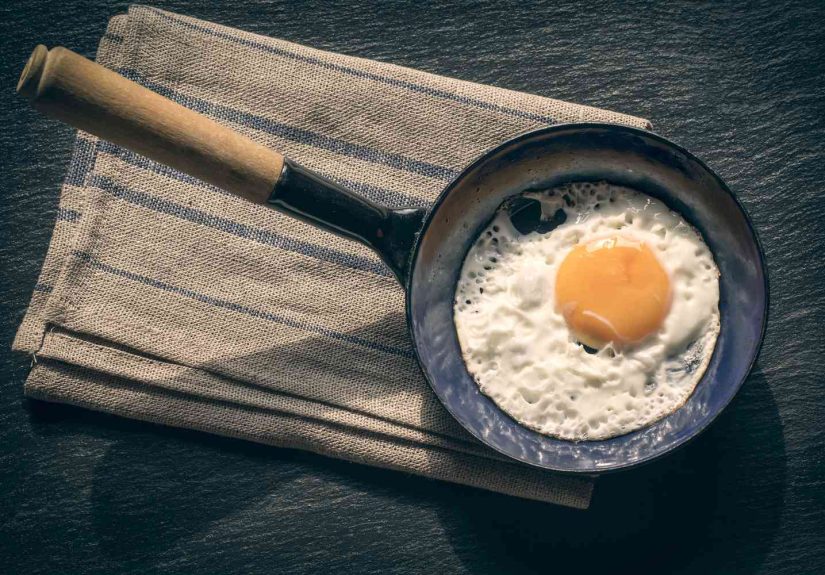
Think of it as the love child of crispy olive-oil fried eggs and the mezze table: edges lacy and golden, yolks still jammy, garlic doing what garlic does best
(being a little loud, in a good way). Add warm pita or crusty bread and you’ve got a breakfast that feels like it booked a flighteven if you didn’t.
What Makes These Garlic Fried Eggs “Middle Eastern”?
“Middle Eastern food” isn’t one single flavorit’s a whole neighborhood of cuisines. But you’ll see common themes that fit perfectly with fried eggs:
- Olive oil as a main character: not just a cooking medium, but a flavor.
- Garlic-forward cooking: used fresh, gently toasted, or stirred into yogurt.
- Bright, tangy finishes: sumac (lemony-tart), yogurt, pickles, or a squeeze of lemon.
- Warm spices: cumin, paprika, Aleppo pepper, black pepper, coriander.
- Herbs and crunch: parsley, mint, scallions, toasted sesame, nuts.
The Core Idea: Garlic-Infused Olive Oil + Crispy Eggs
The secret is simple: you’ll gently toast sliced garlic in olive oil until it turns fragrant and pale gold (not brown and bitter),
then fry the eggs in that same oil. If you spoon hot oil over the whites (quick basting), you get set whites and a runny yolk without overcooking.
The finished eggs taste rich, aromatic, and surprisingly “restaurant-y” for something that takes about 10 minutes.
Middle Eastern Garlic Fried Eggs Recipe
Yield: 2 servings (or 1 very happy person) • Time: ~10–12 minutes
Ingredients
- 3–4 tablespoons extra-virgin olive oil (use a good oneyou’ll taste it)
- 4 cloves garlic, thinly sliced (or minced if you like a stronger punch)
- 4 large eggs
- 1/2 teaspoon kosher salt (plus more to taste)
- 1/2 teaspoon ground cumin
- 1/2 teaspoon sweet paprika (or smoked paprika for a deeper vibe)
- 1/4–1/2 teaspoon Aleppo pepper or crushed red pepper (optional, but fun)
- 1–2 teaspoons sumac (for serving)
- 1 tablespoon chopped parsley or mint (or both)
- Warm pita, lavash, or crusty bread (for the extremely important dipping step)
Optional but Highly Recommended Toppings
- Garlic yogurt or labneh (recipe below)
- Sliced cucumber + tomato salad with lemon and salt
- Pickles or olives
- Za’atar sprinkle
- Toasted sesame seeds or chopped walnuts
Step-by-Step Instructions
-
Warm your serving setup first.
Put bread in a low oven or toaster. If using yogurt/labneh, spoon it into bowls now. This dish moves fast once the eggs hit the pan. -
Toast the garlic in olive oil.
Set a skillet over medium heat and add the olive oil. When it shimmers, add the sliced garlic.
Cook 30–90 seconds, stirring often, until fragrant and lightly golden. If the garlic starts browning quickly, lower the heat immediately.
(Brown garlic tastes like regret. Pale gold garlic tastes like you know what you’re doing.) -
Bloom the spices.
Stir in cumin, paprika, and Aleppo pepper (if using) for about 10–15 secondsjust until it smells amazing.
This quick “bloom” wakes up the spices without burning them. -
Fry the eggs.
Crack the eggs into the skillet, spacing them apart. Season with salt.
Let them cook undisturbed until the whites begin to set around the edges, 45–60 seconds. -
Baste for perfect whites.
Tilt the pan slightly so oil pools on one side and use a spoon to splash hot oil over the egg whites (not directly on the yolks if you want them runny).
Keep basting until whites are set and edges are lacy and crisp, about 1–2 minutes more. -
Finish like a pro.
Remove from heat. Sprinkle sumac and chopped herbs over the eggs.
Taste and add a pinch more salt if needed (eggs love saltdon’t be shy, just be intentional). -
Serve immediately.
Slide eggs onto plates (or onto a swoosh of labneh). Drizzle any garlicky spiced oil from the pan over the top.
Add bread, salad, and olives. Then do the dip. That’s the whole point.
Quick Garlic Yogurt or Labneh Sauce
This is the creamy, tangy “cooling system” that makes spicy-garlicky eggs feel balanced. It’s inspired by the classic Turkish-style eggs approach
(garlic yogurt + warm spiced fat), but works beautifully with fried eggs too.
Ingredients
- 1 cup plain Greek yogurt or labneh (room temperature tastes best)
- 1 small garlic clove, finely grated
- 1/2 teaspoon salt
- 1–2 teaspoons lemon juice (optional, for brightness)
- Mint or dill (optional)
Instructions
- Stir everything together. Taste and adjust salt/lemon.
- Spoon onto plates and place eggs on top, or serve on the side for dipping.
Flavor Variations Across the Region
1) Levant-Style: Sumac + Herbs + Olive Oil
Keep it bright and punchy: heavy on sumac, parsley, and a squeeze of lemon. Add sliced tomatoes and cucumbers, plus olives.
This version tastes like a mezze table decided to become breakfast.
2) Turkish-Inspired: Garlic Yogurt + Aleppo Pepper Butter/Oil
For a Turkish twist, pair eggs with garlicky yogurt/labneh and drizzle a little warm oil (or butter) mixed with Aleppo pepper and paprika.
If you want to go fully traditional-leaning, you can even poach eggs instead of fryingbut frying keeps the crispy edges we’re here for.
3) North African-ish: Harissa Accent
Stir 1/2 teaspoon harissa into the oil with the spices, then fry the eggs. Finish with herbs.
It’s not shakshuka, but it scratches the same itch: spicy, tomato-friendly, bread-required.
4) Za’atar Finish: Nutty, Herby, Tangy
Sprinkle za’atar at the end for a herbal-sesame lift. It’s especially good if you serve the eggs with labneh and tomatoes.
Za’atar is basically “breakfast seasoning” pretending it isn’t.
Pro Tips for Eggs That Taste Expensive
- Don’t burn the garlic. If it browns, it turns bitter and steals the whole show.
- Medium heat wins. You want sizzle, not smoke. The goal is crisp edges without turning oil into a fire alarm audition.
- Baste the whites, protect the yolk. Spoon hot oil over the whites to set them while keeping yolks runny.
- Use room-temp yogurt. Cold yogurt can feel harsh; room-temp tastes smoother and more “intentional.”
- Finish with something sour. Sumac, lemon, picklesacid keeps garlic and oil from feeling heavy.
Serving Ideas (Because Bread Deserves a Job)
- Classic plate: eggs + labneh + cucumber/tomato salad + pita
- Breakfast mezze board: eggs, hummus, olives, pickles, herbs, sliced veggies
- Eggs on toast: thick toast + labneh smear + eggs + sumac + herbs
- Late-night version: eggs + leftover rice or roasted potatoes + drizzle of garlicky oil
Nutrition Notes (Realistic, Not Lecture-y)
Eggs provide high-quality protein and key nutrients like choline, while olive oil adds satisfying fats and flavor.
The “Middle Eastern style” partherbs, spices, yogurt, and vegetablesmakes it easier to build a balanced plate.
If you’re watching sodium, go lighter on salt and lean more on lemon and herbs for punch.
FAQ
Can I make garlic fried eggs without olive oil?
You can, but the flavor changes a lot. Olive oil is part of the identity here.
If you must swap, use avocado oil for frying and finish with a drizzle of olive oil for flavor.
What if I don’t have sumac?
Use lemon zest or a squeeze of lemon at the end. It won’t be identical, but it brings that bright tang that makes the dish pop.
How spicy is Aleppo pepper?
Aleppo pepper is usually milder and fruitier than standard crushed red pepper flakes. Start small and adjust.
Can I add vegetables?
Yes. Quick options: toss in sliced cherry tomatoes after the garlic, or add spinach right before the eggs so it wilts in the garlicky oil.
For a bigger veggie base, you’re drifting toward shakshuka territoryin the best way.
Conclusion
These Middle Eastern garlic fried eggs are proof that a “real meal” doesn’t need a long ingredient list or a sink full of dishes.
You’re taking everyday eggs and giving them a passport stamp: olive oil, toasted garlic, warm spices, and a tangy finish like sumac or garlicky yogurt.
Serve them with bread, add something crisp and fresh on the side, and suddenly breakfast feels like an eventwithout the event planning.
Personal Kitchen Notes & Experiences (The Extra )
The first time I tried making garlic fried eggs “Middle Eastern style,” I thought the garlic should be aggressively goldenbecause that’s how movies show garlic:
sizzling, dramatic, and somehow never burned. In real life, garlic has about a two-second window between “aromatic genius” and “why does my kitchen smell like
bitter toast?” The best lesson I learned is to treat garlic like a VIP: give it gentle heat, keep it moving, and don’t walk away to check your phone.
Garlic takes that personally.
Once I nailed the garlic timing, the dish became a weeknight hero. It’s one of those recipes that feels flexible in the most comforting way.
Some days I go full brightness: extra sumac, parsley, lemon, cucumbers, tomatoes, and a few olives. That version tastes like you planned your life.
Other days I’m in a “warm and cozy” mood, so I lean into cumin and paprika and add a little Aleppo pepper for a slow, fruity heat.
That one tastes like you deserve a nap afterwardin a positive way.
My favorite “aha” moment was realizing the yogurt/labneh isn’t just a toppingit’s a whole strategy. When you spoon garlicky yogurt onto a plate
and set the eggs on top, you get hot-meets-cool contrast, like culinary air conditioning. The yogurt turns the spiced oil into a sort of instant sauce,
and suddenly you’re not just eating eggsyou’re scooping up creamy, tangy, garlicky goodness with bread like it’s your job.
If you’ve ever wondered why so many Middle Eastern meals love yogurt next to warm, spiced foods, this is the reason.
Another small upgrade that makes a big difference: finishing salt and herbs. I used to think salt was “already handled” once it hit the eggs.
But a tiny pinch of flaky salt at the end wakes up the yolk and makes the garlic taste sweeter instead of harsh.
And herbsespecially parsley and mintmake the whole dish feel fresher. Mint sounds surprising until you try it: it cuts through richness like a charm.
It’s the kind of finishing touch that makes people ask, “What’s in this?” and you get to casually say, “Oh, just eggs,” like you didn’t do anything special.
The most memorable time I served these was a lazy brunch situation where everyone arrived hungry but nobody wanted a complicated meal.
I set out a “bread and toppings” spread: warm pita, labneh, chopped tomatoes and cucumbers, olives, a lemon wedge, and a couple spice jars.
Then I fried eggs in batches, spooning the garlicky oil over the whites until the edges crisped. People built their own plates,
adding sumac here, za’atar there, extra garlic yogurt everywhere. It felt interactive, but secretly it was the easiest hosting move ever:
one skillet, a cutting board, and a table full of “choose-your-own-deliciousness.”
If you want a dish that makes breakfast feel like a gathering without becoming a project, this is it.