Table of Contents >> Show >> Hide
- Why the Best Dog Photography Starts With Behavior, Not Gear
- How Your Dog “Tells” You What She Wants
- The Golden Rule: Let the Dog Be a Dog
- Dog Photography Tips That Actually Work
- How to Get Better Expressions Without Overdoing It
- What Not to Do During a Dog Photo Shoot
- How to Photograph Different Dog Personalities
- Why Human Energy Changes the Photo
- The Real Secret to Canine Supermodel Photos
- Experience: Living With a Dog Who Thinks Every Walk Is a Photo Shoot
- Conclusion
Every dog owner has seen it happen. You lift your phone or camera, whisper your pet’s name, and suddenly your dog becomes either a fashion icon or a freelance chaos consultant. One second she is serving pure editorial energy with a soft gaze and perfect head tilt. The next second she is sprinting out of frame like the paparazzi just asked an offensive question. That, in a nutshell, is dog photography.
But here is the funny part: your dog is not actually being “difficult.” She is communicating. Dogs tell us a lot with their eyes, ears, mouth, tail, posture, and movement. In other words, your canine supermodel has opinions. She may not say, “I prefer natural light and a lower shooting angle,” but she can absolutely tell you when she likes the setup, when she feels weird about it, and when your creative vision needs to calm down.
If you want better dog photos, the secret is not just a nicer lens or a fancier phone. It is learning to read your dog’s body language and building a shoot around what makes her feel relaxed, curious, and rewarded. Once you stop treating your dog like a furry statue and start treating her like a collaborator, everything improves. The expressions look real. The poses feel natural. The photos start to capture personality instead of just fur with eyeballs.
This guide breaks down how to photograph dogs in a way that feels respectful, practical, and actually fun. Think of it as part pet photography tutorial, part canine communication lesson, and part humble admission that your dog may be the real creative director in the family.
Why the Best Dog Photography Starts With Behavior, Not Gear
People often assume great dog portraits come from sharp focus, expensive cameras, or a pocket full of treats the size of baseballs. Those things can help, but the real advantage comes from understanding what your dog is feeling in the moment.
A relaxed dog usually looks relaxed in photos. That sounds obvious, but many disappointing pet pictures happen because the dog is tense, overhandled, confused, or just plain bored. A loose body, soft eyes, relaxed mouth, and natural ear position usually create the expression people love most. It reads as warm, confident, and alive. On the other hand, a stiff body, pinned-back ears, excessive panting, whale eye, repeated lip licking, or frequent yawning can signal stress or discomfort. If you ignore those signs and keep pushing, your “cute shoot” starts becoming an awkward work meeting nobody asked for.
This is where dog photography becomes less about forcing poses and more about timing. Instead of demanding a perfect sit for ten minutes, you watch for the moment your dog naturally offers the look you want. Maybe it happens when she hears a tiny sound. Maybe it happens when she spots a squirrel. Maybe it happens right after you stop trying so hard. Dogs, like human celebrities, are often most photogenic when they feel unbothered.
How Your Dog “Tells” You What She Wants
She likes the setup when her body looks loose and easy
If your dog is standing or sitting with a relaxed body, soft face, neutral tail, and comfortable breathing, that is the canine version of, “Yes, I can work with this.” A dog who leans into the environment, looks around with curiosity, and keeps re-engaging with you is usually comfortable enough for photos.
That comfort matters because it changes the whole image. Relaxed dogs tend to hold natural expressions longer, recover faster between shots, and offer more subtle face changes that make portraits look alive. You know the kind of photo people frame immediately because it somehow looks like the dog is thinking deep thoughts about rent prices? That usually comes from calm engagement, not from frantic bribery.
She dislikes the setup when she starts avoiding it
Dogs also tell you when the photo session is too much. Looking away repeatedly, turning the head, lowering the body, flattening the ears, tucking the tail, panting when it is not hot, lip licking, or giving that dramatic side-eye with visible whites of the eyes can all mean, “Please revise this plan.”
Sometimes the problem is the environment. Maybe the location is noisy. Maybe the light is harsh. Maybe there are too many strangers hovering and making kissy sounds like a bizarre choir. Sometimes the problem is us. We lean over the dog, crowd the face, repeat cues too fast, or keep touching and repositioning when the dog is already trying to communicate politely.
The fix is simple: back off, reset, and make the session easier. Shorter bursts, more distance, better rewards, and fewer expectations often transform the mood immediately.
The Golden Rule: Let the Dog Be a Dog
The most charming dog photography does not erase canine personality. It highlights it. If your dog is regal, photograph the posture. If she is goofy, photograph the mid-bounce grin. If she is thoughtful, slow down and wait for those quiet moments when her expression gets almost human.
Trying to make every dog pose like the same glossy pet influencer is where things go sideways. A Border Collie might love movement, tasks, and fast cues. A senior Bulldog may prefer one shady patch of grass and a five-minute contract with mandatory snack breaks. A shy rescue might not enjoy direct pressure at all but may blossom when you shoot from farther away with a longer lens and a calm voice.
Your dog’s preferences are not obstacles. They are the assignment.
Dog Photography Tips That Actually Work
Get on eye level
Eye-level images usually feel more intimate and dramatic than photos taken from standing height. When you kneel, sit, or lie down a little, the viewer meets the dog instead of looking down at her. Suddenly your Labrador does not look like a hallway rug with feelings. She looks like the star of a campaign.
Focus on the eyes
If the eyes are sharp, the portrait feels sharp. This matters even more with dogs because expression carries the image. You can have beautiful background blur and perfect lighting, but if the eyes miss focus, the spell breaks. Whether you are using a phone or a camera, prioritize the eyes.
Use soft natural light
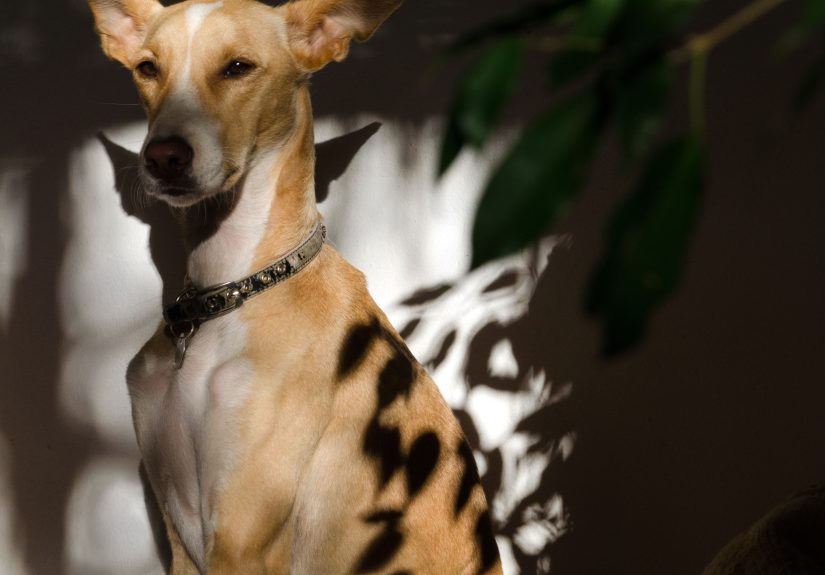
Soft light is your best friend. Early morning, late afternoon, open shade, and bright overcast conditions are usually flattering because they avoid harsh shadows and blown highlights. Dark-coated dogs especially benefit from softer light, which helps reveal detail instead of turning them into a mysterious silhouette with a nose.
Keep backgrounds simple
Busy backgrounds compete with the dog. A clean couch, a patch of grass, a neutral wall, or soft foliage often works better than a background full of laundry baskets, parked cars, and one suspicious garden gnome. Your dog is the subject, not the supporting character in a clutter documentary.
Work in short sessions
Most dogs do better with quick, upbeat sessions than long marathons. A few great minutes can beat half an hour of fading patience. Stop while your dog is still successful and interested. That way the next session starts with good feelings instead of, “Oh no, not this weird camera job again.”
Use rewards your dog actually cares about
Positive reinforcement works best when the reward matters to the dog, not when it is simply what the human happened to grab from the pantry. Some dogs will do anything for chicken. Others would rather chase a ball, tug a toy, sniff the grass, or hear enthusiastic praise. The better you know your dog’s real currency, the easier it becomes to shape attention and happy participation.
Try cues, not force
Basic cues like sit, down, stay, touch, and “look at me” are incredibly useful for dog portraits. They create structure without turning the shoot into a wrestling match. A dog who understands a cue and is rewarded for it feels more confident than a dog who is physically pushed into place like a furry ottoman.
How to Get Better Expressions Without Overdoing It
Great dog expressions often come from tiny changes in attention. A soft whistle, a squeaky toy, a rustling treat bag, or an unusual sound can create that magical alert face with lifted ears and bright eyes. Use those tricks sparingly. If you keep firing off noises every two seconds, your dog may go from curious to confused to personally offended.
Instead, think like a director with timing. Wait until the dog is settled. Make one small sound. Capture the reaction. Reward. Reset. Repeat only as needed.
Some of the best expressions also happen between poses. The blink after a treat. The proud look after a successful cue. The little head turn when your dog hears a familiar word. Those are the moments that feel personal because they are real.
What Not to Do During a Dog Photo Shoot
Do not crowd the dog’s face
Many dogs tolerate cameras better when you respect their space. Shoving a lens close to the face can feel intrusive, especially for shy or sensitive dogs. If your dog leans away or looks uncomfortable, increase the distance and let the zoom do the work.
Do not confuse “still” with “happy”
A very still dog is not always a cooperative dog. Sometimes stillness is tension. If the body looks frozen or the expression looks hard, pause and reassess instead of congratulating yourself on “finally getting compliance.”
Do not ignore stress signals because the pose looks cute
A tucked tail and worried eyes are not adorable styling choices. They are information. Good pet photography respects the dog first and the image second.
Do not risk safety for the aesthetic
Off-leash photos are not worth it in unsafe places. Many photographers keep dogs safely secured and remove a lead later in editing when appropriate. The glamorous portrait is not improved by an emergency sprint into traffic.
How to Photograph Different Dog Personalities
The extrovert
This dog loves attention, movement, and perhaps the sound of her own legend. Lean into action shots, playful sequences, and expressive head tilts. Fast rewards and quick pacing help keep momentum high.
The thinker
This dog gives you soulful stares and the emotional depth of an indie film actor. Slow down. Use quiet environments, eye-level framing, and softer cues. Let the dog settle into the scene rather than hyping everything up.
The shy star
This dog may need distance, patience, and very little pressure. Photograph from farther away at first. Avoid looming over her. Let her investigate the space and the camera on her own terms. Reward curiosity generously.
The chaos goblin
This dog has one pose: motion. Great. Stop fighting it. Capture running, jumping, spinning, and post-play grins. Some dogs are not portrait models. They are sports photographers’ dream clients.
Why Human Energy Changes the Photo
Dogs are excellent readers of human tension. If you are frustrated, rushed, or visibly stressed, your dog often notices. That can affect posture, expression, and willingness to engage. The camera may technically be pointed at the dog, but the emotional weather in the room belongs to both of you.
This is why calm, reward-based sessions usually produce better images. You are not just teaching a behavior. You are building trust. When a dog learns that the camera predicts treats, praise, play, and clear communication, the shoot stops feeling strange and starts feeling like a game she can win.
The Real Secret to Canine Supermodel Photos
The best dog portraits are not really about perfection. They are about recognition. You are trying to capture the thing that makes your dog unmistakably herself. The mischievous eyebrow. The dramatic sit. The proud chest. The side glance that says she is aware of her angles and disappointed in yours.
When people say a dog “tells them” how she wants to be photographed, that is usually what they mean. Not psychic communication. Not diva behavior. Just a very honest animal showing, through body language and preference, what feels good, what feels wrong, and when the moment is right.
Listen closely enough, and your dog absolutely becomes your best photography coach. A furry, unlicensed, highly opinionated coach who demands payment in cheese.
Experience: Living With a Dog Who Thinks Every Walk Is a Photo Shoot
Living with a photogenic dog changes the way you move through the world. At first, I thought I was the one taking pictures. Then I realized my dog had quietly turned me into unpaid staff. She would stop in the exact patch of soft evening light, glance over her shoulder, and hold the pose just long enough for me to fumble with my phone like a confused intern at fashion week.
Over time, I noticed patterns. She hated when I leaned over her too quickly, but she loved when I crouched down and let her come toward me. She lost interest the second I dragged a session on too long, but she gave me wonderful expressions in the first few minutes when everything felt like a game. She looked her best when I stopped obsessing over “perfect” and started paying attention to her rhythm.
There were days when I wanted a graceful portrait and she wanted action shots only. Fine. We did zoomies. There were days when I brought treats and discovered that praise worked better because she was too excited to chew. There were also days when she clearly was not in the mood, and that taught me the most. The worst photos usually came from my insistence, not her attitude.
One afternoon, I tried to photograph her in a busy park because the background looked gorgeous. She gave me flattened ears, quick lip licks, and that unmistakable expression that said, “I do not approve of this venue.” I finally stopped, moved to a quieter side path, and within minutes she softened. Same dog. Same camera. Totally different result. That was the day I stopped believing good dog photography was mostly about equipment.
Another lesson came from rainy mornings at home. I assumed indoor photos would feel dull, but she taught me otherwise. Near a window, with soft light falling across the floor, she became calm and thoughtful. The photos from those sessions are some of my favorites because they look like her real life, not a performance. She is not “posing” in them so much as existing beautifully, which is honestly a talent she has refined to an art form.
I also learned that tiny rituals matter. A familiar blanket. A cue she knows well. A break after a few good frames. A little celebration when she nails the look. These things build trust, and trust shows up in pictures. You can see it in the eyes. You can feel it in the posture. The dog looks less like she has been arranged and more like she has agreed.
Now when people ask how I get such expressive photos, I usually disappoint them with the truth. I do not have a magic setting. I have a dog who communicates clearly and a growing ability to listen. She tells me when the light is wrong, when the angle is rude, when the session is over, and when she is ready to give me a face so dramatic it deserves its own magazine cover. My job is mostly to notice.
So yes, my dog is a super model of the world. Not because she is perfectly still, perfectly trained, or permanently camera-ready. She is a supermodel because she has presence. She has preferences. She has a point of view. And once I started respecting that, the photos got better, the sessions got easier, and our time together got a lot more joyful. That may be the most useful photography lesson she has ever taught me: the best pictures happen when your subject feels seen, not managed.
Conclusion
Photographing dogs well is not about overpowering the moment. It is about reading it. When you understand canine body language, use soft light, keep sessions short, and reward what you want, your dog stops feeling like a chaotic subject and starts feeling like a creative partner. The result is not just a prettier image. It is a truer one. Your dog’s personality comes through, and that is what makes a portrait memorable. Let her have opinions. Let her move. Let her tell you when the shot works. Odds are, your best model has been directing the whole thing from day one.