Table of Contents >> Show >> Hide
- What “Healthy Nails” Usually Look Like
- The Nail Health Chart
- Common Nail Problems, Explained (Without the Doom Scroll)
- 1) Nail Fungus: The Slow-Moving Houseguest
- 2) Paronychia: When a Hangnail Turns Into a Neighborhood Dispute
- 3) Ingrown Toenails: Your Toe Is Not a Sandwich
- 4) Nail Psoriasis: The “It’s Not Just Skin” Plot Twist
- 5) Beau’s Lines and Ridges: The Nail’s “We Had an Event” Timeline
- 6) Spoon Nails (Koilonychia): Sometimes a Nutrition Clue
- 7) Clubbing: A Shape Change You Shouldn’t Ignore
- 8) Green Nail: Moisture + Lifting = Perfect Conditions for Trouble
- 9) Dark Streaks: When to Watch, When to Act
- At-Home Nail Care That Actually Helps
- When to See a Clinician (The “Don’t Wait” List)
- Conclusion: Your Nails Don’t Need PerfectionThey Need Attention
- Real-Life Nail Experiences (Because Charts Are Great, But Life Is Messy)
- Reference Key (No Links)
Your nails are basically tiny, portable “status updates” for your hands and feet. Most of the time they’re just… nails.
But sometimes they change color, texture, thickness, or shapeand that can be a clue about irritation, infection, injury,
or (occasionally) something bigger going on in your body. The goal of this guide isn’t to turn you into a nail detective
who interrogates every ridge. It’s to help you spot what’s common, what’s fixable at home, and what deserves a professional look.
Quick heads-up: This article is for general education, not diagnosis. If you’re a teen, loop in a parent/guardian before using
medications or supplements, and get a clinician’s advice for anything painful, spreading, or persistent.
What “Healthy Nails” Usually Look Like
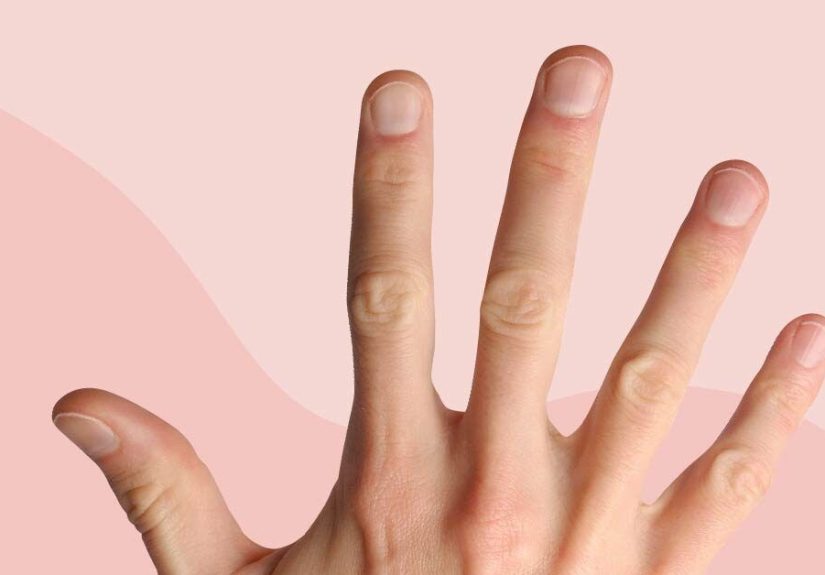
Healthy nails are generally smooth, evenly colored, and firmly attached to the nail bed. They’re made mostly of keratin,
and they grow from the nail matrix under the cuticle area. Fingernails typically grow around a few millimeters a month,
so changes may take weeks to months to fully grow out (toenails are slower). [1]
How to Use a Nail Health Chart Without Spiraling
- Compare both hands/feet. One nail acting weird often suggests local trauma or infection. Many nails acting weird can suggest irritation, illness, or a systemic issue.
- Track timing. A line that appeared after a fever or stressful illness may “move forward” as the nail grows out.
- Look at the skin, too. Redness, swelling, pus, itching, or scaling around the nail often matters as much as the nail itself.
- When in doubt, photograph it. A weekly photo (same lighting) is surprisingly helpful if you end up seeing a clinician.
The Nail Health Chart
Use this chart as a starting point. Nails can look similar in different conditions (for example, nail psoriasis and nail fungus can overlap),
so persistent changes deserve a proper evaluation. [6]
| What You Notice | Common Causes | What You Can Do Now | Typical Medical Treatment | When to Get Checked |
|---|---|---|---|---|
| Thick, yellow/white, crumbly nail (often toes) | Fungal infection (onychomycosis), sometimes psoriasis or trauma | Keep nails trimmed and dry; change socks; disinfect clippers; avoid sharing nail tools | Topical antifungals for mild cases; oral antifungals for more stubborn infections; sometimes nail trimming/debridement [2] | If it spreads, hurts, separates, you have diabetes/poor circulation, or it doesn’t improve after several weeks |
| Red, swollen, tender skin around the nail (may have pus) | Paronychia (bacterial or fungal), often after hangnails, nail biting, or wet work | Warm soaks; keep clean and dry; don’t pick or cut the cuticle | Topical/oral antibiotics and/or antifungals; drainage if an abscess forms [3] | Fever, spreading redness, severe pain, visible pus pocket, or no improvement quickly |
| Nail corner digging into skin (toe pain, swelling) | Ingrown toenail, often from tight shoes or curved trimming | Warm soaks; roomy shoes; gently lift the edge with clean cotton/dental floss (if mild); keep dry | Partial nail removal or correction procedures if recurrent or infected [4] | Infection signs, severe pain, recurring ingrowns, or if you have diabetes/poor circulation |
| Pits, “oil spots,” lifting, crumbling | Nail psoriasis; can be associated with psoriatic arthritis | Moisturize nails/cuticles; avoid harsh manicures; keep nails shorter to reduce lifting | Topicals, steroid injections, systemic meds, or biologics depending on severity [5] | If nails become painful, function is affected, or you have joint pain/swelling |
| Horizontal dents/grooves across nail | Beau’s lines (temporary interruption of nail growth from illness, stress, or injury) | Gentle care; don’t buff aggressively; note any recent illness or major stressors | Treat underlying condition; lines usually grow out over time [7] | If multiple nails are affected and you can’t link it to a clear event, or if they recur |
| Spoon-shaped nails (concave, thin) | Koilonychiaoften linked to iron deficiency; can be related to other conditions | Don’t self-prescribe supplements; focus on balanced diet and get evaluated if persistent | Workup and treatment of the underlying cause (often iron deficiency) [8] | If new, worsening, or paired with fatigue, shortness of breath, or other symptoms |
| Bulbous fingertips + nails curving downward | Clubbingcan be inherited, but often associated with heart/lung disease | Don’t panic; do take it seriously and schedule medical evaluation | Testing to identify and treat the underlying condition [9] | Alwaysespecially if new or worsening |
| Green-black discoloration (often after nail lifting) | “Green nail” (often Pseudomonas) in moist environments; sometimes with onycholysis | Keep dry; avoid occlusive coverings; stop picking; consider clinician-guided soaks | Topical antibiotics; nail care; occasionally nail removal if stubborn [10] | If it spreads, smells foul, is painful, or you’re immunocompromised |
| White spots or streaks | Leukonychiaoften minor trauma; sometimes related to medications/illness | Leave it alone; it often grows out; avoid aggressive manicures | Evaluate if persistent, widespread, or paired with other symptoms [11] | If many nails are affected, or it’s new and unexplained |
| Dark vertical streak (especially one nail) | Benign melanonychia, trauma, medication effectsor rarely nail melanoma | Take a photo; note if it’s changing; don’t try to “scrape it off” | Dermoscopy and possibly biopsy to rule out melanoma [12] | Urgently if it’s new, widening, irregular, or pigment spreads onto surrounding skin |
| Nail lifting (onycholysis) + debris underneath | Trauma, psoriasis, fungal infection, irritants, thyroid issues | Trim back lifted nail (carefully); keep dry; avoid polish over lifting; reduce chemical exposure | Testing for fungus; treat underlying cause; protect from irritants [6] | If pain, spreading, or persistent lifting |
| Brittle, splitting, peeling nails | Frequent wet/dry cycles, chemicals, acetone, aging, skin conditions, nutrient deficiency, meds | Moisturize daily; gloves for wet work; limit acetone; gentle filing; short nails | Address underlying causes; clinicians may discuss biotin for some people [13] | If sudden onset, severe breakage, or paired with other health changes |
Common Nail Problems, Explained (Without the Doom Scroll)
1) Nail Fungus: The Slow-Moving Houseguest
Nail fungus often starts as a pale spot near the tip of the nail and slowly becomes thicker, discolored, and crumbly.
Toes are common targets because shoes can trap warmth and moisture. [2]
Why it’s tricky: Nails grow slowly, and antifungal treatment takes time. Even when treatment is working,
the “good nail” has to grow in to replace the damaged part. That’s why a quick fix is rareand why anyone promising an overnight cure is selling something.
What actually helps: If the case is mild, topical prescriptions can work, especially when used consistently.
For more involved infections, clinicians may recommend oral antifungals because they tend to be more effective for deeper infections. [2]
If you have liver disease, take other medications, or you’re a teen, a clinician should weigh risks and interactions before any oral meds.
2) Paronychia: When a Hangnail Turns Into a Neighborhood Dispute
Paronychia is an infection/inflammation of the skin around the nail. Acute cases often show up fast: redness, swelling, tenderness,
sometimes pus. Chronic cases can linger, especially with frequent water exposure or irritants. [3]
- Home care for mild cases: warm soaks, gentle drying, protect the area from moisture.
- What to avoid: cutting cuticles (they’re a protective seal), biting/picking, and “digging out” pus.
If an abscess forms, it may need drainagethis is not a DIY project. (Your future self would like to keep all fingers intact, thanks.)
3) Ingrown Toenails: Your Toe Is Not a Sandwich
Ingrown nails happen when the nail edge grows into surrounding skin, causing pain and inflammation. Tight shoes and curved trimming can contribute.
Mild cases may improve with soaks and careful lifting of the nail edge. [4]
If there’s infection (increasing redness, pus, warmth) or you have risk factors like diabetes or poor circulation, seek care promptly.
Foot infections can escalate faster than people expect.
4) Nail Psoriasis: The “It’s Not Just Skin” Plot Twist
Nail psoriasis can cause pitting, crumbling, discoloration (sometimes described as an “oil drop” or salmon patch),
thickening under the nail, and nail lifting. [5]
One reason it matters: nail psoriasis can be linked with psoriatic arthritis. If you have nail changes plus joint pain, swelling,
or morning stiffness, mention both to your clinician. [5]
5) Beau’s Lines and Ridges: The Nail’s “We Had an Event” Timeline
Beau’s lines are horizontal dents that can appear when nail growth temporarily slows or pausesoften after illness, injury, or significant stress.
The lines usually grow out over time as new nail forms. [7]
Vertical ridges are also common and can be harmless, but sudden changes across many nails can justify a check-in.
6) Spoon Nails (Koilonychia): Sometimes a Nutrition Clue
Spoon-shaped nails can be associated with iron deficiency, among other causes. Because there are multiple possibilities,
the safest move is evaluation rather than guessing (especially before taking supplements). [8]
7) Clubbing: A Shape Change You Shouldn’t Ignore
Clubbing can look like rounded fingertips and nails that curve downward. It can be inherited, but it’s also associated with certain heart and lung conditions.
This is a “book an appointment” sign, not a “wait and see forever” sign. [9]
8) Green Nail: Moisture + Lifting = Perfect Conditions for Trouble
Green discoloration can happen when certain bacteria thrive under a nail that’s lifted or constantly moist. Keeping the nail dry and avoiding trauma helps,
but persistent cases often need targeted topical treatment. [10]
9) Dark Streaks: When to Watch, When to Act
A brown or black streak can come from harmless pigment changes, trauma, or medications. But a new or changing dark streak in a single nailespecially if it’s widening,
irregular, or pigment spreads onto the surrounding skinshould be evaluated to rule out nail melanoma. [12]
At-Home Nail Care That Actually Helps
Daily basics
- Moisturize nails and cuticles (yes, nails get thirsty tooespecially after handwashing).
- Use gloves for dishwashing/cleaning to reduce wet-dry cycles and chemical exposure.
- Trim straight across on toenails and avoid digging into corners.
- Disinfect tools and don’t share clippers, files, or buffers.
Manicures, gels, acrylics: proceed with strategy
Artificial nails and aggressive removal can worsen brittle or damaged nails, especially if they’re used to “cover up” an existing problem.
If you love nail art, consider taking breaks, choosing gentle removal methods, and avoiding harsh scraping. [14]
When to See a Clinician (The “Don’t Wait” List)
- Severe pain, swelling, warmth, pus, or fever
- Rapidly spreading redness or red streaks up a finger/toe
- A new or changing dark streak in one nail, especially with pigment on surrounding skin
- New clubbing (shape changes of fingertips/nails)
- Persistent nail lifting or major thickening/discoloration
- Higher-risk situations: diabetes, poor circulation, immune suppression, or repeated infections
Conclusion: Your Nails Don’t Need PerfectionThey Need Attention
Most nail issues come down to a short list: moisture, microbes, trauma, and irritation (with a few “body-wide clue” conditions mixed in).
The nail health chart helps you decide what’s likely, what’s safe to try at home, and what should be evaluated sooner rather than later.
When something looks unusual and persists, don’t waste months experimentingget it checked. Nails grow slowly, but peace of mind can be fast.
Real-Life Nail Experiences (Because Charts Are Great, But Life Is Messy)
If you’ve ever noticed a nail change and immediately thought, “Well, this is it. I’m turning into a fungus,” welcome to the human club.
In real life, nail problems usually show up in predictable momentsright after a big lifestyle change, a new habit, or a minor injury you barely remember.
Here are some common scenarios people run into, and what they often learn from them.
The “Runner’s Black Toenail” Moment
Someone starts walking more, training for a 5K, or suddenly decides stairs are a personality trait. A few weeks later: a dark bruise under a toenail.
It looks dramatic, like the nail got into a bar fight. In many cases, it’s traumashoe pressure or repeated impact.
The lesson people learn: nails hate cramped shoes. A slightly roomier toe box can prevent a lot of drama. Also, bruising should grow out with the nail.
But if a dark mark doesn’t move forward as the nail grows, or it starts to look like a streak rather than a bruise, that’s when people wisely stop guessing and get evaluated.
The Dishwasher/Handwashing Trap
A parent with constant dish duty, a barista washing pitchers nonstop, or a student in a labanyone doing frequent wet workmay notice peeling, splitting,
and rough cuticles. Nails go brittle because they’re repeatedly soaked and dried, which strips moisture. Then a hangnail appears.
Then the hangnail gets picked. Then the skin around the nail gets red and sore. Suddenly it’s paronychia, and the finger is throbbing like it’s trying to send Morse code.
The “aha” moment here is simple: gloves and moisturizer are not vanitythey’re prevention. People who start protecting hands from repeated moisture exposure
often see improvement within weeks, even before the nail fully grows out.
The “I Got Gels Once and Now My Nails Are Paper” Episode
Many people don’t have issues with gels or acrylics until removal day. The nail plate gets over-filed, scraped, or soaked in harsh removers repeatedly,
and suddenly nails bend like a thin plastic spoon. People often try to fix it by adding more product on top (understandable), but covering damaged nails can keep the cycle going.
The practical experience: taking a break, keeping nails shorter, moisturizing daily, and letting healthy nail grow in tends to help more than chasing the strongest “hardener.”
And if the nail looks infected or lifted, it’s better to address the cause than camouflage it.
The “Green Tint After Swimming” Surprise
Someone notices a greenish stain on a nailoften after frequent swimming, sweaty socks, or keeping polish on a lifted nail for too long.
The color can be alarming (it’s giving “alien slime”), but the pattern is often the same: moisture gets trapped where the nail has lifted from the nail bed,
and bacteria move in because it’s basically a tiny humid apartment under the nail. People usually improve once they stop trapping moisture:
drying carefully, avoiding occlusive coverings, trimming back lifted parts (carefully), and getting targeted treatment if needed.
The “White Spots That Spark a Vitamin Panic”
White spots are a classic reason people suddenly decide they must be deficient in everything. In reality, minor traumalike bumping the nail, picking at polish,
or a rough manicurecan cause white marks that grow out. The real-life takeaway is reassuring: if you’re otherwise well and it grows out, it’s usually not an emergency.
But if most nails change color or texture at once, that’s when it makes sense to check in with a clinician rather than Google your way into a spiral.
The “One Weird Streak” That People Are Glad They Didn’t Ignore
A single dark streak on one nail is the scenario where people often say, later, “I’m glad I got it checked.”
Sometimes it’s benign pigment, a medication effect, or trauma. But because nail melanoma can also appear as a dark band,
clinicians take new or changing streaks seriouslyespecially if it widens, looks irregular, or pigment shows up on the skin next to the nail.
Real talk: getting evaluated is not overreacting. It’s efficient.
Across all these experiences, the pattern is the same: nails respond best to boring consistencydry where they should be dry, moisturized where they should be moisturized,
protected from unnecessary trauma, and professionally evaluated when something is new, painful, spreading, or persistent. Your nails don’t need a luxury lifestyle.
They need you to stop treating them like scratch-off tickets.
Reference Key (No Links)
- Cleveland Clinic / NIH (nail anatomy & growth basics)
- American Academy of Dermatology & Mayo Clinic (nail fungus)
- Cleveland Clinic & MedlinePlus (paronychia)
- Cleveland Clinic (ingrown toenails)
- American Academy of Dermatology (nail psoriasis)
- NIH (nail psoriasis differentials)
- Cleveland Clinic (Beau’s lines)
- MedlinePlus & Cleveland Clinic (spoon nails)
- Cleveland Clinic (nail clubbing)
- American Academy of Family Physicians (green nail discoloration)
- MedlinePlus (nail abnormalities)
- American Academy of Dermatology (nail melanoma checks)
- Mayo Clinic (healthy nail care; biotin note)
- American Academy of Dermatology (artificial nails and damage)