Table of Contents >> Show >> Hide
- What Is a Napoleon Bust Candle, Exactly?
- Why Napoleon Keeps Showing Up in Décor (Even If You Didn’t Ask)
- From Serious Sculpture to “Candlecore”: The Rise of the Art Candle
- The Material World: Wax, Wicks, and What You’re Actually Buying
- How to Burn a Napoleon Bust Candle Without Reenacting Waterloo
- Decorating With Napoleon: Styling Ideas That Look Intentional
- Buying Guide: How to Pick a Napoleon Bust Candle That Won’t Disappoint
- DIY Corner: Make Your Own Napoleon Bust Candle (Without Turning Your Kitchen Into a War Zone)
- Gift Ideas: Who Actually Wants a Napoleon Bust Candle?
- Conclusion: A Little Emperor With Big Decor Energy
- of Experiences: Living With a Napoleon Bust Candle
Somewhere between “serious art object” and “absolutely unhinged conversation starter” lives a very specific home décor hero: the Napoleon Bonaparte bust candle. It’s a candle shaped like the Emperor’s head and shouldersbecause why settle for a plain cylinder when you can light history on fire (responsibly) on your coffee table?
These sculptural bust candles aren’t just novelty. They’re part of a bigger shift in home fragrance and décor: candles have gone from background ambiance to center-stage styling pieces. And Napoleontiny man, giant legacy, unlimited merch potential is weirdly perfect for it.
What Is a Napoleon Bust Candle, Exactly?
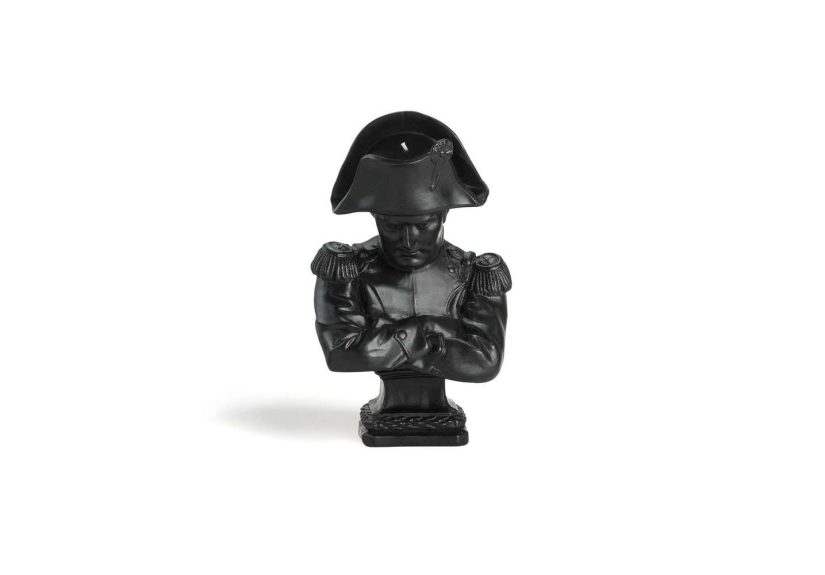
A Napoleon bust candle is a three-dimensional candle molded as a classical-style bust of Napoleon Bonaparte. Some are minimalist and modern (clean lines, matte wax, single wick). Others lean museum-replica dramatic: sharp lapels, formal posture, and that unmistakable “I’m about to reorganize Europe” energy.
Many bust candles are unscented so the sculptural vibe stays the star, but you’ll also find scented versionsespecially in the broader “bust candle” category. The key difference from regular candles is that the shape is the point. You’re buying a candle that doubles as a décor object, even before it’s lit.
Why Napoleon Keeps Showing Up in Décor (Even If You Didn’t Ask)
Napoleon’s visual brand is basically unbeatable. A recognizable silhouette, a mythic narrative (rise, rule, fall, legend), and a long history of portrait-making that turned him into an icon. During his era, his image and symbols were used everywhereobjects, prints, sculpturesbecause visibility was power. Fast-forward a couple centuries and that same “iconic face on everything” logic makes him a natural fit for collectible décor.
Add the design angle: Napoleon-era aesthetics helped popularize the Empire style, a neoclassical look built on symmetry and references to ancient Rome and Greece (think laurel wreaths, eagles, formal geometry, and “I own at least one gilt object” confidence). Bust candles slide neatly into that neoclassical-to-modern pipeline: classical form, modern function.
From Serious Sculpture to “Candlecore”: The Rise of the Art Candle
Home décor trends have been nudging candles toward sculpture status for a while: twisted tapers, ribbed pillars, body-shaped candles, columns, and busts. Social feeds love anything that photographs well and looks curated without trying too hard (even though it is, in fact, trying very hard). Bust candles check every box: they’re graphic, historical, and slightly absurdin the best way.
Interior styling also shifted from “matchy-matchy sets” to “collected objects.” Designers mix old and new, rough and polished, serious and playful. A Napoleon bust candle can act like a mini statue in a vignetteespecially when paired with books, a tray, or a single dramatic candle holder.
The Material World: Wax, Wicks, and What You’re Actually Buying
Wax types: why it matters
Bust candles show up in a range of waxes and blends. You’ll commonly see:
- Vegetable/vegetal wax blends (often positioned as premium, smooth-finish wax that holds crisp detail and burns cleanly).
- Soy wax (popular for a softer, creamy lookoften associated with “modern artisan” sculptural candles).
- Paraffin wax (a classic candle material that can deliver strong scent throw in scented candles and holds shape well).
- Beeswax (less common for bust candles due to cost and color limits, but prized for its traditional vibe and subtle honey tone).
Practical note: in candle-making circles, paraffin is often discussed as having stronger scent throw than soy in many setups, while soy can be denser and behave differently with fragrance and cure time. For an unscented Napoleon bust candle, the wax choice is less about “how strong will it smell” and more about finish, detail, and burn behavior.
Wicks: the hidden engineering
Bust candles may have a cotton wick, a wood wick, or multiple wicks depending on size and design. The wick affects how evenly the candle burns and how dramatic the melt becomes. A single wick centered at the top is common for bust designs, but keep expectations realistic: sculptural candles rarely burn like perfect cylinders. That’s not a flawit’s physics doing its job.
Scented vs. unscented: choose your vibe
If you want the object to feel like a mini statue, go unscented. If you want it to perform as a room fragrance, go scented, but pay attention to room size and burn time so the scent doesn’t overpower (or disappear after a marathon burn session).
How to Burn a Napoleon Bust Candle Without Reenacting Waterloo
Bust candles are more “living sculpture” than “set-and-forget.” If you burn one, plan for drips and character development. Here’s how to do it safely and cleanly:
1) Put him on a proper battlefield (aka a heat-safe tray)
Always place the candle on a stable, heat-resistant surfacea ceramic plate, metal tray, or stone coaster. Bust candles can drip in unexpected directions because the shape channels melt wax down slopes (Napoleon would approve of strategic flow).
2) Trim the wick like you mean it
Trim the wick to about ¼ inch before each burn. This helps prevent high flames, smoking, and soot. Bust candles have a lot of contours, so keeping the flame controlled is the difference between “romantic glow” and “tiny torch of chaos.”
3) Avoid drafts (your air vent is not a fan club)
Keep your candle away from open windows, fans, and vents. Drafts can cause flickering flames, uneven burning, and extra dripsturning a dignified bust into a melted modern-art moment faster than you can say “continental blockade.”
4) Don’t burn forever
In general, don’t burn a candle longer than about 3–4 hours at a time. Longer burns can lead to overheating, carbon buildup on the wick, smoking, and reduced scent performance for scented candles. Extinguish, let it cool, then relight later.
5) Extinguish cleanly
Blowing out candles can throw soot and disturb the wax pool. A snuffer (or a gentle wick dip if you know what you’re doing) helps keep things tidy. If your Napoleon bust candle is unscented and purely decorative, you may decide that “not burning it” is the cleanest candle care tip of all.
Decorating With Napoleon: Styling Ideas That Look Intentional
The easiest way to make a Napoleon bust candle look expensive (even if you scored it on a lucky sale) is to style it like a sculpture: give it space, a base, and a supporting cast.
Bookshelf command center
Place the bust on a stack of hardcover bookshistory, design, or artthen add one small object (a match striker, a paperweight, a tiny vase). The goal is “curated study,” not “gift shop shelf.”
Mantel moment
Mantels love candlelight. Keep the surrounding décor simple so the form reads clearly: one or two complementary candle holders, a framed print, and the Napoleon bust as the focal point. If you’re mixing metals, keep it consistent enough that your eye doesn’t get confused.
Dining table centerpiece (with rules)
A bust candle can anchor a table vignette on a tray with seasonal accentscitrus, greenery, or minimalist ceramics. If you burn it at dinner, keep it away from hanging linens and never leave it unattended. (Napoleon conquered many things; your napkin should not be one of them.)
Buying Guide: How to Pick a Napoleon Bust Candle That Won’t Disappoint
Look for crisp detail and a clean finish
High-quality bust candles show sharp facial features and smooth planes without pitting or rough seams. Some premium versions are hand-finished to remove mold linessmall detail, big difference.
Decide whether it’s décor-first or burn-first
Some luxury bust candles are marketed primarily as collectible wax sculptures (and certain retailers even suggest they’re better admired than burned). If you know you want to burn it, choose a version that clearly lists wick type, wax type, and basic care guidanceand accept that the sculpture will change as it burns. That’s the trade.
Choose the right scale
A larger bust (around 9–10 inches tall) reads like a statement object and works best on mantels, consoles, or desks. Smaller bust candles are easier to style in clusters or on shelves. Size also affects how quickly it will visually “transform” if burned.
Shipping and storage matter (yes, even for emperors)
Sculptural candles can dent if poorly packed, and heat can soften wax during shipping. Once it arrives, store it in a cool, dry place away from direct sunlight so it doesn’t fade or warpespecially if it’s colored wax.
DIY Corner: Make Your Own Napoleon Bust Candle (Without Turning Your Kitchen Into a War Zone)
If you’re crafty, making a bust candle can be a satisfying weekend project. The simplified overview:
- Get a mold: Silicone molds are popular for sculptural candles because they release detail well.
- Pick a wax: Choose a wax that sets firmly enough to hold detail and matches your goal (decor or burn).
- Wick it properly: Centering and stabilizing the wick is crucialespecially in a sculpted top.
- Pour carefully: Slow pours help reduce bubbles and preserve sharp features.
- Unmold and finish: Trim imperfections and ensure the base sits flat on a tray.
Safety reminder: melting wax involves heat and flammabilityuse proper equipment, avoid water near hot wax, and follow manufacturer instructions for wax temperature and handling. If you’re new to candle making, start with a simpler pillar shape before graduating to Napoleon’s cheekbones.
Gift Ideas: Who Actually Wants a Napoleon Bust Candle?
- The history buff who owns at least one book with “Europe” in the title.
- The design friend who says “sculptural” the way other people say “cute.”
- The office-gift exchange crowd where everyone pretends they didn’t bring a weird gift on purpose.
- The Francophile who believes butter is a personality trait.
Pair it with elegant matches, a small tray, or a subtle fragrance item and you’ve got a gift that feels thoughtful, not random. (Even though it is, objectively, a candle of Napoleon.)
Conclusion: A Little Emperor With Big Decor Energy
Napoleon Bonaparte bust candles are the rare home item that can be classy, funny, and genuinely stylish at the same time. They work as sculpture, they work as candlelight, and they work as a stealth personality test for your guests (“Do you love it?” vs. “Why is he watching me?”). Whether you collect a luxury wax bust as décor or actually light the wick and let the legend melt a little, the appeal is the same: it’s history you can style.
of Experiences: Living With a Napoleon Bust Candle
The first experience of a Napoleon bust candle is the unboxingbecause sculptural candles arrive with the emotional intensity of fine china. There’s usually a moment where you hold it by the base like it’s an artifact, rotate it under the light, and think, “Wow. This is either art or a prank, and I love that I can’t tell which.”
On day one, most people don’t even burn it. They place it somewhere highly visibledesk, mantel, bookshelfthen walk past it repeatedly like a museum guard. You’ll notice how it changes the vibe of a room. A plain tray suddenly feels curated. A stack of books looks smarter. Your living room starts giving off “minor European palace” energy, even if the rest of your décor is “three throw pillows and a charging cable.”
Then comes the guest factor. Napoleon bust candles are social magnets. Someone will pick it up (politely, but inevitably), and someone else will say, “Is that… Napoleon?” The candle becomes a tiny stage prop for jokes about ambition, short kings, and dramatic exits. If you’re hosting, it’s a free icebreaker. If you’re introverted, it’s your conversational bodyguard: the candle will do the talking first.
Eventually, curiosity wins and you light it. The flame is oddly dignified at firstsmall, controlled, like the candle is trying to behave. But sculptural candles are honest: heat reveals their true personality. After a while, you’ll see the wax start to soften around the wick, creating a glossy pool that catches light like lacquer. The first drip is the moment you realize you are no longer in “perfect object” territory. You’re now collaborating with physics.
If you’ve prepared with a proper tray, the experience is satisfying instead of stressful. Drips form along lapels and shoulders like slow-motion sculpture. Some people describe it as watching a time-lapse of a statue becoming modern art. You might even prefer it halfway-burnedbecause now it has a story. It’s no longer a showroom piece; it’s a lived-in object, like a favorite book with dog-eared pages.
The biggest surprise is how quickly your relationship with the candle changes. At first, you’re protective. By the third burn, you’re philosophical. “Yes,” you’ll think, “all empires melt eventually.” Dramatic? Absolutely. But that’s kind of the point. A Napoleon bust candle is décor with narrative. It’s form, function, and a little bit of theaterright there on your shelf, quietly waiting to steal the scene again.