Table of Contents >> Show >> Hide
- What Nature Lovers’ Gardening Really Means
- Start With Native Plants, Not Just Pretty Plants
- Design for Continuous Bloom and Four-Season Life
- Create Layers Like a Real Habitat
- Leave Some Mess on Purpose
- Healthy Soil Makes a Healthier Garden
- Water Wisely, Especially Where Weather Gets Weird
- Use Fewer Chemicals and More Observation
- Make Room for Birds, Bees, Butterflies, and the “Uncelebrated” Crowd
- Nature Lovers’ Gardening With an Edible Twist
- Common Mistakes to Avoid
- The Experience of Nature Lovers’ Gardening
- Conclusion
- SEO Tags
Some people garden for prettier patios. Some garden for tomatoes the size of softballs. And some of us look at a yard and think, “What if this space could hum, flutter, rustle, and actually feel alive?” That is where nature lovers’ gardening begins. It is not about creating a flawless magazine spread where every tulip stands at attention like it is waiting for inspection. It is about building a space that welcomes beauty and biology at the same time.
Nature lovers’ gardening blends design, observation, and ecology. A good garden still looks lovely, but it also feeds pollinators, shelters birds, supports beneficial insects, improves soil, and makes your outdoor space feel less like a stage set and more like a living neighborhood. In other words, the goal is not perfection. The goal is participation. You are not just arranging plants. You are inviting life to move in.
Done well, this kind of gardening is rewarding in every season. Spring brings emerging bees and early blooms. Summer turns the garden into a tiny airport for butterflies, hummingbirds, and dragonflies. Fall offers seed heads, berries, and golden textures. Winter reveals structure, nests, bark, and the quiet beauty of a landscape that still has work to do even while you are inside holding hot coffee and pretending you enjoy cold weather.
What Nature Lovers’ Gardening Really Means
At its heart, nature lovers’ gardening is about growing with nature instead of constantly fighting it. That means choosing plants that belong in your region, caring for soil as if it matters because it absolutely does, and making room for creatures that contribute to a healthy backyard ecosystem. It also means rethinking what a “good” garden looks like.
A nature-friendly garden may include tidy pathways, defined beds, and intentional color combinations, but it also leaves space for useful mess. A few fallen leaves under shrubs are not laziness. They are habitat. Hollow stems left standing through winter are not neglect. They are real estate for beneficial insects. A patch of bare soil in the right place is not unfinished landscaping. It may be exactly what native ground-nesting bees need.
This style of gardening asks a better question than “How do I control everything?” It asks, “How do I create balance?” Once you start seeing your yard as a small ecosystem, your choices get smarter. You water more efficiently. You plant more intentionally. You panic less when a leaf gets chewed, because sometimes that chewed leaf is proof that your garden is doing its job.
Start With Native Plants, Not Just Pretty Plants
If there is one principle that anchors nature lovers’ gardening, it is this: grow native plants whenever possible. Native plants have evolved with local insects, birds, and wildlife over long periods of time. That history matters. These plants are often better adapted to local soils and weather, and they tend to provide the food and shelter that local species actually recognize and use.
That does not mean every non-native plant is evil or that your favorite rose must be escorted off the property at sunrise. It means your garden becomes far more ecologically valuable when the backbone of the planting is native. Think native shrubs, native perennials, native grasses, and native trees that can support food webs above and below the soil line.
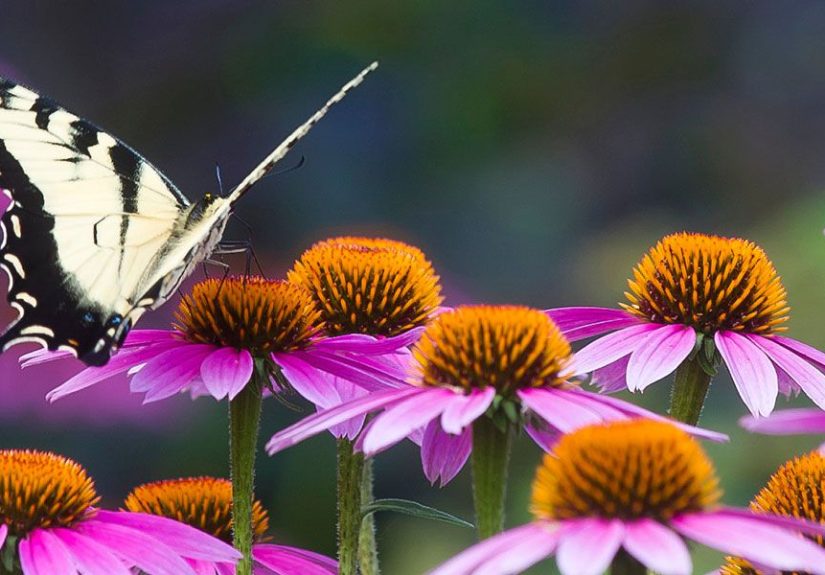
For example, many nature-focused gardeners build their planting plans around regional staples such as serviceberry, oak, viburnum, milkweed, bee balm, goldenrod, asters, coneflower, native sunflowers, or little bluestem. The exact best choices depend on your state, sunlight, soil, and moisture levels, which is why local extension offices and native plant databases are so useful. The point is not to memorize one perfect plant list. The point is to plant species that belong where you live.
Native plants also help solve a practical problem: maintenance. When plants are suited to local conditions, they usually need less fussing, less irrigation once established, and fewer rescue missions involving your garden hose, your guilt, and a sad-looking trowel.
Design for Continuous Bloom and Four-Season Life
A beautiful nature garden is not a one-hit wonder. It should offer something useful in spring, summer, fall, and winter. The easiest way to do that is to plan for bloom succession. Early spring flowers feed emerging pollinators when food is scarce. Summer blooms keep the buffet open. Late-season flowers are essential for insects preparing for migration, reproduction, or winter survival.
Try layering bloom times the way a good host layers snacks at a party. Early bloomers start the welcome table. Summer perennials keep everyone mingling. Fall flowers close the season with style. If everything flowers in June and then the garden goes quiet, you have basically hosted one amazing weekend and then shut down the restaurant for the rest of the year.
Shape matters too. Open-faced flowers can be easier for many pollinators to use. Tubular flowers attract another set of visitors. Flat-topped blooms invite all kinds of beneficial insects. Single flowers are often more useful than heavily doubled blooms that look dramatic but offer less accessible nectar and pollen. Nature appreciates beauty, but it also appreciates not having to file a complaint to reach the buffet.
And do not forget winter interest. Seed heads, berries, ornamental grasses, bark texture, and branching structure all keep the garden visually strong while also supporting wildlife. A garden that still looks intentional in January is not magic. It is smart design.
Create Layers Like a Real Habitat
Nature does not usually arrange itself as one flat row of identical plants. Real habitats have layers. Trees create shade and shelter. Shrubs offer nesting sites and berries. Perennials and grasses fill the middle level with flowers, foliage, and movement. Groundcovers protect soil and provide cover for small creatures. When you copy that layered structure, your garden becomes richer and more resilient.
Even a modest suburban yard can include vertical diversity. A small tree, a few native shrubs, flowering perennials, and a soft understory can transform a plain rectangle of turf into something far more dynamic. Birds will notice. So will butterflies. So will you, especially when your yard stops feeling empty.
If you have only a balcony, courtyard, or tiny patio, you can still garden like a nature lover. Containers can support pollinators, especially when planted with regionally appropriate species and arranged to provide a longer bloom season. Small spaces benefit from repetition, texture, and a strong plant palette. A compact garden can still be ecologically meaningful. Wildlife is not checking your square footage.
Leave Some Mess on Purpose
This may be the hardest lesson for gardeners raised on the religion of tidy mulch volcanoes and spotless fall cleanup: a little mess is incredibly useful. Leaf litter, standing stems, spent flower heads, and fallen twigs support overwintering insects, feed birds, protect soil, and contribute organic matter back to the garden.
Nature lovers’ gardening does not mean abandoning all maintenance. It means being selective. Keep paths clear. Cut back what is diseased. Remove invasive plants. But consider leaving leaves under trees and shrubs, keeping perennial stems up through winter, and delaying major cleanup until spring temperatures are reliably warm. That small change can make your yard more hospitable to beneficial insects and other wildlife.
The trick is to make the mess look intentional. Use edging, paths, repeated plant groupings, and neat borders to signal design. This creates the best of both worlds: ecological value and visual order. Your neighbors will think you are artistic. You will know you are secretly running a luxury winter refuge for insects.
Healthy Soil Makes a Healthier Garden
Nature lovers’ gardening starts below ground. Healthy soil holds water better, supports stronger root systems, reduces erosion, and helps plants cope with stress. It is also full of life. Fungi, microbes, insects, and organic matter create the invisible foundation that keeps the visible garden thriving.
One of the simplest ways to improve soil is to add compost. Compost enriches depleted soil, improves texture, supports plant growth, and can help conserve water. It also turns kitchen scraps and yard waste into something useful instead of something headed for the trash. That is a satisfying little loop: banana peel becomes garden gold, and suddenly your leftovers have a second act.
Mulch matters too, but use it wisely. Natural mulches such as shredded leaves or wood chips help moderate soil temperature, suppress weeds, and conserve moisture. Just do not pile mulch against trunks or stems like you are trying to mummify your plants. Air circulation is still a thing.
If you want to take soil care further, reduce digging where possible, avoid unnecessary chemical inputs, and let roots do more of the work. Deep-rooted native plants and grasses can improve structure over time, making the garden more stable and less thirsty.
Water Wisely, Especially Where Weather Gets Weird
Water-wise gardening is not only for desert climates. Everywhere benefits from smarter water use. A nature-centered garden can reduce runoff, protect water quality, and help plants stay resilient during heat or dry spells. Native plants are often part of the solution because many are adapted to local rainfall patterns once established.
Practical strategies include grouping plants with similar moisture needs, watering deeply rather than constantly, and using mulch to slow evaporation. If your site has a low area that collects water, a rain garden can turn a soggy headache into a functional planting feature. With the right plants, that space can help capture and filter stormwater while adding habitat and visual interest.
Even small changes help. A rain barrel, a redirected downspout, or simply shrinking an unnecessary patch of lawn can reduce waste and make room for more useful plantings. Lawns are fine in moderation, but large stretches of high-maintenance turf are often the least exciting part of a yard for both humans and wildlife. Grass rarely inspires poetry unless somebody just mowed a maze into it.
Use Fewer Chemicals and More Observation
One of the smartest shifts in nature lovers’ gardening is moving from automatic spraying to careful observation. Not every insect is a pest. In fact, many insects in the garden are pollinators, decomposers, or predators that help keep real pests in check. A garden can only develop that balance if everything is not wiped out at the first sign of chewing.
Start with prevention. Put the right plant in the right place. Choose healthy plants. Improve airflow. Rotate edible crops. Hand-pick pests when practical. Encourage beneficial insects with diverse flowering plants. Accept a little imperfection. A leaf with a hole in it is not a national emergency.
If you do need intervention, target the problem carefully and avoid broad, unnecessary pesticide use. This is especially important around flowering plants where pollinators forage. Many gardeners discover that once their yard becomes more biologically diverse, pest outbreaks become less dramatic. The garden begins to regulate itself better. It is almost as if nature has been doing this for a while.
Make Room for Birds, Bees, Butterflies, and the “Uncelebrated” Crowd
A nature garden should support more than the glamorous species. Yes, butterflies are wonderful. So are hummingbirds. But beetles, moths, native bees, wasps, flies, and countless other small creatures do enormous ecological work. Many birds rely on insects, especially soft-bodied caterpillars, to feed their young. That means a bird-friendly garden is often an insect-friendly garden too.
Provide food, water, cover, and places to nest. Include flowering plants, shrubs with berries, layered vegetation, a shallow water source, and pockets of shelter. Leave some stems standing. Allow a little leaf litter. Include host plants for caterpillars and other larvae, not just nectar plants for adults. A garden that only feeds adult butterflies is like opening a café with no housing, no schools, and no grocery store.
And if you really want to hear more birdsong, think beyond feeders. Feeders are helpful, but habitat is better. Trees, shrubs, native grasses, and insect-rich plantings provide long-term value that a seed tube alone cannot match.
Nature Lovers’ Gardening With an Edible Twist
You do not have to choose between wildlife gardening and edible gardening. The most rewarding yards often combine both. Herbs in bloom feed pollinators. Berry shrubs can serve birds and people, though you may need to negotiate with the birds and accept that they are terrible at sharing. Flowering vegetable crops bring in helpful insects. Fruit trees add structure, seasonal beauty, and food.
The key is integration. Tuck native flowers into vegetable beds. Use flowering borders around raised beds. Add a small pollinator strip near herbs. Let some dill, basil, fennel, or chives bloom. Mix beauty with utility. The result feels generous rather than rigid, and it makes the garden more enjoyable for the person doing the planting, weeding, harvesting, and occasional dramatic sighing.
Common Mistakes to Avoid
Going all in without a plan
It is easy to buy every pollinator plant in sight and end up with a chaotic patch that blooms all at once and then collapses into confusion. Start with a basic design: sun, shade, moisture, layers, bloom time, and maintenance needs.
Choosing plants for looks alone
A plant can be beautiful and still do very little for local wildlife. Prioritize plants with ecological value, especially natives suited to your area.
Cleaning up too much
Overly aggressive fall and early spring cleanup removes habitat just when many beneficial species need it most.
Ignoring the soil
Fancy plants in poor soil will not save the day. Build the soil, and the rest of the garden becomes easier.
Expecting instant wilderness
Nature-friendly gardens improve over time. The first year may look promising. The second may feel fuller. By the third, you may suddenly notice that the space has developed a rhythm and visitors of its own.
The Experience of Nature Lovers’ Gardening
One of the greatest surprises in nature lovers’ gardening is how quickly it changes the way you pay attention. At first, you think you are planting a garden. Then one morning you notice a bee disappearing into a blossom you chose months ago, and the whole thing feels less like decorating and more like participating in a living system. That shift is hard to describe until you feel it. The yard stops being background scenery and becomes a place where things are constantly happening.
The experience is deeply sensory. There is the visual pleasure, of course, with flowers opening in sequence and grasses moving in the wind. But there is also sound: the low electric buzz of bees in summer, the rustle of dry seed heads in fall, the soft commotion of sparrows under shrubs, the brief percussion of rain hitting leaves that are finally big enough to matter. Even scent becomes part of the memory. Warm herbs, damp mulch, crushed tomato leaves, and the sweet perfume of blooms at dusk can turn an ordinary evening into something almost cinematic.
There is also a strange emotional comfort in watching a garden become less controlled and more alive. Many people begin gardening because they want calm, but calm does not usually come from forcing every plant into obedience. It comes from noticing patterns. A messy patch that once looked “unfinished” starts to make sense when butterflies use it, birds forage in it, and the soil underneath stays cooler and moister. You begin to trust the process. The garden teaches patience in a way few hobbies do.
Another powerful part of the experience is seasonality. A nature-friendly garden gives you something to anticipate all year long. In spring, you look for the first new shoots and the earliest pollinators. In summer, everything feels abundant and slightly wild, like the garden is throwing a party that got larger than expected. In fall, textures deepen, seed heads catch the light, and migrating visitors may stop by. In winter, what remains still has meaning. Stems stand as architecture. Berries brighten gray days. Tracks in snow remind you that life has not left; it has simply changed its schedule.
Nature lovers’ gardening also tends to make people more observant beyond their own yard. You start noticing street trees, vacant lots, roadside blooms, neighborhood bird calls, and which blocks feel alive versus oddly silent. The garden becomes an education in local ecology. It teaches you what belongs, what struggles, what returns, and what thrives when given half a chance. It can also make you more generous. Gardeners often begin sharing divisions, seeds, plant recommendations, and stories. “Take this aster, it’s fantastic,” becomes a form of community building.
Most of all, this kind of gardening feels meaningful. It is beautiful, but not empty-beautiful. It gives back. It offers nectar, shelter, movement, shade, food, and a reason to step outside more often. It can turn a small patch of ground into a daily reminder that human spaces do not have to exclude the rest of life. They can make room for it. And on a stressful day, there is something deeply reassuring about standing in a garden that is busy with birds, bees, and wind, realizing that the world is still making itself around you.
Conclusion
Nature lovers’ gardening is not a trend that asks you to buy a new identity and twelve matching pots. It is a practical, beautiful approach to growing that makes your space more alive, more resilient, and more rewarding to spend time in. Start with native plants. Build healthy soil. Plan for bloom across the seasons. Reduce chemicals. Leave some habitat in place. Make the garden welcoming to pollinators, birds, and the countless helpful creatures most people never notice.
You do not need a meadow, an estate, or a dramatic reveal sequence. You need curiosity, a little patience, and the willingness to let your garden become more than decoration. Once it does, you may find that the best part of gardening is not what you planted. It is what shows up because you did.