Table of Contents >> Show >> Hide
- Why Zak + Fox’s Japanese-Inspired Textiles Stand Out
- The Japanese References Behind the Collection
- Notable Textiles and What Makes Them Memorable
- How These Textiles Fit into Today’s Interiors
- Why Designers Keep Coming Back to Zak + Fox
- The Emotional Appeal of Japanese-Inspired Textiles
- Experiences with New Japanese-Inspired Textiles from Zak + Fox
- Conclusion
Some fabrics whisper. Zak + Fox’s Japanese-inspired textiles do not. They murmur, rustle, drift, and occasionally make you feel like your living room has been upgraded into the sort of cinematic hideaway where someone very stylish drinks tea, reads poetry, and absolutely never loses the remote. That is part of the appeal. These textiles are not flat decorative afterthoughts. They are mood-setters, conversation starters, and, in the best cases, total room changers.
Zak + Fox has long built its reputation on fabrics that feel collected rather than merely designed. The brand’s patterns often pull from craft traditions, folklore, travel, and historical references, but they avoid looking dusty or museum-trapped. In this Japanese-inspired group, that balancing act is especially strong. The collection borrows from antique kimono stencils, symbolic garments, natural imagery, and Japanese visual storytelling, then translates those ideas into textiles that feel relevant for modern interiors. The result is layered, soulful, and refreshingly free of the usual “minimal but make it beige” routine.
For homeowners, decorators, and anyone who has ever stared at a swatch and thought, nice, but does it have a personality?, this collection answers with a confident yes. Below, we take a closer look at what makes these Zak + Fox textiles so compelling, how Japanese design references shape the line, and why these fabrics still feel exciting in homes that want depth, softness, and a little visual drama.
Why Zak + Fox’s Japanese-Inspired Textiles Stand Out
Lots of brands claim global inspiration. Fewer know what to do with it. Zak + Fox’s strength is that the brand tends to start with story, not surface. That matters. Instead of copying a motif and calling it a day, these textiles interpret historical references in ways that preserve atmosphere while adapting scale, color, and texture for contemporary rooms.
The Japanese-inspired fabrics feel especially successful because Japanese textile traditions already contain many of the qualities designers crave today: rhythm, symbolism, nature-based motifs, asymmetry, tactility, and an appreciation for subtle variation. In other words, they are decorative without becoming noisy. They are meaningful without becoming precious. And they can make a chair, pillow, curtain, or wall feel both cultivated and alive.
Zak + Fox also understands something many fabric houses miss: pattern has emotional temperature. Some patterns energize a room. Others calm it down. These Japanese-inspired textiles do both, depending on the motif and colorway. A print that suggests wind or leaves can feel airy and meditative. A pattern inspired by an obi sash or antique stencil can read more graphic and intentional. That range makes the collection useful, not just beautiful.
The Japanese References Behind the Collection
Katagami and the Beauty of Pattern as Process
One of the key touchstones behind Zak + Fox’s Japanese-inspired direction is katagami, the traditional Japanese art of carving paper stencils for textile dyeing. This reference matters because katagami is not just a visual style; it is a way of thinking about pattern. The stencil creates repetition, but handwork introduces nuance. Precision and irregularity coexist. The design is controlled, but never sterile.
That tension shows up beautifully in textiles that look hand-touched rather than machine-perfect. You can feel it in motifs that appear brushed, blocked, or softly weathered. Instead of hard digital slickness, there is an organic edge, the kind that makes a room feel human. This is one reason Zak + Fox’s fabrics tend to resonate with designers who want sophistication without coldness.
There is also a philosophical layer here. Katagami patterns often draw from nature, folklore, and poetic abstraction. That lines up perfectly with Zak + Fox’s broader design language, which leans into narrative and atmosphere. The collection does not just use Japanese imagery; it channels a Japanese respect for the expressive power of craft.
Obi, Kimono, and the Language of Dress
Another important influence comes from traditional Japanese dress, especially kimono and obi. In Japanese culture, garments and their details can communicate rank, occasion, season, and sensibility. Zak + Fox turns that visual language into interior material, which is a clever move. Fabrics already “dress” a room, so borrowing from clothing traditions feels surprisingly natural.
Patterns inspired by obi sashes, for example, bring structure and symbolism. Stacked blocks of color, directional repeats, and strong geometric arrangements can create a sense of order without looking stiff. On upholstery, these motifs read as polished and architectural. On drapery or pillows, they add rhythm and a tailored finish.
The collection’s kimono-related references also help explain why the line feels more refined than trendy. These are not throwaway prints designed to chase a moment on social media. They echo a tradition where pattern carries meaning, movement, and identity. That gives the textiles gravity, even when they are playful.
Nature, Seasonality, and Quiet Drama
Japanese design traditions often return to leaves, blossoms, water, wind, trees, and seasonal shifts. Zak + Fox leans hard into that world, and thankfully, in the best possible way. Instead of overloading the fabrics with literal botanical illustration, the brand often stylizes nature into something more atmospheric. Leaves become movement. Wind becomes gesture. Trees become pattern and myth at the same time.
That approach makes the textiles versatile. A fabric inspired by a forest or floating leaves can feel serene in a bedroom, elegant in a dining room, or unexpectedly dramatic in a study. It also means the fabrics do not depend on one aesthetic lane. They can work in layered traditional rooms, creative eclectic spaces, and even interiors that lean modern but need more soul.
Notable Textiles and What Makes Them Memorable
Obi
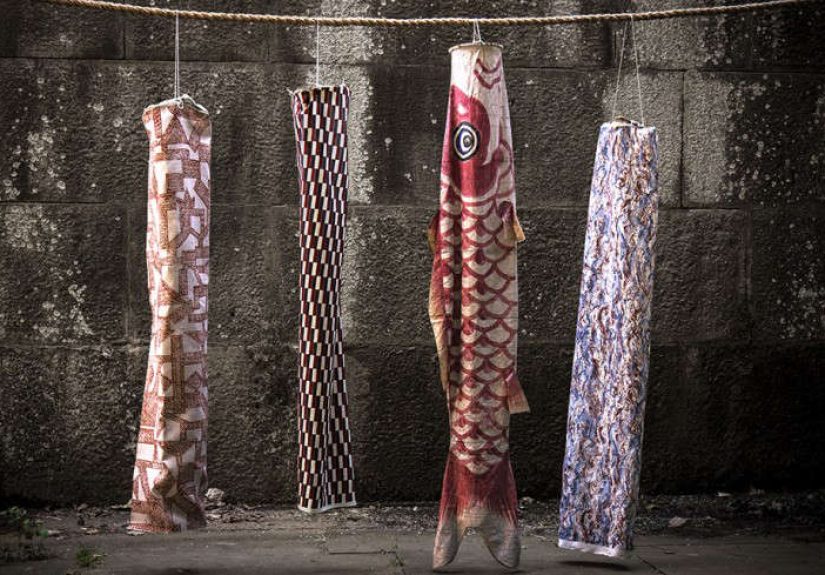
Obi is one of the clearest examples of Zak + Fox translating Japanese cultural reference into interior-ready pattern. Inspired by traditional kimono sashes, the design uses stacked color blocks to create visual rhythm. It is geometric, but not cold. Structured, but not severe. That is harder to pull off than it looks.
Obi works especially well when a room needs pattern that feels confident without turning chaotic. On a bench, headboard, or accent chair, it can act almost like trim in oversized form. It gives the eye something to follow. If your room has a lot of soft curves or washed-out neutrals, Obi can step in like the friend who actually knows how to order at a wine bar.
Chiba
Chiba takes a more meditative route. Its overlapping pattern suggests leaves or bamboo in motion, and the effect is gentle but hypnotic. This is the kind of textile that rewards a second look. From across the room, it reads as texture and flow. Up close, it reveals a more thoughtful hand.
Chiba is a strong choice for anyone who loves the idea of Japanese-inspired interiors but does not want a room to become overly thematic. It captures mood rather than costume. Used on curtains, it can soften architecture. Used on upholstery, it brings pattern into the room without shouting for attention.
Kaze
Kaze, named after the Japanese word for wind, leans into abstraction. Brushy, shifting forms suggest motion and impermanence, which gives the print an expressive quality. It feels less like a diagram of weather and more like the sensation of air moving through a space.
This is where Zak + Fox shines. A lesser brand might have made “wind” look like a clip-art swirl. Kaze feels painterly and alive. It is ideal for interiors that want some movement and mystery, especially when paired with woods, plaster, aged brass, or handmade ceramics.
Hanami and Blossom Motifs
Cherry blossom imagery carries obvious Japanese associations, but Zak + Fox approaches blossom-based motifs with restraint. In prints like Hanami, the floral reference feels elegant rather than sugary. There is a delicacy to the pattern, but also enough graphic control to keep it from drifting into overly sweet territory.
That balance matters in interiors. Florals can go wrong fast. One minute you are aiming for poetic; the next, your guest room looks like it has opinions about porcelain dolls. Zak + Fox avoids that fate by keeping scale, line, and palette disciplined.
Hinoki, Shiso, Kodama, Yamato, and More
What makes Zak + Fox’s Japanese-inspired world especially rich is that it extends beyond one famous launch. Designs such as Hinoki, Shiso, Kodama, Yamato, Hidaka, Kesa, and Oyo show how the brand continues to explore Japanese references across folklore, landscape, material culture, and mythology.
Hinoki evokes the cypress and the enchanted atmosphere of a forest. Shiso turns leafy abundance into a lively, almost celebratory print. Kodama taps into tree spirits from Japanese folklore. Yamato references “great harmony” and antique imagery. Hidaka draws from theatrical legend. Kesa nods to Buddhist robes and patchwork simplicity. Oyo takes inspiration from samurai armor. Together, these designs prove that Zak + Fox is not just dabbling in an aesthetic. It is building a broader design vocabulary shaped by Japanese ideas of symbolism, craft, and storytelling.
How These Textiles Fit into Today’s Interiors
Part of the reason these fabrics still feel fresh is that they align with several long-running interior trends without becoming prisoners of trend culture. They suit the growing appetite for artisanal finishes, natural materials, layered pattern, and rooms that feel storied rather than showroom-flat. They also work beautifully with the continued popularity of Japandi-adjacent spaces, though they are often richer and more expressive than the stripped-back version of that look.
In practical terms, Zak + Fox’s Japanese-inspired textiles can be used in several ways:
For upholstery
Graphic patterns like Obi or Yamato can anchor a chair, ottoman, or banquette. They bring enough shape to define a piece without making it feel costume-y.
For drapery
More atmospheric designs like Chiba or Kaze can create softness and movement, especially in rooms with hard architectural lines or restrained palettes.
For pillows and accents
If you are pattern-shy, this is the easiest entry point. A few pillows in a blossom, leaf, or geometric print can make a room feel smarter and more layered in about ten minutes.
For statement rooms
Some of these textiles and companion wallcoverings are ideal for powder rooms, libraries, or intimate sitting rooms where a little visual drama is not just acceptable but necessary.
Why Designers Keep Coming Back to Zak + Fox
Zak + Fox has built a loyal following because the brand understands that luxury today is not just about expense. It is about character. Designers want materials that feel thoughtful, singular, and rooted in something deeper than trend forecasts. This brand delivers that through narrative-rich designs, artisan-minded production, and a willingness to let fabrics feel textured, storied, and just a little eccentric.
The Japanese-inspired textiles especially appeal to designers because they offer cultural and visual depth without demanding that an entire room revolve around one theme. They are strong enough to carry a scheme, but flexible enough to layer with antiques, contemporary pieces, rustic woods, polished lacquer, matte plaster, or collected art.
There is also a tactile intelligence to these fabrics. Many are made for real use, not just for admiring from a safe emotional distance. They can move from showpiece to workhorse depending on the textile and application. That practical beauty is one reason the brand shows up so often in thoughtfully designed homes.
The Emotional Appeal of Japanese-Inspired Textiles
What really makes this collection land is that it offers more than visual reference. It delivers feeling. Japanese-inspired textiles often carry a sense of transience, symbolism, and reverence for natural forms. Zak + Fox translates that emotional register into interiors. You do not just get a pattern; you get atmosphere. You get memory. You get a room that feels as though it has an inner life.
That may sound dramatic for fabric, but honestly, good fabric deserves a little drama. A room covered only in safe, forgettable materials can be perfectly fine and completely lifeless. Zak + Fox pushes against that. These textiles help create spaces that feel inhabited, layered, and emotionally legible. They suggest that beauty is not only about polish. It is also about depth, imperfection, and story.
Experiences with New Japanese-Inspired Textiles from Zak + Fox
Living with Japanese-inspired textiles from Zak + Fox is different from simply admiring them in a sample memo or a beautifully lit showroom photo. In real spaces, they start to behave like characters. Morning light catches the pattern differently than afternoon light. A print that seemed quiet at noon suddenly looks almost cinematic at dusk. The room changes, and the fabric changes with it. That is one of the most satisfying parts of using textiles with layered references and hand-touched visual texture: they do not flatten out after a week.
In a reading nook, a Zak + Fox textile can make the whole corner feel intentional, even if the rest of the room is relatively simple. In a bedroom, a Japanese-inspired pattern on a headboard can add mood without requiring twelve decorative pillows and a suspiciously overachieving bench at the foot of the bed. In a dining room, the right print can turn an everyday chair into something that feels curated and collected. It is not magic exactly, but it is close enough for anyone who has watched one great fabric rescue a mediocre piece of furniture.
There is also a sensory experience to these textiles that goes beyond pattern. Because many of the designs are tied to natural imagery, ritual dress, folklore, or traditional craft, they often create a slower visual rhythm in a room. They encourage lingering. You notice a line that suggests wind, a repeat that resembles leaves, a block of color that feels architectural, or a motif that becomes clearer only when you sit still. In homes that are overloaded with screens, notifications, and furniture that seems designed for online thumbnails rather than actual living, that kind of depth feels almost rebellious.
Designers often talk about rooms needing soul, which can sound vague until you encounter a space that truly has it. These textiles help build that feeling. They can connect antiques with newer pieces. They can warm up clean-lined architecture. They can make a renovated room feel less freshly installed and more slowly evolved. For people who want interiors that look personal instead of algorithm-approved, that matters a lot.
Another experience people tend to have with Zak + Fox fabrics is surprise at how adaptable they are. A pattern that sounds highly specific on paper can be unexpectedly flexible in practice. A Japanese-inspired textile might work in a modern apartment, a traditional townhouse, a creative studio, or a quiet guest room because the reference is filtered through color, scale, and material rather than being handled too literally. That means the fabrics can feel cultured and distinct without making your home look like it is trying very hard to win a theme party.
And then there is the emotional side. Textiles tied to forests, blossoms, armor, robes, wind, or folklore often carry associations that people feel before they consciously identify them. A room can seem calmer, more grounded, more intimate, or more mysterious because the fabric is doing subtle atmospheric work. That is not a small thing. The best interiors support daily life, but they also shape mood. Zak + Fox’s Japanese-inspired textiles are especially strong at creating environments that feel thoughtful, evocative, and beautifully lived in.
Conclusion
New Japanese-inspired textiles from Zak + Fox show what happens when historical reference, artisan sensibility, and contemporary interior design actually get along. Instead of reducing Japanese textile traditions to a visual gimmick, the brand draws from stencil work, dress, folklore, nature, and symbolism to create fabrics with mood, movement, and staying power.
Whether you are drawn to the graphic confidence of Obi, the meditative drift of Chiba, the painterly motion of Kaze, or the broader Japanese-inflected world of designs like Hinoki, Shiso, Kodama, and Yamato, the appeal is the same: these textiles make rooms feel richer. Not louder. Richer. More layered, more intentional, more memorable.
And in a design world crowded with surfaces that are technically attractive but emotionally vacant, that is a pretty fabulous achievement.