Table of Contents >> Show >> Hide
- What Is Classic Cloth Limoges (and Why Does Everyone Speak About It Like a Secret Menu Item)?
- Classic Cloth: The Brand DNA Behind Limoges
- Why the Name “Limoges” Feels So Right
- The Craft Story: Hand-Dyed, Hand-Woven, Hand-Embroidered (Yes, All Three)
- Colorways: The Jewel Box That Doesn’t Try Too Hard
- Where Classic Cloth Limoges Shines in Real Design Projects
- The Styling Playbook: What to Pair With Limoges
- How to Buy Classic Cloth Limoges Without Guessing (or Begging the Internet)
- Care, Cleaning, and Longevity: Keep It Beautiful (Without Overthinking It)
- Is Classic Cloth Limoges Worth It?
- Conclusion
- Experiences: What It’s Like to Specify and Live With Classic Cloth Limoges
Some fabrics shout. Others whisper. Classic Cloth Limoges does that third thing: it quietly clears its throat,
adjusts its cuffs, and makes your sofa look like it has a passport full of stamps and a retirement account.
It’s the kind of embroidered textile designers reach for when they want patternjust not the “I can hear this print from across the room” kind.
If you’ve seen “Limoges” pop up in designer conversations and wondered whether it’s a place, a porcelain, or a fancy way to say
“my pillows cost more than my first car,” you’re in the right spot. Let’s break down what it is, why it’s named that,
how it behaves in real rooms, and how to buy it without accidentally ordering enough yardage to upholster a small yacht.
What Is Classic Cloth Limoges (and Why Does Everyone Speak About It Like a Secret Menu Item)?
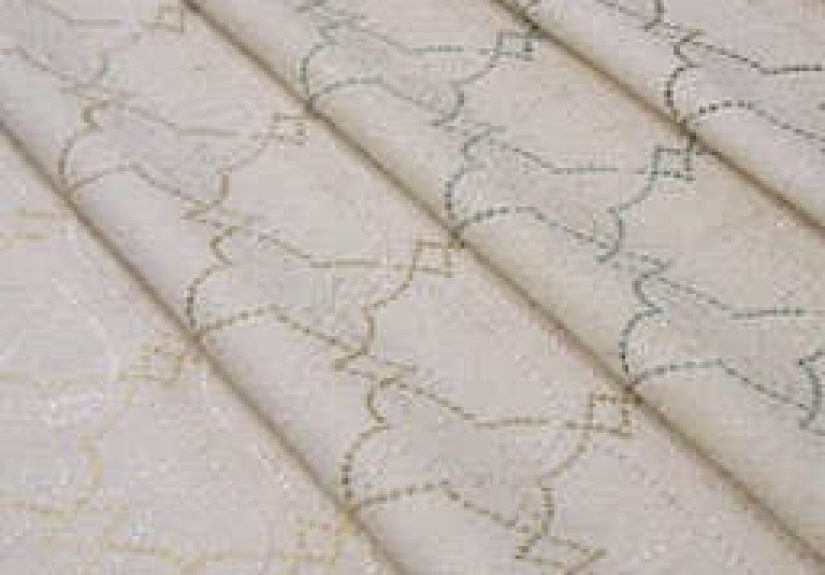
Classic Cloth Limoges is a luxury decorative fabric known for a subtle, softly exotic motif built from
handworkspecifically a handwoven ground with embroidery that adds texture without turning the pattern into a headline.
Designers often describe it as the kind of pattern that reads “interesting” up close, yet behaves like a refined solid from across the room.
The version most commonly referenced in showrooms is identified as pattern #1115.
Published specs vary slightly depending on the source and colorway, but it’s generally listed around 52–55 inches wide,
with a small, regular repeat (often noted around 3.5 inches horizontal and
about 3.25–3.75 inches vertical). The ground is typically listed as 100% cotton,
with embroidery in rayon/viscosea combination that delivers a soft hand, gentle luster in the stitchwork,
and a little extra dimensionality when light hits it.
In short: Limoges is the “quiet luxury” of patterned upholstery fabriconly it’s not a trend, it’s a lifestyle choice.
(And yes, it will make your other textiles feel underdressed.)
Classic Cloth: The Brand DNA Behind Limoges
Classic Cloth isn’t a random fabric label slapped onto a bolt. It has real trade credibility: it’s historically been positioned as an
in-house line of high-end basicsthe dependable, elegant wovens and essential patterns designers use to build rooms that feel layered,
not loud. Over time, it became a go-to “resource fabric” line: the stuff you can return to again and again when you want texture, restraint, and quality.
Today, Classic Cloth is presented alongside (and historically connected to) the storied Rose Cumming universetwo different energies under one roof:
one bold and expressive, the other refined and effortlessly usable. The common thread is craftold-world techniques, artisanal methods, and a focus on
textiles that reward close looking.
Why the Name “Limoges” Feels So Right
“Limoges” is loaded with decorative-art associations. The city of Limoges is famous for luminous enamel work and, later,
fine porcelainobjects prized for their color, detail, and the way they manage to look delicate and durable at the same time.
That’s basically the vibe this fabric aims for: jewel-like color options, fine patterning, and a finish that feels considered rather than mass-produced.
There’s also a fun parallel in the history: Limoges porcelain “blanks” were famously exported and then decoratedespecially for American markets in the
late 19th century. That idea of a beautiful base material being elevated through decoration mirrors what Limoges fabric is doing:
a strong cotton ground becomes something richer through embroidery.
The Craft Story: Hand-Dyed, Hand-Woven, Hand-Embroidered (Yes, All Three)
Limoges is frequently described using the trio that makes textile people nod gravely and reach for their order forms:
hand-dyed, hand-woven, and hand-embroidered.
That’s not just romancethose processes change how the fabric behaves, how it matches, and how you should specify it.
1) Hand-dyed means variation is a feature, not a flaw
Hand dyeing can create slight shifts from lot to lot, and even within a run. In a world of perfect Pantone matches, this is the part where the fabric
politely declines to be a robot. The upside: depth. The downside: if you’re trying to match a pillow you ordered three years ago, the fabric may respond
with a gentle shrug.
2) Hand-woven adds character (and a little unpredictability)
Handwoven grounds often have subtle irregularitiestiny slubs, faint texture shifts, the kind of nuance that makes a room feel human.
It also means you should expect the fabric to be less “factory-perfect” than a flat, machine-woven canvas.
3) Hand embroidery changes the light
Rayon/viscose embroidery can catch light with a soft sheen, like a whisper of polish rather than a mirror shine.
This is why Limoges can look calm in a wide shot but surprisingly rich up close. It’s also why placement matters:
light from a window can make the stitchwork read brighter at certain angles.
Pro tip: Understand “CFA” before you cut
Some listings recommend CFA (Cutting for Approval). Translation: before you commit to production, you get a cut from the actual lot
to confirm color, weave, and overall look. It’s the textile equivalent of tasting the soup before serving it at a dinner party.
If you’re upholstering a hero piece (like a statement chair or banquette), CFA is worth considering.
Colorways: The Jewel Box That Doesn’t Try Too Hard
Limoges is often offered in color names that sound like the inside of a jewelry case:
Citrine, Topaz, Aquamarine, Jade, and Garnet.
Here’s how they typically play in interiorswithout forcing you into a “what your favorite gemstone says about you” quiz.
-
Citrine: Warm, sunlit energygreat for rooms that need brightness without going full lemon sorbet.
Works especially well with natural oak, brass, and creamy whites. -
Topaz: A deeper, amber-leaning warmth. It reads classic with walnut and moody with espresso finishes.
If you like “warm neutral” but want it to have a pulse, start here. -
Aquamarine: Calm, coastal-leaning, but not theme-y. Pair with crisp whites and soft grays for an airy feel,
or with navy for a sharper, tailored look. -
Jade: A grounded green that feels both traditional and fresh. It’s excellent with antiques, warm metals,
and botanical palettes that don’t want to look like a greenhouse. -
Garnet: Rich and dressyideal for libraries, dining rooms, or anywhere you want the vibe to be “evening lighting recommended.”
Looks fantastic with deep woods and layered art.
Where Classic Cloth Limoges Shines in Real Design Projects
The best thing about a small-repeat embroidered fabric is that it can do a lot of jobs without demanding attention.
Limoges is often chosen because it’s flexiblepatterned enough to be interesting, controlled enough to be livable.
Upholstery: Chairs, Banquettes, and “Everyday Fancy” Seating
Limoges is a strong contender for dining chairs, occasional chairs, and banquettesplaces where you want tactile interest and
a little polish. The small repeat helps it read tidy on furniture with curves or tight shaping.
If you’re upholstering something that sees heavy daily wear (kids, pets, a golden retriever who believes it’s a throw pillow),
talk with your workroom about reinforcement options like appropriate backing or interlining, and follow the maker’s guidance for the application.
Drapery and Roman Shades: Texture that Doesn’t Fight the View
In window treatments, Limoges can give you that layered, tailored look without making the whole room feel busy.
It’s particularly effective in spaces where you want softness and dimension but the architectureor the viewshould remain the main event.
Pillows and Accents: The “Add Depth, Not Chaos” Move
If you’re pattern-shy (or pattern-burned from a past relationship with a loud chevron), Limoges is an easy entry point.
Use it on pillows, a bench cushion, or a headboard panel to add texture and craft without committing to wall-to-wall pattern.
The Styling Playbook: What to Pair With Limoges
Limoges is happiest when it’s treated like a refined bridge between solids and bolder patterns. Try these pairings:
1) Crisp solids with structure
Think linen-look solids, tailored twills, or subtle basketweaves. Limoges will bring the nuance; the solid will keep the room grounded.
2) One “statement” print, used sparingly
A chintz, a painterly floral, or a bold stripe can play beautifully with Limoges because Limoges doesn’t competeit supports.
Use the statement print on one element (say, drapery or a single chair), and let Limoges carry the quieter layers.
3) Natural materials that make the embroidery pop
Warm woods, aged brass, rattan, and matte ceramics all flatter embroidered textiles. The contrast is key:
matte + sheen, rough + smooth, old + new.
How to Buy Classic Cloth Limoges Without Guessing (or Begging the Internet)
In many cases, Classic Cloth textiles are sold to the trade, meaning you typically purchase through an interior designer,
architect, or a showroom that works with the trade. This isn’t meant to be mysterious; it’s meant to keep specifications clean,
ensure proper application guidance, and keep your order from turning into a “surprise yardage” situation.
A few practical notes that come up frequently:
- Minimums: Some showrooms list a 2-yard minimum on Classic Cloth textiles.
- Memos/samples: Sampling is essential with hand-crafted textilesorder a memo and look at it in your actual room lighting.
- Lot awareness: If you’re doing multiple pieces, ask about dye lots and consider CFA for large commitments.
- Showroom support: Multi-city showrooms can help with availability checks, estimates, and logistics.
Care, Cleaning, and Longevity: Keep It Beautiful (Without Overthinking It)
Limoges is luxury fabric, not a disposable trendso treat it accordingly. Because it’s commonly listed as a cotton ground with rayon/viscose embroidery,
start with the assumption that it likes gentle handling.
- Vacuum softly: Use upholstery attachments to remove dust before it becomes grime.
- Skip aggressive spot scrubbing: Embroidery can snag; blot first and consult a professional cleaner for stains.
- Mind the sun: Any textile can fade with direct UV; window treatments, lining, and placement help preserve color.
- Workroom guidance matters: Backing or lining recommendations vary by usefollow the project’s requirements, not a one-size-fits-all rule.
Done right, Limoges ages the way good design should: it becomes part of the room’s story rather than a “remember 2024?” moment.
Is Classic Cloth Limoges Worth It?
If your goal is cheap yardage, no. If your goal is a textile that combines craft, subtle pattern, and the kind of depth you can’t fake with a flat print,
then yesLimoges earns its place. You’re paying for hand processes, refined design, and a fabric that can hold its own in both traditional and modern rooms.
The real value is versatility: it can sit next to antiques without looking precious, and it can live in a cleaner contemporary space without feeling historic.
That’s rare. And frankly, it’s cheaper than therapy if your current room palette is giving you existential dread.
Conclusion
Classic Cloth Limoges is a masterclass in restraint: a small-repeat, embroidered fabric that reads calm from a distance
and richly crafted up close. Its name nods to the decorative-art legacy of Limogescolor, detail, and enduring beautywhile its real-world appeal is
wonderfully practical: it layers, it plays well with other patterns, and it makes furniture look intentional.
If you want a fabric that feels custom without screaming “custom,” Limoges is a strong bet. Order a memo, look at it in your lighting,
and let the embroidery do what it does best: quietly elevate everything around it.
Experiences: What It’s Like to Specify and Live With Classic Cloth Limoges
Let’s talk about the part no one puts on a tear sheet: the emotional journey of choosing an embroidered fabric that looks different at 9 a.m. than it does
at 9 p.m. Limoges is beautiful, but it’s also a “look closely” textileso the experience tends to go like this.
First comes the memo moment. You pin the sample to a board (or, if you’re a modern minimalist, you “place it thoughtfully” on a counter and pretend that’s
not the same thing). In daylight, the embroidery reads like a gentle shimmermore texture than sparkle. You think, “Perfect. Understated.”
Then the sun shifts, and suddenly the stitchwork pops just enough to make you feel like you discovered a hidden level in a video game.
This is Limoges’ superpower: it changes with the light without changing its personality.
Next comes the colorway debate, which is basically a personality test disguised as gemstones.
Jade feels grounded and confidentlike the friend who always knows where their keys are.
Aquamarine is calm and breezylike a room that drinks water and journals.
Garnet is dramatic in the best waylike a library that insists on candlelight (even if the candles are battery-operated).
And Citrine or Topaz? Those are the “warm glow” options that make a room feel friendly without turning it into a cupcake.
Most people end up narrowing to two, then dragging the samples around the house like tiny fabric passports:
living room at noon, dining room at dusk, bedroom lamp at nightrepeat until your household politely asks if you’re okay.
The “handmade” reality shows up during planning. Because Limoges is often described as hand-dyed and handwoven,
you start caring about dye lots and approval cuts in a way you never expected. This is where CFA becomes your best friend:
it’s the grown-up step that prevents the classic tragedy of “I ordered more later and it’s… slightly different.”
Not worsejust different. Handmade textiles have personality, and personality occasionally means they don’t clone themselves on command.
Upholstery day is where Limoges gets to flex. On a chair, the small repeat behaves beautifullyno awkward oversized motif getting decapitated by a seam.
The fabric reads tailored, even on curves. And once it’s installed, the experience becomes surprisingly low-drama.
Because the pattern is subtle, everyday life doesn’t constantly announce itself. A pillow slightly out of place? Still looks good.
A throw casually tossed? The fabric isn’t offended. Limoges gives you that “designed” look without requiring you to live like a museum guard.
Long-term, owners tend to love how it holds attention without demanding it. Guests might not immediately say,
“Oh wow, is that Classic Cloth Limoges?” (and if they do, you’ve found your people). But they’ll notice the room feels finished.
The embroidery adds that extra layerlike a well-tailored jacket lining you only notice when someone moves.
It’s a textile that rewards living: the more time you spend with it, the more you see.
The best part? Limoges plays well with change. Swap the art, repaint the walls, rotate seasonal pillowsLimoges doesn’t get clingy.
It’s confident, adaptable, and quietly elevated. Which is basically the ideal roommate, except it doesn’t do dishes.