Table of Contents >> Show >> Hide
- What nicotine pouches are (and what they aren’t)
- Why people use nicotine pouches
- Side effects: what you might notice quickly
- Longer-term risks: what we know, what we’re still learning
- Are nicotine pouches safer than cigarettes or vaping?
- Who should avoid nicotine pouches entirely
- Alternatives to nicotine pouches
- If you already use nicotine pouches: smart next steps (without drama)
- Real-world experiences: what people commonly report (about )
- Conclusion
- SEO Tags
Nicotine pouches are having a moment. They’re small, discreet, and marketed as “tobacco-free” in a way that
makes them sound like the responsible adult in the nicotine family tree. But let’s clear something up right away:
“tobacco-free” does not mean “risk-free,” and “it doesn’t make smoke” is not the same thing as “it doesn’t make problems.”
If you’re an adult who already uses cigarettes or other tobacco products, nicotine pouches may show up on your radar
as a potential off-ramp. If you’re a teen or young adult who doesn’t already use nicotine, the healthiest move is to
skip nicotine entirely. Nicotine can be powerfully addictive, and adolescence is a particularly risky time to start.
(Your brain is busy building the wiring for attention, learning, and impulse controlnicotine is not a helpful contractor.)
What nicotine pouches are (and what they aren’t)
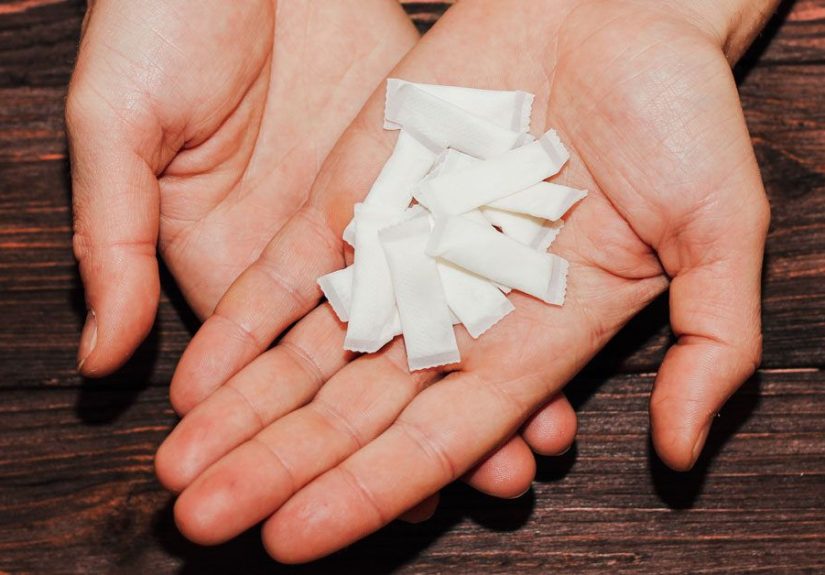
Nicotine pouches are small packets that deliver nicotine through the lining of the mouth. They typically contain nicotine,
flavorings, sweeteners, and other ingredients that help the pouch hold its shape and release nicotine.
Many are sold as “tobacco-free,” which usually means they don’t contain tobacco leafthough the nicotine may still be derived
from tobacco or made synthetically.
They’re not the same as chewing tobacco or snus
Traditional smokeless tobacco products (like dip/chew) contain tobacco and are linked to serious health risks, including cancers.
Nicotine pouches may contain fewer tobacco-related toxins than products made with tobacco leaf, but they still deliver nicotine,
and long-term health data is still developing.
They’re not “just like caffeine”
Nicotine is a stimulant, so people sometimes compare it to coffee. The difference is that nicotine is highly addictive and can
create a cycle of cravings and withdrawal that feels less like “a latte habit” and more like “my brain is negotiating with me every hour.”
Why people use nicotine pouches
People turn to nicotine pouches for a few common reasonssome practical, some psychological, and some that start with,
“I was stressed and someone offered me one.”
1) Convenience and discretion
No smoke, no vapor cloud, no lighter, no ash. That convenience can be part of the appealespecially for people trying to avoid
smoking in places where it’s not allowed.
2) Trying to switch away from cigarettes
Some adults who smoke or use other tobacco products try nicotine pouches as a substitute, hoping to reduce exposure to the toxic chemicals
created by burning tobacco. From a harm-reduction perspective, switching completely away from combusted cigarettes is generally a big win
for healthbut it’s still a win that comes with nicotine dependence if you’re continuing to use nicotine.
3) Managing cravings, mood, and “the habit”
Nicotine can temporarily change how alert or focused someone feels and can blunt withdrawal symptoms in people who are already dependent.
The tricky part is that the “relief” often comes from stopping withdrawal that nicotine helped create in the first placelike a firefighter
who keeps “saving” your house by putting out the candles they lit earlier.
Side effects: what you might notice quickly
Side effects vary by person, product, and nicotine exposure. People who are nicotine-naïve (meaning they didn’t already use nicotine)
are more likely to feel unpleasant effects fast.
Common short-term side effects
- Nausea or upset stomach
- Dizziness or feeling lightheaded
- Headache
- Hiccups (yes, reallyyour diaphragm gets invited to the party)
- Mouth or gum irritation
- Increased heart rate or a “wired” feeling
- Sleep disruption, especially if nicotine use happens later in the day
Less obvious effects that still matter
Nicotine affects the cardiovascular system. It can raise heart rate and blood pressure and may worsen symptoms in people with certain heart conditions.
Even if you don’t “feel” anything dramatic, nicotine is still biologically activequietly doing its stimulating-stimulant thing behind the scenes.
Longer-term risks: what we know, what we’re still learning
Nicotine pouches are relatively new compared with cigarettes and traditional smokeless tobacco. Researchers are still building the long-term picture.
Here’s what’s clearer nowand what’s still under investigation.
1) Nicotine addiction (the main event)
The biggest established risk is dependence. Nicotine changes brain pathways involved in reward, learning, and attention.
Over time, the brain starts to expect nicotine, and stopping can trigger withdrawalirritability, restlessness,
trouble concentrating, cravings, and mood changes. That withdrawal discomfort is a major reason people keep using.
2) Oral health concerns
Because pouches sit in the mouth, there’s concern about gum irritation, gum recession, and other oral changesespecially with repeated exposure.
The full long-term oral health impact is still being studied, but “it lives in your mouth” naturally raises questions about what it might do there over time.
3) Cardiovascular effects
Nicotine is a stimulant that can affect cardiovascular biomarkers. While nicotine pouches may reduce exposure to combustion-related toxins compared with cigarettes,
nicotine itself isn’t harmlessespecially for people with high blood pressure, heart rhythm issues, or a history of cardiovascular disease.
4) Cancer risk: complicated, but not a free pass
Nicotine is not the main cancer-causing ingredient in cigarettes; combustion creates a cocktail of carcinogens.
That said, some nicotine pouches may contain potentially harmful chemicals, and the long-term cancer risk profile isn’t fully settled.
If you’re choosing between cigarettes and switching completely to a non-combustible product, risk may be lowerbut “lower” is not the same as “low.”
5) Risks for teens, young adults, and pregnancy
For youth, nicotine can interfere with brain development related to attention, learning, and impulse control, and it can increase vulnerability to addiction.
During pregnancy, nicotine exposure is unsafe for the developing fetus. If any of these apply to you, nicotine pouches are a strong “no.”
Are nicotine pouches safer than cigarettes or vaping?
“Safer than cigarettes” is a low bar. Cigarettes are uniquely harmful because burning tobacco creates thousands of chemicals, including many carcinogens.
Nicotine pouches don’t involve combustion, so they may reduce exposure to many of those toxic byproducts.
But “reduced exposure” does not equal “healthy,” and it does not equal “safe for everyone.” Health authorities emphasize that no tobacco product is truly safe,
and the best health outcome is not using nicotine at allespecially for people who weren’t already using it.
Compared with vaping, the comparison gets trickier: vaping avoids combustion too, but it introduces inhaled aerosols and respiratory concerns.
Pouches avoid inhalation, but still maintain nicotine dependence and bring oral exposure questions.
Either way, nicotine remains the central characteraddictive, stimulating, and capable of disrupting mood and focus when you try to stop.
Who should avoid nicotine pouches entirely
- Teens and young adults who don’t already use nicotine
- People who are pregnant or trying to become pregnant
- Anyone with certain heart conditions or uncontrolled high blood pressure (talk to a clinician)
- People with anxiety or panic symptoms that stimulants tend to worsen
- Anyone with a history of nicotine dependence who is trying to stay nicotine-free
Alternatives to nicotine pouches
The best alternative depends on your starting point:
(1) you’re trying to quit cigarettes or smokeless tobacco or
(2) you don’t currently use nicotine and want to avoid starting.
Either way, there are safer routes than casually adopting a new nicotine habit.
If you’re quitting: FDA-approved nicotine replacement therapy (NRT)
Nicotine replacement therapy products are designed for smoking cessation and have evidence supporting their use in adults who smoke.
Common options include patches, gum, lozenges, inhalers, and nasal spray. Unlike nicotine pouches, these are specifically intended as quit aids
and are typically used as part of a structured plan.
If you’re quitting: non-nicotine prescription options (with medical guidance)
Some prescription medications can reduce cravings and withdrawal for adults trying to quit. A clinician can help decide what fits your health history
and what interactions to watch for.
Behavioral supports that work surprisingly well
- Counseling (in-person, telehealth, or group programs)
- Quitlines and coached support programs
- Trigger planning: identifying your “automatic” nicotine moments and replacing them with a different routine
- Stress tools: breath work, short walks, cold water face splash, journaling, or anything that helps you ride out cravings
If you’re trying to avoid starting nicotine
If curiosity is driving the interest, the healthiest alternative is simple: don’t experiment with nicotine.
If stress or focus is the issue, there are safer toolssleep consistency, movement breaks, hydration, structured study cycles,
and mental health support when anxiety or depression is part of the picture.
Non-nicotine substitutes for the “oral habit”
A lot of nicotine use is hand-to-mouth or mouth-based routine. If you’re quitting, swapping the ritual can help:
sugar-free gum, mints, crunchy snacks (like baby carrots), a water bottle with a straw, or flavored toothpicks.
These won’t “solve” nicotine withdrawal, but they can reduce the feeling that something is missing.
If you already use nicotine pouches: smart next steps (without drama)
If you’re currently using nicotine pouches, the goal is to reduce harm and avoid deeper dependence.
This is especially important if you’re young or if nicotine wasn’t part of your life before pouches.
- Don’t add more nicotine products on top (stacking nicotine increases dependence and side effects).
- Watch for dependence signals: cravings, irritability without nicotine, using to concentrate, or using “just to feel normal.”
- Protect kids and pets: nicotine can be dangerous if accidentally ingested.
- Talk to a clinician if you’re getting frequent nausea, dizziness, palpitations, mouth sores, or anxiety spikes.
- If quitting is the goal, consider evidence-based cessation tools (behavioral support + FDA-approved options) rather than improvising alone.
Real-world experiences: what people commonly report (about )
People’s experiences with nicotine pouches tend to split into two lanes: “I used them to get away from cigarettes,” and “I didn’t smoke, then suddenly I had a nicotine habit.”
The first lane often starts with reliefno smoke smell, fewer interruptions, and the feeling of having more control. Someone who used to take smoke breaks
might say they enjoyed not needing to step outside or plan their day around lighting up. For a while, it can feel like a practical swap: “Same nicotine, fewer hassles.”
That’s especially common among adults who were already dependent and are trying to reduce exposure to cigarette smoke.
The second lane is where things get messier. Nicotine-naïve users frequently describe an unpleasant first experience: nausea, dizziness,
a buzzing head feeling, hiccups (the most randomly specific side effect in the nicotine universe), and a stomach that suddenly regrets every decision.
Some people push past that discomfort because the product is marketed as “clean” or “tobacco-free,” and because the social vibe can make it seem harmlesslike trying a new mint.
But nicotine doesn’t behave like a mint. Once the brain learns that nicotine can deliver a quick hit of stimulation or calm, it starts asking for repeats.
Another common theme is the “focus myth.” Some users report feeling more alert during work or studying. The catch is that, over time, the boost can become less like
extra focus and more like relief from withdrawal-related fog. People sometimes describe it as: “At first it felt like a productivity hack. Later it felt like a requirement.”
When they try to stop, they may notice irritability, restlessness, cravings, and trouble concentratingsymptoms that can be intense enough to make quitting feel harder than expected.
Oral discomfort also shows up in real-life stories: gum soreness, irritation where the pouch sits, or a mouth that feels “off” after frequent use.
Some users become more aware of their gums, dental sensitivity, or recurring mouth spotsprompting dentist visits and the uncomfortable realization
that “smokeless” still means “not free.”
Finally, many people describe a turning point where they do the math: a product that started as “occasional” became daily, and daily became automatic.
That moment isn’t about shameit’s about clarity. If nicotine pouches are being used as a transition away from smoking, the healthiest success story
is usually one of complete switching (not dual use) and then working toward reducing nicotine dependence with proven tools and support.
If nicotine wasn’t part of your life before, the healthiest success story is not starting.
Conclusion
Nicotine pouches occupy a weird middle space: potentially less harmful than cigarettes for adults who already smoke, but still addictive and not harmlessespecially for young people.
If you’re trying to quit cigarettes or smokeless tobacco, evidence-based methods (behavioral support plus FDA-approved cessation options) are the most reliable path.
If you don’t already use nicotine, the safest choice is to avoid nicotine pouches altogether. Your future self will thank youand will do it without cravings.