Table of Contents >> Show >> Hide
- Why This Old-Fashioned Chicken Noodle Soup Works
- Old-Fashioned Chicken Noodle Soup Recipe (From Scratch)
- Delicious Variations (Still Classic, Just Wearing a New Hat)
- How to Store, Freeze, and Reheat Chicken Noodle Soup
- Troubleshooting: Fixes for Common Chicken Soup Problems
- FAQ: Old-Fashioned Chicken Noodle Soup
- Cozy Chicken Soup Experiences (The 500-Word “Because Soup Has a Personality” Section)
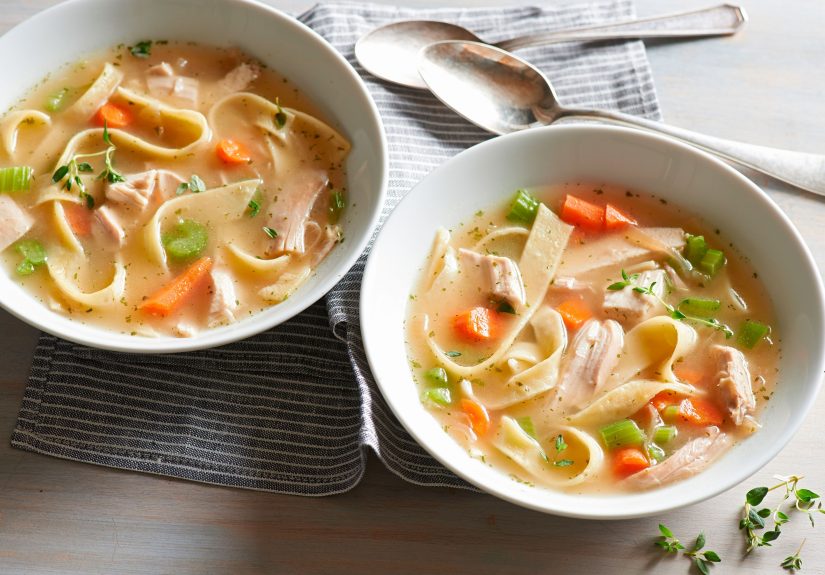
If comfort had a national anthem, old-fashioned chicken noodle soup would be playing somewhere in the background, probably while someone’s wearing fuzzy socks and aggressively “resting” on the couch. This is the classic, from-scratch version: real chicken, real vegetables, a cozy broth that tastes like you meant it, and noodles that stay pleasantly springy (not sadly bloated like they’ve been through something).
Below you’ll get a reliable homemade chicken noodle soup recipe, plus the small “grandma-level” details that matter: how to keep the broth clear and flavorful, how to avoid mushy noodles, and how to store leftovers safely so tomorrow’s bowl is just as good as today’s.
Why This Old-Fashioned Chicken Noodle Soup Works
1) A gentle simmer makes a better broth
Old-school soup isn’t about boiling the life out of everything. A low, steady simmer coaxes flavor from chicken and aromatics while keeping the broth cleaner-tasting and less cloudy. If a little foam (protein) floats up early on, you can skim it. That’s not you being “extra”that’s you being traditional.
2) The classic flavor base: mirepoix + herbs
Onion, carrot, and celery (a.k.a. mirepoix) are the backbone of countless American soups for a reason: they build sweetness, savoriness, and that familiar “something good is happening in this pot” smell. Bay leaf, thyme, and parsley keep it firmly in classic chicken soup territory.
3) Noodles done right (translation: no sponge-pasta)
Egg noodles are nostalgic and quick-cooking, but they love to absorb broth. If you’re serving the whole pot immediately, cooking noodles in the soup is fine. If you want leftovers that don’t turn into a noodle casserole, cook noodles separately and add them to each bowl (or add only what you’ll eat today).
Old-Fashioned Chicken Noodle Soup Recipe (From Scratch)
Yield: 8–10 servings
Total time: About 1 hour 45 minutes (mostly hands-off)
Skill level: Beginner-friendly, grandma-approved
Ingredients
For the broth + chicken
- 3 to 3 1/2 pounds bone-in chicken (a mix of thighs/drumsticks is great; or 1 whole chicken cut up)
- 10 to 12 cups cold water (enough to cover chicken by about 1 inch)
- 1 large yellow onion, halved (leave skin on if clean for deeper color)
- 2 medium carrots, cut into big chunks
- 2 celery ribs, cut into big chunks
- 4 garlic cloves, smashed
- 2 bay leaves
- 1 teaspoon dried thyme (or 4–6 sprigs fresh thyme)
- 1 1/2 teaspoons kosher salt, plus more to taste
- 1/2 teaspoon black peppercorns (or 1/2 teaspoon ground black pepper)
For the finished soup
- 2 tablespoons butter or olive oil
- 1 medium onion, diced
- 3 carrots, peeled and sliced (or chopped)
- 3 celery ribs, sliced
- 2 garlic cloves, minced
- 8 cups strained chicken broth (from above; add a splash of water if needed)
- 2 to 3 cups cooked shredded chicken (from above)
- 8 ounces egg noodles
- 2 tablespoons fresh parsley, chopped (plus more for serving)
- 1 to 2 teaspoons fresh lemon juice (optional, but brightens everything)
- Salt and black pepper, to taste
Instructions
Step 1: Make the old-fashioned broth
- In a large stockpot, add the bone-in chicken, water, onion halves, carrot chunks, celery chunks, smashed garlic, bay leaves, thyme, salt, and peppercorns.
- Bring to a gentle simmer over medium heat. As it warms, skim off any foam that rises to the surface with a spoon.
- Reduce heat to low so the pot barely bubbles. Simmer partially covered for 75–90 minutes, until the chicken is tender and cooked through.
- Transfer chicken to a plate to cool slightly. Strain broth through a fine-mesh strainer into a large bowl or another pot. Discard solids.
Step 2: Shred the chicken
- When the chicken is cool enough to handle, remove skin and bones. Shred or chop the meat into bite-size pieces.
- You’ll typically get 2 to 3 cups of meat, depending on the chicken. (Any extra can become tomorrow’s sandwich hero.)
Step 3: Build the soup base
- In the (now empty) soup pot, heat butter or olive oil over medium heat. Add diced onion, carrots, and celery. Cook 6–8 minutes until softened and lightly glossy.
- Add minced garlic and cook 30 seconds, just until fragrant. (If it browns, it gets bitter. We want cozy, not edgy.)
- Pour in 8 cups of your strained broth. Bring to a simmer and cook 10 minutes, until the vegetables are tender.
- Stir in shredded chicken and simmer 2–3 minutes to warm through.
Step 4: Cook the noodles (choose your adventure)
Option A: Best for leftovers (recommended)
- Cook egg noodles in salted water in a separate pot until just tender (usually 6–8 minutes; check package timing).
- Drain and rinse quickly with warm water to remove excess starch (optional but helpful).
- Add noodles to bowls, then ladle soup over the top. Store extra noodles separately.
Option B: Fastest, one-pot
- Stir noodles directly into the simmering soup and cook until tender.
- Serve immediately. (Leftovers will still be tastyjust thicker and more noodle-forward tomorrow.)
Step 5: Finish and season like a pro
- Stir in parsley. Taste the broth and add more salt and black pepper until it “pops.” If it tastes flat, a small squeeze of lemon often fixes it.
- Serve hot with extra parsley on top. Optional sides: crackers, crusty bread, grilled cheese, or pure vibes.
Quick “Old-Fashioned” Notes You’ll Be Glad You Read
- Don’t over-water the pot: Too much water can make broth taste weak. Cover the chicken by about an inch.
- Simmer, don’t boil: Boiling agitates everything and can turn broth cloudy and harsh-tasting.
- Salt in layers: A little in the broth, then adjust at the end so you don’t oversalt as it reduces.
- Want richer flavor? Add a parmesan rind (if you have one) or a tiny splash of dry sherry at the end.
Delicious Variations (Still Classic, Just Wearing a New Hat)
Rotisserie chicken shortcut
If you’re short on time, use store-bought low-sodium chicken broth plus shredded rotisserie chicken. Sauté the vegetables, simmer them in broth, then add chicken. (Still cook noodles separately if you want great leftovers.)
Herby “Sunday soup” version
Add fresh dill or extra parsley right before serving. It tastes like the soup just got a haircut and a promotion.
Creamy-but-not-cream chicken noodle soup
For a thicker, silkier broth without dairy, blend (carefully) a small portion of the cooked vegetables and broth, then stir it back in. This keeps it old-fashioned in spirit but a little more luxurious in texture.
Gluten-free option
Swap egg noodles for gluten-free pasta, rice noodles, or cooked rice. (Cook them separatelygluten-free noodles can go from “perfect” to “pudding” with impressive speed.)
How to Store, Freeze, and Reheat Chicken Noodle Soup
Refrigerator
Cool soup and refrigerate promptly. For best quality, store noodles separately. Properly stored soup is typically best within 3–4 days. If you reheat, bring it to a full simmer so it’s steaming hot throughout.
Freezer
Freeze the soup base (broth, chicken, vegetables) without noodles for the best texture. Leave a little headspace in containers for expansion. When you’re ready to eat, thaw in the fridge overnight (or gently on the stove), then add freshly cooked noodles.
Make-ahead tip
This soup often tastes even better the next day because the flavors have time to mingle. Just remember: keep noodles separate so the broth doesn’t disappear into them like it owes them money.
Troubleshooting: Fixes for Common Chicken Soup Problems
“My broth tastes bland.”
- Add salt gradually and taste againseasoning is usually the issue.
- Add a squeeze of lemon juice or a splash of vinegar to wake up the flavor.
- Simmer 10 more minutes to reduce slightly and concentrate the broth.
“My broth is cloudy.”
- Cloudy broth is still delicious. It usually happens from boiling too hard or stirring a lot.
- Next time, keep it at a gentle simmer and skim early foam for a clearer broth.
“My noodles are mushy.”
- Cook noodles separately and add them per bowl.
- If they’re already mushy, embrace it and call it “extra cozy.” (No one has to know.)
FAQ: Old-Fashioned Chicken Noodle Soup
What’s the best chicken cut for homemade chicken noodle soup?
Bone-in, skin-on thighs and drumsticks are flavorful and forgiving. A whole chicken works too. If you prefer leaner meat, add a breast in the last 20–25 minutes so it doesn’t dry out.
Can I make it in a slow cooker?
Yes. Cook chicken with aromatics and water on low until tender, then strain. Finish by sautéing vegetables (for better flavor), or add them directly and cook until soft. Add noodles near the endor cook separately.
How do I know the chicken is cooked safely?
The most reliable way is using a thermometer. Chicken is considered safely cooked when it reaches 165°F at the thickest part.
Cozy Chicken Soup Experiences (The 500-Word “Because Soup Has a Personality” Section)
Old-fashioned chicken noodle soup is rarely just a recipe. It’s a little domestic time machine. For a lot of households, the smell alone is the signal flare that says, “Someone cares about you enough to put a pot on the stove.” Even if the cook is technically you, caring for yourself countsand honestly deserves bonus points.
There’s also something funny about how chicken noodle soup makes everyone act like an expert. The minute the pot starts simmering, suddenly you’ll hear strong opinions from across the room: “Don’t boil it!” “Use more carrots!” “My grandma always added parsley at the end!” The soup becomes a shared family story, where everybody remembers it slightly differently, like a friendly argument you can eat with a spoon.
And then there’s the “sick day” mythology. People call it comfort food, but chicken noodle soup is basically the culinary equivalent of a soft blanket and a mildly judgmental reminder to drink water. It shows up when someone has the sniffles, when the weather turns rude, or when life just feels loud and you want dinner to be quiet. The ritual matters: the steam, the slow stirring, the way the kitchen windows fog up like the house is exhaling. For many cooks, making homemade chicken noodle soup is a way of restoring orderchop the vegetables, skim the broth, taste and adjust. It’s therapy with carrots.
The noodles are their own tiny drama. If you’ve ever made a huge pot for future meals, you’ve probably had the next-day surprise: the noodles drank all your broth while you slept. It’s not a failure; it’s a rite of passage. Plenty of home cooks develop “the system”: cook noodles separately, store them in their own container, and add them per bowl like you’re running a small, delicious restaurant out of your fridge. That one habit makes leftovers feel intentional instead of accidental.
Chicken noodle soup also tends to collect extras over timelittle personalization fingerprints. Some people add dill because it tastes like a deli. Some swear by a squeeze of lemon to brighten the broth. Some toss in a splash of sherry for “company soup,” the kind you serve when you want guests to say, “Wait… what is that flavor?” in the best way. And some keep it stubbornly simple: chicken, vegetables, noodles, salt, pepper, done. That’s the beauty of an old-fashioned chicken noodle soup recipe: it’s flexible enough to become yours while still tasting like it’s been around forever.
In the end, this soup isn’t just warmit’s reassuring. It’s a meal that says, “You’re going to be okay,” and it says it in fluent American comfort-food. And if you happen to eat it in sweatpants, that’s not optional; that’s tradition.