Table of Contents >> Show >> Hide
- What Narcan Is (and Why People Keep Calling It “a Lifesaving Spray”)
- How We Got Here: From Prescription-Only to Store Shelves
- Where You’ll Find OTC Narcan (and Why That’s a Big Deal)
- Who Should Consider Keeping Narcan Around?
- How to Use Narcan Safely: Simple Steps That Matter
- Common Questions People Have (But Don’t Always Ask Out Loud)
- Storage, Expiration, and the Unsexy Details That Save Lives
- Policy and Public Health: OTC Narcan Is a Door, Not the Whole House
- Conclusion: OTC Narcan Makes Preparedness Normal (and That’s the Point)
- Real-World Experiences: What “OTC Narcan” Looks Like in Everyday Life (About )
A few years ago, if you wanted Narcan, you often had to do the awkward pharmacy-counter shuffle:
step up, whisper a request, pretend you’re totally calm, and hope nobody from your old high school
is browsing the cough drops behind you.
Now? Narcan is stepping out from behind the counter and into everyday liferight alongside Band-Aids,
allergy pills, and that suspicious “family-size” bottle of ibuprofen. And that’s a very good thing.
When opioids are involved, minutes matter. Making naloxone (the medication in Narcan) easy to buy
can help more people act fast in an emergencywithout paperwork, stigma, or a gatekeeper.
What Narcan Is (and Why People Keep Calling It “a Lifesaving Spray”)
Narcan = naloxone, and naloxone reverses opioid overdoses
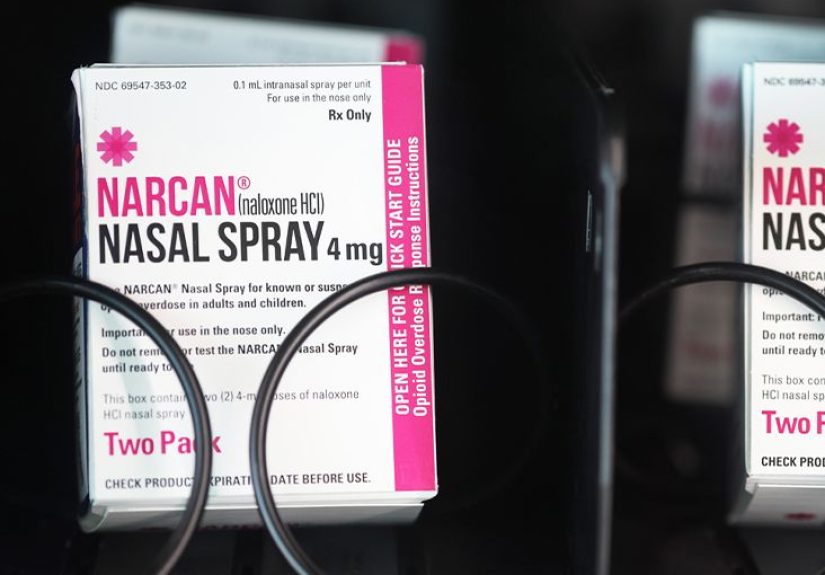
Narcan is a brand-name nasal spray version of naloxone, a medication that can
rapidly reverse the effects of an opioid overdose. It works by blocking opioids
at the receptor level, which can help restore breathing in someone whose breathing has slowed or stopped.
It’s considered the standard emergency treatment for opioid overdose.
Important nuance: naloxone only reverses overdoses caused by opioids (like prescription opioid
pain medicines, heroin, or fentanyl and its analogs). If you’re not sure what’s going on, it’s still generally
safer to use naloxone than to hesitatebecause naloxone won’t harm someone if opioids aren’t involved.
Why OTC access matters
“Over the counter” doesn’t mean “optional.” It means more reachable. When naloxone is sold
without a prescription, it can show up in more places (pharmacies, big-box stores, online marketplaces),
be purchased more quickly, and feel more normallike an emergency tool instead of a secret.
How We Got Here: From Prescription-Only to Store Shelves
FDA approval opened the door
The biggest turning point came when the FDA approved Narcan (4 mg naloxone nasal spray) for nonprescription,
over-the-counter usemaking it the first naloxone product officially cleared for purchase without a prescription.
That decision helped set the stage for retail expansion and broader public access.
Retail rollout: “widely available” became real-world available
Regulatory approval is one thing; seeing it next to the allergy meds is another. After the OTC switch,
major retailers began rolling Narcan onto shelves and online catalogs. The goal wasn’t just convenience
it was speed, visibility, and fewer “barriers to entry” for a medication that works best when it’s already nearby.
More options beyond the original brand
As the OTC category matured, additional naloxone products joined the lineup. The FDA approved other
nonprescription naloxone nasal sprays (including a 3 mg option), and retailers began offering
store-brand versions at lower price points. More competition can mean better availability,
andhopefullyless sticker shock.
Where You’ll Find OTC Narcan (and Why That’s a Big Deal)
Not just pharmacies anymore
OTC status allows Narcan to appear in more everyday settingsthink pharmacies, big-box stores, grocery
stores with pharmacy sections, and online shopping. Some retailers place it in high-visibility areas
(like the pain aisle) so it’s easier to locate quickly. That matters because an emergency is not the time
for a scavenger hunt.
Price: what “widely available” still has to fix
Availability doesn’t automatically equal affordability. Early pricing discussions around OTC Narcan often
landed in the “this costs more than my entire cart of snacks” range for a two-dose box. Over time, store-brand
and generic options have entered the market at lower prices, which helpsbut cost can still be a barrier,
especially for the people and communities most affected by overdoses.
Practical tip: if you’re buying naloxone for preparedness (home, workplace, school organization, community group),
compare options. A lower-priced equivalent can make it easier to keep multiple kits in multiple placeswhich is
exactly how emergency preparedness is supposed to work.
Insurance coverage gets… complicated
Here’s the frustrating part: many insurance plans handle prescriptions more smoothly than OTC purchases.
Depending on your plan and your state, naloxone may be covered with low or no cost-sharing, or it may not be.
Some state policies push coverage and access forward, while other systems still leave people paying out of pocket.
If you want the best odds of coverage, ask your pharmacist how your plan processes naloxone.
In some cases, coverage is easier if naloxone is run through pharmacy benefits rather than treated like a
regular “front-of-store” purchase.
Who Should Consider Keeping Narcan Around?
Short answer: more people than you think
Narcan isn’t just for someone who uses opioids. It’s for anyone who might be nearby when an overdose happens
which can include:
- Families with a loved one taking opioid pain medication (even as prescribed)
- People in recovery and their support networks
- Friends/roommates in college housing, shared apartments, or social circles
- Workplaces (especially large sites, warehouses, hospitality, public-facing roles)
- Community organizations, faith groups, shelters, and outreach teams
And because fentanyl can be involved in the illicit drug supply in unpredictable ways, naloxone preparedness
has increasingly been framed as a community safety issuenot a niche one.
Think “fire extinguisher,” not “fortune-teller”
Owning Narcan doesn’t mean you expect an overdose. It means you’d rather have an emergency tool and never use it
than need it and not have it. Nobody buys a fire extinguisher because they’re manifesting a kitchen fire.
They buy it because stoves are useful… and sometimes chaos is creative.
How to Use Narcan Safely: Simple Steps That Matter
You don’t need to be a medical professional to help in an emergency. You do need a calm, basic plan.
Here’s a practical, public-health-aligned approach:
1) Check responsiveness and call 911
If someone is unresponsive or breathing abnormally and you suspect an overdose, call 911 right away.
Emergency help matters because naloxone can wear off, and opioids can outlast it.
2) Give one dose of naloxone
For nasal spray naloxone, follow the package instructions. The general idea is straightforward:
deliver one spray into a nostril.
3) Wait a couple minutes and watch breathing
Public health guidance commonly recommends waiting about 2–3 minutes to see if normal breathing
returns. If breathing doesn’t improve, give a second dose (using a new device).
4) Stay with the person until help arrives
If the person starts breathing better, keep monitoring. If you’re trained, provide rescue breathing or CPR as directed
by emergency dispatch. Place the person on their side if needed to help keep their airway clear, and stay until EMS arrives.
5) Expect possible withdrawal symptoms
Naloxone can trigger withdrawal in a person who is opioid-dependent. That can look like agitation, nausea, sweating,
or shakiness. It can be alarming, but it’s also a sign the medication is doing its jobanother reason to keep emergency
professionals on the way.
Common Questions People Have (But Don’t Always Ask Out Loud)
“What if I give Narcan and it isn’t an opioid overdose?”
Naloxone is widely described as safe, and it won’t harm someone if opioids aren’t the cause. If you suspect overdose
and you’re unsure, acting quickly is generally better than waiting for certainty.
“Will it work for fentanyl?”
Naloxone works against opioid overdoses, including those involving fentanyl. However, stronger opioids may require
more than one dose. That’s one reason most packages include two doses and why many programs encourage
people to carry multiple doses if possible.
“How long does Narcan last?”
Naloxone’s effects are temporary. Many references note it may work for roughly 30–90 minutes.
Because some opioids can last longer in the body, medical follow-up is essential even if the person appears to improve.
Storage, Expiration, and the Unsexy Details That Save Lives
Store it like you store common medications
Narcan nasal spray is generally stored at room temperature (and some guidance allows refrigeration).
Avoid freezing and extreme heat. Keep it in its box to protect it from light, and check the expiration date
periodicallyjust like you do with that mystery cough syrup from 2019 (please don’t drink that).
Longer shelf life helps public readiness
One practical win: regulators and manufacturers have taken steps to extend the shelf life for newly manufactured
products in certain cases. A longer expiration window makes it easier for households, workplaces, and organizations
to stock naloxone without constantly replacing it.
Policy and Public Health: OTC Narcan Is a Door, Not the Whole House
Making Narcan OTC is a big shift, but it’s not a magic spell that ends the opioid crisis overnight.
It works best alongside:
- Treatment access for opioid use disorder (including evidence-based medications)
- Education so people know what overdoses can look like and how to respond
- Community distribution programs that provide naloxone at low or no cost
- Supportive laws and policies that encourage calling 911 and reduce barriers to help
The U.S. has seen encouraging signs in recent overdose data compared with earlier peaks, and many experts point to
multiple overlapping factorsone of which is broader naloxone access. But progress is fragile. Availability is not
the same as equitable access, and cost, stigma, and uneven coverage still matter.
Conclusion: OTC Narcan Makes Preparedness Normal (and That’s the Point)
“Widely available over the counter” is more than a retail headline. It’s a cultural shift: naloxone moving from
a behind-the-counter product to a mainstream emergency tool. The more normal it feels to buy, carry, store, and
learn to use Narcan, the more likely it is to be nearby when it’s needed most.
If you take away one thing, let it be this: you don’t need a prescription to be preparedand you don’t need a medical
degree to help save a life. You just need access, a basic plan, and the confidence to act.
Real-World Experiences: What “OTC Narcan” Looks Like in Everyday Life (About )
The most interesting thing about Narcan becoming OTC is how quickly it stops feeling like “a product for other people.”
You start noticing it in ordinary placesbecause ordinary people are buying it for ordinary reasons: preparedness.
The parent who buys it “just in case”
A parent picking up groceries tosses a two-pack of naloxone into the cart the same way they’d grab batteries before a
storm. Their teenager doesn’t use opioids. Nobody in the household has an opioid prescription. But the parent has read
enough headlines to know emergencies don’t RSVP. The conversation at home is short and practical: “This is what it is.
This is where it goes. If you ever see someone unresponsive, you call 911 first.” It’s not dramatic. It’s safety.
The coworker who quietly stocks the breakroom first-aid cabinet
In a warehouse, a restaurant, or an office with lots of foot traffic, one person often becomes the unofficial safety
MVP. They update the first-aid kit, label the fire extinguishers, and nowbecause naloxone is easier to purchasethey add
Narcan beside the gloves and antiseptic wipes. The funniest part is how boring it becomes: once it’s there, nobody has to
debate whether it “belongs.” It’s an emergency item. That’s the whole job description.
The pharmacist who hears the same worries on repeat
Some customers still approach naloxone like it’s a confession. The pharmacist has heard it all:
“I’m not buying this for me,” “Do people judge you for buying this?” “What if I do it wrong?”
OTC availability helps because it lowers the emotional temperature. It’s not a special request; it’s a product on a shelf.
The pharmacist’s answer is usually reassuring and consistent: it’s designed for the public, it’s safe, and calling 911 is key.
The best moment is when the customer leaves looking relieved instead of embarrassedlike they just bought a tool, not a label.
The friend group that treats it like normal preparedness
In a shared apartment, someone sticks Narcan on the same hook as the spare keys. Another roommate jokes, “Coolnow we’re a
responsible household.” Everyone laughs, but they also take two minutes to read the instructions together. That’s what “widely
available” can do: it turns overdose response from a scary unknown into a basic, learnable skilllike using a fire blanket or a
first-aid kit. The humor isn’t about overdose. It’s about the relief of feeling prepared.
The community group that buys more than one box
Outreach teams and community organizers often describe naloxone the way lifeguards describe flotation devices:
you want more than one, and you want them easy to grab. OTC purchase options can help fill gaps when free distribution is
stretched thin. Some groups buy a small supply for trainings, events, or mutual-aid kits. The “experience” they report most often
isn’t dramaticit’s quiet confidence: more people knowing what to do, more people willing to act, and more time bought for EMS to arrive.