Table of Contents >> Show >> Hide
- What does “scalp pain when hair moves” actually feel like?
- Why moving your hair can trigger pain
- Common causes of a painful scalp when hair moves
- 1) Tight hairstyles and “ponytail pain” (traction and tension)
- 2) Seborrheic dermatitis (dandruff that doesn’t just flakeit complains)
- 3) Scalp psoriasis (scales + soreness)
- 4) Contact dermatitis (your scalp is mad at a product)
- 5) Folliculitis (inflamed or infected hair follicles)
- 6) Fungal infection (tinea capitis / scalp ringworm)
- 7) Head lice (the itch can come with soreness)
- 8) Migraine-related allodynia (“my hair hurts” is a real symptom)
- 9) Occipital neuralgia or neck-related nerve irritation
- 10) Sunburn (yes, your scalp can burn, even with hair)
- 11) Shingles (pain before a rash)
- 12) Stress, hair shedding, and trichodynia (the “everything feels tender” phase)
- When to see a clinician quickly
- How it’s diagnosed (what to expect at an appointment)
- Treatment: what actually helps (by cause)
- Start with the gentle reset (works for many situations)
- If it looks like dandruff/seborrheic dermatitis
- If it seems like scalp psoriasis
- If it’s contact dermatitis (product reaction)
- If it’s folliculitis
- If fungal infection is suspected (tinea capitis)
- If head lice might be involved
- If migraine allodynia is the culprit
- If occipital neuralgia or neck strain is suspected
- If your scalp is sunburned
- If shingles is possible
- If stress/shedding and trichodynia seem likely
- Prevention: keep your scalp from becoming the main character
- Frequently asked questions
- Bottom line
- Real-world experiences: what people commonly report (and what it can mean)
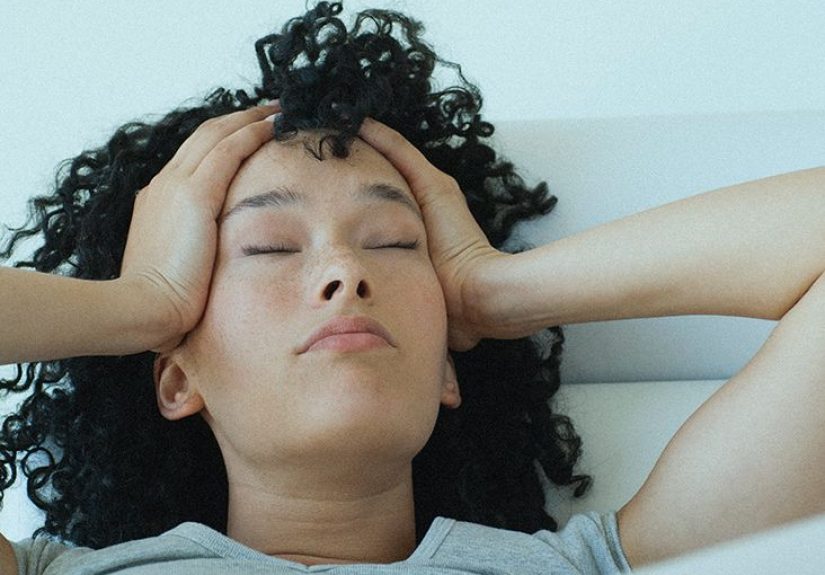
If you’ve ever flipped your part, tugged your ponytail, or simply watched the breeze rearrange your hair and thought,
“Why does my scalp hurt when my hair moves?”welcome to a surprisingly common club. The good news: in most cases,
scalp pain isn’t a mystery curse from the hair gods. It’s usually your skin, nerves, hair follicles, or hairstyle
sending a very dramatic (and very real) message: something is irritated.
This article breaks down the most likely causes of a painful, tender scalp when you move your hairplus what you can
do at home, what a clinician might recommend, and when it’s time to stop Googling and get checked out.
What does “scalp pain when hair moves” actually feel like?
People describe this in a bunch of ways, including:
- Scalp tenderness or soreness along the part line
- A bruised feeling when you brush, comb, or change your hairstyle
- Burning, tingling, itching, or “my hair hurts” sensitivity
- Sharp or electric zaps near the back of the head
- Worse pain after wearing hair up all day
In dermatology, scalp discomfort linked to the hair and follicles is sometimes discussed as trichodynia
or scalp dysesthesia. These terms describe symptoms (pain, burning, tenderness), not a single cause.
Think of them as a “check engine” light, not the whole repair manual.
Why moving your hair can trigger pain
Your scalp is packed with nerve endings, tiny muscles, oil glands, and hair follicles. When something inflames the skin
(like dermatitis), irritates follicles (like folliculitis), or sensitizes nerves (like migraine allodynia),
even mild movement can feel way bigger than it should.
Hair itself isn’t alive, but the structures around each strand are. When you shift hair, you can tug on inflamed follicles,
move irritated skin, or stimulate sensitive nervesso the scalp interprets a normal sensation as pain.
Common causes of a painful scalp when hair moves
1) Tight hairstyles and “ponytail pain” (traction and tension)
If your scalp pain improves the moment you let your hair down, tension is a prime suspect. Tight ponytails, buns,
braids, locks, extensions, and frequent slick styles can pull on follicles and irritate the scalp. Over time,
repeated tension can contribute to traction alopecia (hair loss from pulling).
Clues it’s tension-related: pain is worst at the hairline, temples, or wherever the style pulls most;
the scalp feels “tight”; you notice breakage, thinning edges, bumps, or redness near stressed areas.
2) Seborrheic dermatitis (dandruff that doesn’t just flakeit complains)
Seborrheic dermatitis is a common, chronic scalp condition associated with inflammation and yeast overgrowth on oily
skin areas. It can cause flaking, itching, redness, and sometimes tendernessespecially during a flare.
Clues: greasy or dry-looking flakes, itch, red patches, irritation that gets worse with stress,
cold weather, or harsh hair products.
3) Scalp psoriasis (scales + soreness)
Scalp psoriasis can look like thick, silvery scale or stubborn “dandruff” that doesn’t budge. The inflammation can make
the scalp sensitive, and scratching can add a second layer of pain.
Clues: well-defined patches, thick scale, itch, and possibly psoriasis elsewhere (elbows, knees) or nail changes.
4) Contact dermatitis (your scalp is mad at a product)
New shampoo? Hair dye? Styling gel? Fragrance-heavy dry shampoo? Your scalp can react with irritation or an allergic response.
Hair dye reactions (including to common dye ingredients) can cause redness, itching, burning, swelling, and tenderness.
Clues: symptoms start after a new product or salon service; you may see redness, rash, flaking,
or even small blisters. Sometimes it affects the hairline, ears, neck, or eyelids too.
5) Folliculitis (inflamed or infected hair follicles)
Folliculitis happens when follicles become inflamedoften from bacteria, yeast, irritation, or friction. On the scalp,
it can feel sore, tender, or itchy, and bumps may look like small pimples. Picking or scratching can worsen pain and lead
to more irritation.
Clues: tender bumps, pustules, crusting, itch, or soreness focused around follicles. You might notice
it after sweating, wearing hats/helmets, heavy scalp oils, or close shaving in the area.
6) Fungal infection (tinea capitis / scalp ringworm)
Scalp ringworm (tinea capitis) is more common in children but can occur in teens and adults. It can cause scaly patches,
itching, inflammation, tenderness, and sometimes hair breakage or bald spots. It’s contagious and usually needs prescription
oral antifungal treatment.
Clues: scaly inflamed patches, broken hairs, patchy hair loss, swollen lymph nodes in some cases,
and exposure through close contact or shared combs/hats.
7) Head lice (the itch can come with soreness)
Head lice don’t automatically cause pain, but constant itching and scratching can lead to tenderness and sores.
Lice can also create a persistent “tickle” sensation that makes your scalp feel on edge.
Clues: intense itch (especially behind ears and at the neck), trouble sleeping, visible nits near the scalp,
and other household/school contacts with lice.
8) Migraine-related allodynia (“my hair hurts” is a real symptom)
During a migraine attack, some people develop allodyniapain from normally non-painful touch.
Brushing hair, changing your part, or resting your head on a pillow can feel weirdly painful, like a sunburn made of feelings.
This can happen on the scalp, face, or elsewhere.
Clues: scalp sensitivity with headaches, nausea, light/sound sensitivity, or a known migraine history.
The tenderness may come and go with migraine timing.
9) Occipital neuralgia or neck-related nerve irritation
Occipital neuralgia involves irritation of nerves that run from the upper neck to the scalp. It can cause sharp,
stabbing, or electric-like pain in the back of the head and scalp tenderness that’s triggered by touch or movement.
Tight neck muscles, posture strain, or injury can play a role.
Clues: pain starts at the base of the skull, shoots upward, and may be triggered by brushing hair or
turning your neck. Sometimes there’s scalp sensitivity or tingling.
10) Sunburn (yes, your scalp can burn, even with hair)
A scalp sunburn can make the skin hot, painful, and tenderespecially along the part line, hairline, or thinner areas.
Once the scalp is inflamed, moving hair over it can feel like sandpaper.
Clues: redness, heat, tenderness after sun exposure, and possibly peeling later.
If you’ve ever forgotten that your part is basically a sun “runway,” you’re not alone.
11) Shingles (pain before a rash)
Shingles can start with burning, tingling, or pain before any rash appears. When it affects the scalp or face,
hair movement may irritate already inflamed nerves and skin. This needs prompt medical care because antivirals work best early.
Clues: pain or tingling on one side, sensitivity to touch, then a rash/blisters in a strip-like pattern.
12) Stress, hair shedding, and trichodynia (the “everything feels tender” phase)
Sometimes scalp pain shows up alongside increased shedding (like telogen effluvium after illness,
major stress, medication changes, or hormonal shifts). In these situations, the scalp may feel tender or “prickly,”
even when the skin looks normal. Researchers have discussed links between trichodynia, inflammation around follicles,
and stress-related nerve sensitivity.
Clues: diffuse shedding (more hair in the shower/brush), tenderness without obvious rash, and a trigger
1–3 months earlier (illness, surgery, high stress, major life change).
When to see a clinician quickly
Many causes are manageable at home, but don’t ignore these red flags:
- Severe pain, rapidly worsening tenderness, or fever
- Oozing, spreading redness, swelling, or painful pus-filled bumps
- Patchy hair loss with scalp inflammation or broken hairs
- New one-sided burning pain with a rash (possible shingles)
- Headache plus neurologic symptoms (weakness, confusion, vision changes)
- Scalp tenderness that persists more than 2–3 weeks despite gentle care
How it’s diagnosed (what to expect at an appointment)
A primary care clinician or dermatologist usually starts with:
- History: onset, triggers (products, hairstyles, stress, illness), itching vs burning vs sharp pain
- Scalp exam: redness, scale, bumps, sores, hair breakage, pattern of tenderness
- Hair pull test / dermoscopy: if shedding or hair loss is involved
- Swabs or scrapings: to check for bacterial or fungal infection when suspected
- Headache/nerve assessment: if symptoms match migraine allodynia or occipital neuralgia
The key is matching the treatment to the cause. A “random internet remedy roulette” strategy tends to irritate scalps that are already cranky.
Treatment: what actually helps (by cause)
Start with the gentle reset (works for many situations)
- Loosen your hair (immediately). Swap tight styles for low-tension options.
- Pause new products for 1–2 weeks. Fragrance, essential oils, harsh sulfates, and heavy styling build-up can irritate.
- Use a mild shampoo and lukewarm water. Hot water can worsen inflammation and itch.
- Try cool compresses for irritation or heat; consider warm compresses if muscle tension feels involved.
- OTC pain relief like ibuprofen or acetaminophen may help (follow label directions; ask a clinician if you have medical conditions).
If it looks like dandruff/seborrheic dermatitis
Medicated dandruff shampoos can be very effective. Look for ingredients commonly used for scalp seborrheic dermatitis,
such as ketoconazole, selenium sulfide, zinc pyrithione, coal tar, or salicylic acid (depending on sensitivity).
Use as directed, and give it timeconsistency matters.
If the scalp is very inflamed, a clinician may recommend short-term prescription topical treatments (like steroid solutions/foams)
to calm inflammation.
If it seems like scalp psoriasis
Scalp psoriasis often needs targeted therapy because thick scale can block medications from reaching the skin.
Dermatology treatment plans commonly include prescription topicals (often corticosteroids),
plus scale-softening approaches and medicated shampoos to reduce buildup.
If it’s contact dermatitis (product reaction)
- Stop the suspected product immediately (especially hair dye or fragranced leave-ins).
- Wash gently to remove residue. Avoid scrubbing; irritated skin hates bootcamp.
- Consider an OTC antihistamine for itch (if appropriate for you).
- Seek urgent care for facial swelling, blistering, breathing issues, or severe pain.
If dye is the trigger, you may need a dermatologist or allergist to confirm the allergen and help you avoid repeat reactions.
Patch testing can be a game-changer.
If it’s folliculitis
Mild cases sometimes improve with gentle cleansing and avoiding occlusive products that trap sweat and oil. But persistent,
painful, or spreading folliculitis can require prescription topical or oral medications based on the cause (bacterial vs yeast).
Try not to pickfollicles remember.
If fungal infection is suspected (tinea capitis)
Scalp ringworm typically needs prescription oral antifungals; topical creams alone usually aren’t enough for the scalp.
Because it’s contagious, early treatment also helps protect family members.
If head lice might be involved
Follow evidence-based lice treatment (OTC or prescription products, plus careful combing and household checks).
Itching can linger briefly after treatment, but worsening tenderness, sores, or signs of infection deserve medical advice.
If migraine allodynia is the culprit
Treating the migraine early often helps reduce allodynia. Migraine plans commonly include trigger management,
sleep consistency, hydration, and clinician-recommended acute treatments. If “my hair hurts” shows up often with headaches,
it’s worth discussing migraine care options with a healthcare professional.
If occipital neuralgia or neck strain is suspected
Conservative approaches can help: heat/ice, gentle stretching, posture adjustments, massage, and physical therapy.
If symptoms persist, clinicians may consider targeted treatments such as nerve blocks or medications for nerve pain.
If your scalp is sunburned
- Cool showers or cool compresses
- Aloe vera or gentle fragrance-free moisturizer
- OTC pain relievers as needed
- Extra fluids (sunburn can dehydrate you)
- Protect the scalp: hats, shade, and scalp-friendly sunscreen once skin can tolerate it
Seek medical care for severe blistering, fever, confusion, or dehydration symptoms.
If shingles is possible
Don’t wait it out. Antiviral treatment works best when started early. If you have one-sided burning pain and
then a rash or blisters, especially on the scalp or face, contact a healthcare professional promptly.
If stress/shedding and trichodynia seem likely
The plan is often a blend of scalp kindness and root-cause work:
- Gentle hair care (minimal heat, no tight styles)
- Address the trigger (recovery from illness, stress management, sleep)
- Consider checking for contributing factors with a clinician (iron status, thyroid issues, nutrition) when shedding is significant
- Talk to a dermatologist if pain persistsespecially if there’s hair loss or ongoing burning/tingling
Prevention: keep your scalp from becoming the main character
- Rotate hairstyles and keep tension low, especially at the hairline.
- Patch test hair dye or new products when possible, and avoid known irritants.
- Wash to match your scalp (oily scalps may need more frequent cleansing; dry/scaly scalps may need gentler routines).
- Protect your part from the sunhats and scalp sunscreen are underrated.
- Take headaches seriously; track triggers and symptoms if “hair hurts” comes with migraine features.
- Don’t scratch with enthusiasm. Gentle is faster than aggressive when it comes to healing.
Frequently asked questions
Is scalp pain when hair moves ever “normal”?
Occasional tenderness after a tight style, a sunburn, or during a migraine can happen. But frequent or persistent scalp pain
should be treated as a clueespecially if there’s rash, scale, bumps, hair loss, or nerve-like shooting pain.
Can anxiety or stress really make my scalp hurt?
Stress can amplify nerve sensitivity and worsen inflammatory skin conditions (like seborrheic dermatitis). It can also coincide
with shedding patterns such as telogen effluvium. Stress isn’t “imaginary”it’s a body-wide volume knob.
What if my scalp looks totally normal?
A normal-looking scalp doesn’t rule out nerve-related causes, migraine allodynia, early irritation from products,
or trichodynia. If pain persists, a clinician can help narrow it down.
Bottom line
A painful scalp when the hair moves can come from something simple (tension, sunburn, product irritation) or something that needs
targeted care (seborrheic dermatitis, psoriasis, folliculitis, fungal infection, migraine allodynia, occipital neuralgia, shingles).
Start with gentle changes and observe patterns. If symptoms are severe, spreading, one-sided with rash, or persistent,
it’s worth getting professional guidancebecause your scalp deserves better than suffering in silence under a bun.
Real-world experiences: what people commonly report (and what it can mean)
Because scalp pain can be triggered by so many different pathways, people often describe it in oddly specific ways.
Here are some common experiences that show up again and againalong with the likely “behind the scenes” explanation.
(Think of this section as pattern recognition, not a diagnosis.)
“It hurts exactly where my ponytail sat all day.”
This is the classic tension story. Many people notice the tenderness isn’t everywhereit’s concentrated at the crown,
hairline, or the exact route of elastic pressure. Some describe it as a “tight scalp” sensation that fades over a few hours
after they let their hair down. If the pain is frequent, they might also notice tiny bumps or irritation near the hairline,
or the front edges seem thinner over time. That combopain plus repeated pullingcan be an early sign to switch to looser styles,
rotate placement, and give the scalp recovery days. Your hair follicles aren’t being dramatic; they’re being overworked.
“My scalp feels sore and flaky, and moving my hair stings.”
People often say this during a dandruff flare. The flakes can be mild, but the irritation underneath can be intense.
Brushing through scale may tug at inflamed skin, and even a light touch can sting. A lot of folks also notice a cycle:
stress spikes, sleep drops, weather changesand suddenly the scalp starts “acting up.” When they switch to a medicated shampoo
consistently (not just once when it gets bad), the tenderness often improves along with the itching.
“My hair hurts right before (or during) a migraine.”
Migraine allodynia can feel bizarre the first time: a brush that normally feels relaxing suddenly feels painful.
People describe it as a sunburn-like sensitivity on the scalp, where even shifting the part line hurts.
What makes this experience especially confusing is that the scalp can look completely normal. The clue is timing:
it often arrives alongside other migraine symptomsthrobbing headache, nausea, light sensitivity, sound sensitivity,
or fatigue. Many people find that treating the migraine early reduces the scalp sensitivity, and tracking triggers
(missed meals, dehydration, sleep disruption) helps prevent the whole “my hair is insulting me” phase.
“After I colored my hair, my scalp burnedand now it’s tender when I touch it.”
Product reactions can be immediate or delayed. Some people feel itching and burning within hours; others notice it the next day,
then realize the scalp is sore when they shampoo or comb. This experience often comes with redness, flaking, or irritation around
the hairline, ears, or neck. A big lesson people learn the hard way: “natural” doesn’t automatically mean “non-irritating.”
Fragrance, essential oils, preservatives, and dye chemicals can all trigger irritation or allergy. When symptoms are intense
especially if there’s swellingpeople often need medical advice rather than trying to “power through” with more products.
“My scalp hurts and I’m shedding more hair than usual.”
Another frequent experience is tenderness paired with diffuse shedding after a stressful eventillness, a major life change,
or prolonged sleep disruption. People may not see rash or bumps, but they feel soreness when hair shifts.
Some describe it as a constant low-level “tender scalp” that makes them more aware of every strand.
In many cases, the shedding improves over months once the trigger resolves. Still, people often feel better when they check in with
a clinicianboth to confirm the pattern and to rule out contributors like iron deficiency or thyroid issues. It’s also common for
people to realize that aggressive “fixes” (tight styles, harsh scalp scrubs, constant dry shampoo) made the discomfort worse.
Gentle care tends to win here.
The shared theme across these experiences: scalp pain usually makes more sense once you connect it to a patterntension,
inflammation, infection, nerve sensitivity, sun damage, or a systemic stressor. If your story doesn’t match any of these,
or symptoms are persistent or severe, that’s your cue to get a tailored evaluation.