Table of Contents >> Show >> Hide
- What Is Pancreas Divisum?
- How Common Is It?
- Causes: What Actually Leads to Pancreas Divisum?
- Symptoms of Pancreas Divisum
- How Pancreas Divisum Is Diagnosed
- Treatment Options: What Can Be Done?
- Pancreas Divisum Diet: What to Eat (and What to Avoid)
- Lifestyle Habits That Matter More Than People Think
- Living With Pancreas Divisum: What Follow-Up Might Look Like
- FAQ
- Conclusion
- Real-Life Experiences & Lessons Learned (Extra Section)
If your pancreas had a user manual, pancreas divisum would be in the “factory settings” sectionnot the “you broke it” section. It’s a common congenital (you’re born with it) variation in how the pancreatic ducts are wired. Most people never know they have it. But for a smaller group, it can be linked to pancreas irritation and inflammation (pancreatitis), which is where symptomsand a lot of questionstend to show up.
This guide explains what pancreas divisum is, why it happens, what symptoms can look like, how it’s diagnosed, and what diet and lifestyle habits can help if you’re dealing with pancreatitis-like flares. We’ll also cover treatment options, what’s actually supported by evidence, and what real people commonly experience while figuring it all out.
What Is Pancreas Divisum?
The pancreas makes digestive enzymes (to break down food) and hormones like insulin (to manage blood sugar). Those digestive enzymes travel through a duct system and drain into the first part of the small intestine (the duodenum).
In most people, two embryologic duct systems fuse together before birth to form one main drainage pathway. In pancreas divisum, the ducts don’t fully fuse, so most pancreatic juices drain through a smaller opening called the minor papilla instead of the major one. Think of it as routing freeway traffic through a smaller exit ramp: usually fine, occasionally a bottleneck.
Types of Pancreas Divisum
- Complete pancreas divisum: The ducts remain separate.
- Incomplete (partial) pancreas divisum: There’s a small connection, but drainage is still mostly separate.
How Common Is It?
Pancreas divisum is considered the most common congenital pancreatic duct variant. Importantly, most people have no symptoms and find out only by accident during imaging done for something else.
A smaller percentage of people experience pancreatitis-like symptoms or recurrent pancreatitis episodes. When symptoms happen, they’re often tied to impaired drainage through the minor papilla or other contributing factors (like genetics, triglycerides, gallstones, alcohol use, certain medications, or anatomic issues that stack the odds).
Causes: What Actually Leads to Pancreas Divisum?
Here’s the short version: you’re born with it. It’s not caused by diet, stress, spicy food, or that time you ate gas-station sushi (even if your stomach is still holding a grudge).
So why do symptoms show up later?
Pancreas divisum itself is an anatomic setup. Symptoms tend to appear only when that setup contributes to a problemmost commonly:
- Acute pancreatitis (sudden inflammation)
- Recurrent acute pancreatitis (episodes that keep coming back)
- Chronic pancreatitis (long-term inflammation and scarring)
- Pancreatic-type abdominal pain without clear pancreatitis on labs/imaging (this is trickier and more debated)
Symptoms of Pancreas Divisum
Many people have no symptoms. When symptoms occur, they often mimic pancreatitis (because that’s frequently the actual issue). Symptoms can range from mild to “please do not talk to me or my pancreas ever again.”
Common symptoms when pancreatitis is involved
- Upper abdominal pain, often central or left-sided, sometimes radiating to the back
- Nausea and vomiting
- Pain that worsens after eating (especially high-fat meals)
- Fever (in more significant inflammation)
- Loss of appetite
- Unintended weight loss (especially if chronic pancreatitis develops)
Signs chronic pancreatitis or poor digestion may be developing
- Greasy, pale, foul-smelling stools that float (steatorrhea)
- Bloating and gas
- Difficulty maintaining weight
- Vitamin deficiencies (often fat-soluble vitamins) if malabsorption occurs
- Blood sugar issues if the pancreas’ endocrine function is affected over time
When to seek urgent care
Get medical help quickly if you have severe abdominal pain (especially with vomiting), fever, fainting, yellowing of the skin/eyes (jaundice), confusion, or signs of dehydration. Pancreatitis can be serious and sometimes requires hospital care.
How Pancreas Divisum Is Diagnosed
Diagnosis usually happens through imaging that looks at duct anatomy. Your clinician may also run bloodwork if pancreatitis is suspected (such as pancreatic enzymes), but imaging is key for seeing divisum.
Common tests
- MRCP (Magnetic Resonance Cholangiopancreatography): A specialized MRI technique that visualizes the pancreatic and biliary ducts. Sometimes “secretin-enhanced” MRCP is used to better show duct drainage.
- Endoscopic ultrasound (EUS): Uses an ultrasound probe on an endoscope to view the pancreas and ducts closely and look for stones, scarring, or other causes of pancreatitis.
- ERCP (Endoscopic Retrograde Cholangiopancreatography): An endoscopic procedure that can diagnose duct anatomy and also treat problems, but it’s invasive and carries a pancreatitis risk. Because of that, it’s often reserved for situations where treatment is being considered.
A practical way to think about it: MRCP and EUS are often used to map the situation. ERCP is more like: “We’re not just lookingwe may be doing something about it.”
Treatment Options: What Can Be Done?
Treatment depends on your symptomsnot the mere existence of pancreas divisum. If you’re asymptomatic, you typically don’t need treatment.
1) If you have no symptoms
Usually, no treatment is needed. You may simply carry the information forward so future clinicians interpret imaging correctly.
2) If you have pancreatitis or recurrent acute pancreatitis
The focus is to reduce triggers, manage inflammation, and address any correctable causes. That may include:
- Managing gallstones (if relevant)
- Addressing high triglycerides
- Stopping alcohol (strongly recommended for pancreatitis)
- Stopping smoking (linked to worse pancreatic outcomes)
- Diet changes and nutrition support
- Considering endoscopic therapy in selected cases
Endoscopic therapy (minor papilla intervention)
In selected patientsespecially those with recurrent acute pancreatitis where pancreas divisum is believed to contributegastroenterologists may consider ERCP-based therapy such as minor papillotomy (minor papilla sphincterotomy) and sometimes temporary duct stenting.
Here’s the important nuance: for years, observational studies suggested some people improved after minor papilla therapy. But more recent higher-quality evidence has been mixed, including a randomized trial that did not find a statistically significant reduction in pancreatitis episodes compared with a sham procedure in a specific group of patients. That doesn’t mean “never do it.” It means it’s a decision that should be individualized with a specialist who treats pancreatic disease often.
3) If you have chronic pancreatitis or exocrine pancreatic insufficiency (EPI)
Chronic pancreatitis care can include:
- Pancreatic enzyme replacement therapy (PERT) if digestion is impaired (prescription enzymes taken with meals)
- Nutritional support (adequate calories/protein; monitoring vitamin levels)
- Pain management (often multi-layered and guided by specialists)
- Managing diabetes risk if endocrine function is affected
Pancreas Divisum Diet: What to Eat (and What to Avoid)
There isn’t a magical “pancreas divisum diet” that changes duct anatomysorry, the pancreas does not read wellness blogs. Diet matters because it can help reduce pancreatitis risk, lessen digestive strain, and support recovery after a flare.
Core principles most clinicians recommend
- Go lower-fat: Fat stimulates the pancreas. Lower-fat meals can be easier to tolerate during or after pancreatitis.
- Smaller, more frequent meals: Many people do better with 4–6 smaller meals instead of 1–2 “epic” meals.
- Hydration: Pancreatitis can be dehydrating; fluids matter.
- Avoid alcohol: Strongly recommended for pancreatitis prevention and healing.
- Limit fried and ultra-rich foods: They’re common flare triggers for many people.
Foods that usually play nicely with a sensitive pancreas
- Lean proteins: skinless chicken/turkey, fish, egg whites, tofu, beans/lentils (as tolerated)
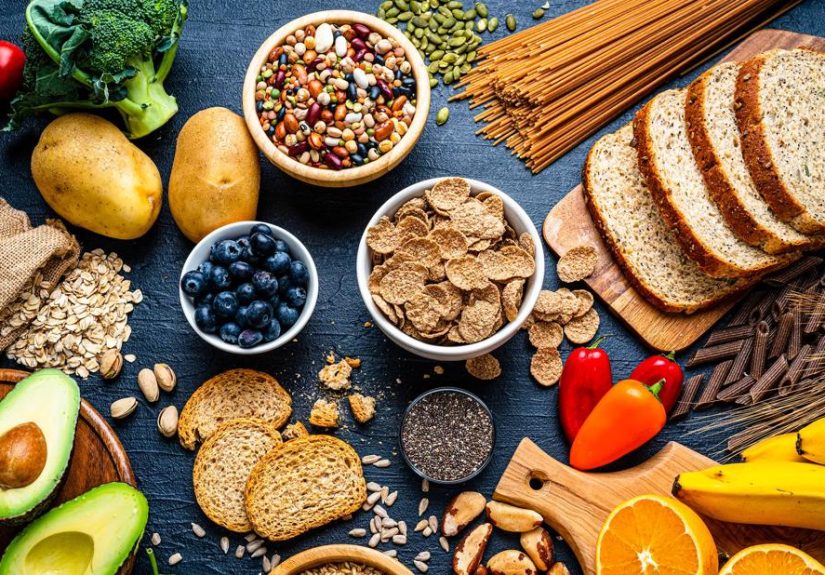
- Whole grains: oatmeal, brown rice, quinoa, whole wheat toast (watch portion size during flares)
- Fruits and vegetables: cooked options may be gentler during recovery; raw can be reintroduced later
- Low-fat dairy or alternatives (if tolerated)
- Broth-based soups and simple meals during recovery phases
Foods many people limit (especially during flare-prone periods)
- Fried foods, fast food
- High-fat meats (bacon, sausage, ribs), heavy cream sauces
- Full-fat dairy and rich desserts
- Large “fat-bomb” meals (even if they’re labeled keto and have a motivational quote)
- Alcohol
A realistic 1-day sample (gentle, lower-fat)
- Breakfast: oatmeal with berries + a small serving of low-fat yogurt (or dairy-free alternative)
- Snack: banana + a handful of pretzels
- Lunch: turkey sandwich on whole grain + veggie soup
- Snack: applesauce or a smoothie with fruit and low-fat protein
- Dinner: baked fish + rice + steamed vegetables
- Evening: herbal tea or water; small snack if needed
If you have chronic pancreatitis, malabsorption, or weight loss, a registered dietitian can tailor calories and fat intake safely. Some people may need enzyme therapy and vitamin monitoring rather than “just eat salads forever.”
Lifestyle Habits That Matter More Than People Think
Alcohol and smoking
If pancreatitis is part of your picture, most major medical sources strongly advise avoiding alcohol, even if episodes have been “mild.” Tobacco use is also linked with worse pancreatic outcomes and can increase risks over time.
Medication review
Some medications can be associated with pancreatitis in rare cases. Don’t stop prescriptions on your ownbut do ask your clinician to review your med list, especially if pancreatitis is recurrent and the cause isn’t obvious.
Triglycerides and gallbladder health
High triglycerides and gallstones are common pancreatitis triggers. If you’ve had pancreatitis, your clinician may check lipid levels and gallbladder status as part of the workup.
Living With Pancreas Divisum: What Follow-Up Might Look Like
If you’ve had symptoms or pancreatitis episodes, follow-up often includes:
- Tracking symptoms and triggers (food, alcohol, big meals, dehydration)
- Periodic lab tests if clinically needed
- Imaging if episodes recur or complications are suspected
- Nutrition assessment (weight trends, vitamin levels, blood sugar in chronic disease)
- Referral to a pancreas specialist or center for recurrent cases
FAQ
Is pancreas divisum dangerous?
Usually nomost people never have symptoms. It becomes clinically relevant primarily when linked to pancreatitis or recurrent pancreatic-type pain.
Can diet “fix” pancreas divisum?
Diet won’t change duct anatomy, but it can reduce pancreatitis risk and help you feel better if your pancreas is easily irritated.
Do I need surgery?
Most people don’t. When intervention is considered, it’s often endoscopic (ERCP-based). Surgery is typically reserved for select situations and specialist care.
What’s the best test?
Many clinicians start with MRCP or EUS for evaluation. ERCP is more invasive and often reserved for cases where treatment might be performed.
Conclusion
Pancreas divisum is common, usually harmless, and often discovered by chance. When it does cause trouble, it’s usually because it’s part of a bigger story especially recurrent pancreatitis. The most helpful approach is practical: understand your diagnosis, treat pancreatitis triggers seriously (especially alcohol), use a lower-fat, smaller-meal eating pattern if flares are an issue, and work with a clinician who regularly manages pancreatic disorders if episodes recur.
Your pancreas may be small, but it’s powerfullike a tiny office manager who controls both digestion and blood sugar. Treat it well, and it’s far less likely to call an emergency meeting at 2 a.m.
Real-Life Experiences & Lessons Learned (Extra Section)
People who discover they have pancreas divisum often describe the diagnosis as equal parts relief and confusion. Relief because there’s finally a name for what may have been labeled “mystery stomach pain,” and confusion because the next question is always: “Okay… so what do I do with this information?”
One common experience is the accidental diagnosis. Someone gets imaging for gallbladder symptoms, reflux, or a totally unrelated issue, and the report casually mentions “pancreas divisum.” The person feels fineso they Google it (brave), see the word “pancreatitis,” and suddenly they’re evaluating every twinge in their abdomen like it’s a high-stakes detective case.
For those who do have symptoms, the journey often starts with pattern recognition. Many people notice that flare-ups cluster after: big, high-fat meals; dehydration; heavy alcohol use (or even smaller amounts if the pancreas is already sensitive); and long stretches of stress plus poor sleep. They’ll say things like, “I didn’t realize how much my pancreas cared about my lifestyle… until it started filing complaints.”
On the diet side, a frequent learning curve is that “low-fat” doesn’t have to mean “joyless.” People often experiment with: baked or grilled proteins, broth-based soups, fruit, oatmeal, rice bowls, and simple sandwich-type meals. Many report doing better with smaller meals spread through the dayespecially during recovery. A surprising number say that the single most helpful habit is just hydration, because dehydration seems to make everything feel more intense (and recovery slower).
Another theme: the emotional side of eating. After a painful episode, it’s normal for people to fear foodbecause food feels like the trigger. Many find it useful to reintroduce foods gradually and keep a simple log (not a forever diaryjust long enough to spot patterns). Over time, they often learn their personal “red flag meals.” For one person it’s fried food; for another it’s rich dairy; for another it’s large portions late at night. The goal becomes: avoid the predictable landmines while still eating a balanced diet that supports energy, school/work, and normal life.
When specialist care enters the picture, people frequently talk about the importance of being seen at a clinic that treats a lot of pancreatitis cases. They describe a shift from “try this and see” to a more structured plan: evaluating other causes, deciding whether endoscopic therapy makes sense, and building a nutrition strategy that prevents weight loss and nutrient deficiencies. Those who end up considering ERCP-based procedures often describe it as a careful risk–benefit discussionbecause while some people feel better afterward, it’s not a guaranteed fix, and procedures can carry real risks.
Probably the most encouraging shared experience is this: once people understand the condition and their triggers, many say their lives get dramatically calmer. Fewer surprise flares. Less anxiety around meals. More confidence in traveling, exercising, and planning ahead. They learn that pancreas divisum isn’t a life sentenceit’s information. And in healthcare, good information is basically a superpower.
If you’re navigating this now, a helpful mindset is: you’re building a “user guide” for your own body. It takes time, but each flare, each adjustment, and each conversation with a knowledgeable clinician adds a page to that guide. And the final version usually reads: “I know what my pancreas dislikes, and I’m not giving it the satisfaction.”