Table of Contents >> Show >> Hide
- What Is Pattern Drenching?
- Why Pattern Drenching Is Trending in 2025
- Where Pattern Drenching Works Best
- How to Do Pattern Drenching Without Creating Chaos
- Pattern Drenching Styles That Work in 2025
- Common Pattern Drenching Mistakes to Avoid
- Will Pattern Drenching Last Beyond 2025?
- Final Thoughts
- Experiences and Real-Life Lessons With Pattern Drenching in 2025 (Extended)
If 2024 was the year people cautiously flirted with bold wallpaper, 2025 is the year they said, “You know what? Put it on the walls, the ceiling, the curtains, the headboard, and maybe my soul.” Welcome to the era of pattern drenchinga design move that turns a room into a full-on mood.
And honestly? It makes sense. After years of safe neutrals, white walls, and “minimalist but make it expensive” interiors, homeowners are craving rooms with personality, warmth, and a little bit of drama. Pattern drenching delivers all three. It can feel theatrical, cozy, nostalgic, playful, or luxurious depending on how you do itand that flexibility is exactly why it’s exploding across interior design trends in 2025.
In this guide, we’ll break down what pattern drenching actually means, why it’s trending now, where it works best, how to do it without visual chaos, and how to make the look feel stylish instead of “I lost a bet at the fabric store.”
What Is Pattern Drenching?
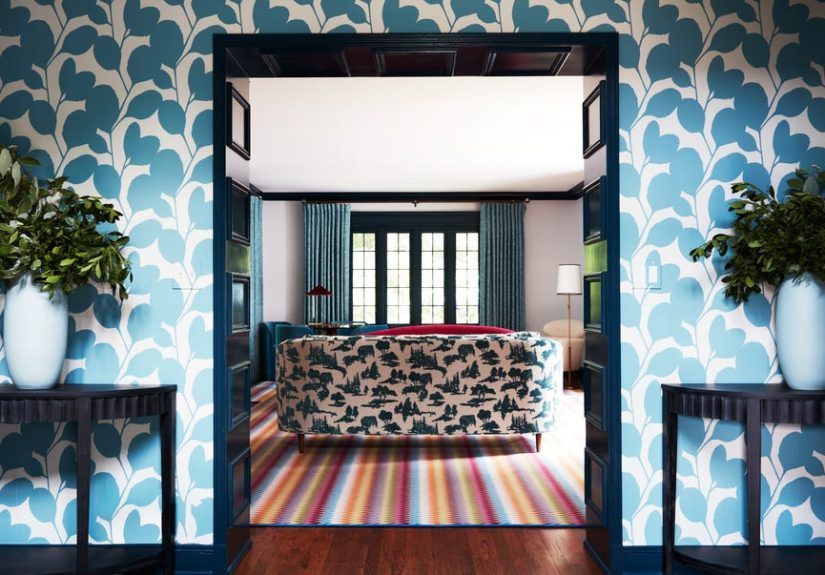
Pattern drenching is the practice of covering a room in one dominant patternor in some cases, multiple coordinated patternsacross several surfaces. Think wallpaper on the walls and ceiling, matching or related textiles on window treatments, upholstered furniture, bedding, lampshades, and accents.
Here’s where it gets interesting: designers and publications describe the trend in two slightly different ways, and both are valid in 2025.
Version 1: The Single-Pattern Saturation Look
This approach uses one signature print repeatedly across the room. It feels immersive, cohesive, and often surprisingly elegant. It’s like color drenching’s more dramatic cousin who owns vintage scarves and knows how to host dinner parties.
Version 2: The Layered Pattern-Party Look
This interpretation still aims for an enveloping room, but it layers multiple patterns (florals, stripes, geometrics, plaids) within a tight palette. It’s bolder, more eclectic, and a favorite for homeowners who want that curated-but-personal “collected over time” vibe.
Either way, the goal is the same: create a room that feels intentional, immersive, and memorablenot just decorated.
Why Pattern Drenching Is Trending in 2025
1) People Want More Personality at Home
2025 interiors are leaning hard into character. Design trends across the year point to richer colors, layered textures, stronger visual identity, and rooms that reflect the people living in them. In other words: less showroom, more story.
Pattern drenching fits perfectly because it instantly gives a space a point of view. Even a small powder room can go from “functional” to “main character energy” with the right print repeated across surfaces.
2) It Feels Cozy, Not Just Bold
Despite the name, pattern drenching isn’t just about “more.” It’s about enclosure. When the walls, ceiling, and soft furnishings work together, the room can feel cocoon-like and comforting. That’s a huge reason bedrooms, bathrooms, and small nooks are natural fits for this trend.
In a year where cozymaxxing, layered comfort, and emotionally soothing interiors are all part of the conversation, pattern drenching gives homeowners a way to be bold and snug at the same time. Yes, your room can be dramatic and nap-friendly.
3) It’s the Next Step in the “Drenching” Evolution
Design has been on a drenching streak. First came color drenching (one hue across walls, trim, ceiling, and more), then newer variations like double drenching and even material drenching entered the conversation. Pattern drenching feels like the natural next move: instead of saturating a room with one color, you saturate it with visual rhythm.
That progression matters because it shows this isn’t a random trend. It’s part of a larger shift toward immersive interiorsspaces that feel designed from every angle, including the often-ignored “fifth wall” (the ceiling).
4) It Looks Incredible on Camera (But Also Works in Real Life)
Let’s be honest: pattern-drenched rooms are wildly photogenic. They pop on Pinterest, Instagram, and TikTok because they’re immediately recognizable and full of texture. But unlike some social-media trends, this one can actually have staying power when done well.
The trick is to ground the look in a pattern you genuinely love and to balance the room with smart furniture choices, texture variation, and a clear palette. Translation: don’t choose a wallpaper just because it looked cool in a 12-second reel filmed under perfect lighting.
Where Pattern Drenching Works Best
Small Rooms and Tight Spaces
If you’re new to the trend, start with a powder room, guest bath, reading nook, or small office. These spaces are easier to control, cheaper to experiment with, and naturally suited to dramatic design moves. A little room can handle a big personality.
Bedrooms
Bedrooms are ideal because they’re already meant to feel cozy and enveloping. Pattern drenching can make a bedroom feel like a boutique hotel, an English countryside guest room, or a maximalist hideaway depending on your print choice.
Try repeating a floral or stripe from wallpaper into Roman shades, bedding trim, or a bench cushion. You don’t need every item to match perfectly; you just need the room to feel like it’s speaking the same visual language.
Rooms With Minimal Architectural Detail
Simple rooms often benefit most from pattern drenching because the print creates visual architecture where there isn’t much built-in character. It can also help disguise awkward ceiling angles, odd corners, or mismatched millwork by turning the room into one cohesive envelope.
Low-Light Spaces
A room with limited natural light doesn’t have to be boring. In fact, pattern drenching can bring life and depth into darker spacesespecially with tonal prints, moody palettes, and texture-rich textiles that catch lamplight beautifully.
Where to Be More Careful
Kitchens and large open-plan living areas can be trickier. There are often too many visual interruptions (cabinetry, appliances, counters, art, electronics, traffic flow), which can make the pattern feel broken up instead of immersive. It’s not impossibleit just takes more planning and restraint.
How to Do Pattern Drenching Without Creating Chaos
1) Start With an Anchor Pattern
Pick the print that sets the tone for the room. This is your anchorusually the wallpaper, but it can also be a fabric. If you’re going for the layered version of pattern drenching, start with your boldest or most graphic pattern first, then build around it.
Ask yourself:
- Do I still like this pattern after looking at it for more than 10 minutes?
- Can I imagine it on multiple surfaces?
- Does it fit the mood I want (calm, playful, dramatic, vintage, tailored)?
2) Keep a Tight Color Palette
This is the golden rule. Even if your patterns are having a party, they should all know the host. A shared palette keeps the room cohesive and prevents it from feeling like five different ideas had a group chat and no moderator.
A good pattern-drenched palette often includes:
- 1–2 dominant colors
- 1 supporting color
- 1 neutral or grounding tone (cream, brown, charcoal, olive, etc.)
3) Mix Scale and Motif
If everything is the same scale, the room can feel flat or overly busy. Pair a large floral with a smaller stripe, or a bold geometric with a subtle tonal print. Contrast creates rhythm. Rhythm creates intention. Intention keeps your guests from saying, “Wow… there’s a lot happening in here.”
4) Don’t Forget the Ceiling
Many of 2025’s biggest home decor trends emphasize ceilings as design features, and pattern drenching thrives on that idea. Carrying wallpaper or print to the ceiling helps create the immersive effect that makes the trend feel special.
If a full ceiling application feels scary, start with:
- a patterned ceiling in a powder room,
- a subtle stripe overhead in a bedroom, or
- a wallpaper mural that wraps upward just enough to create drama.
5) Give the Eye a Place to Rest
Yes, this is a maximalist movebut even maximalism benefits from breathing room. Use solids, natural materials, and quieter textures to balance the look. Think wood furniture, linen upholstery, leather accents, or simple silhouettes that let the pattern shine.
Pattern drenching is strongest when it feels edited, not accidental.
6) Test Before You Commit
Pattern drenching is hard to fully visualize from one tiny swatch. Order samples. Tape them to the wall. View them in daylight, lamplight, and “why am I awake at 2 a.m.” light. If possible, mock up a few combinations with fabrics and paint chips before placing orders.
Pattern Drenching Styles That Work in 2025
English-Inspired Florals
Romantic florals, chintz-inspired prints, and heritage motifs are having a momentespecially when paired with tailored trims, deep paint colors, and vintage lighting. This look feels nostalgic but not old-fashioned when balanced with cleaner furniture lines.
Stripes and Plaids
Stripes and plaids are excellent entry points because they’re structured and easier to repeat across surfaces. A two-color stripe can feel crisp and architectural, while plaid adds warmth and a timeless, library-ready mood.
Tonal Botanicals
If you want drama without sensory overload, tonal botanicals are a smart choice. Repeating a botanical motif in a restrained palette creates movement while staying calm enough for everyday living.
Geometric Prints
Geometrics are ideal for modern or transitional homes. They pair well with sculptural furniture, rich woods, and the moody earth tones that continue to dominate 2025 palettes.
Common Pattern Drenching Mistakes to Avoid
- Choosing a pattern only because it’s trendy: If you don’t love it, you’ll resent it by month three.
- Ignoring furniture interaction: Wallpaper is only part of the equation. Your upholstery, curtains, and lighting must support it.
- Using patterns that compete in scale: Variety creates harmony; repetition without contrast can become visual static.
- Forgetting lighting: A dramatic pattern may look elegant in daylight and muddy at night without proper layered lighting.
- Taking “drenching” too literally: You can still vary finish, texture, and material. Full saturation does not mean zero nuance.
Will Pattern Drenching Last Beyond 2025?
Like most trends, the exact label may evolve. But the design instincts behind itimmersive rooms, stronger personality, layered comfort, and a move away from sterile minimalismare likely to stick around.
In fact, one of the biggest clues that pattern drenching has legs is that the broader design world is already expanding the drenching concept into color, double drenching, and material-focused versions. That usually happens when a trend taps into a deeper shift in how people want to live, not just how they want their homes to photograph.
So yes, the phrase “pattern drenching” may someday share a shelf with other trend terms we only say with a wink. But the actual resultrooms with confidence, warmth, and characteris not going anywhere.
Final Thoughts
Pattern drenching in 2025 is more than a flashy wallpaper trick. It’s a design mindset: commit to a mood, build a room that feels immersive, and let your home show a little personality. Start small if you’re nervous. Keep your palette tight. Mix scale thoughtfully. And choose patterns you genuinely lovenot patterns your algorithm told you to love.
Because the best pattern-drenched room isn’t the one that gets the most saves. It’s the one you walk into and immediately think, “Yep. This feels like me.”
Experiences and Real-Life Lessons With Pattern Drenching in 2025 (Extended)
One of the most interesting things about pattern drenching in 2025 is how differently people experience it in real homes versus on social media. On-screen, it looks instant: one dramatic wallpaper reveal, a quick curtain swap, and suddenly the room looks like a magazine spread. In real life, the process is slower, messier, and honestly more fun.
A common first experience is the “sample panic” phase. Homeowners order three or four wallpapers, hold them up to the wall, and immediately wonder if they’ve made a terrible decision. The print that looked elegant online may read too busy in a small room. The one that looked plain in photos may suddenly look perfect in person. This is normal. Pattern drenching is deeply dependent on scale, lighting, and what else is already in the room.
Another frequent experience is that people expect the wallpaper to do all the work. Then they install it, stand back, and realize the room still feels unfinished. Why? Because pattern drenching is not just wall treatmentit’s a layering strategy. The room comes alive when the curtains echo the palette, when a lamp shade picks up a secondary tone, when a bench cushion or throw reinforces the pattern story. The “wow” moment often happens in stages, not all at once.
Small spaces tend to produce the happiest first-timers. Powder rooms, especially, are where many people fall in love with the trend. There’s less square footage, lower cost, and more freedom to be dramatic. Guests open the door and instantly react. It becomes the room everyone talks about. People who would never commit to a full pattern-drenched living room often discover that a bold powder room gives them confidence to try a bedroom or office next.
Bedrooms create a different kind of experience. When pattern drenching works in a bedroom, it often feels unexpectedly restfulmore cocoon than circus. The key is usually a tighter palette and softer textures. Homeowners who choose tonal florals, muted stripes, or earthy botanicals often say the room feels warmer and more intentional, especially at night with lamplight. It’s the visual equivalent of switching from overhead office lighting to candlelit dinner.
There are also cautionary tales, and they’re useful. The most common regret is over-mixing too early: too many motifs, too many colors, too much contrast. Another one is ignoring the ceiling and trim, then wondering why the room doesn’t feel immersive. Sometimes the fix is simplepaint trim in a supporting shade, add patterned window treatments, or swap in a quieter rug to rebalance the room.
What stands out most in 2025 is that the people enjoying pattern drenching the most aren’t chasing perfection. They’re building rooms with personality. A slightly mismatched chair, a vintage lamp, a favorite textile from travelthose details make the trend feel lived in rather than staged. And that may be the best lesson of all: pattern drenching works best when it looks less like a trend experiment and more like a room you genuinely want to spend time in.