Table of Contents >> Show >> Hide
- Why 2026 Bedroom Design Feels Different
- 1. Cocooning Bedrooms Are Taking Over
- 2. Color Drenching Is Moving Into the Bedroom
- 3. Warm Browns, Clay Tones, and Earthy Colors Are Replacing Sterile Neutrals
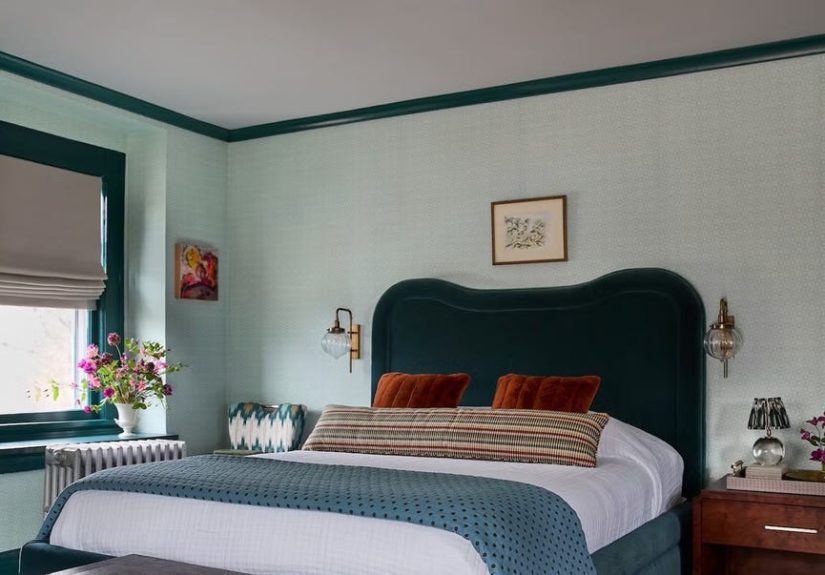
- 4. Statement Headboards Are Getting Bigger, Wider, and Softer
- 5. Canopy Beds and Draped Details Are Back
- 6. Analog Bedrooms and Hidden Tech Are the New Luxury
- 7. Layered Lighting Is Becoming Non-Negotiable
- 8. Quiet Bedding Is Beating Fussy Bedding
- 9. Curved, Low-Slung, and Mixed Furniture Feels More Personal
- 10. The Bedroom Is Expanding Into a Real-Life Retreat
- How to Bring 2026 Bedroom Trends Into Your Own Home
- Final Thoughts
- Living With These Trends: What the Experience Actually Feels Like
- SEO Tags
Note: This article is written for web publication, in original editorial style, and cleaned of unnecessary citation artifacts.
If the bedroom trends of the last decade had a slogan, it would probably be: “Please enjoy this tasteful beige rectangle.” Nice? Sure. Memorable? Not exactly. In 2026, bedroom design is taking a much more interesting turn. Spaces are getting softer, moodier, more personal, and a lot less obsessed with looking like a hotel room that charges $38 for almonds.
The biggest bedroom design trends of 2026 are not about flashy gimmicks or showroom perfection. They are about comfort with character. Designers are leaning into cocooning shapes, richer colors, hidden tech, tactile materials, statement beds, and thoughtful details that make a room feel like a real retreat instead of a storage unit with pillows.
Whether you are planning a full remodel or just trying to make your room feel less “laundry headquarters with a nightstand,” these are the modern bedroom trends worth watching now.
Why 2026 Bedroom Design Feels Different
What sets bedroom design trends in 2026 apart is the mood behind them. This year’s spaces are less about strict minimalism and more about emotional comfort. Homeowners want bedrooms that help them rest, reset, and actually enjoy being off-duty. That means warm materials, layered lighting, restful color palettes, and furnishings that feel collected rather than copied from one page of a catalog.
In other words, the bedroom is no longer an afterthought. It is becoming the most intentional room in the house.
1. Cocooning Bedrooms Are Taking Over
The headline trend for 2026 is the cocoon bedroom. Think padded, upholstered, layered, and softly enveloping. Hard edges are fading, and in their place come wrapped headboards, upholstered wall panels, plush textiles, and calming layouts that make the room feel like a deep exhale.
This trend works because it combines visual softness with real comfort. A cocooning bedroom does not just look cozy; it behaves that way. Acoustics feel softer. Light feels warmer. The bed becomes less of a piece of furniture and more of a destination.
How to try it
Start with one large comfort-driven element: an upholstered bed, a wider headboard, a padded bench, or fabric wall treatment behind the bed. Add washed linen, mohair, velvet, or brushed cotton in tonal layers. The goal is not “more stuff.” The goal is a room that feels wrapped, quiet, and calm.
2. Color Drenching Is Moving Into the Bedroom
If you are tired of white walls and one lonely accent wall trying to do all the heavy lifting, 2026 has news for you: color-drenched bedrooms are everywhere. This trend means using one main hue across walls, trim, ceiling, and sometimes even furniture or textiles to create an immersive, atmospheric effect.
And no, it does not have to look like you fell into a paint can. Done well, color drenching makes a bedroom feel intentional and soothing. Deep olive, smoky blue-gray, cocoa brown, dusty plum, clay, and burgundy are especially strong directions this year.
How to make it feel livable
Pick a shade with depth, then vary texture instead of color. A matte wall, satin trim, velvet headboard, linen bedding, and a woven rug all in related tones can make the room feel rich instead of flat. This is one of the easiest bedroom paint trends for 2026 to borrow, even in a small space.
3. Warm Browns, Clay Tones, and Earthy Colors Are Replacing Sterile Neutrals
Bedroom color palettes are getting warmer. Beige is not exactly banned, but it has to work harder now. In 2026, expect to see cocoa, mushroom, chestnut, rust, mauve, olive, clay, and brown-based neutrals used to make bedrooms feel grounded and intimate.
These shades are especially appealing because they read as restful without feeling bland. A warm brown bedroom can feel elegant. A clay-toned room can feel cozy and modern. An olive bedroom can feel moody without tipping into gloom. Basically, the room finally has a pulse.
Best places to use these colors
Walls are the obvious choice, but earthy color works beautifully on bedding, drapery, rugs, painted millwork, and even lampshades. If you are nervous, begin with textiles in cocoa or olive and let the room build its confidence slowly.
4. Statement Headboards Are Getting Bigger, Wider, and Softer
In 2026, the headboard is no longer playing a supporting role. It is the star. Designers are embracing wall-to-wall headboards, shelter-style silhouettes, curved shapes, extended upholstered panels, and tactile fabrics that turn the entire bed wall into a focal point.
This shift makes sense. The bed is already the visual anchor of the room, so why not let it do the heavy lifting? A dramatic headboard instantly adds architecture, comfort, and polish, even if the rest of the space stays relatively simple.
What works best
Linen, velvet, mohair, brushed cotton, and paneled wood details are especially on trend. A wall-spanning headboard in ochre, olive, camel, or burgundy can make an ordinary bedroom feel custom. It also gives the room that boutique-hotel energy without forcing you to pay for tiny shampoo bottles.
5. Canopy Beds and Draped Details Are Back
Yes, the canopy bed is back, and thankfully it has matured. Instead of the overly formal, heavy versions people remember from older styles, the 2026 take is softer, cleaner, and much more relaxed. Four-poster beds, half-testers, and canopies with minimal lines are returning because they create privacy, softness, and a little drama in the best possible way.
Drapery is also showing up in unexpected places, from bed canopies to wall treatments to softly framed alcoves. The result is romantic without being fussy and dramatic without being exhausting.
How to use it without overdoing it
Choose a streamlined canopy frame in wood or metal, then pair it with restrained bedding and simple side tables. Or use drapery around a headboard wall, reading nook, or window seat. Even one fabric-wrapped area can make the entire bedroom feel more intimate.
6. Analog Bedrooms and Hidden Tech Are the New Luxury
One of the most talked-about bedroom ideas for 2026 is also one of the calmest: less visible technology. Designers are seeing more requests for bedrooms that feel low-tech, screen-light, and mentally quieter. Some homeowners are hiding TVs behind panels or artwork. Others are moving chargers into drawers, minimizing glowing devices, or removing screens from the room altogether.
The appeal is obvious. People want the bedroom to support better sleep and less stimulation. In an always-on world, a room that is not constantly blinking, buzzing, or demanding attention suddenly feels very luxurious.
Where to start
Hide cords. Move charging stations into a drawer. Swap the giant black TV rectangle for art, shelving, or a fabric panel. Add books, lamps, and tactile decor where screens used to dominate. A more analog bedroom does not have to be anti-technology. It just needs better manners.
7. Layered Lighting Is Becoming Non-Negotiable
The era of one overhead fixture doing all the work is fading fast. In 2026, bedroom lighting trends are all about layers: sconces, table lamps, floor lamps, subtle architectural lighting, and fixtures that shift the room’s mood throughout the day.
Some designers are also paying closer attention to circadian rhythm lighting and warmer bulb choices that support winding down at night. That means the bedroom becomes more adaptable. Bright enough to get dressed. Soft enough to read. Gentle enough to avoid feeling interrogated by your ceiling.
The winning formula
Think in three levels: ambient, task, and accent. Add bedside sconces or lamps for reading, a dimmable ceiling fixture for general light, and one warm accent source like a small lamp on a dresser or shelf. The room should glow, not glare.
8. Quiet Bedding Is Beating Fussy Bedding
After years of beds buried under decorative pillows, shams, ruffles, and enough layers to survive an ice age, 2026 is taking a simpler approach. Designers are favoring what could be called quiet bedding: cleaner lines, fewer layers, stronger materials, and color used more intentionally.
This does not mean boring bedding. It means a bed that looks inviting rather than overproduced. A colorful sheet set peeking through a textured coverlet. A camel throw at the foot of the bed. A striped euro sham next to a solid linen duvet. It feels polished, but nobody has to remove eleven pillows just to go to sleep.
What to buy
Prioritize breathable sheets, a beautiful coverlet or quilt, and one or two accent pieces with texture. Let quality and color do the work that clutter used to do.
9. Curved, Low-Slung, and Mixed Furniture Feels More Personal
Bedroom furniture in 2026 is softening up. Clean lines are still around, but they are being balanced with curved nightstands, sculptural dressers, rounded benches, and lower bed profiles that make the room feel more relaxed. Low-slung platform beds, in particular, bring a lounge-like quality that fits the year’s more casual, restorative mood.
At the same time, matching furniture sets are losing steam. Bedrooms are looking more interesting when the pieces coordinate without being identical. A walnut vintage nightstand next to a modern upholstered bed. A curved lacquer dresser with antique brass hardware. A modern lamp on a traditional chest. That tension is where the personality lives.
Smart styling move
If you change just one thing, stop buying the whole set. Mix wood tones, shapes, and eras with intention. A bedroom should look collected over time, not unloaded from one truck on one stressful Saturday.
10. The Bedroom Is Expanding Into a Real-Life Retreat
Bedrooms are becoming more than sleep zones. In 2026, designers are building in small seating areas, reading nooks, coffee niches, meditation corners, and other “all-inclusive” features that reflect how people actually live. The room is being designed not just for sleeping, but for restoration.
This trend is especially strong in larger primary bedrooms, but it works in smaller rooms too. A compact upholstered pouf, a side table, and a warm lamp can create a mini retreat. A built-in bed nook can add architecture and function. A corner chair with a throw and a stack of books can make the room feel complete.
Why this trend matters
It makes the bedroom more personal. Instead of copying a formula, homeowners are shaping the room around their routines. Morning coffee, evening reading, quiet stretching, journaling, or simply hiding from the group chat for twenty blessed minutes all deserve a place.
How to Bring 2026 Bedroom Trends Into Your Own Home
You do not need to adopt all ten trends at once. In fact, that would be a fast way to create a room with an identity crisis. The smartest approach is to choose one trend from each category:
- Color: Try cocoa, olive, clay, smoky blue, or burgundy.
- Comfort: Add an upholstered headboard, soft textiles, or a curved bench.
- Lighting: Layer bedside, overhead, and accent light.
- Function: Create a reading corner, better storage, or hidden charging.
- Personality: Mix in vintage pieces, meaningful art, and non-matching furnishings.
The strongest 2026 bedroom design trends are not about chasing novelty. They are about making a room feel more restorative, more expressive, and more like you.
Final Thoughts
The best bedrooms in 2026 are not trying to impress strangers. They are trying to make life feel better for the person who sleeps there. That shift is why this year’s trends feel more lasting than usual. A cocooning bed wall, richer paint, softer lighting, and a room with fewer screens and more texture are not just stylish choices. They are practical ones.
So yes, expect to see color-drenched walls, statement headboards, canopy beds, analog styling, and layered textiles everywhere. But the real trend underneath all of it is simple: bedrooms are becoming deeply personal again. And honestly, it is about time.
Living With These Trends: What the Experience Actually Feels Like
Reading about bedroom design trends for 2026 is one thing. Living with them is another. And that is where these ideas really start to make sense. A color-drenched bedroom, for example, does not just look dramatic in photos. In real life, it can feel unexpectedly calming. When the walls, trim, and ceiling sit in the same smoky olive or clay tone, the room stops feeling chopped up. It feels quieter. Your eye is not bouncing around, and somehow your brain seems to notice that and says, “Fine, I guess we can stop thinking about emails now.”
The cocooning trend has a similar effect. A larger upholstered headboard, softer wall treatments, or layered textiles make the room feel less echoey and more grounded. Even simple changes, like replacing a hard bed frame with one wrapped in linen or velvet, can make the bedroom feel gentler. It is one of those upgrades that sounds decorative until you actually lean back against it with a book and think, “Oh. So this is what comfort has been trying to tell me.”
Then there is the analog side of the trend cycle, which may be the most realistic improvement for everyday life. Hiding chargers, removing visible cords, cutting down on screens, and choosing warmer lighting genuinely changes how the room feels at night. The bedroom becomes less like a backup office and more like a retreat. It does not have to be precious or performative. No one is asking you to churn butter by candlelight. But reducing the visual noise of tech can make your space feel more restful almost immediately.
One of the most enjoyable parts of the 2026 approach is how personal it allows the bedroom to become. Mixed furniture, collected decor, and small lifestyle zones make the room more reflective of actual habits. Maybe that means a reading chair and lamp in one corner. Maybe it means a little coffee setup tucked into cabinetry. Maybe it is a bench where tomorrow’s outfit goes instead of the infamous chair that exists only to collect clothes and silent judgment. These details are not just stylish. They make the room easier to use and nicer to return to.
Even the bedding trend feels more human. A bed with fewer layers and better materials is easier to maintain, easier to climb into, and frankly easier to understand. The room starts working with you instead of demanding a nightly performance of removing decorative objects before sleep. That may not sound revolutionary, but in a busy home, practical beauty is its own form of luxury.
Ultimately, the real experience behind these trends is not about chasing a fashionable bedroom. It is about creating a space that supports rest in a more honest way. The best 2026 bedrooms feel warm, a little moodier, more tactile, and far less generic. They invite you to stay a while. They feel styled, but not stiff. They are beautiful, but they are also livable. And that balance is probably why these trends are showing up everywhere: not just because they photograph well, but because they make everyday life feel better.