Table of Contents >> Show >> Hide
- Why a Penny Sided Cabinet Makeover Is Pure Genius
- Step 1: Plan Your Penny Sided Cabinet Makeover
- Step 2: Prep the Cabinet Side Like a Pro
- Step 3: Glue Down the Pennies
- Step 4: Seal the Pennies with Epoxy
- Step 5: Finish the Rest of the Cabinet
- FAQs About Penny Sided Cabinet Makeovers
- Real-World Experiences with Penny Sided Cabinet Makeovers
- Conclusion
Got a boring cabinet side staring at you every time you walk into the kitchen? Instead of pretending you don’t see it (we’ve all done it), why not turn that flat, forgotten surface into a shiny, coppery showpiece? That’s exactly what a penny sided cabinet makeover doesthink Hometalk-style genius hack meets budget-friendly glow-up.
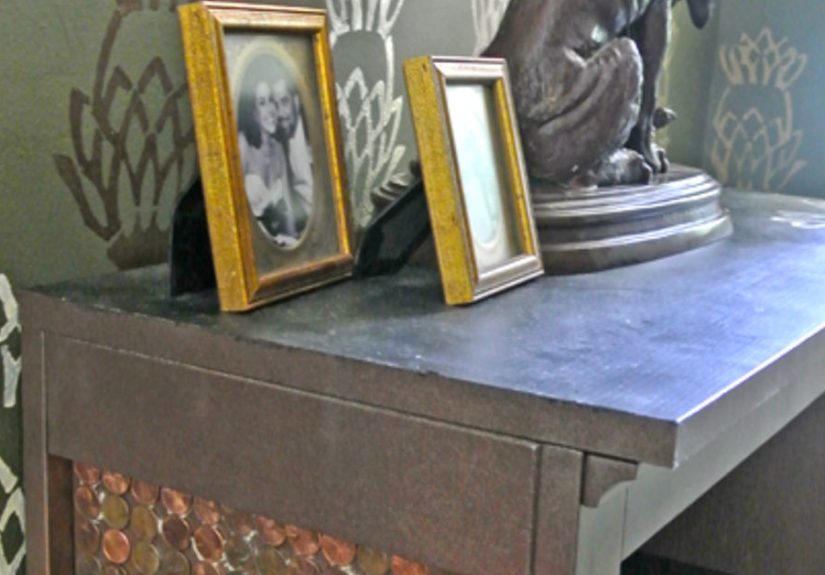
Using pennies as a decorative surface has become a popular DIY trend for floors, tabletops, and countertops because the coins are durable, surprisingly affordable, and look incredible once sealed in glossy epoxy. Now imagine that same gleaming penny mosaic running up the side of your cabinet: it’s like jewelry for your kitchen.
In this guide, we’ll walk through everything you need to know to pull off a penny sided cabinet makeoverfrom planning and prep to gluing, sealing, and styling. You’ll also get real-world tips, cost breakdowns, and experience-based advice so you can avoid the “why did I start this at 10 p.m.?” regrets.
Why a Penny Sided Cabinet Makeover Is Pure Genius
It turns dead space into a design feature
Most cabinet sides are just… there. They’re often visible from your dining area or entryway, but rarely decorated. Adding a penny mosaic to that side instantly creates a feature wall effect without knocking down anything or installing heavy tile. It’s especially striking on the end of a kitchen island or a cabinet that faces a hallway or breakfast nook.
It’s budget-friendly, even in 2025
You’ll typically need around 250–260 pennies per square foot for a tightly packed layout, which works out to about $2.50–$2.60 in actual coin cost per square foot. Even when you factor in adhesive and epoxy, it’s still cheaper than many designer tiles or custom panels. Compared with a full cabinet replacement, a DIY penny makeover is a fraction of the price and still delivers that “new kitchen” feeling.
It’s durable and easy to clean
When properly sealed with clear epoxy poured in thin layers, penny surfaces hold up well to everyday wear and tear and are easy to wipe down with a damp cloth. There’s no grout to scrub, and the glossy finish resists stains and splashes. For a cabinet side that occasionally catches spills or fingerprints, that’s a huge win.
Yes, it’s legal to use pennies this way
A common worry: “Am I going to get in trouble for gluing US currency to my cabinet?” The short answer is no. It’s legal to use pennies as a building material, as long as you’re not melting them down for the metal content. You can glue them, coat them in epoxy, and stick them to your cabinetsjust don’t expect to spend them again.
Step 1: Plan Your Penny Sided Cabinet Makeover
Choose the right cabinet side
Start by picking a cabinet side that:
- Is highly visible (end of an island, cabinet by the fridge, or the side by a doorway).
- Is flat, smooth, and in decent condition.
- Won’t be constantly slammed by chairs, strollers, or swinging doors.
The more you see this surface, the more you’ll appreciate the work you’re about to put in.
Estimate how many pennies you’ll need
Measure the height and width of the cabinet side in inches. Multiply those numbers and then divide by 144 to get square feet. For example:
Example: 30 inches wide × 34 inches high = 1,020 square inches ÷ 144 ≈ 7.1 square feet.
Multiply that by about 260 pennies per square foot:
7.1 × 260 ≈ 1,846 pennies
That’s about $18.50 in actual coin valueless than a takeout dinner for two.
Decide on your penny look: shiny or aged
You’ve got options:
- Shiny copper: Clean the coins with a mild acidic solution (like vinegar and salt), rinse, and dry. This gives a bright, almost rose-gold effect under epoxy.
- Mix of old and new: Use pennies from different years and conditions for a mottled, rustic look.
- Pattern play: Create stripes, chevrons, or a gradient using newer vs. older pennies or flipping some to show the Lincoln Memorial or shield side.
Step 2: Prep the Cabinet Side Like a Pro
Great prep makes the difference between a project that looks DIY-in-a-good-way and one that looks DIY-in-a-neighbor-is-politely-concerned way. Major paint and cabinet brands emphasize proper cleaning, sanding, and degreasing before any makeover.
Clean and degrease
- Wipe down the cabinet side with a degreaser or a mix of warm water and a little dish soap.
- Rinse with clean water and let it dry completely.
Lightly sand the surface
Use medium-grit sandpaper to scuff the surface so your adhesive will bond better. Sand just enough to dull the sheen, then vacuum and wipe away dust.
Prime and paint the background
Even though the pennies will cover the surface, it’s best to:
- Apply a bonding primer suitable for laminate or painted surfaces.
- Paint the cabinet side a dark colorblack or deep brown works beautifully under copper pennies because any tiny gaps visually disappear.
Let the paint cure completely before you move on to gluing. Follow the manufacturer’s recommended drying times for best adhesion and durability.
Step 3: Glue Down the Pennies
Pick the right adhesive
For vertical cabinet sides, you need something strong enough to keep coins from sliding:
- Clear-drying construction adhesive or heavy-duty craft glue works well for small areas.
- Thickened epoxy can also be used, especially if you’re planning to pour more epoxy over the top later.
Lay out your pattern
Some popular layouts:
- Offset rows (“brick” pattern): The classic penny look, with each row staggered.
- Straight grid: Easier to line up but shows gaps more clearly.
- Mixed orientation: Flip some pennies for texture and visual interest.
Use a level and lightly draw guide lines on the cabinet side to keep your rows straight. Start at the bottom and work your way up so gravity is on your side.
Glue and press
- Apply a small dab of adhesive where each penny will sit (you don’t need to coat the whole surface at once).
- Press the penny firmly into place and move to the next one.
- Wipe away any squeeze-out before it dries, especially along edges.
Depending on the size of your cabinet side, this can be a time-consuming step. One penny-floor DIYer spent around 16 hours just gluing coins to her bathroom floor before sealing it. Your cabinet side will likely take less time, but plan for at least a few hours of steady, repetitive work.
Step 4: Seal the Pennies with Epoxy
While you can technically leave the pennies unsealed, a clear epoxy topcoat:
- Makes the surface easier to clean.
- Prevents tarnish and grime buildup.
- Creates that gorgeous, glassy finish that catches the light.
Choose an appropriate epoxy
Look for a bar-top or countertop epoxy designed for clear, self-leveling applications. These products are commonly recommended for penny countertops and tabletops.
Do multiple thin pours
Experts suggest doing several thin epoxy pours rather than one thick layer. Thin pours help epoxy settle between pennies and minimize bubbles, similar to how grout fills the gaps in tile.
- Mask off surrounding areas with painter’s tape and plastic.
- Mix the epoxy exactly as directedmeasure carefully and stir thoroughly.
- Pour a small amount at a time, letting it flow over the pennies and drip slightly off the bottom edge.
Pop bubbles and let it cure
Use a heat gun or hair dryer on low to gently move over the surface and pop surface bubbles. This technique is commonly recommended in penny countertop tutorials. Let each layer cure before adding another, and then allow the final coat to fully harden according to the manufacturer’s instructions before putting the area back into heavy use.
Step 5: Finish the Rest of the Cabinet
Refresh the doors and hardware
To match your new penny side, consider painting the cabinet doors and drawer fronts. Major paint and DIY sources recommend:
- Removing doors and hardware before painting.
- Cleaning, sanding lightly, then priming.
- Using a high-quality enamel or cabinet-specific paint for durability.
As for hardware, experts strongly advise not painting knobs, hinges, or pulls, since paint on metal tends to chip quickly and can interfere with moving parts. Instead, swap in modern hardware that complements the penny tonesthink matte black, oil-rubbed bronze, or brushed brass.
Style the surrounding space
A penny sided cabinet is a star, so dress the stage:
- Keep nearby decor simple so the penny surface remains the focal point.
- Use warm wood, white, or charcoal tones to make the copper pop.
- Add a small lamp or under-cabinet lighting nearby to highlight the shine.
FAQs About Penny Sided Cabinet Makeovers
Will the pennies tarnish over time?
If you seal them with epoxy, the finish will protect the pennies from air and moisture, significantly slowing or preventing tarnish. Unsealed pennies will darken and develop patina, which some people actually like for a vintage look.
How do I clean a penny sided cabinet?
Once sealed, treat it like a glossy countertop: wipe with a soft cloth and mild soap and water. Avoid abrasive cleaners or scrub pads that could scratch the epoxy surface.
Is this too heavy for my cabinet?
Pennies and epoxy add some weight, but on a standard cabinet side it’s usually well within what the cabinet box can handle. If your cabinets are very old or damaged, reinforce the side panel or consult a contractor before starting.
How long will the makeover last?
With proper prep, quality adhesive, and good epoxy, penny surfaces have been shown to hold up well for years on floors, counters, and tables. On a vertical cabinet side, they’re subject to less wear than a floor or countertop, so longevity is typically excellent.
Real-World Experiences with Penny Sided Cabinet Makeovers
If you’ve watched Hometalk-style videos or scrolled through penny floor and countertop projects, you already know: this kind of makeover tends to attract strong feelings. People either say, “That’s genius, I’m doing it this weekend,” or “You glued money to your kitchen?!” The reality of living with a penny sided cabinet sits somewhere in betweenand it’s mostly positive.
The “wow” factor is real
The first thing nearly everyone reports is the reaction from guests. A penny surface catches light in a way most materials don’t. It looks intricate and expensive, even though it’s literally made from spare change. Visitors inevitably run a hand across it, lean in for a closer look, and ask, “Wait, are those real pennies?” It becomes an instant conversation starter and makes even a small kitchen feel more custom and thoughtfully designed.
The tedious part is gluing (but it’s oddly calming)
The least glamorous part of the makeover is the gluing session. Setting hundreds or even a couple thousand pennies, one by one, can feel repetitive. But many DIYers describe it as meditativeput on a podcast, an audiobook, or a favorite show and just fall into the rhythm of rows. That slow, methodical pace is also when you discover little patterns: different years, slight color variations, or a streak of brand-new pennies that make a subtle stripe.
Prep is where people cut cornersand regret it later
One of the most common “I wish I had…” comments from penny-project veterans is about prep. Skipping cleaning, sanding, or priming can lead to pennies slowly loosening or epoxy peeling at the edges. This echoes what paint and cabinet experts emphasize for any makeover: surface prep is non-negotiable if you want lasting results. Taking an extra day to prep properly can add years to the life of your new cabinet finish.
Living with it day-to-day is surprisingly easy
Once everything is glued, sealed, and cured, a penny sided cabinet mostly fades into the background of your daily routinein a good way. You don’t need any special cleaners, and you’re not constantly worrying about tiny grout lines collecting dirt. Epoxy-sealed pennies are smooth and wipeable, so splashes from the trash can, the dog bowl, or a rogue pasta sauce fling are no big deal.
It’s a flexible upgrade, even if your style changes
Another nice thing about confining the penny design to the cabinet side is that it functions like an art panel. If you ever fall out of love with the look, you can:
- Cover it with a removable panel or wood veneer.
- Clad it in beadboard, shiplap, or decorative molding.
- Replace just that side if you do a major renovation later.
You’re not committing to an entire penny floor or a full run of countertops. You get all the fun and impact of the trend, but in a controlled, easy-to-manage dose.
The biggest “con” is that it might inspire more projects
The danger of a successful penny sided cabinet makeover is that you might start seeing every flat surface in your home as a potential coin canvas. Tabletops, bar fronts, bathroom vanities, and even stair risers suddenly look like they’re missing some copper. DIY penny projects on countertops and tabletops are already popular because they’re so customizable and visually rich. Don’t be surprised if your one “small” makeover turns into a full-blown penny theme.
In the end, a penny sided cabinet makeover is very much in the spirit of Hometalk-style DIY: clever, affordable, and packed with personality. It proves you don’t need a massive budget or a full kitchen demo to create something that feels special. With some planning, patience, and a few rolls of change, you can transform a boring cabinet side into a shiny slice of custom art that makes your whole kitchen feel more “you.”
Conclusion
A penny sided cabinet makeover is one of those rare projects that checks almost every box: budget-friendly, durable, eye-catching, and relatively approachable for a determined DIYer. By treating your cabinet side like a mini feature wall and following the best practices for prep, adhesion, and epoxy sealing, you can create a high-end look using one of the most ordinary materials on earthspare change.
If your kitchen needs a refresh but a full renovation is off the table, this is a smart, stylish way to get maximum impact with minimal structural changes. Grab your pennies, turn on your favorite playlist, and get ready to flip that forgotten cabinet side into the star of your space.