Table of Contents >> Show >> Hide
- What Is a Peritonsillar Abscess?
- Causes of Peritonsillar Abscess
- Symptoms of Peritonsillar Abscess
- Diagnosing Peritonsillar Abscess
- Treatment for Peritonsillar Abscess
- Complications of Peritonsillar Abscess
- Preventing Peritonsillar Abscesses
- Experiences with Peritonsillar Abscess: Real-Life Insights
- Conclusion
Peritonsillar abscesses (PTA) are a painful and often concerning condition that affects the throat area. This medical condition arises when a bacterial infection leads to the accumulation of pus beside the tonsils. The abscess can cause significant discomfort, difficulty swallowing, and even more serious complications if left untreated. In this article, we’ll dive into the causes, symptoms, diagnosis, and treatment options for peritonsillar abscesses to help you understand the condition better.
What Is a Peritonsillar Abscess?
A peritonsillar abscess is an infection that occurs near the tonsils, typically on one side of the throat. The abscess forms when an infection from the tonsils, such as a severe case of tonsillitis, spreads into the surrounding tissues. As the infection progresses, pus accumulates in the space around the tonsils, leading to swelling, pain, and difficulty swallowing. While it can affect people of all ages, PTA is more common in adolescents and young adults.
Causes of Peritonsillar Abscess
Peritonsillar abscesses are primarily caused by bacterial infections. The most common culprit is Group A Streptococcus, the same bacteria that cause strep throat. Other bacteria, including Staphylococcus aureus and Haemophilus influenzae, can also lead to PTA. The infection typically begins as a case of acute tonsillitis, but when the infection spreads to the surrounding tissues, it leads to the formation of an abscess.
Several factors can increase the risk of developing a peritonsillar abscess, including:
- Chronic or recurrent tonsillitis
- Smoking
- Weak immune system
- Close contact with someone who has a throat infection
Symptoms of Peritonsillar Abscess
The symptoms of a peritonsillar abscess are often severe and can worsen rapidly. Common symptoms include:
- Sore throat: Often one-sided, the sore throat can be intense and may not improve with typical throat remedies.
- Difficulty swallowing: The swelling and pain can make it difficult to swallow both food and liquids.
- Fever: As with most infections, a peritonsillar abscess is often accompanied by a high fever.
- Swollen lymph nodes: The lymph nodes in the neck may become swollen and tender as the body attempts to fight off the infection.
- Voice changes: Patients with PTA may experience a muffled or “hot potato” voice due to swelling in the throat.
- Trismus: This refers to the inability to open the mouth fully due to severe jaw pain or stiffness.
Diagnosing Peritonsillar Abscess
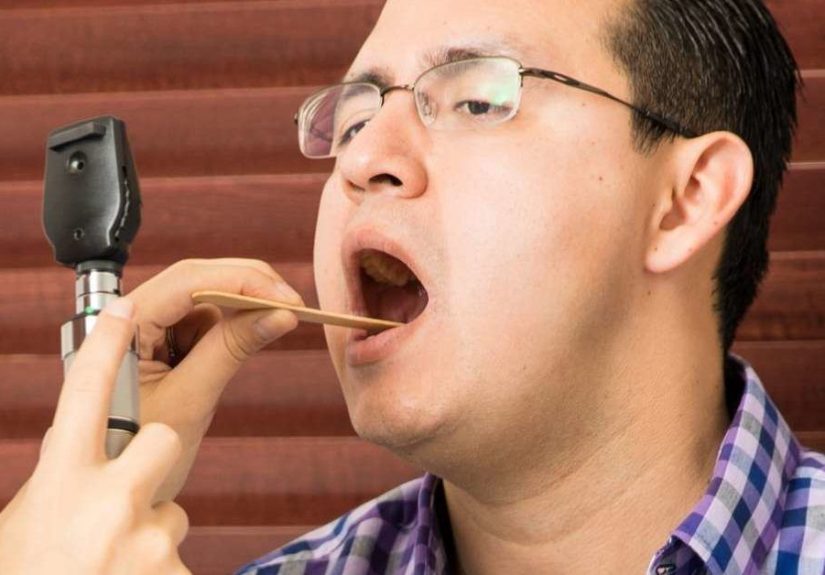
If you experience any of the symptoms of PTA, it’s essential to seek medical attention promptly. A healthcare provider will perform a physical examination, focusing on the throat, tonsils, and neck. The doctor may notice swelling, redness, and pus accumulation near the tonsils.
In addition to the physical exam, your doctor may recommend further tests, including:
- Throat culture: A swab of the throat is taken to identify the specific bacteria causing the infection.
- Blood tests: Blood work can help assess the severity of the infection and detect any spread to other parts of the body.
- Imaging: In some cases, a CT scan or ultrasound may be ordered to determine the size of the abscess and assess any potential complications.
Treatment for Peritonsillar Abscess
Treatment for a peritonsillar abscess typically involves a combination of antibiotics and procedures to drain the abscess. Early intervention is key to avoiding complications such as the spread of infection to other parts of the body or the development of airway obstruction.
1. Antibiotics
Once a peritonsillar abscess is diagnosed, antibiotics are usually prescribed to treat the bacterial infection. A combination of oral or intravenous (IV) antibiotics may be used, depending on the severity of the condition. The most commonly prescribed antibiotics for PTA include penicillin, clindamycin, or amoxicillin-clavulanate. It’s important to finish the full course of antibiotics, even if symptoms improve, to ensure that the infection is fully eradicated.
2. Abscess Drainage
In many cases, the abscess must be drained to alleviate symptoms and prevent further complications. This can be done either through a needle aspiration or by making a small incision to allow the pus to drain out. While this procedure may sound intimidating, it is typically performed under local anesthesia and offers significant relief from pain and swelling.
3. Surgery
In rare cases where the abscess does not respond to drainage or antibiotics, or if it recurs frequently, surgery may be needed. This may involve the removal of the tonsils (tonsillectomy) to prevent further abscesses from forming. Tonsillectomy is typically only considered for patients with chronic or recurrent PTA.
4. Pain Management
Pain relief is an essential aspect of treating peritonsillar abscesses. Over-the-counter pain relievers like ibuprofen or acetaminophen can help reduce pain and inflammation. In severe cases, stronger prescription pain medications may be required. Gargling with warm saltwater and drinking plenty of fluids can also help soothe the throat.
Complications of Peritonsillar Abscess
If left untreated or inadequately treated, a peritonsillar abscess can lead to serious complications, including:
- Airway obstruction: The abscess can enlarge and block the airway, making it difficult to breathe.
- Sepsis: A severe, widespread infection that can spread to other parts of the body, potentially leading to organ failure.
- Retropharyngeal abscess: An abscess in the tissues at the back of the throat that can spread the infection further.
- Chronic tonsillitis: Recurrent PTA episodes can lead to long-term issues with the tonsils, necessitating tonsil removal.
Preventing Peritonsillar Abscesses
While not all peritonsillar abscesses can be prevented, there are a few strategies that can reduce the risk:
- Prompt treatment of strep throat and tonsillitis with antibiotics.
- Good hygiene practices, such as washing hands frequently and avoiding close contact with infected individuals.
- Managing chronic conditions like sinus infections or respiratory infections to minimize the spread of bacteria.
Experiences with Peritonsillar Abscess: Real-Life Insights
Real-life experiences often shed light on the severity and impact of peritonsillar abscesses. Many individuals report experiencing a sudden and intense sore throat, often on one side of the throat, which becomes progressively worse. This pain is often described as a feeling of a “ball of fire” or “sharp, stabbing pain” when swallowing. For many, the inability to swallow solid food or liquids becomes a significant issue.
One patient recalls that their experience with PTA began with what seemed like a common cold but quickly escalated into a fever and severe throat pain. It wasn’t until they noticed difficulty opening their mouth (trismus) that they sought medical attention. After being diagnosed, they underwent a drainage procedure and were prescribed antibiotics. The recovery was gradual, but within a few days, the pain diminished significantly.
Another individual shared their struggle with recurrent peritonsillar abscesses, which led to the recommendation of tonsillectomy. After undergoing the surgery, they noticed a significant improvement in their overall health, as the frequency of throat infections decreased dramatically.
These experiences highlight the importance of recognizing the symptoms of PTA early and seeking timely treatment to prevent complications and ensure a swift recovery.
Conclusion
Peritonsillar abscesses are a serious but treatable condition. Early diagnosis and appropriate treatment, including antibiotics and drainage, can help alleviate symptoms and prevent complications. If you experience symptoms such as severe throat pain, fever, and difficulty swallowing, it’s crucial to seek medical attention promptly. With the right care, most individuals recover fully from a peritonsillar abscess and return to their normal activities. However, preventing recurrent abscesses may require addressing underlying issues like chronic tonsillitis and considering tonsillectomy in some cases.